Quick Facts
- Prevalence: Fibromyalgia affects an estimated 10 million people in the United States, with women accounting for approximately 75% to 90% of all diagnosed cases.
- New FDA Approval: Tonmya (sublingual cyclobenzaprine) received approval in late 2025 as a primary pharmacological option to improve sleep quality and reduce pain.
- The 10-4 Rule: Managing energy involves a peak activity window between 10 a.m. and 4 p.m. to minimize fatigue.
- Top Treatment: Patient-tailored exercise programs remain the most effective strategy for maintaining functional capacity and reducing systemic pain.
- Pain Type: Fibromyalgia is now formally recognized as nociplastic pain, caused by central sensitization and neuroinflammation rather than structural tissue damage.
- Economic Impact: Women diagnosed between ages 20 and 55 are 10 times less likely to return to work one year after a related hospitalization.
Fibromyalgia pain management in 2026 has evolved from simple symptom suppression to a multimodal approach addressing nociplastic pain. For the 10 million Americans affected—the vast majority being women—balancing life with chronic pain requires a strategic daily routine. This guide explores lifestyle adjustments and the latest medical breakthroughs to restore your quality of life.
Effective non-pharmacological strategies for fibromyalgia pain management include cognitive-behavioral therapy (CBT), aquatic therapy, and regular mindfulness-based stress reduction. Physical therapy techniques like TENS, ultrasound therapy, and gentle exercise programs also help reduce neuroinflammation and improve functional capacity.
Understanding the 2026 Landscape: Nociplastic Pain & Central Sensitization
For decades, many women felt their symptoms were dismissed or misunderstood. We now know that the "invisible" nature of this condition is rooted in the nervous system. The medical community has shifted its focus toward nociplastic pain, a term that describes how the brain and spinal cord amplify signals, leading to central sensitization. Essentially, the volume on your pain receptors is turned up too high.
This shift in understanding is crucial for patient education. Research suggests that 85 percent of individuals with fibromyalgia consider the condition a significant life burden that interferes with their ability to work or manage household responsibilities. By identifying the role of neuroinflammation, we can move away from old diagnostic delays, which used to average over three years, and toward proactive 2026 multimodal treatment plans. When we address the root of how the brain processes pain, we can begin to find real relief.
The New Medical Frontier: From Tonmya to Tech
The pharmaceutical landscape for women has changed significantly with the 2025 approval of Tonmya. Unlike older medications that often came with heavy side effects, this sublingual cyclobenzaprine is designed to be taken at bedtime to specifically target the sleep disturbances that drive central sensitization. By improving restorative sleep, we can naturally lower the baseline of daily pain.
Beyond medication, new fibromyalgia treatments 2026 for chronic pain include emerging technologies that offer hope for those who haven't found relief through traditional means. Transcranial magnetic stimulation (TMS) and virtual reality-based therapy are now being used to "retrain" the brain's pain pathways. These non-invasive methods focus on dampening the overactive signals in the central nervous system.
Comparison of 2026 Treatment Options
| Treatment | Type | Primary Benefit | Best For |
|---|---|---|---|
| Tonmya | Pharmaceutical | Improved sleep architecture | Reducing next-day pain and brain fog |
| TMS | Technological | Neural pathway modulation | Refractory pain that doesn't respond to meds |
| Virtual Reality | Technological | Sensory distraction/retraining | Managing acute symptom flares and anxiety |
| Aquatic Therapy | Physical | Buoyancy-assisted movement | Improving functional capacity without joint strain |
Daily Routine & Pacing: Balancing Household and Career
Managing a daily routine requires pacing strategies for energy conservation. Many of the women I work with find success using the 10-4 rule: scheduling the most demanding tasks between 10 a.m. and 4 p.m. when the body’s natural cortisol levels and temperature are most supportive of activity. This helps prevent the "boom and bust" cycle where overexertion on a good day leads to a multi-day crash.
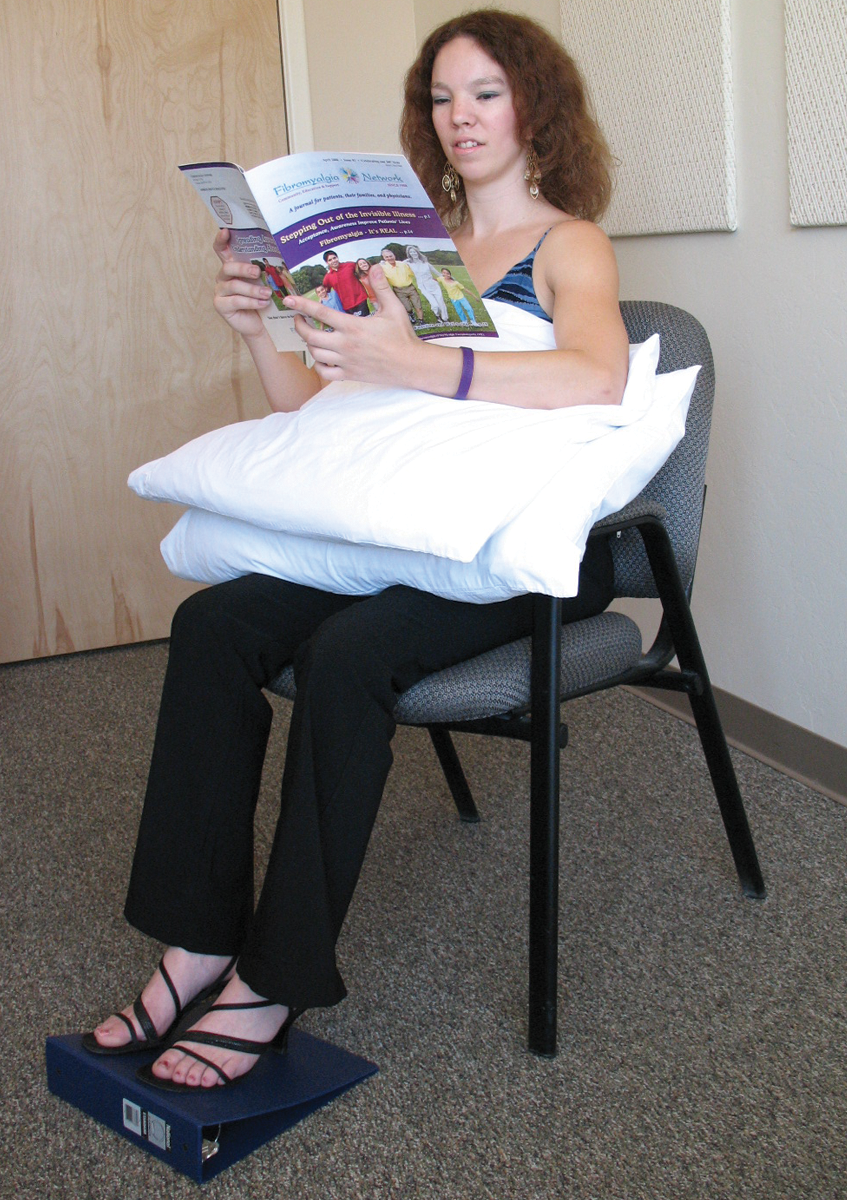
For those in the workforce, ergonomic changes are not just a luxury; they are a necessity. I recommend the "Stacking the Skeleton" technique, which involves aligning the ears, shoulders, and hips to minimize the muscular effort required to stay upright. This reduces the mechanical stress that can trigger neuroinflammation.
Managing a home involves similar fibromyalgia lifestyle adjustments for household management. Breaking chores into fifteen-minute micro-tasks can prevent the accumulation of fatigue. Remember, your value is not measured by your productivity on your hardest days.
Physical and Mind-Body Interventions
When it comes to movement, the "no pain, no gain" philosophy is counterproductive for us. Instead, we look toward aquatic therapy benefits for fibromyalgia pain. The warm water provides hydrostatic pressure that can soothe the nervous system while buoyancy allows for a range of motion that might be impossible on land. It is one of the most effective non-pharmacological fibromyalgia pain management strategies for maintaining muscle tone without triggering symptom flares.

We also incorporate tools like the Thera Cane for self-trigger point release. This allows you to manage localized knots at home. Complementing this physical work with mindfulness-based stress reduction helps to lower the emotional toll of chronic illness. By practicing acceptance and commitment therapy (ACT), women can learn to observe pain without letting it dictate their entire emotional state.
Nutritional Foundations & Sleep Hygiene
What we eat and how we sleep form the bedrock of fibromyalgia treatment options for women. An anti-inflammatory nutritional habit focuses on whole foods, healthy fats like omega-3s, and minimizing processed sugars that can exacerbate neuroinflammation. While diet isn't a "cure," it serves to lower the overall inflammatory load on the body.

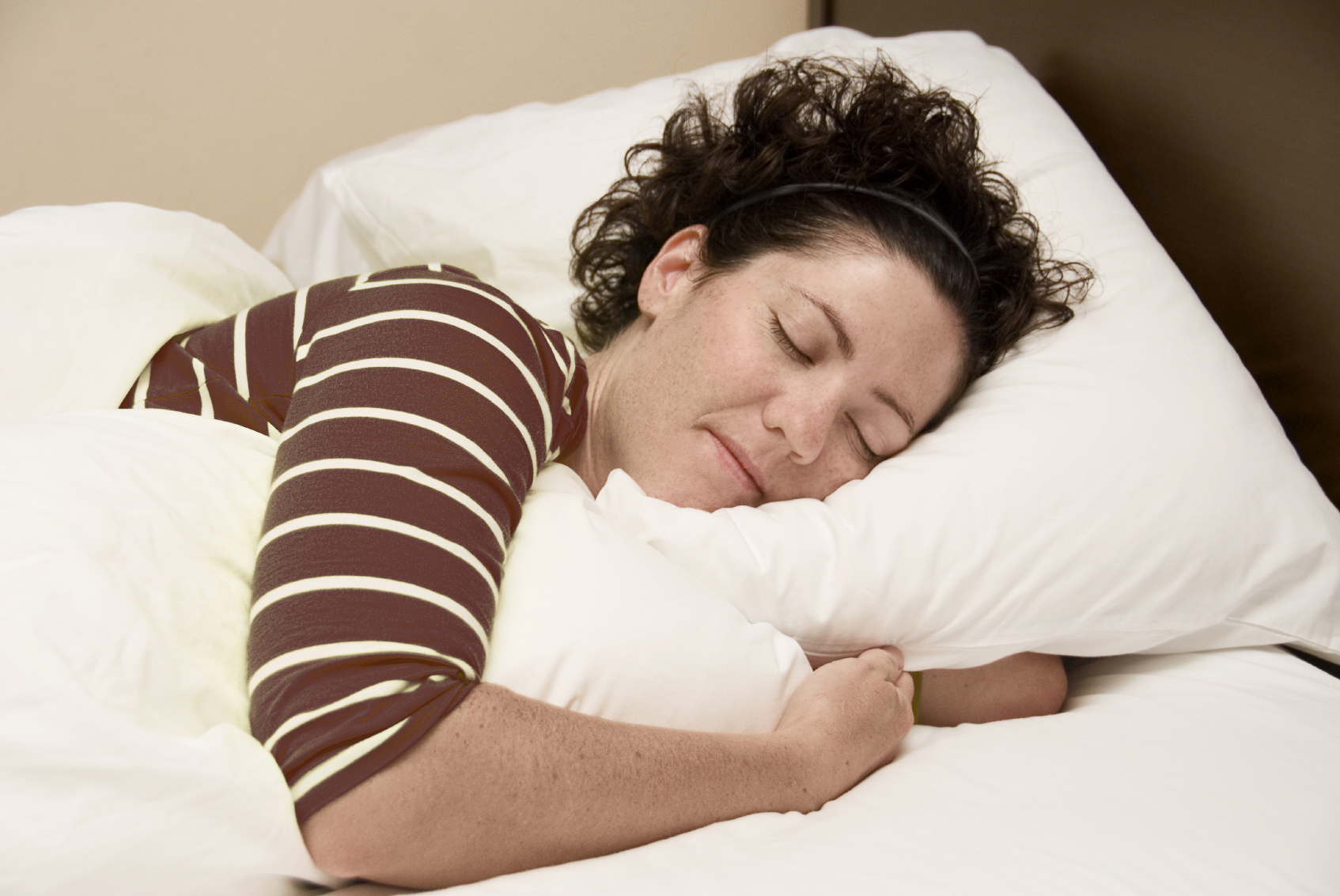
Effective sleep hygiene for fibromyalgia patients involves more than just a regular bedtime. Because central sensitization is worsened by poor sleep, we focus on temperature control (keeping the room cool) and identifying specific melatonin windows. If we can achieve deep, Stage 4 sleep, the body can perform the vital work of repairing tissues and rebalancing neurotransmitters.
The Four Pillars of Management
| Pillar | Strategy | Focus Area |
|---|---|---|
| Physical | Aquatic therapy & TENS | Movement and muscle relief |
| Mental | MBSR & CBT | Pain perception and stress |
| Nutritional | Anti-inflammatory diet | Systemic inflammation reduction |
| Restorative | Sleep hygiene & Tonmya | Nervous system repair |
FAQ
What is the most effective treatment for fibromyalgia pain?
The most effective approach is a multimodal treatment plan. This typically combines gentle physical activity (like walking or swimming), psychological support such as cognitive-behavioral therapy, and, when necessary, medications like the newly approved Tonmya or older options like duloxetine. Because everyone's nervous system is unique, the "best" treatment is the one tailored to your specific symptoms and lifestyle.
How can I manage fibromyalgia pain without medication?
Non-pharmacological fibromyalgia pain management strategies are highly effective. Focus on aquatic therapy to move without pain, mindfulness-based stress reduction to calm the nervous system, and dietary changes to reduce inflammation. Using tools like a Thera Cane for muscle knots and implementing strict pacing strategies for energy conservation can also significantly reduce daily discomfort.
What are the best exercises for fibromyalgia relief?
Low-impact, aerobic exercises are the gold standard. Aquatic therapy is often ranked highest because the water supports your weight. Other excellent options include Tai Chi, Yoga, and simple walking. The key is to start very slowly and gradually increase duration to avoid triggering a flare.
Does diet affect fibromyalgia pain levels?
Yes, many women find that an anti-inflammatory diet helps reduce the severity of symptom flares. By avoiding highly processed foods, excess sugar, and common triggers like caffeine or alcohol, you can reduce the systemic inflammation that often accompanies neuroinflammation. Prioritizing lean proteins, vegetables, and healthy fats provides the nutrients your nervous system needs to function more efficiently.
What medications are usually prescribed for fibromyalgia?
Standard prescriptions include antidepressants like duloxetine (Cymbalta) and milnacipran (Savella), which help with pain and fatigue, and anti-seizure drugs like pregabalin (Lyrica) to calm overactive nerves. The latest 2026 pharmacological landscape now includes sublingual cyclobenzaprine (Tonmya) for improving sleep quality, which is often the missing piece in pain management.
How can I improve my sleep to reduce fibromyalgia pain?
Improving sleep requires a dedicated routine known as sleep hygiene. This includes going to bed at the same time every night, ensuring your bedroom is dark and cool, and avoiding screens an hour before bed. Because fibromyalgia often involves a lack of deep, restorative sleep, working with a specialist to address potential issues like restless leg syndrome or sleep apnea is also vital for reducing central sensitization.