Quick Facts
- Most Prescribed: Since its approval in 1992, zolpidem remains the market leader, representing 87.5% of all benzodiazepine receptor agonist prescriptions.
- Mechanism Shift: Traditional insomnia medications focus on GABA receptors to sedate the brain, while modern Orexin receptor antagonists for sleep focus on turning off the wake signal.
- Efficacy Gold Standard: Cognitive Behavioral Therapy for Insomnia (CBT-I) remains the first-line recommendation, boasting success rates of 70% to 80%.
- Maintenance Advantage: Newer dual orexin receptor antagonists (DORAs) are specifically designed to reduce wake after sleep onset without the typical next-day grogginess associated with older drugs.
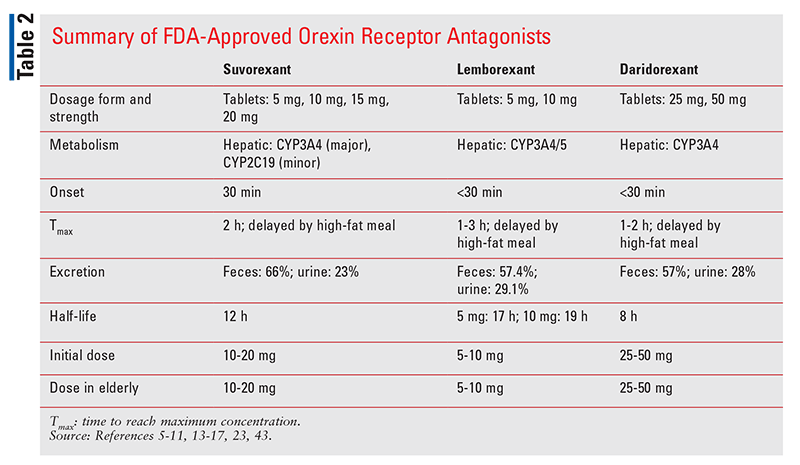
- Pharmacokinetic Differences: Selecting between DORAs often comes down to drug half-life, with Daridorexant (8 hours) offering a shorter duration than Suvorexant (12 hours).
Understanding the landscape of insomnia medications is crucial for anyone struggling with sleep. From the widespread use of zolpidem to the innovative Orexin receptor antagonists, modern medicine offers various pathways to rest. Traditional treatments often target GABA receptors to induce sleep, while newer dual orexin receptor antagonists (DORAs) like suvorexant and daridorexant work by blocking the wake-promoting orexin system, effectively managing hyperarousal with fewer side effects.
The Evolution of Sleep Science: GABA vs. Orexin
As someone deeply immersed in the world of longevity and functional health stacks, I view sleep as the ultimate anti-aging intervention. However, the pharmacological approach to achieving that sleep has undergone a massive paradigm shift. For decades, the medical community relied on central nervous system depression. If you couldn't sleep, we essentially "knocked you out" using drugs that amplified the effect of GABA receptors, the primary inhibitory neurotransmitter in the brain.
Think of the brain's sleep-wake cycle regulation like a light switch. Older insomnia medications like benzodiazepines or Z-drugs function by forcing the "sleep switch" into the "on" position. While effective for inducing sleep, this broad-spectrum approach often disrupts the natural sleep architecture, specifically reducing the time spent in deep slow-wave sleep and REM.
In contrast, the discovery of orexin (also known as hypocretin) in the late 1990s changed everything. Orexin is a neuropeptide produced in the lateral hypothalamus that keeps us awake, alert, and engaged. In patients with chronic insomnia, this system is often overactive—a state known as hyperarousal. Rather than forcing the sleep switch on, newer orexin receptor antagonists for sleep work by turning the "wake switch" off. This targeted mechanism allows for a more natural transition into sleep without the heavy-handed central nervous system depression seen in older sedative agents.
Solving Sleep Onset: The Role of Sedative-Hypnotics
When we talk about sleep latency—the time it takes to actually fall asleep—the traditional sedative-hypnotics remain the most common clinical choice. Following its FDA approval in 1992, zolpidem (marketed as Ambien) became the most widely prescribed hypnotic medication. It belongs to a class of drugs known as non-benzodiazepine GABA-A receptor agonists, which were designed to be safer and less addictive than their predecessor benzodiazepines like Valium or Xanax.
For those choosing between zolpidem and orexin receptor antagonists, the primary draw for zolpidem is its rapid onset. Within 20 to 30 minutes, most users feel a powerful sedative effect. However, as an editor focusing on long-term health, I must highlight the trade-offs. Sedative-hypnotic sleep aid safety is a recurring concern, particularly regarding parasomnias—complex sleep behaviors like sleep-walking or even sleep-driving—that can occur when the brain is forced into a sedated state.
Furthermore, these older insomnia medications are notorious for causing rebound insomnia. When a patient stops taking the medication after regular use, their insomnia often returns even worse than before because the brain's GABA receptors have downregulated. This creates a cycle of dependency that is difficult to break.

Managing Sleep Maintenance with DORAs
While falling asleep is one hurdle, many of my readers struggle with wake after sleep onset (WASO). This is the frustrating experience of waking up at 3:00 AM and being unable to return to sleep. This is where dual orexin receptor antagonists (DORAs) shine. Because they target the wake-promoting system rather than just sedating the brain, they are particularly effective as long term pharmacological treatments for chronic insomnia.
The current generation of DORAs includes suvorexant (Belsomra), lemborexant (Dayvigo), and daridorexant (Quviviq). The clinical magic here is how dual orexin receptor antagonists manage hyperarousal. By blocking the binding of orexin to its receptors, these drugs lower the "noise" of the wake system, allowing the brain's natural sleep drive to take over.
One of the most critical factors when comparing chronic insomnia treatments is the drug half-life. If a drug stays in your system too long, you experience next-day grogginess, which is both a safety risk and a productivity killer.
| Medication | Typical Half-Life | Primary Use Case |
|---|---|---|
| Zolpidem (Standard) | 2.5 hours | Sleep Onset |
| Daridorexant | 8 hours | Maintenance & Onset |
| Lemborexant | 17–19 hours | Severe Maintenance |
| Suvorexant | 12 hours | Maintenance |
For those looking for a balance between effectiveness and morning clarity, daridorexant is often favored because its 8-hour half-life aligns closely with a standard night's sleep. Unlike older drugs, DORAs have shown a unique ability to preserve sleep architecture, meaning you are more likely to get the restorative slow-wave sleep your brain needs for detoxification and memory consolidation.
Safety, Dependency, and Special Populations
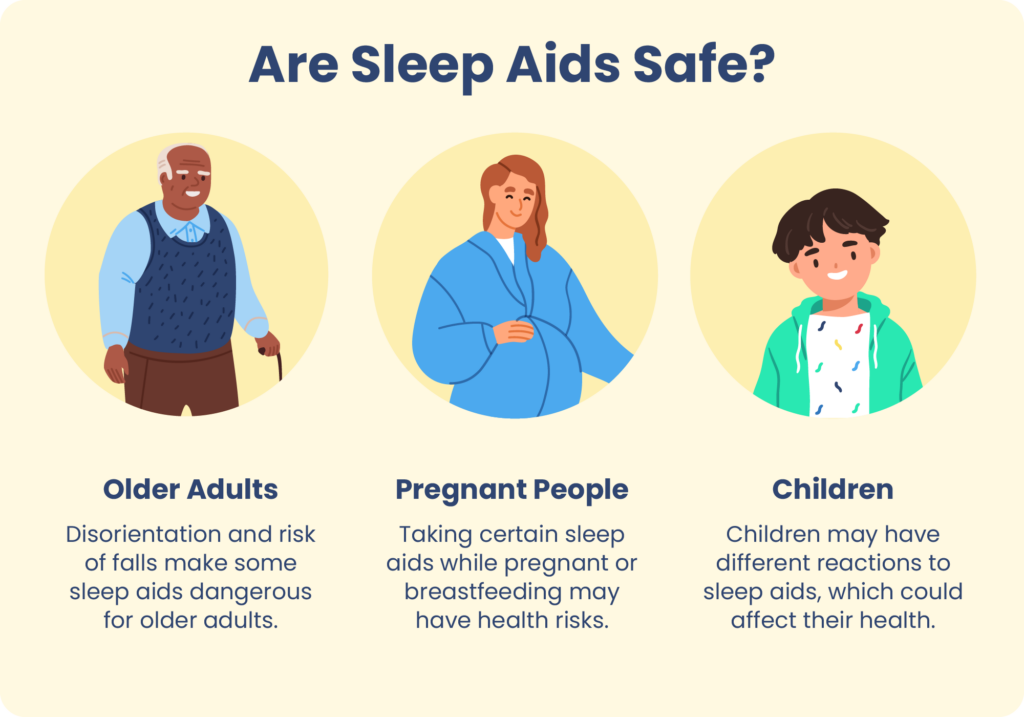
As we look toward the future, finding safe insomnia medications for elderly patients in 2026 is a major priority for the medical community. Older adults are more sensitive to central nervous system depression, which significantly increases the risk of falls, fractures, and cognitive impairment. In this demographic, DORAs are vastly preferred over benzodiazepines or Z-drugs.
However, no pharmacological intervention is without risk. Sedative-hypnotic sleep aid safety and dependency risks are real, and even with newer drugs, patients should have a clear exit strategy. If you have been on a Z-drug or a sedating antidepressant like mirtazapine—which is often used off-label for sleep due to its ability to increase slow-wave sleep—you cannot simply stop cold turkey.
A proper tapering schedule for mirtazapine and z-drugs is essential to mitigate withdrawal symptoms and severe rebound insomnia. This usually involves a gradual dose reduction over several weeks, often while simultaneously implementing CBT-I techniques to build natural sleep pressure.
It is also vital to recognize iatrogenic triggers. Sometimes, the insomnia isn't the primary problem but a side effect of other longevity-focused medications like beta-blockers or certain steroids. A functional health approach requires looking at the total body burden rather than just prescribing a pill for a symptom.
FAQ
What is the most effective medicine for insomnia?
The most effective treatment is generally considered to be Cognitive Behavioral Therapy for Insomnia (CBT-I), as it addresses the root causes. Pharmacologically, the "best" medication depends on whether the problem is falling asleep (where zolpidem or ramelteon might be used) or staying asleep (where orexin receptor antagonists for sleep are often superior).
What are the common side effects of sleep medications?
Common side effects for older sedative-hypnotics include next-day grogginess, dizziness, and complex sleep behaviors. For newer DORAs, the most common side effects reported in clinical trials are headache and somnolence (sleepiness), though these tend to be milder than the cognitive impairment associated with older sedatives.
Are there natural alternatives to insomnia medication?
Yes, many functional health stacks include magnesium glycinate, apigenin, and L-theanine. Melatonin is also widely used, though it is more of a chronobiotic (shifting the clock) than a true hypnotic. While natural alternatives can be effective for mild cases, chronic insomnia often requires the structured approach of CBT-I or targeted insomnia medications.
How long do prescription insomnia medications take to work?
Sedative-hypnotics like zolpidem typically work within 20 to 30 minutes. Orexin receptor antagonists like daridorexant also work quickly for sleep onset but may take a few nights of consistent use to reach peak efficacy for sleep maintenance.
Can you become dependent on insomnia medication?
Dependency is a significant risk with benzodiazepines and Z-drugs due to GABA receptor downregulation. While the risk of physical dependency appears to be lower with Orexin receptor antagonists for sleep, psychological dependence (the feeling that you cannot sleep without a pill) can happen with any sleep aid.
In summary, the transition from Ambien to Orexin antagonists represents a move toward more sophisticated, neurobiologically sound medicine. By understanding how these tools interact with your brain's unique chemistry, you can work with a specialist to move past "knocking yourself out" and toward truly restorative sleep.