Quick Facts
- The Core Definition: Insomnia is a multifaceted sleep disorder marked by significant difficulty falling asleep or staying asleep, resulting in functional impairment during the day.
- Economic Impact: Chronic sleep loss is a public health crisis, costing the U.S. economy an estimated $63 billion annually in lost work performance.
- Prevalence: Approximately 30% to 35% of adults experience brief insomnia symptoms, while roughly 10% suffer from chronic insomnia disorder.
- Safety Risks: Untreated insomnia significantly affects safety, increasing the risk of motor vehicle accidents by 2.6 times.
- The Gold Standard: Cognitive Behavioral Therapy for Insomnia (CBT-I) remains the primary clinical recommendation, outperforming long-term medication use in most patient groups.
- Biological Drivers: Sleeplessness is often driven by hyperarousal and elevated cortisol levels, which override the body's natural drive for rest.
Understanding insomnia symptoms and causes is the first step toward recovery. In 2026, clinical standards define insomnia not just by a lack of sleep, but by the hyperarousal and daytime impairment it creates. This guide explores the biological drivers of sleeplessness and provides evidence-based health strategies for better sleep quality.
Defining the Struggle: Identifying Chronic vs Acute Insomnia Symptoms
When we discuss insomnia, we aren't just talking about a single bad night after a stressful meeting. Medical professionals categorize the condition based on its duration and frequency. Acute insomnia is typically short-term, often triggered by a specific life event like a job change or grief. It might last for a few days or weeks but usually resolves once the stressor passes. In contrast, chronic insomnia is defined by sleep difficulties occurring at least three nights per week for three months or more.
One of the most common indicators is a prolonged sleep onset latency—the technical term for taking a long time to fall asleep once the lights are out. Others struggle with sleep maintenance, which involves frequent nighttime awakenings or waking up far too early and being unable to return to sleep. Regardless of the type, the result is often nonrestorative sleep, where you wake up feeling as though you haven't rested at all.
Beyond the clock, identifying chronic vs acute insomnia symptoms requires looking at physical warning signs of sleep loss and daytime impairment. Many individuals report tension headaches, gastrointestinal distress, or a constant state of muscle heaviness. It is estimated that 1 in 6 adults in the Americas suffer from some form of clinical insomnia, making it one of the most prevalent health challenges of our decade.
Acute vs. Chronic Insomnia: Key Differences
| Feature | Acute Insomnia | Chronic Insomnia |
|---|---|---|
| Duration | Days to weeks | 3 months or longer |
| Frequency | Intermittent | At least 3 nights per week |
| Primary Trigger | Temporary stress or life events | Complex mix of habits and biology |
| Resolution | Often resolves spontaneously | Usually requires behavioral intervention |
| Impact | Temporary fatigue | Persistent health and cognitive risks |
Inside the Sleepless Brain: The Biological Why
To understand why sleep eludes us, we have to look at the neurobiology of the brain. Sleep is regulated by two primary systems: the circadian rhythm (your internal 24-hour clock) and sleep-wake homeostasis. Homeostasis is driven by adenosine buildup; the longer you stay awake, the more adenosine accumulates in your brain, creating a "sleep drive." When we sleep, the brain clears this adenosine.
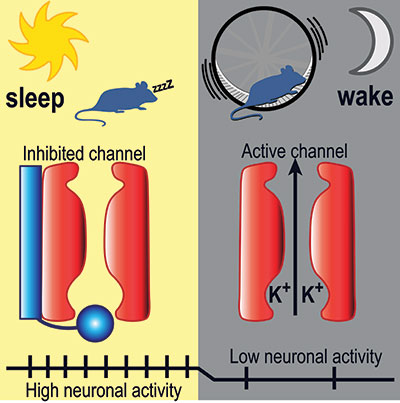
However, in people with insomnia, this system is often hijacked by hyperarousal. This is a state where the sympathetic nervous system—your "fight or flight" response—remains active when it should be powering down. This leads to elevated cortisol levels at night, which is the biological opposite of what the body needs for rest. While melatonin production should be rising as the sun sets to signal the body to sleep, high stress or blue light exposure from modern tech can inhibit this process, leaving the brain in a state of high alert.
What Happens in the Brain
In a healthy brain, the transition to sleep involves a decrease in core body temperature and a shift in neurochemistry where GABA (an inhibitory neurotransmitter) dampens the activity of the arousal centers. In the "insomniac brain," these arousal centers remain overactive. Functional MRI scans often show that the "executive function" areas of the brain remain "on" even during stage 1 sleep, preventing the deeper, more restorative stages of the sleep architecture from taking hold.
The 3-P Model: Understanding Insomnia Causes
Sleep experts often use the 3-P model to explain the complex landscape of insomnia symptoms and causes. This framework helps patients understand that insomnia isn't just "one thing," but a combination of factors that evolve over time.
- Predisposing Factors: These are your baseline vulnerabilities. They include genetics, a naturally anxious temperament, or a biological tendency to be a "night owl." Some people are simply born with a more reactive arousal system.
- Precipitating Factors: These are the "triggers." A divorce, a medical diagnosis, or a sudden shift in work schedule can kickstart a period of sleeplessness.
- Perpetuating Factors: These are the habits or thoughts that keep the insomnia going long after the initial trigger is gone.
Lifestyle factors causing sleeplessness at night often fall into this third category. For example, many people try to "make up" for a bad night by napping during the day or sleeping in on weekends. While well-intentioned, these actions actually weaken the sleep drive for the following night. Using a sleep diary to pinpoint insomnia triggers can reveal how these habits—like consuming caffeine late in the day—interfere with rest. Caffeine has a half-life of about six hours, meaning if you have a cup at 4:00 PM, half of it is still in your system at 10:00 PM.
Another common perpetuating factor is the "Alcohol Paradox." While a glass of wine might help with sleep onset, it destroys sleep architecture by causing fragmented sleep and suppressing REM cycles later in the night. True stimulus control involves retraining the brain to associate the bed only with sleep and intimacy, rather than with scrolling through news or worrying about work.

The Vicious Cycle: Daytime Impact and Fatigue
The true burden of insomnia is felt most acutely when the sun is up. The daytime consequences of insomnia include mood disturbances, cognitive impairment, and fatigue, with 20% to 33% of individuals reporting severe daytime impairments. This isn't just about feeling tired; it is about a measurable decline in executive function.
When the brain is deprived of sleep, the prefrontal cortex—the area responsible for decision-making and emotional regulation—struggles to communicate with the amygdala. This is why managing daytime fatigue from chronic insomnia is so difficult; you find yourself more irritable, less focused, and prone to "brain fog." For many, these signs of insomnia-related cognitive fatigue manifest as a reduced ability to multitask or solve complex problems at work.
The safety implications are even more dire. Microsleep episodes—brief, involuntary moments of sleep lasting a few seconds—can occur without the person even realizing it. This is why the increased risk of motor vehicle accidents is a central concern for those managing daytime fatigue from insomnia. The brain, desperate for recovery, will attempt to shut down in small increments, often at the most dangerous times.
2026 Management Strategies: Beyond Sleep Hygiene
While "sleep hygiene" (keeping a cool, dark room) is a good foundation, it is rarely enough to cure chronic insomnia. Modern health strategies for better sleep quality in 2026 emphasize behavioral strategies for retraining the sleep cycle.
The gold standard remains CBT-I methodology. One of the most effective, albeit counterintuitive, techniques is sleep restriction therapy. This involves limiting the time spent in bed to the actual amount of time spent sleeping, which helps consolidate sleep and increase the "sleep pressure" for the next night.
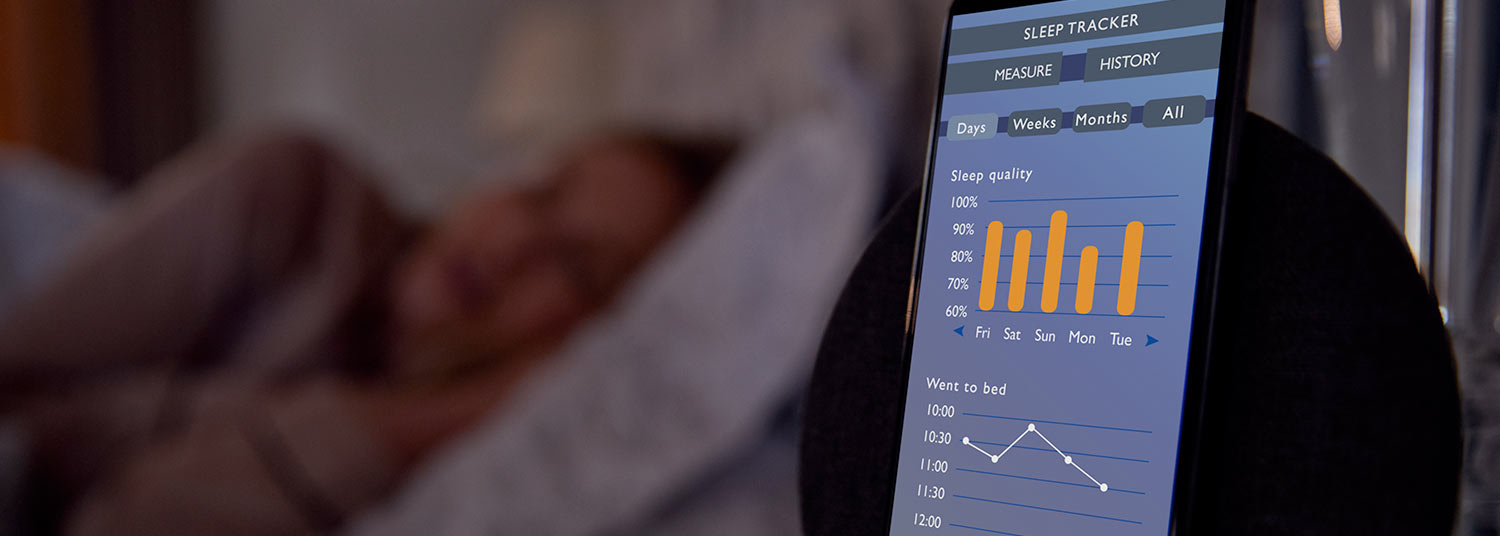
We also have to address the rise of Orthosomnia—a term for the anxiety caused by obsessively tracking sleep data through wearable devices. While tech can be helpful, for many, seeing a "low sleep score" in the morning creates a self-fulfilling prophecy of stress. Optimizing the sleep environment to reduce insomnia is more about sensory management than it is about data points. Keeping the room at exactly 18°C and utilizing mind-calming techniques for falling asleep faster, such as box breathing or progressive muscle relaxation, can be more effective than any gadget.
The 15-Minute Rule
If you are unable to fall asleep after roughly 15 to 20 minutes, get out of bed. Go to another room, keep the lights low, and do something quiet and unstimulating, such as reading a physical book or knitting. Do not check your phone. Only return to bed when you feel physically sleepy. This prevents your brain from forming a "conditioned arousal" link between your bed and the frustration of being awake.

FAQ
What are the primary symptoms of insomnia?
The primary symptoms include difficulty falling asleep (long sleep onset latency), waking up frequently during the night, waking up too early and being unable to fall back asleep, and feeling unrefreshed upon waking. These are almost always accompanied by daytime issues like irritability, fatigue, and difficulty concentrating.
What are the most common causes of insomnia?
Insomnia is usually caused by a combination of factors, including high levels of stress, poor sleep habits (irregular schedules, late-night tech use), and underlying biological triggers like hyperarousal or hormonal imbalances. Mental health conditions like anxiety and depression are also frequent contributors.
How can you tell if your insomnia is chronic?
Insomnia is classified as chronic if you experience sleep difficulties at least three nights per week for a period of three months or longer. If your sleep issues are shorter in duration and tied to a specific temporary stressor, they are typically considered acute.
Can stress and anxiety trigger insomnia?
Yes, stress and anxiety are among the most common triggers. They keep the body in a state of hyperarousal, with elevated cortisol levels that prevent the brain from transitioning into deep sleep. This often creates a "vicious cycle" where the anxiety about not sleeping makes it even harder to fall asleep.
What are the physical warning signs of sleep deprivation?
Beyond mental fog, physical signs include tension headaches, increased sensitivity to pain, gastrointestinal problems, and slowed reaction times. Over the long term, chronic sleep loss is linked to higher risks of cardiovascular disease, obesity, and a weakened immune system.
When is it time to see a doctor about insomnia?
You should consult a professional if your sleep difficulties are interfering with your ability to function at work or in your personal life, if you are relying on alcohol or over-the-counter aids to sleep, or if your insomnia has lasted more than a few weeks despite trying basic lifestyle changes.