Quick Facts
- Relief Timeline: Initial symptom improvement typically begins at 2 weeks, with maximum efficacy reached between 8 and 12 weeks of consistent use.
- Symptom Prevalence: Research indicates that approximately 64% of women experience skin-related issues during the menopausal transition, with pruritus being a major concern.
- Collagen Impact: Women typically lose nearly 30% of their skin's collagen within the first five years following menopause, leading to significant thinning and dryness.
- Safety Target: For vulvovaginal health, effective treatments aim to restore a pH balance of less than 4.5.
- Primary Medical Option: Localized 0.01% estradiol cream is the standard clinical recommendation for targeted pruritus relief.
- Risk Management: Modern transdermal delivery methods bypass liver metabolism, significantly lowering the risk of blood clots compared to older oral synthetics.
Effective menopause itching relief typically involves addressing estrogen deficiency to restore the skin barrier. Medical options range from localized estrogen creams to systemic transdermal patches, with peak relief often reached by week 12. Safe medication options for menopause itching include low-dose localized creams for targeted relief or systemic patches for full-body pruritus, provided they are part of an individualized treatment plan.
The Biological Link: Why Estrogen Deficiency Triggers Itching
When we talk about menopause, we often focus on hot flashes and mood swings, but the skin is frequently the first place we feel the shift. As an editor specializing in women's wellness, I have seen how distressing menopause pruritus treatment can be for women who suddenly feel like their skin is "crawling" or chronically parched. This sensation isn't just in your head; it is rooted in profound biological changes.
The primary culprit is Estrogen deficiency. Estrogen plays a vital role in maintaining the Skin barrier function by stimulating the production of collagen, oils, and hyaluronic acid. As levels drop, the skin loses its ability to retain moisture and elasticity. Clinical studies demonstrate that women lose nearly 30% of their skin's collagen in the first five years of menopause alone. This rapid Collagen depletion leads to thinning tissues that are easily irritated by fabrics, soaps, or even the air itself.
Furthermore, roughly 50% of women face Vaginal atrophy, where the delicate tissues of the urogenital tract become thin and inflamed. This condition changes the natural vaginal environment, often raising the pH levels above the healthy target of 4.5. When the pH balance is disrupted, it can lead to intense localized itching that is often mistaken for a yeast infection but is actually a direct result of hormonal decline. Understanding this link is the first step toward finding safe medication options for menopause itching that actually work.
Localized vs. Systemic: Choosing Your Relief Method
Finding the right menopause itching relief requires a conversation about where the itching occurs. If your discomfort is concentrated in the vulvovaginal area, localized therapy is often the first line of defense. If you are experiencing "formication"—the sensation of insects crawling on your skin across your arms, legs, or torso—you might require systemic hormone therapy.
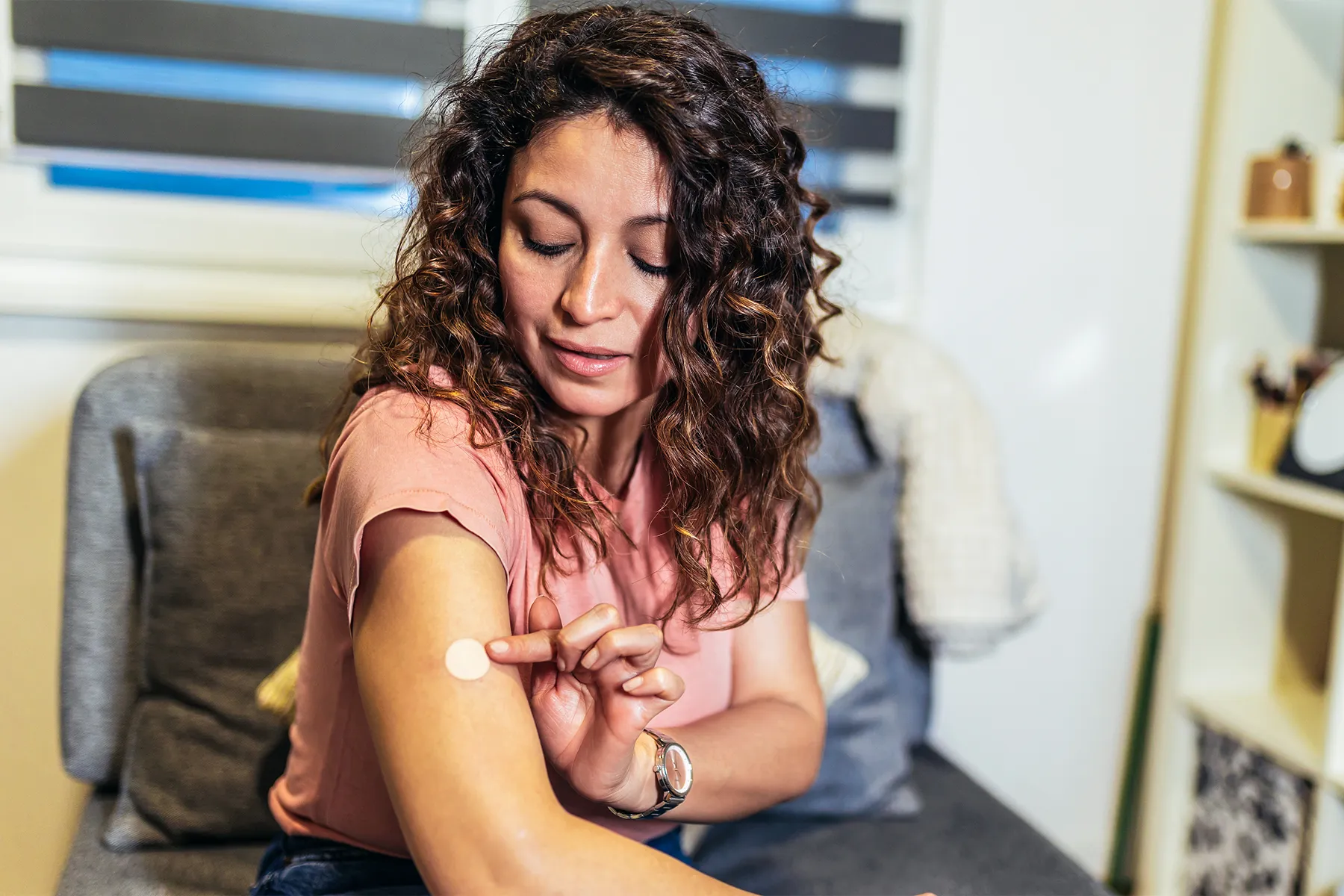
When comparing estrogen cream vs vaginal ring for menopause pruritus, the choice often comes down to convenience and personal preference. A localized 0.01% estradiol cream offers precise control, allowing you to apply it exactly where the irritation is most intense. However, it requires a consistent application schedule, usually starting nightly for two weeks and then tapering to twice a week. On the other hand, a vaginal ring provides a "set it and forget it" approach, releasing a steady, low dose of hormones over 90 days. Both are excellent for restoring Vulvovaginal health and mitigating the burning sensations associated with dryness.
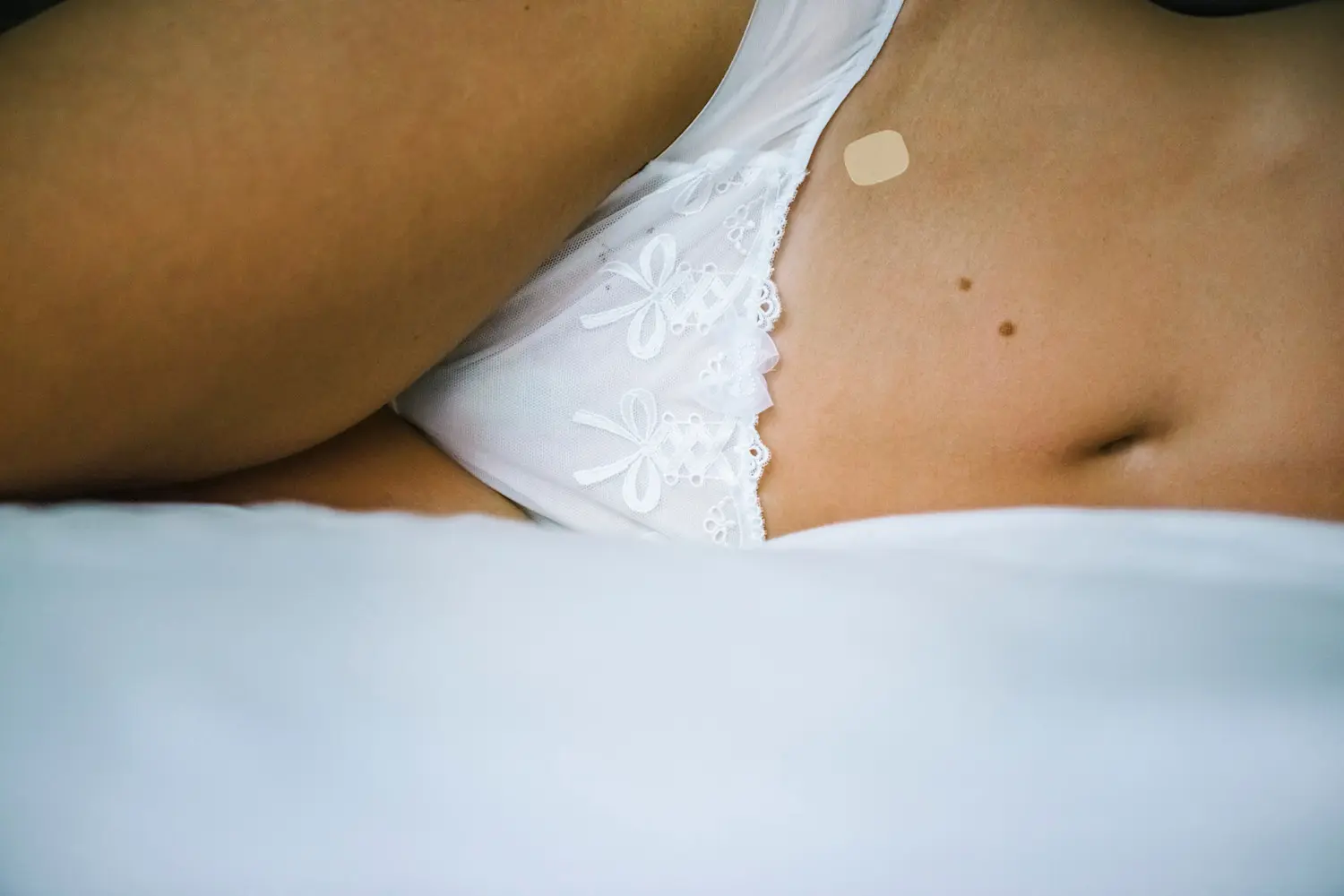
For full-body itchy skin menopause medications, systemic options like the transdermal patch are frequently recommended. Unlike oral pills, Transdermal delivery allows the hormones to be absorbed directly through the skin into the bloodstream, bypassing the liver. This method provides a more stable hormonal level and is generally considered to have a more favorable safety profile.
| Method | Delivery Type | Application Frequency | Best For |
|---|---|---|---|
| Estradiol Cream | Localized | 2-3 times per week (maintenance) | Targeted vulvovaginal itching and atrophy |
| Vaginal Ring | Localized | Replace every 90 days | Long-term adherence and consistent moisture |
| Vaginal Tablet | Localized | 2 times per week (maintenance) | Discreet application with minimal mess |
| Transdermal Patch | Systemic | Once or twice weekly | Full-body itching, hot flashes, and night sweats |
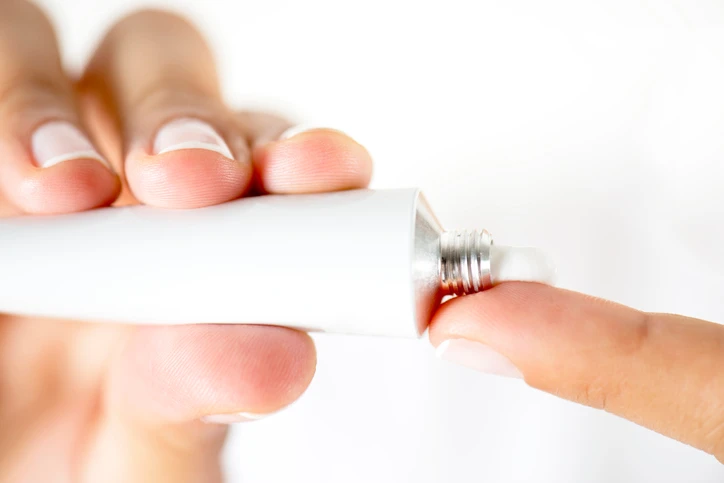
While hormone replacement therapy can reduce the likelihood of dry skin by 24%, some women use over-the-counter hydrocortisone creams for immediate, short-term relief of itchy skin. However, I always caution readers that these should not be used long-term on thin menopausal skin, as they can cause further thinning if overused.
Medication Safety Guide: Timing and Risks
One of the most important aspects of my role is de-mystifying the safety of hormone therapy. For years, outdated studies caused unnecessary fear, but modern clinical standards have provided much-needed clarity. The key is the "timing hypothesis," which suggests that starting treatment within 10 years of the onset of menopause or before age 60 offers the most favorable benefit-to-risk ratio.
When we look at safe medication options for menopause itching, we talk in absolute risks rather than scary percentages. For most healthy women under 60, the absolute risk of serious side effects like blood clots or breast cancer is very low—often cited as 1 to 4 additional cases per 1,000 women per year. Using modern Estradiol formulations via transdermal patches or localized creams further reduces these risks because they do not affect the liver's clotting factors the way oral medications can.
Individualized treatment plans are the cornerstone of safety. During a Medical history assessment, your doctor will look at your family history, cardiovascular health, and breast density. If you still have your uterus, it is a medical necessity to take progesterone alongside systemic estrogen to protect the uterine lining. However, localized estrogen cream for itching typically does not require progesterone because the systemic absorption is so minimal that it doesn't thicken the lining.
The benefits of bioidentical hormones for menopausal skin itching are also worth noting. Bioidentical hormones are molecularly identical to the ones your body naturally produces, which many women find easier to tolerate. Whether you choose FDA-approved bioidenticals or standard formulations, the goal is to find the lowest effective dose for the shortest duration needed to manage your symptoms. Discussing the long-term safety of low-dose estrogen for skin irritation with your provider can help you feel confident in your choice.

Non-Hormonal Alternatives for High-Risk Groups
While hormones are highly effective, they aren't the right choice for everyone. Women with a history of certain cancers or specific Contraindications need non-hormonal remedies for menopause vaginal itching. Fortunately, the field of women's wellness has made great strides in this area.
Topical hyaluronic acid is a powerhouse for hydration. It can hold up to 1,000 times its weight in water, helping to "plump" the skin and vaginal tissues from the inside out. For many women, high-quality, water-based lubricants and moisturizers can provide significant relief during the day and help with Patient adherence to a comfort routine.
If you are struggling with managing menopause skin itching symptoms at night, look for products containing ceramides and lipids. These help repair the Skin barrier function that estrogen used to maintain. Additionally, newer medications like Neurokinin receptor antagonists (such as fezolinetant), while primarily used for hot flashes, can improve sleep quality, which in turn helps the skin repair itself overnight. Reducing the "itch-scratch cycle" during sleep is essential for preventing secondary skin infections.
FAQ
Why does menopause cause itchy skin?
The decline in estrogen levels causes a decrease in collagen and natural oils, leading to a compromised skin barrier. This makes the skin thinner, drier, and more sensitive to irritants, resulting in a persistent itching sensation known as pruritus or formication.
What is the best treatment for menopause-related itching?
The "best" treatment depends on the location and severity. For localized vaginal itching, estradiol creams or rings are highly effective. For full-body itching, systemic hormone therapy via transdermal patches is often the gold standard. Non-hormonal moisturizers with hyaluronic acid are the best alternative for those who cannot use hormones.
How can I stop menopause itching at night?
Managing menopause skin itching symptoms at night involves a combination of cool environments, cotton sleepwear, and intensive evening moisturization. If the itching is severe, systemic hormone therapy can help stabilize the skin barrier and improve the sleep-wake cycle.
Does estrogen cream help with skin itching?
Yes, localized estrogen cream helps by restoring moisture and thickness to the urogenital tissues. While it is primarily designed for the vulvovaginal area, the restoration of the skin barrier in that region significantly reduces localized pruritus and discomfort.
Can HRT stop menopause itching?
Hormone Replacement Therapy (HRT) is one of the most effective ways to address the root cause of menopause itching. By replacing the missing estrogen, HRT helps the skin regain its ability to produce collagen and retain moisture, which can virtually eliminate the "crawling" sensation for many women.
When should I see a doctor about menopause-related itching?
You should consult a healthcare provider if the itching interferes with your sleep, causes broken skin or bleeding, or if localized itching is accompanied by unusual discharge or pain. A professional assessment is necessary to rule out other conditions like lichen sclerosus or infections.
Conclusion: Your Roadmap to Relief
Dealing with itchy skin during menopause can feel like a lonely journey, but it is a biological reality for the majority of women. Whether you choose the targeted precision of an estrogen cream or the comprehensive support of a transdermal patch, the key is consistency. Remember that your skin did not change overnight, and it will take time—often a full 12-week cycle—to see the maximum benefits of your treatment.
The most important step you can take today is to advocate for yourself. Request a comprehensive medical history assessment to discuss an individualized treatment plan. With the right clinical guidance and a supportive wellness routine, you can move past the discomfort and get back to feeling comfortable in your own skin. Menopause is a new chapter, and itchy skin doesn't have to be the headline.