Quick Facts
- Relief Timeline: Most patients notice a significant reduction in odor and discharge within 48 to 72 hours of starting treatment.
- Treatment Duration: A standard course typically lasts 5 to 7 days, depending on whether you are prescribed oral tablets or a vaginal gel.
- Clinical Efficacy: Metronidazole is highly effective, boasting a 70% to 90% clinical cure rate for bacterial vaginosis.
- Critical Safety Warning: Alcohol must be strictly avoided during treatment and for 48 to 72 hours after the final dose to prevent severe illness.
- Success Indicator: A return to a healthy, slightly acidic vaginal pH balance and the disappearance of fishy odor.
- Secondary Risk: Approximately 29% of women may develop a secondary yeast infection while taking antibiotics for BV.
Metronidazole for BV is the gold-standard antimicrobial therapy, specifically designed to target the overgrowth of anaerobic bacteria and restore your internal balance. Understanding your metronidazole BV recovery timeline and managing side effects is key to a full recovery and preventing the infection from returning. While symptoms such as abnormal discharge and odor often begin to improve within the first 48 to 72 hours, it is essential to complete the full prescription to ensure that anaerobic bacteria like Gardnerella vaginalis are fully eradicated and to reduce the risk of antibiotic resistance or recurrence.
Understanding Your Metronidazole for BV Treatment Instructions
Bacterial vaginosis (BV) is not an infection you "caught" in the traditional sense; rather, it is a shift in the delicate ecosystem of the vaginal microbiome. When the protective Lactobacillus species are outnumbered by anaerobic bacteria, specifically Gardnerella vaginalis, the resulting imbalance causes the characteristic symptoms of BV. Metronidazole for BV works by disrupting the DNA of these specific anaerobic bacteria, effectively halting their growth without significantly harming the beneficial bacteria your body needs.
Your healthcare provider will likely offer you a choice between two primary delivery methods. Both are highly effective, but they suit different lifestyles and sensitivities. Oral tablets are systemic, meaning the medication travels through your bloodstream, while the vaginal gel provides localized treatment. Regardless of the form, following your metronidazole for BV treatment instructions to the letter is the most important factor in achieving a clinical cure rate that lasts.
| Feature | Oral Tablets | Vaginal Gel |
|---|---|---|
| Administration | Taken by mouth, usually twice daily | Inserted vaginally, usually once daily at bedtime |
| Typical Duration | 7 days | 5 days |
| Systemic Absorption | High (affects the whole body) | Low (localized to the vaginal area) |
| Common Side Effects | Nausea, metallic taste, headaches | Vaginal discharge, localized irritation |
| Alcohol Restriction | Mandatory | Recommended to avoid |
Patient compliance is frequently the deciding factor in whether BV is resolved or becomes a recurring issue. Many women feel "cured" by day three and stop taking their medication. However, stopping early allows the strongest bacteria to survive and multiply, often leading to a more stubborn recurrence that is harder to treat.
The Recovery Timeline: What to Expect Day-by-Day
The metronidazole BV recovery timeline is generally predictable, though every woman's body responds at its own pace. Understanding what is happening internally can help ease the anxiety that often accompanies vaginal health issues.
Days 1–2: The Loading Phase
During the first 24 to 48 hours, the concentration of metronidazole for BV builds up in your system or vaginal tissues. You may not notice a major change in symptoms immediately. In fact, some women report a temporary increase in discharge as the body begins to shed the excess bacteria and biofilm—a protective layer that bacteria build to hide from the immune system.
Days 3–4: Noticeable Relief
This is typically when the signs metronidazole is working for BV become undeniable. The "fishy" odor, caused by the byproducts of anaerobic bacteria, should significantly dissipate. You will likely notice that the thin, grayish discharge begins to thicken and return to a more typical clear or white consistency. This indicates that the Gardnerella vaginalis population is shrinking and your vaginal microbiome is beginning to stabilize.
Days 5–7: Stabilization and Completion
By the final days of your treatment, you should feel back to your "normal" self. However, this is a critical window. Even if symptoms are gone, the medication is still working to eliminate microscopic remnants of the bacterial biofilm. Completing the course allows your native Lactobacillus species to begin recolonizing the area, which is your best defense against future infections.
Managing Metronidazole Side Effects and Alcohol Safety
While metronidazole is a powerful ally, it is known for a few distinct and sometimes unpleasant side effects. Understanding how to manage these can make your seven-day course much more comfortable. According to clinical data, common side effects include nausea, a persistent metallic taste in the mouth, and occasional headaches.
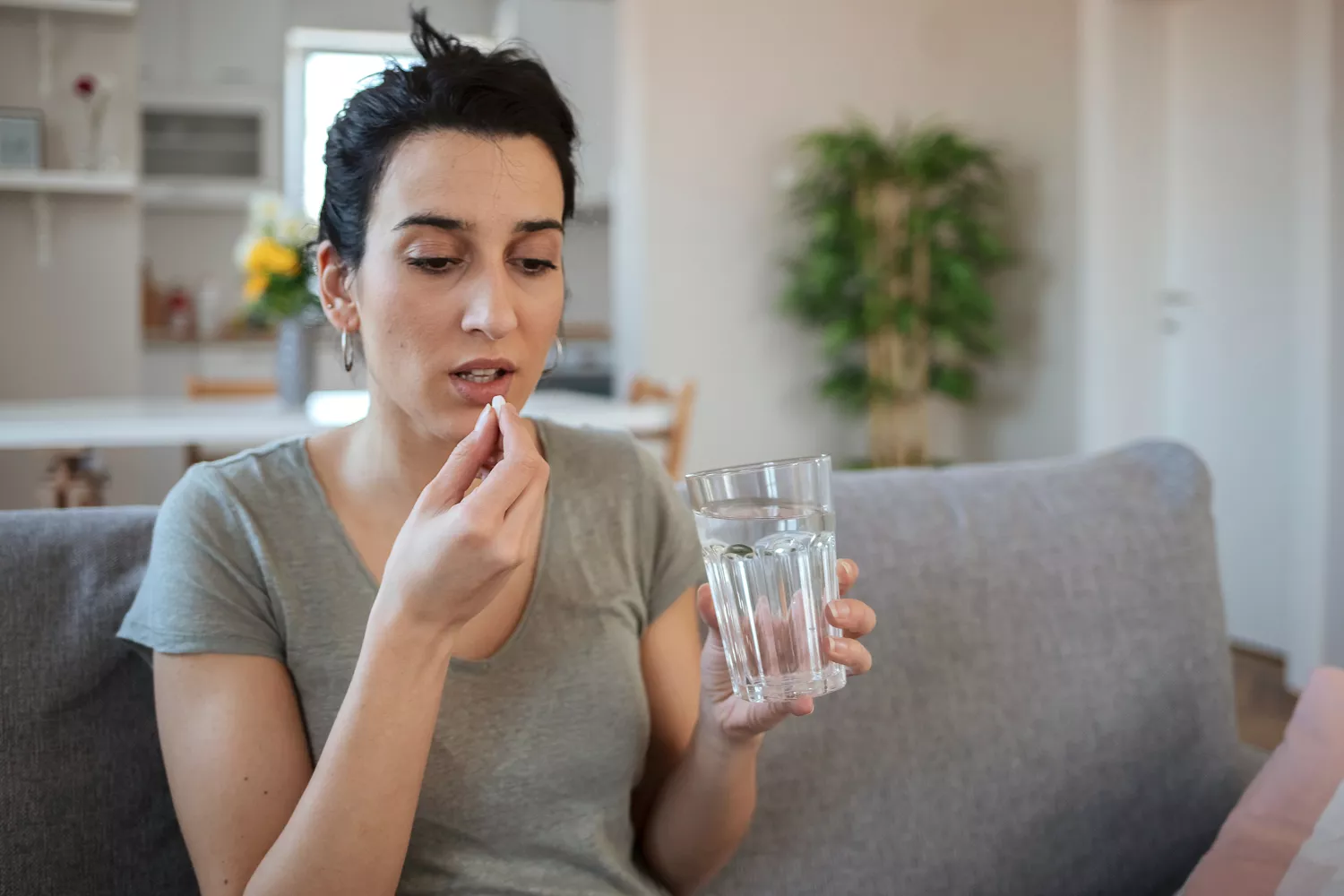
To reduce stomach upset, it is highly recommended to try taking metronidazole with food for nausea. A light meal or a snack creates a buffer in the stomach, slowing the absorption slightly and making the medication easier on your digestive system. If you are struggling with a persistent metallic taste from metronidazole, many women find relief by using sugar-free citrus-flavored gum, sucking on lemon drops, or using a tongue scraper during their morning routine. This "tinny" sensation is harmless and will disappear within a day or two of finishing your prescription.
Safety Alert: The Disulfiram-Like Reaction One of the most critical metronidazole for BV treatment instructions is the absolute avoidance of alcohol. Metronidazole interferes with the body’s ability to break down ethanol, leading to a buildup of acetaldehyde. This causes a disulfiram-like reaction, which can result in severe nausea, projectile vomiting, flushing of the skin, a racing heartbeat, and intense headaches. This restriction applies to all forms of alcohol, including wine, beer, spirits, and even alcohol-containing mouthwashes or cough syrups. You must continue avoiding alcohol during metronidazole treatment for BV and for at least 48 to 72 hours after your very last dose.
Preventing Secondary Issues: Yeast Infections and Missed Doses
A common frustration for women treating BV is the "ping-pong" effect: you treat the bacterial infection, only to end up with vulvovaginal candidiasis, better known as a yeast infection. This happens because antimicrobial therapy is not perfectly selective; while it kills the "bad" bacteria, it can also suppress the "good" bacteria that keep yeast in check.
To help with preventing yeast infection while taking metronidazole for BV, many specialists recommend taking a high-quality vaginal probiotic supplement containing strains like Lactobacillus rhamnosus and Lactobacillus reuteri. These help replenish your natural defenses during and after your antibiotic course. If you notice a change from the thin BV discharge to a thick, white, "cottage cheese" consistency accompanied by intense itching, contact your provider, as you may need a one-dose antifungal treatment.
Another common concern is: what happens if I miss a dose of metronidazole for BV? If you realize you have missed a dose, take it as soon as you remember. However, if it is almost time for your next scheduled dose, skip the missed one and continue with your regular schedule. Never "double up" on doses to catch up, as this significantly increases the risk of severe nausea and other side effects. Consistency is what maintains the necessary levels of medication in your tissues to fully eradicate the infection.
FAQ
How long does it take for metronidazole to clear up BV?
Most women experience a significant reduction in symptoms like odor and discharge within 48 to 72 hours. However, a full clinical cure usually takes the full 5 to 7 days of the prescribed course to ensure the bacteria do not return.
Can you drink alcohol while taking metronidazole for BV?
No, you must strictly avoid alcohol. Combining the two causes a dangerous disulfiram-like reaction characterized by severe vomiting, rapid heart rate, and intense flushing. Wait at least 72 hours after your last dose before consuming alcohol.
What are the most common side effects of metronidazole?
The most frequent side effects are nausea, a persistent metallic taste in the mouth, and headaches. Taking the medication with food can help mitigate digestive upset.
Is metronidazole gel or oral tablet more effective for BV?
Both have similar efficacy rates, typically between 70% and 90%. The oral tablet is systemic and may be better for stubborn infections, while the gel is localized and often has fewer systemic side effects like nausea or the metallic taste.
Does metronidazole cause yeast infections while treating BV?
Yes, it can. Because the antibiotic can disrupt the balance of the vaginal microbiome, roughly 29% of women develop a secondary yeast infection. Using probiotics may help maintain a healthy balance.
What happens if I miss a dose of metronidazole for BV?
If you miss a dose, take it as soon as you remember unless it is nearly time for your next dose. Do not double the dose, as this can worsen side effects. Try to stay as consistent as possible to prevent antibiotic resistance.
Next Steps for Chronic Recurrence
While a single course of metronidazole for BV is often enough, the reality is that approximately 30% of women experience a return of symptoms within three months. This does not necessarily mean the first treatment "failed," but rather that the vaginal environment has not yet fully returned to its protective state, or a persistent biofilm has remained.
If you find yourself dealing with chronic recurrence, it may be time to look deeper. In some cases, treating the male partner has been suggested, although clinical guidelines vary on its necessity. However, for women with recurring symptoms, ensuring there is no underlying issue like pelvic inflammatory disease or other co-infections is vital.
Recovery is a journey of patience and self-care. Focus on breathable cotton underwear, avoid douching or scented feminine products which further disrupt the pH, and give your body the time it needs to rebuild its natural defenses. By following your treatment plan and listening to your body’s signals, you can move past the discomfort of BV and back into a state of balance.