Quick Facts
- Primary Cause: Disruptions in the circadian rhythm and hypothalamus regulation.
- Hormonal Link: Fluctuations in melatonin and cortisol levels during the night.
- Prevalence: Hypnic headaches affect less than 1% of the general population.
- Cluster Timing: Attacks frequently occur one to two hours after a person falls asleep.
- Behavioral Signal: Cluster headache sufferers feel restless (pacing), while migraine sufferers seek stillness.
- Treatment Highlight: High-flow oxygen and high-dose melatonin are specific nocturnal interventions.
Night headaches often occur due to disruptions in the body's circadian rhythm and fluctuations in hormones like melatonin and cortisol. The hypothalamus, which acts as the brain's internal clock, can trigger nocturnal cluster headaches, often waking individuals during specific REM cycles. Additionally, the physical toll of daily stress and poor posture frequently manifests as tension headaches that peak in intensity during the evening hours.
The Chronobiology of Pain: Why Headaches Peak at Night
To understand why your head throbbed the moment the sun went down, we have to look at the hypothalamus. This small region of the brain acts as your internal clock, governing everything from when you feel hungry to when your body prepares for rest. When this clock is slightly off, it does not just affect your sleep quality; it can actually trigger intense pain. This is because the hypothalamus is directly linked to the pathways that process pain in your face and head.
As evening approaches, your body undergoes significant hormonal shifts. There is a natural dip in cortisol levels, which is your body’s primary anti-inflammatory hormone. When cortisol drops too low or at the wrong time, your threshold for pain decreases. Simultaneously, your serotonin fluctuation begins. Serotonin helps regulate the narrowing and widening of blood vessels. If these levels become unstable, the blood vessels in your brain can react sharply, leading to the pulsing sensation associated with night headaches.
Modern life often compounds these biological issues. Many of us are guilty of scrolling through our phones in bed, but blue light exposure is a major disruptor of our chronobiology. This specific wavelength of light tricks the brain into thinking it is still daytime, suppressing melatonin and throwing the circadian rhythm into chaos. When the brain is confused about what time it is, the delicate balance of chemicals shifts, and the result is often a late-night flare-up of pain.

Identifying Your Type: Nocturnal Cluster vs. Migraines vs. Tension
Not all head pain is created equal. Distinguishing between types of nocturnal head pain is key to treatment. For many, the sensation is like a vise tightening around the forehead. These are likely tension headaches at night, usually resulting from the cumulative stress of the day. Others experience a deep, throbbing pulse that might be accompanied by nausea, which points toward a migraine.
However, if you are experiencing a severe one sided headache waking me up from sleep, you may be dealing with nocturnal cluster headaches. These are often referred to as alarm clock headaches because they tend to strike at the exact same time every night, usually during a specific REM cycle. Unlike migraines, where you might want to lie perfectly still in a dark room, cluster headaches often cause a sense of restlessness, making you want to pace the floor.
| Feature | Tension Headache | Migraine | Cluster Headache |
|---|---|---|---|
| Location | Both sides (Bilateral) | Usually one side | Always one side (orbital) |
| Sensation | Steady, vise-like pressure | Pulsing or throbbing | Piercing, "hot poker" pain |
| Autonomic Symptoms | None | Nausea, light sensitivity | Watery eyes, nasal congestion |
| Behavior | Can usually rest | Seeking stillness/dark | Restlessness and pacing |
| Nightly Timing | Evening/Bedtime | Any time | 1-3 AM (during REM) |
Knowing the symptoms of nocturnal cluster headaches vs migraines can save you months of trial-and-error treatments. While migraines are linked to serotonin and vascular changes, cluster headaches are more closely tied to the hypothalamus and your internal clock. If you find yourself waking up with intense pain that lasts for 30 to 90 minutes and then vanishes, the diagnosis becomes much clearer for your doctor.
Physical Triggers: From Sleep Apnea to Teeth Grinding
Sometimes the cause of your discomfort is not just about your brain chemistry; it is about the physical state of your body while you sleep. A very common but overlooked cause is sleep apnea. When you stop breathing periodically throughout the night, your oxygen levels dip. This drop in oxygen and the subsequent rise in carbon dioxide causes the blood vessels in the brain to dilate, leading to a dull, waking headache in the morning or middle of the night.
Another physical culprit is bruxism, or teeth grinding. If you carry stress in your jaw, you may be clenching your teeth unconsciously for eight hours. This puts immense pressure on the temporomandibular joint and the surrounding muscles, manifesting as tension headaches at night. You might wake up with a sore jaw or a dull ache that radiates from your temples.
Posture also plays a vital role. If your pillow does not support the natural curve of your neck, you may develop cervicogenic pain. This is pain that originates in the cervical spine but is felt in the head. Using ergonomic pillows to reduce cervicogenic pain can be a game-changer for those who find their headaches are worse after lying down for a few hours. Finding the best sleep positions to reduce nighttime tension headaches—typically on your back or side with a neutral spine—can prevent the muscle strain that leads to a rough night.
How to Stop a Headache at Night: Effective Fixes
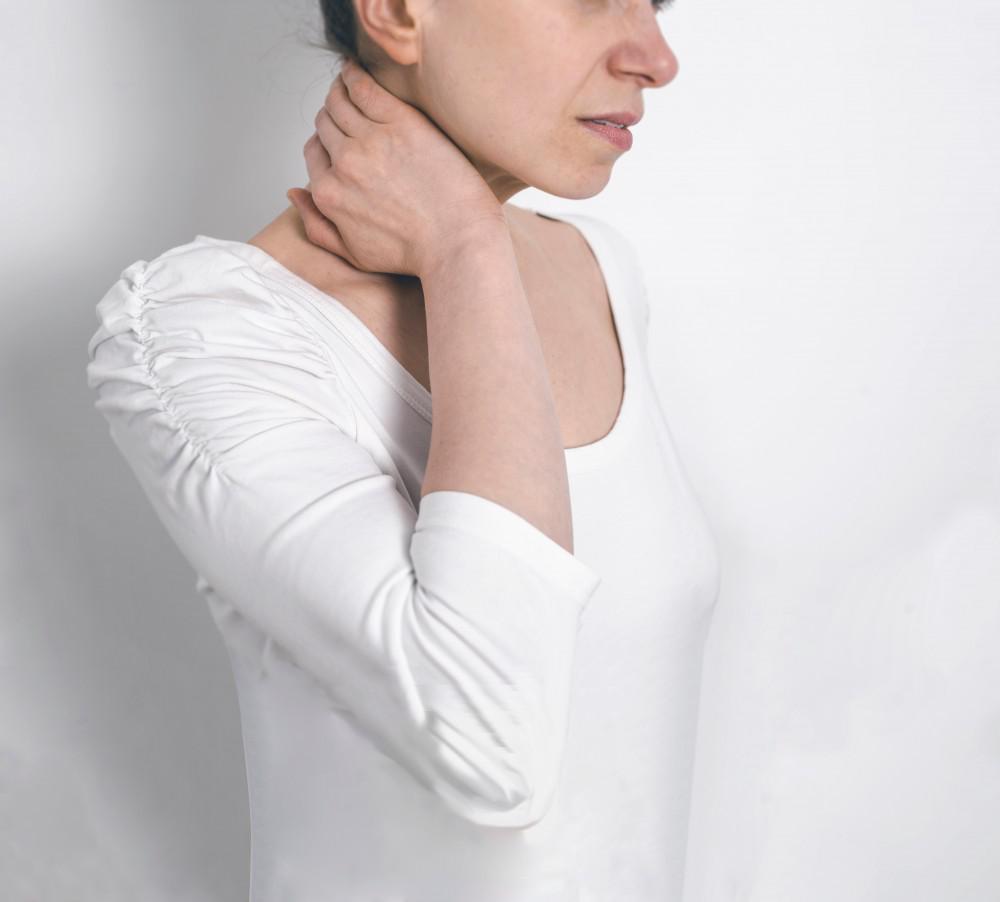
If you are currently sitting up in bed wondering how to stop a headache at night so I can sleep, there are both immediate and long-term strategies you can employ. For immediate nighttime headache relief, many people find that temperature therapy works wonders. A cold compress applied to the forehead or the back of the neck can constrict blood vessels and dull the sensation of pain.
For those dealing with nocturnal cluster headaches, traditional over-the-counter painkillers often work too slowly to be effective. In clinical settings, high-flow oxygen is considered the gold standard for stopping a cluster attack in its tracks. Additionally, since low melatonin levels and nighttime cluster headaches are closely linked, some doctors recommend high-dose melatonin (under medical supervision) to help reset the hypothalamus and prevent the attacks from occurring.
Lifestyle changes to prevent headaches while sleeping
Preventing the pain before it starts is always the preferred route. Focus on improving your sleep hygiene by keeping a strict schedule. Going to bed and waking up at the same time every day—even on weekends—helps stabilize your circadian rhythm. You should also look at your bedroom environment. It should be a sleep sanctuary: cool, dark, and quiet.
Stress management is another pillar of prevention. High cortisol levels in the evening are a recipe for tension. Practicing relaxation techniques like "Legs up the wall" yoga or deep breathing exercises before bed can signal to your nervous system that it is time to downshift. This reduces the muscle tension that leads to those vise-like headaches.

Finally, take a look at your hydration. Dehydration is a frequent trigger for migraines and tension pain. Try to sip water throughout the day, but taper off your intake an hour before bed to avoid middle-of-the-night bathroom trips that disrupt your sleep cycles.
Red Flags: When Night Headaches Require Emergency Care
While most nighttime headaches are manageable with lifestyle changes or standard treatments, some symptoms require immediate medical attention. It is important to know when your pain is more than just a disruption of sleep.
Emergency Red Flags Checklist
- Thunderclap Onset: A headache that reaches maximum intensity within seconds or minutes.
- New Pattern: A sudden change in the frequency or severity of headaches, especially if you are over 50.
- Neurological Symptoms: Confusion, weakness, numbness, or changes in vision.
- Systemic Symptoms: Fever, stiff neck, or a rash accompanying the headache.
- Triggered by Movement: Pain that significantly worsens when you cough, sneeze, or change positions.
If you experience any of these, do not wait until morning. Seek emergency care immediately, as these can be signs of more serious underlying conditions like a stroke, aneurysm, or infection.
FAQ
What causes headaches only at night?
Nighttime-specific headaches are usually caused by the brain's internal clock or hormonal changes. When the hypothalamus experiences a disruption, it can trigger pain cycles. Other causes include sleep apnea, which limits oxygen, or bruxism, where you clench your jaw during sleep.
When should I worry about nighttime headaches?
You should be concerned if the headache is the worst you have ever felt, if it comes on suddenly like a thunderclap, or if it is accompanied by a fever and stiff neck. Additionally, if you are over 50 and start experiencing new nighttime pain, it is time for a professional evaluation.
How can I stop headaches at night?
To stop a headache, try using a cold compress and practicing relaxation techniques. For long-term relief, improve your sleep hygiene, use an ergonomic pillow, and avoid blue light from screens for at least an hour before bed.
What is a hypnic headache?
A hypnic headache is a rare disorder that exclusively occurs during sleep, usually at the same time every night. It is often called an alarm clock headache and primarily affects people over the age of 50. It is rare, affecting less than 1% of the population.
Can sleep apnea cause headaches at night?
Yes, sleep apnea is a frequent cause of nighttime and early morning headaches. When your breathing stops, your oxygen levels drop and carbon dioxide builds up, which causes the blood vessels in your brain to swell and trigger pain.
Are cluster headaches worse at night?
Cluster headaches are notoriously frequent at night. They often strike one to two hours after you fall asleep, coinciding with the REM sleep cycle. The intensity of the pain is usually severe enough to wake a person from a deep sleep.
Actionable Next Steps
Living with night headaches is exhausting, but you do not have to suffer in silence. Start by keeping a detailed headache diary. Note the exact time the pain starts, what you ate that evening, how much screen time you had, and where exactly the pain is located. This information is invaluable for a doctor or a sleep specialist. If your pain persists despite making lifestyle changes, schedule a consultation to discuss chronobiology-based treatments. Restful sleep is possible, and finding the right fix starts with understanding your body's unique rhythm.