Quick Facts
- Ideal Temperature: Maintain a range of 16–19°C (60–67°F) to facilitate the body’s natural core temperature drop for peak deep sleep.
- Caffeine Cutoff: Stop caffeine intake 8 hours before your target bedtime to ensure adenosine receptors are clear.
- Digital Detox: Engage in a digital detox 60 to 90 minutes before sleep to prevent melatonin suppression.
- Skin Recovery: Optimized restorative rest can lead to up to an 18% improvement in skin elasticity and moisture retention.
- Key Supplements: Magnesium glycinate and magnesium threonate are the gold standards for evening sleep routine optimization.
- Light Strategy: Use red light therapy in the evening to mimic the sunset and support the circadian rhythm.
To optimize your evening sleep routine, maintain a consistent bedtime and set your bedroom temperature between 16 and 19 degrees Celsius. Implementing a digital detox at least 60 to 90 minutes before sleep prevents blue light from suppressing melatonin production, allowing your circadian rhythm to transition naturally into a restorative state.
Section 1: The Environmental Audit - Setting the Stage for Rest
Most people treat their bedroom as a multi-purpose room, but from a biohacking perspective, it should be a cave: cool, dark, and quiet. The most critical factor in your environmental audit is thermodynamics. Your body needs to drop its core temperature by about one to two degrees to initiate and maintain sleep. Research has shown that over 34,000 participants experienced a decline in sleep quality and efficiency once bedroom temperatures exceeded 16 degrees Celsius. By keeping the ideal bedroom temperature for deep sleep cycles within the 16-19°C range, you are physically signaling to your brain that it is time to enter a state of deep recovery.
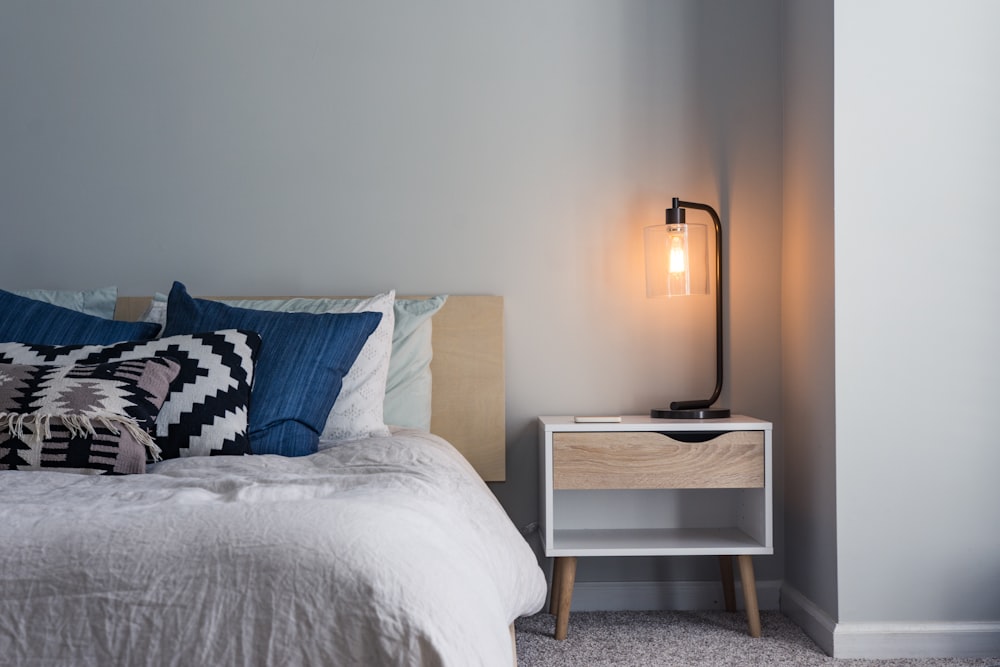
Light pollution is the second major hurdle. Even the smallest amount of ambient light from a street lamp or a standby LED on a television can interfere with the pineal gland's ability to secrete melatonin. While many people use standard blackout curtains, total light blocking is best achieved through a high-quality organic silk sleep mask. Silk provides the dual benefit of being hypoallergenic and friction-free for the skin, while ensuring that your REM sleep stages are not interrupted by external light cues.
For those looking to take their evening sleep routine to the next level, red light therapy is a game-changer. Unlike the blue light emitted by overhead LEDs and smartphone screens, red light has a lower color temperature and does not suppress melatonin. Evening blue light blocking strategies for beginners often start with blue-light-blocking glasses, but replacing your bedside bulbs with red-spectrum lighting creates a more immersive environment for melatonin production. This transition mimics the natural progression of sunset, easing the nervous system from the high-alert state of the day into the restorative rest of the night.
Section 2: The 2.5-Hour Sleepmaxxing Timeline
Consistency is the foundation of a healthy circadian rhythm. When you establish a consistent evening sleep schedule, you are essentially training your biological clock to automate the release of sleep hormones. A common mistake is trying to "force" sleep at 11:00 PM after being hyper-productive at 10:30 PM. Instead, a sleepmaxxing guide for better restorative sleep suggests a phased wind-down that begins two to three hours before lights out.
The Sleepmaxxing Protocol:
- 7:30 PM: The Final Fueling. Consume your last meal. Eating too close to bed diverts energy toward digestion rather than cellular repair, often leading to a higher resting heart rate during the night.
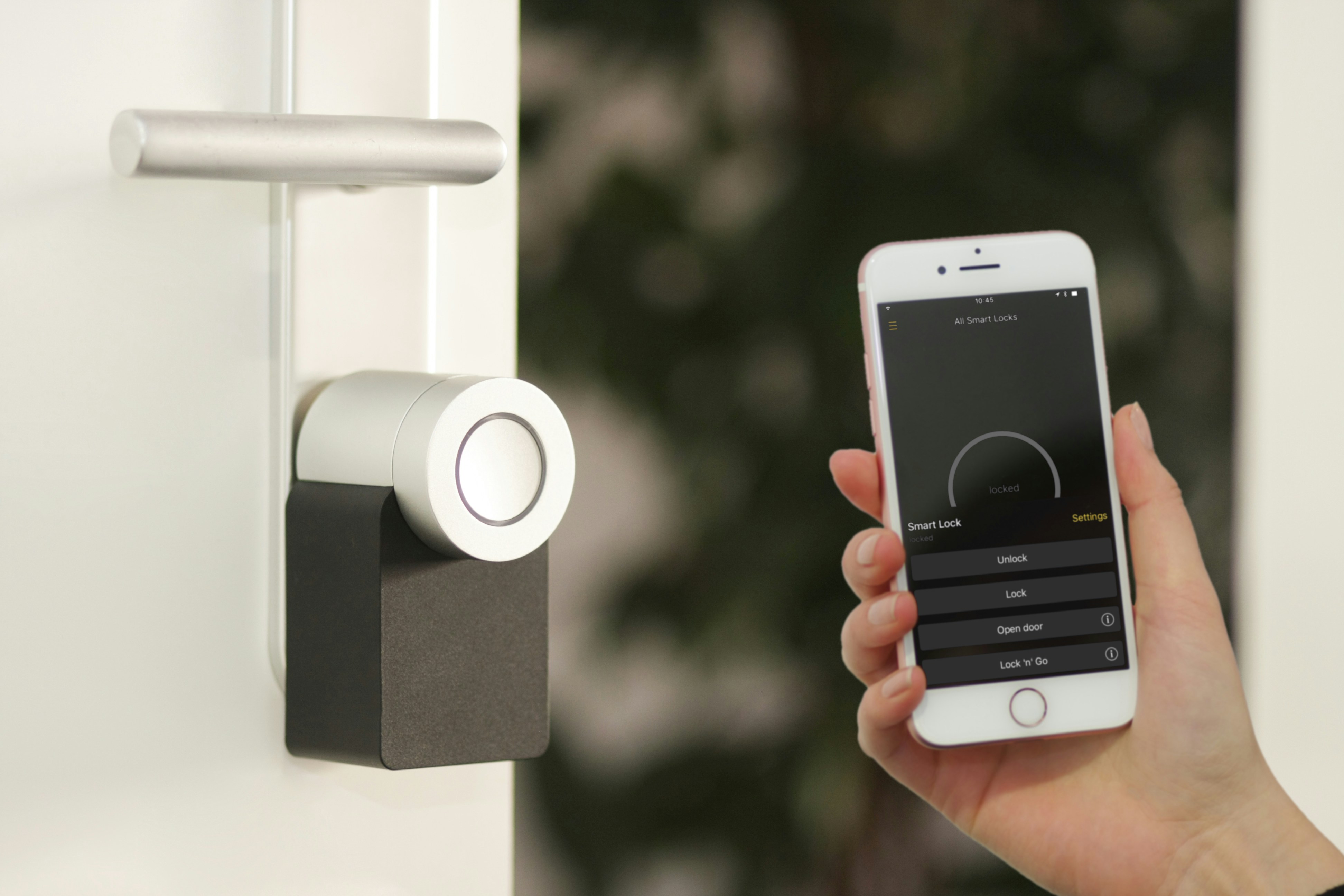
- 8:30 PM: The Digital Cutoff. This is the start of your digital detox. Research has demonstrated that a two-hour exposure to blue light from electronic devices before bed can lead to a 55 percent decrease in melatonin levels and a 1.5-hour delay in the onset of the sleep hormone.
- 9:00 PM: Sensory Transition. Lower the lights, put on your blue-light blockers, and engage in nighttime relaxation products like magnesium soaks or herbal teas (valerian or passionflower).
- 9:30 PM: Cognitive Decompression. Swap the screen for a physical book or a journaling practice to move "open loops" from your mind onto paper.
- 10:00 PM: Lights Out. The room is at 18°C, the mask is on, and the body is primed for restorative rest.

To ensure this timeline is effective, consider implementing behavioral swaps that reduce friction. The goal is to move from high-dopamine activities to low-stimulation rituals that improve sleep quality habits.
| Daytime/Evening Habit | Bio-Impact | Optimal Sleepmaxxing Swap |
|---|---|---|
| Late-night HIIT exercise | Spikes cortisol and core temp | Moderate evening exercise 1-2 hours before bed |
| Scrolling social media | Melatonin suppression | Reading a physical book or Kindle (no backlight) |
| Late-night snacking | Insulin spike / Disrupted digestion | Herbal tea (Chamomile or Reishi) |
| Checking work emails | Sympathetic nervous system activation | Brain dumping / To-do list for tomorrow |
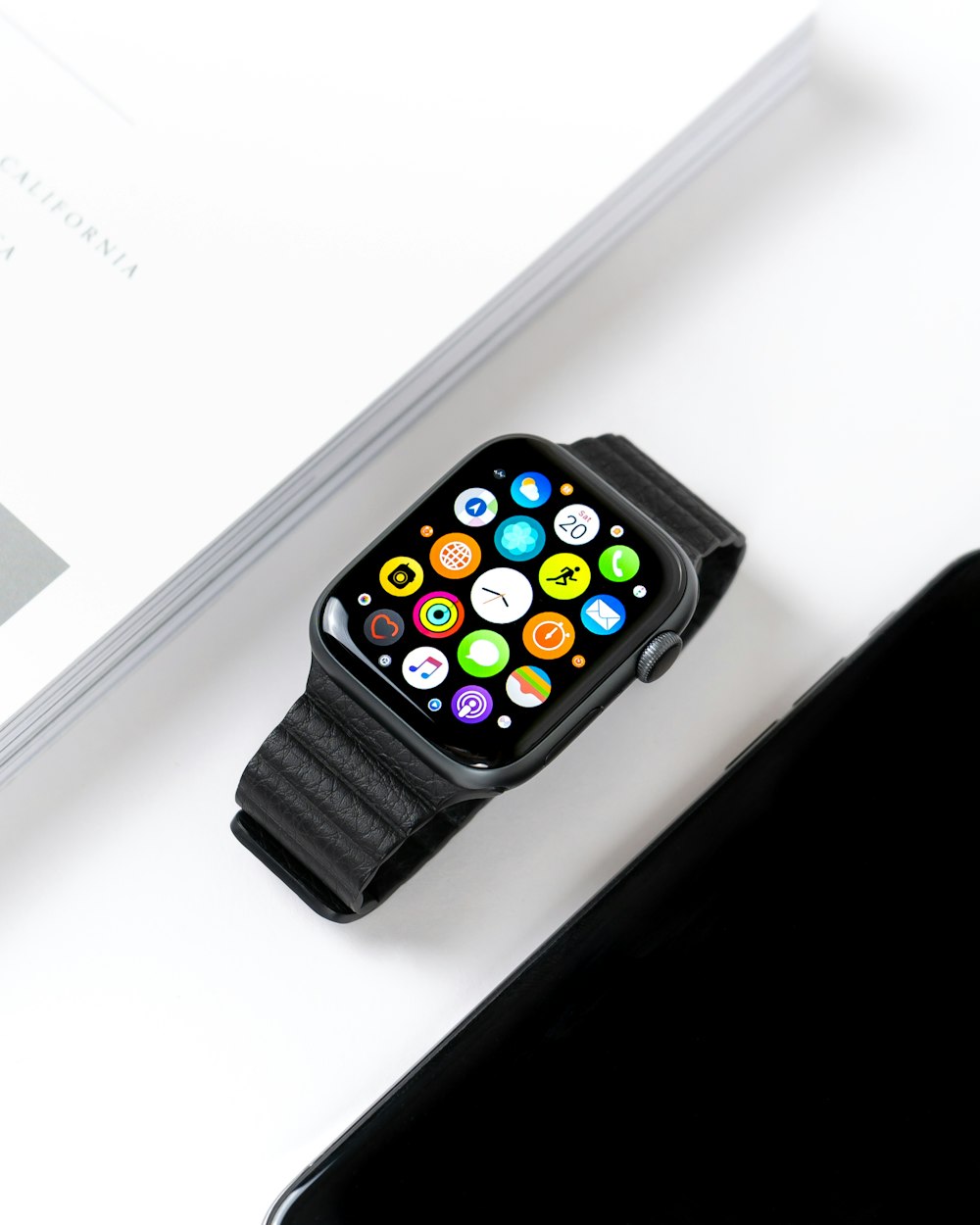
Tracking your progress is essential. Many enthusiasts use sleep tracking wearables to monitor how these changes affect their REM sleep stages and heart rate variability (HRV). Seeing the data correlate with your evening sleep routine provides the necessary motivation to stick with the protocol even on weekends. For example, a review of 23 scientific studies found that moderate-intensity exercise performed in the evening can help individuals fall asleep faster and spend more time in deep sleep, provided it is completed at least one hour before bedtime.
Section 3: Internal & External Wellness - Supplements and Skincare
While environmental changes set the stage, internal biochemistry dictates the depth of your rest. When discussing magnesium supplements for better sleep routine, it is important to distinguish between different forms. Magnesium glycinate is highly bioavailable and bound to glycine, an amino acid that has a calming effect on the brain. Magnesium threonate is another excellent choice, as it is one of the few forms capable of crossing the blood-brain barrier, directly influencing cognitive relaxation and reducing cortisol levels.
The Power of Transdermal Magnesium
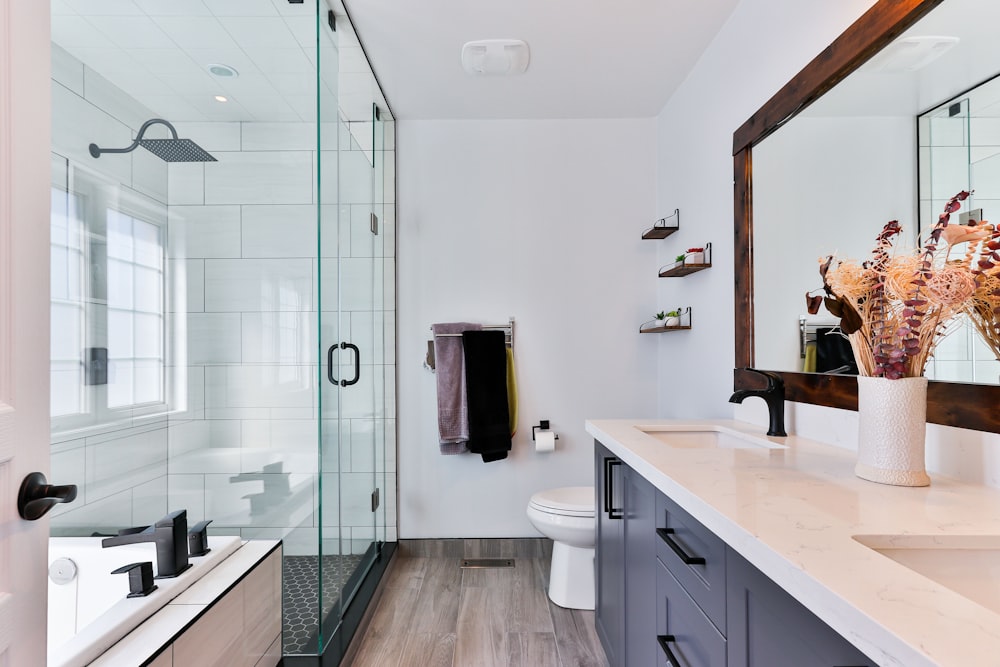
For those who prefer a ritualistic approach, magnesium bath flakes offer a dual-action benefit. A warm bath raises your skin temperature, and the subsequent rapid cooling when you exit the tub helps trigger the body's internal sleep signals. The transdermal absorption of magnesium helps soothe tired muscles and promotes parasympathetic activation, taking you out of the "fight or flight" mode. This is one of the most effective nighttime relaxation products for those with high-stress jobs.
Bedtime Skincare as a Wellness Ritual
Your evening sleep routine should also include bedtime skincare and wellness steps. During deep sleep, the skin's blood flow increases, and the body repairs UV damage and rebuilds collagen. Using a silk pillowcase is more than just a luxury; it prevents "sleep wrinkles" and ensures your expensive nighttime serums stay on your face rather than being absorbed by cotton. Look for products containing ceramides and peptides to support the skin barrier during this high-repair window.
A Note on OTC Sleep Aids
Avoid relying on antihistamine-based over-the-counter sleep aids. While they may help you "knock out," they often interfere with the quality of your REM sleep stages, leading to morning grogginess and a lack of true restorative rest. Instead, focus on building a sustainable supplement stack that works with your body's natural chemistry rather than overriding it.
Section 4: Mind-Body Decompression Techniques
Even in a perfect environment, a racing mind can keep you awake. This is where mind-body decompression becomes vital. One of the most effective tools is evening yoga nidra for sleep meditation. Often called "psychic sleep," yoga nidra is a guided practice that leads you through a body scan and breath awareness, systematically turning off the sympathetic nervous system. It is specifically designed to help you reach the hypnagogic state—the threshold between wakefulness and sleep—where the body begins its most profound healing.
Another essential practice for improving sleep quality habits is nasal breathing. Many people unknowingly mouth-breathe during the night, which leads to lower oxygen saturation and can trigger a stress response in the body. By consciously practicing nasal breathing during your wind-down period, you increase nitric oxide production and activate the vagus nerve. If you find yourself struggling with "racing thoughts" once the lights are out, the 4-7-8 breathing technique (inhale for 4, hold for 7, exhale for 8) is a scientifically-backed way to force your body into parasympathetic activation.
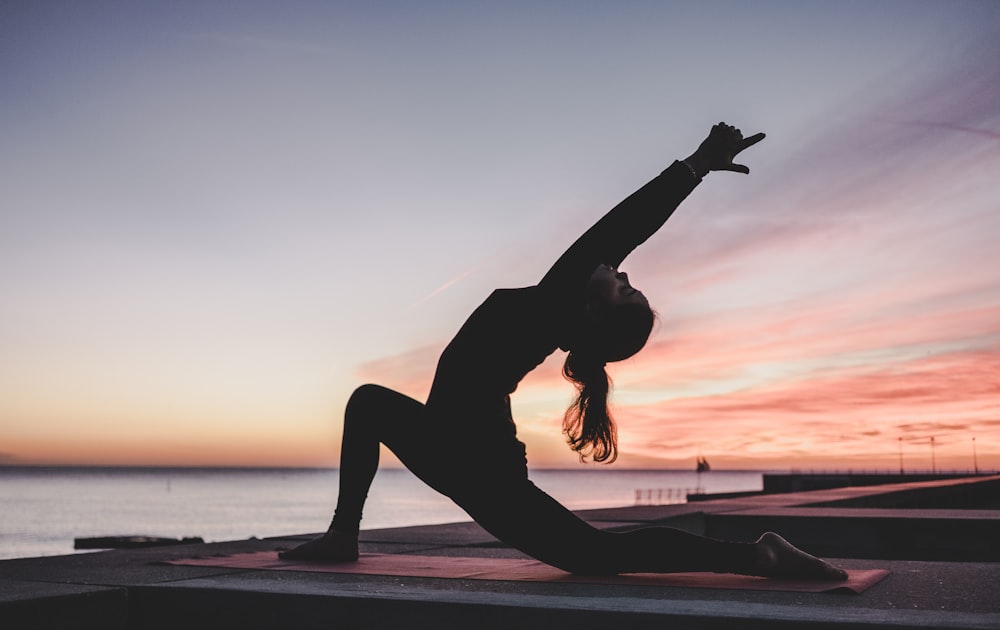
Managing cortisol levels throughout the evening ensures that by the time your head hits the pillow, your body is ready for restorative rest. Gentle movement, such as yin yoga or light stretching, can help release physical tension stored in the hips and lower back, further signaling to the brain that the day's demands are over.
FAQ
What is the best evening routine for better sleep?
The best routine is one that prioritizes consistency and biological alignment. It should include a cooling period for the body, a digital detox to protect melatonin production, and a cognitive wind-down period of at least 60 to 90 minutes. Incorporating magnesium and maintaining a bedroom temperature of 16-19°C are the most evidence-backed steps you can take.
How many hours before bed should I start my routine?
Ideally, your transition should begin about 2 to 3 hours before your target sleep time. This allows enough time for your last meal to digest, for your core temperature to begin its descent, and for your brain to shift from the high-frequency beta waves of the workday to the slower alpha and theta waves associated with relaxation.
What activities help you relax before sleeping?
Low-stimulation activities are key. Physical reading, light journaling, taking a warm bath with magnesium flakes, and practicing evening yoga nidra for sleep meditation are all excellent choices. These activities help lower cortisol levels and engage the parasympathetic nervous system without providing the dopamine spikes associated with digital entertainment.
What should I avoid doing in the evening to sleep better?
Avoid high-intensity exercise within two hours of bed, as it raises your core temperature and cortisol. You should also avoid blue light from screens, heavy or spicy meals that cause indigestion, and the consumption of alcohol, which may help you fall asleep but significantly degrades the quality of your REM sleep stages.
What temperature is best for a good night's sleep?
The scientific consensus points to a range between 16 and 19 degrees Celsius (60–67 degrees Fahrenheit). This cool environment facilitates the natural drop in body temperature required for deep, restorative rest. If the room is too warm, your body will struggle to enter the deeper stages of the sleep cycle.
Conclusion
Optimizing your evening sleep routine is not about a single "magic pill," but rather a series of small, evidence-based adjustments to your environment and behavior. By respecting your circadian rhythm through a digital detox, managing your bedroom climate, and supporting your biochemistry with the right magnesium supplements, you can unlock a level of restorative rest that transforms your daytime performance. Start tonight by simply turning your thermostat down to 18°C—your brain and body will thank you in the morning.