Quick Facts
- Survival Statistics: Research indicates that individuals who fewer than six hours per night are 4.2 times more likely to catch a cold compared to those who get seven or more hours of rest.
- Cellular Defense: Just one night of sleep restricted to four hours can reduce natural killer cell activity to an average of 72% compared to a full night of rest.
- Vaccine Efficacy: Restricting sleep to four hours for six days can result in a greater than 50% decrease in the production of antibodies following an influenza vaccination.
- The Cytokine Link: Deep sleep is the peak period for producing cytokines, the signaling proteins that coordinate the body's response against infections.
- Recovery Benchmarks: Quality sleep is defined by falling asleep in less than 30 minutes and maintaining sleep architecture that allows for sufficient slow-wave sleep.
Sleep and immunity are deeply interconnected; restorative sleep is the foundation of a healthy immune response. Research shows that during deep sleep, the body produces critical proteins called cytokines that fight infection. Sleep plays a critical role in immune function by allowing the body to reallocate energy toward pathogen defense. During deep sleep, the immune system increases the production of T-cells and signaling proteins called cytokines, which identify and destroy viruses. Consistent, high-quality rest strengthens the innate immune response and helps the body develop immunological memory for future protection.
The Molecular Connection: Cytokines and Deep Sleep
To understand how rest facilitates recovery, we must look at the microscopic messengers that govern our internal defense systems. The relationship between sleep and immunity is primarily managed through signaling proteins known as cytokines. These molecules are produced and released during sleep, specifically during the deep, non-rapid eye movement (NREM) stages. When your body is under attack from a pathogen, certain cytokines need to increase to promote an effective immune response.
During slow-wave sleep, which is the deepest phase of our sleep architecture, the brain and body enter a state of metabolic rest. This transition allows the body to shift its energy resources. Ordinarily, a significant portion of our daily energy budget is spent on physical movement and cognitive processing. However, during deep sleep, this energy is redirected toward the immune system. This energy reallocation is vital because mounting an immune response—such as developing a fever or producing mass quantities of leukocytes—is an incredibly "expensive" biological process.
When we experience sleep loss, even for a single night, the production of these protective cytokines can be severely hindered. This lack of rest triples IL-6 mRNA levels, which signals a state of systemic inflammation. Unlike the healthy, acute inflammation used to heal a wound, chronic systemic inflammation acts as a slow-moving drain on your health, eventually weakening the very defenses meant to protect you. Without enough slow-wave sleep, the immune system becomes less efficient at identifying invaders, leaving the door open for recurring infections.
The impact of how deep sleep stages produce cytokines for recovery cannot be overstated. While you are unconscious, your body is effectively performing a "system update." It is during this time that the body builds its immunological memory. By recognizing the signatures of viruses encountered during the day, the immune system uses the quiet hours of the night to record these threats. This ensures that the next time you are exposed to the same pathogen, your adaptive immunity can respond with surgical precision.
Sleep Stages vs. Immune Functions
| Sleep Stage | Primary Immune Action | Biological Mechanism |
|---|---|---|
| NREM Stage 1 & 2 | Initial energy transition | Heart rate slows, preparing for metabolic shift. |
| NREM Stage 3 (Deep) | Peak cytokine production | Energy redirected to pathogen defense and tissue repair. |
| REM Sleep | Neuro-immune regulation | Balancing stress hormones like cortisol to prevent inflammation. |
| Full Cycle | Homeostasis | Maintaining the balance between immune activation and rest. |
Defensive Strength: T-Cells and Vaccine Effectiveness
The strength of your immune system is not just about the proteins it produces; it is also about the specialized cells that do the heavy lifting. T-cells are a type of white blood cell that plays a central role in the immune response. They are responsible for identifying and directly attacking virus-infected cells. However, for a T-cell to be effective, it must be able to "stick" to its target. Research suggests that sleep enhances the "stickiness" or integrin activation of T-cells, allowing them to bind more effectively to infected cells.
When we discuss restorative sleep for illness recovery, we are looking at how rest optimizes T-cell function. In a state of chronic sleep deprivation, the body’s cortisol levels remain elevated. Cortisol, the primary stress hormone, is known to suppress immune function. High levels of cortisol inhibit the ability of T-cells to function correctly, essentially "blunting" the weapons of your immune system. This is why the best sleep duration for recovering from common cold symptoms is often cited as at least seven to nine hours; it provides the necessary window for cortisol levels to drop and T-cell activity to peak.
The impact of chronic sleep deprivation on T-cell function is perhaps most visible in the context of vaccinations. A vaccine works by teaching the immune system how to recognize a specific pathogen without causing the disease itself. For this "lesson" to take hold, the body must produce a robust supply of antibodies. If you are sleep-deprived during the days surrounding a vaccination, your body's ability to create these antibodies is halved.
According to data tracked by health organizations, the risk of vaccine failure—where the body fails to produce a protective level of antibodies—is significantly higher in poor sleepers. In some cases, the risk of a weak immune response can be up to 11.5 times higher for those experiencing chronic sleep loss compared to healthy sleepers. By improving sleep quality for vaccine effectiveness, you are essentially ensuring that the medical intervention you received can actually do its job.
Key Takeaway: One night of four-hour sleep reduces natural killer cell activity to 72%. This highlights the immediate vulnerability created by even short-term sleep restriction.
Protocol for Power: Sleep Hygiene for Immune Support
Knowing that sleep is vital is the first step, but implementing a strategy to protect that sleep is where the real work begins. Maintaining your circadian rhythm is the most effective way to ensure your immune system stays in top shape. This internal 24-hour clock regulates when you feel alert and when you feel sleepy, and it is heavily influenced by light exposure and temperature.
To support your immune system through better rest, you should adopt a consistent sleep hygiene for immune support protocol. The goal is to maximize the time spent in deep sleep stages where recovery happens most efficiently.
- Seek Morning Sunlight: Aim for at least 15 minutes of direct sunlight shortly after waking up. This helps set your circadian rhythm by signaling to the brain that the day has begun, which in turn regulates the timing of melatonin release later in the evening.
- Establish a Temperature Drop: Your body temperature needs to drop by about two to three degrees Fahrenheit to initiate sleep. Keep your bedroom cool, ideally between 60 and 67 degrees Fahrenheit, to facilitate this natural transition.
- Limit Blue Light Exposure: In the two hours leading up to bed, minimize the use of smartphones and laptops. The blue light emitted by these devices suppresses melatonin, the hormone responsible for signaling sleep to your body.
- Maintain Consistency: Going to bed and waking up at the same time every day, even on weekends, strengthens the sleep-wake cycle and improves the overall quality of your sleep architecture.
- Optimize the Wind-Down: Spend 30 minutes before bed engaging in low-stimulation activities, such as reading a physical book or practicing gentle stretching. This helps lower cortisol levels.
By optimizing bedtime routines for immune system strength, you are not just sleeping more; you are sleeping better. Quality is just as important as quantity. If your sleep is fragmented by noise, light, or caffeine consumed too late in the day, you may miss out on the vital slow-wave sleep required for tissue repair and cytokine production.
FAQ
How does sleep affect your immune system?
Sleep acts as a regulatory period where the body shifts energy from cognitive and physical tasks to the immune system. During this time, the body increases the production of cytokines and enhances the ability of T-cells to adhere to and destroy infected cells. Without sufficient sleep, the immune response becomes sluggish and less effective.
Can lack of sleep make you more likely to get sick?
Yes, there is a direct correlation between sleep duration and susceptibility to illness. Studies have shown that people who sleep fewer than six hours a night are over four times more likely to develop a cold when exposed to a virus compared to those who sleep seven hours or more. Lack of sleep also reduces the activity of natural killer cells, which are the body's first line of defense against infections.
How many hours of sleep are needed for optimal immunity?
For most adults, the best sleep duration for recovering from common cold risks and maintaining daily health is between seven and nine hours of high-quality, uninterrupted rest. This duration allows the body to complete multiple sleep cycles, ensuring enough time is spent in the deep NREM stages required for immune maintenance.
Does sleeping more help you recover from an illness faster?
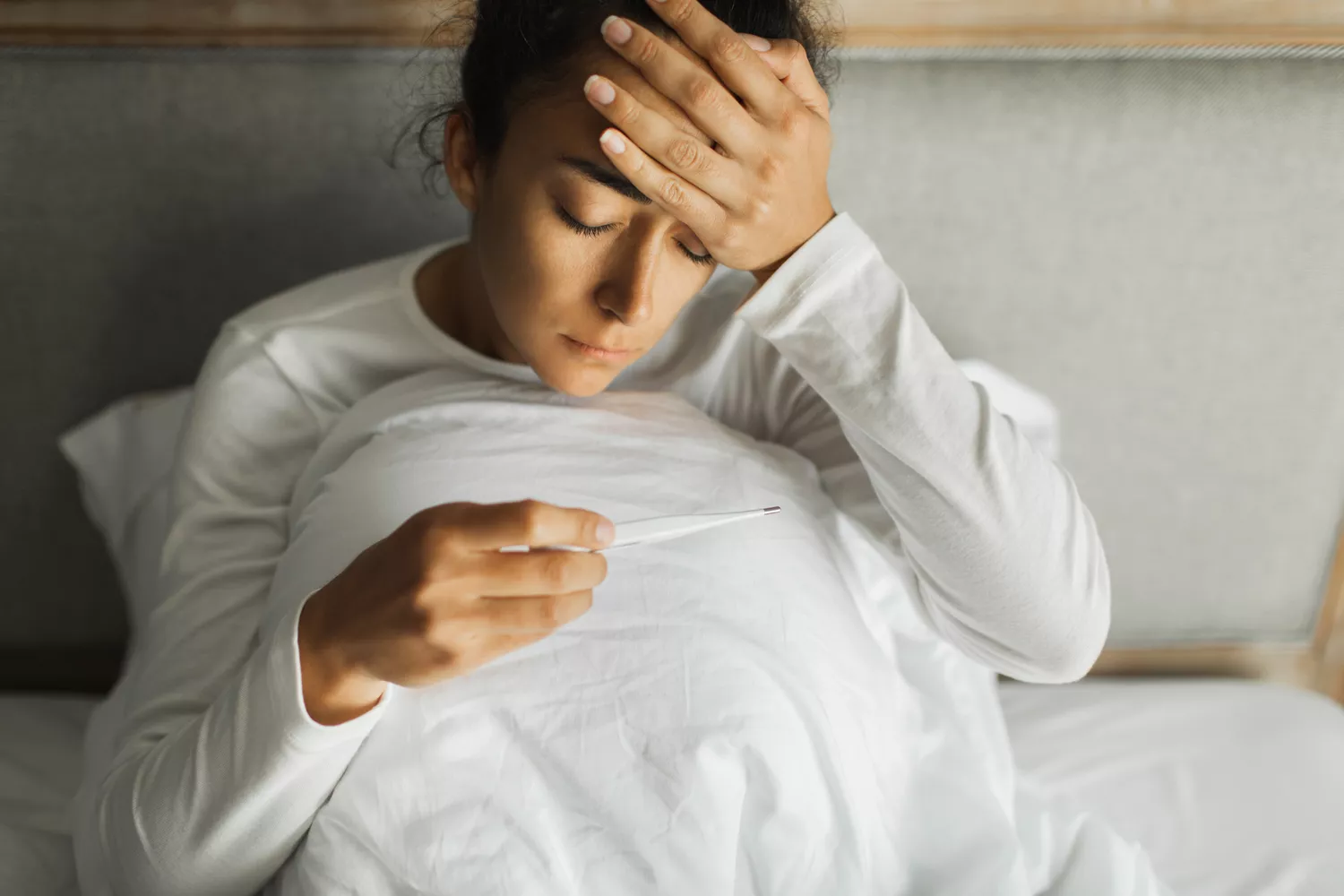
Yes, when you are sick, the immune system signals the brain to increase the need for sleep. This is why you feel lethargic when you have a fever. By sleeping more, you allow your body to dedicate all available energy to fighting the pathogen, which can shorten the duration of the illness and reduce the severity of symptoms.
What is the link between deep sleep and immune health?
Deep sleep, or slow-wave sleep, is the specific stage where the immune system is most active. During this phase, the production of pro-inflammatory cytokines increases to support the immune response. Deep sleep is also when the body consolidates immunological memory, helping the adaptive immune system recognize and fight future threats more effectively.
How does sleep deprivation impact vaccine effectiveness?
Sleep deprivation can lead to a greater than 50% decrease in antibody production following a vaccination. If the body is rested, it can effectively learn from the vaccine and create a strong defense. However, without enough sleep, the body fails to create a robust immune "memory," making the vaccine much less effective at providing long-term protection.