Quick Facts
- Core Stat: A global study found that 55% of adolescents expressed dissatisfaction with their bodies, a figure that trends upward alongside increased social media screen time.
- The Theory: Self-discrepancy theory explains how social media creates a painful gap between your actual physical self and the unattainable digital ideal you see on screen.
- Critical Threshold: Research suggests that spending more than 2 hours daily on visually-heavy social platforms significantly correlates with increased risks of body dissatisfaction.
- Recovery Timeline: According to the American Psychological Association, reducing social media usage by 50% can show measurable improvements in body image in as little as three weeks.
- Strategic Shift: Moving from a mindset of body positivity to body neutrality helps reduce the pressure of aesthetic performance and focuses on what your body can do rather than how it looks.
- Key Mechanism: Upward social comparison with peers is often more psychologically damaging than comparing oneself to celebrities because peer success feels more achievable yet remains digitally filtered.
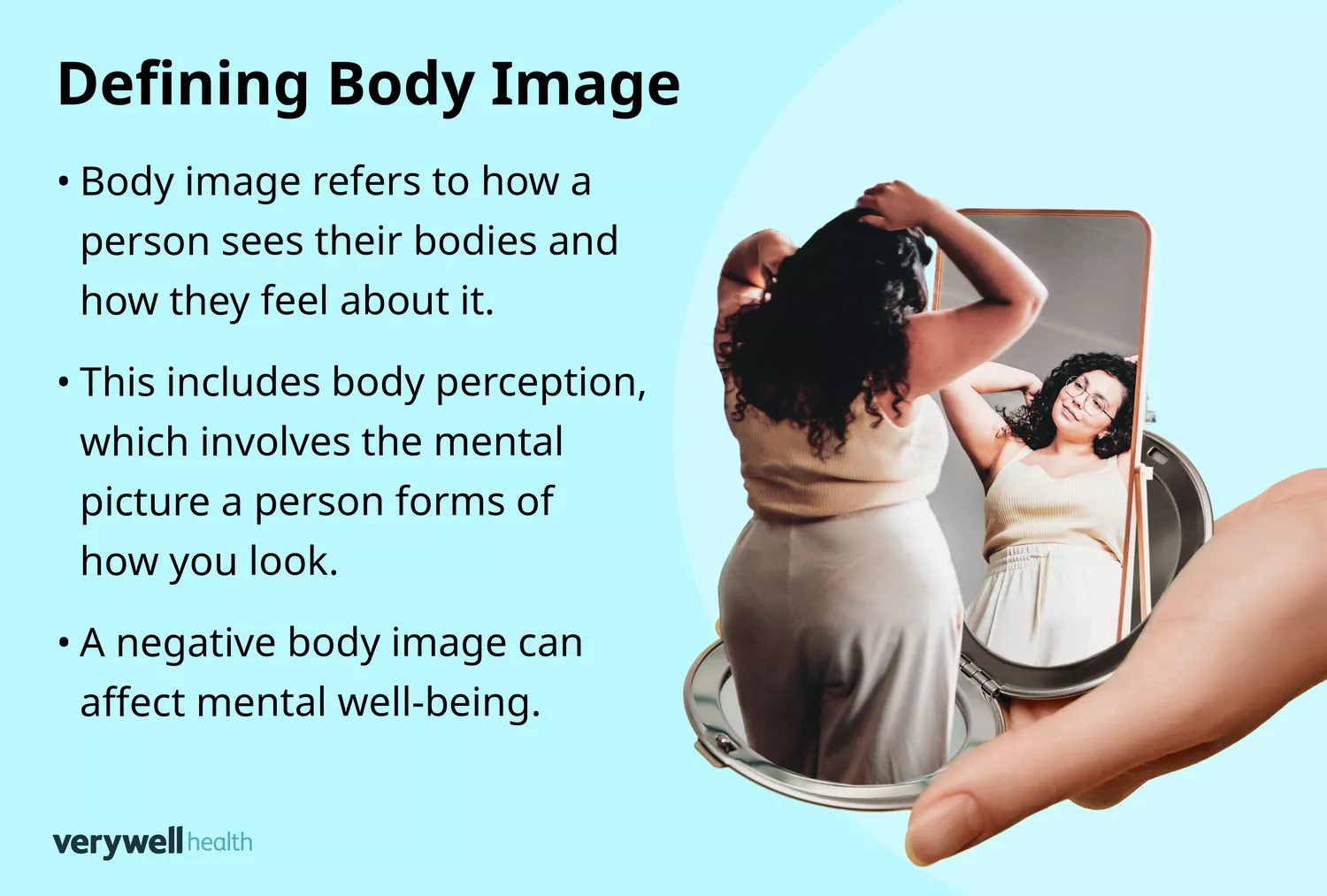
Your social media body image is shaped by a constant stream of curated content that often prioritizes unrealistic beauty standards. This impact occurs primarily through upward social comparison and the thin-ideal internalization, where users subconsciously adopt narrow standards of attractiveness. The persistent exposure to these filtered images creates a sense of self-discrepancy, leading to higher levels of body dissatisfaction and potential mental health challenges.
The Psychology of the Scroll: Why We Compare
The human brain is wired to seek social standing, but the digital age has hijacked this evolutionary trait. When you scroll through your feed, you are essentially engaging in a high-speed visual comparison. Unlike text, images are processed almost instantaneously by the emotional centers of the brain. This creates a visual trigger effect where you don't just see an image; you feel a reaction to it.
One of the most potent psychological mechanisms at play is upward social comparison. This happens when you compare yourself to someone you perceive as "better" or more successful in a specific area—in this case, physical appearance. Interestingly, research shows that comparing yourself to peers or influencers who seem "just like you" is often more damaging than comparing yourself to high-level celebrities. Because a peer's life feels more attainable, the gap between their filtered reality and your everyday life feels like a personal failure rather than a difference in resources.
This cycle is often fueled by algorithm reinforcement. Platforms are designed to keep you engaged, and if you spend time looking at fitness transformations or beauty tutorials, the algorithm will serve you more of the same. Over time, this creates an echo chamber of narrow beauty standards, reinforcing the thin-ideal internalization and leading to self-objectification, where you begin to view your own body as an object to be evaluated and improved rather than a living, breathing vessel for your life.
Red Flags: Signs Your Feed is Hurting You
It is easy to dismiss a bad mood as "just a bad day," but if your digital habits are consistently making you feel worse about yourself, it is time to look at the signs your social media feed is hurting your body image. Recognizing these red flags is the first step toward reclaiming your digital well-being.
- The Post-Scroll Slump: Feeling a sudden drop in confidence, mood, or energy immediately after closing an app.
- Obsessive Checking: Frequently checking your reflection or "body checking" (pinching skin, measuring parts of the body) after seeing specific content.
- Filtering Reality: Feeling unable to post a photo without using filters or editing apps to hide perceived flaws.
- Digital Burnout: Feeling exhausted by the constant need to perform or present a perfect version of yourself online.
- The Comparison Loop: Identifying social media comparison triggers for body image where you find yourself scrolling through a specific person's profile to "see how you measure up."
For some, these behaviors can escalate into body dysmorphia, where the preoccupation with perceived physical flaws becomes so intense that it interferes with daily life. If you find yourself avoiding social situations because you don't look like your online persona, or if your self-worth is entirely tethered to the engagement on your photos, your relationship with social media has become toxic.
Therapist-Backed Tip: Practice neutral curiosity. When you feel a negative emotion after seeing a post, ask yourself: "What about this specific image triggered me?" Labeling the trigger—whether it’s a specific lighting trick, a pose, or a product being sold—strips the image of its power over your self-esteem.

From Comparison to Curiosity: Curation Strategies
The most effective way to protect yourself isn't necessarily to delete every app, but to master the art of curating social media feed content. You are the editor-in-chief of your digital experience. If your current feed feels like a minefield of insecurities, it is time for a strategic overhaul.
Mastering the Unfollow Habit
Start with a radical audit. Go through your "Following" list and honestly evaluate how each account makes you feel. If an account consistently triggers feelings of inadequacy, unfollow them immediately. This includes fitness influencers whose "motivation" feels like shaming, or acquaintances whose posts make you feel like your life—and your body—isn't enough.
Switching to Body Neutrality
While body positivity is a noble goal, it can sometimes feel like another performance—forcing yourself to love your body every second. Instead, consider switching to body neutrality on social media. Body neutrality focuses on what your body does (strength, breathing, movement) rather than how it looks. Follow accounts that celebrate functional fitness, diverse hobbies, or academic interests. By diversifying your feed, you remind your brain that a human being is more than just an image.
Building Visual Literacy
Learn to spot the filtered reality. Many of the images that trigger our insecurities are products of professional lighting, specific angles, and digital manipulation. Developing visual literacy means recognizing that the "perfect" skin or "flat" stomach you see is often an algorithm-friendly construction. Understanding how to curate a body positive social media feed involves seeking out creators who show the "behind the scenes" of their photos, revealing the bloating, the stretch marks, and the reality of a body in motion.
Daily Habits for Digital Well-Being
Improving your self-perception requires more than a one-time audit; it requires improving body image habits that you practice every single day. Small, consistent shifts in how you use technology can lead to profound changes in your mental health.
The American Psychological Association has found that reducing social media use by approximately 50% can lead to significant improvements in how young adults regard their appearance in just three weeks. This doesn't mean you have to go cold turkey, but it does mean setting boundaries.
The 2-Hour Rule: Data suggests that the risk to mental health and body satisfaction increases significantly once daily screen time on visual platforms exceeds 120 minutes. Set a system timer on your phone to lock these apps once you've hit your limit.
Daily Habits to Improve Body Image After Scrolling
If you find yourself caught in a comparison trap, use these recovery strategies:
- The Physical Grounding: Put the phone down and do something physical that isn't about appearance—stretch, go for a walk, or wash your face. This reconnects you to the physical sensation of being in your body.
- Contextualizing: Remind yourself that you are looking at a highlight reel, not a documentary.
- Strategic Detoxification: If you are feeling particularly vulnerable, know how to take a social media break for body image. This might mean a "Screen-Free Sunday" or deleting apps for a full week to reset your baseline.
A study of more than 21,000 youth published by the University of Waterloo found that 55% of adolescents expressed dissatisfaction with their bodies, emphasizing that this is a systemic issue, not a personal failing. By adopting daily habits to improve body image after scrolling, you are actively resisting a culture that profits from your insecurity.

FAQ
How does social media influence body image?
Social media influences body image through the constant delivery of highly edited, idealized images that promote narrow beauty standards. Through the psychological process of upward social comparison, users compare their unfiltered, real-life appearance to the curated digital highlights of others. This often leads to the internalization of the thin-ideal and increases the gap between a person's actual self and their perceived digital ideal, resulting in higher body dissatisfaction.
What are the signs that social media is affecting your body image?
Key signs include feeling a sense of inadequacy or depression after using social apps, an obsession with physical flaws that were previously ignored, and the frequent use of filters to "fix" your appearance before posting. You might also notice a drive for unrealistic beauty standards or symptoms of digital burnout, where the pressure to maintain a specific online aesthetic feels overwhelming or exhausting.
How can I improve my body image while using social media?
Improving your body image involves active curation and boundary setting. You should unfollow accounts that trigger negative self-talk and instead follow content that promotes body neutrality and diverse physical representations. Developing visual literacy to recognize edited content and setting strict time limits on app usage can also help reduce the psychological impact of algorithm-driven comparisons.
What are the negative effects of social media on self-esteem?
The negative effects often stem from self-objectification, where individuals begin to value themselves based on external approval and digital engagement like likes and comments. Constant comparison can lead to a persistent feeling of being "less than," which contributes to broader issues such as anxiety, social withdrawal, and a diminished sense of self-worth that extends beyond physical appearance into other areas of life.
How can social media lead to body dissatisfaction?
Social media leads to body dissatisfaction by creating a self-discrepancy—a psychological tension between your real self and the "ideal" self presented by influencers and peers. Because the algorithm prioritizes visually perfect content, users are repeatedly exposed to unrealistic standards. When users cannot meet these unattainable goals in real life, it often results in a negative self-perception and can even trigger disordered eating patterns or body dysmorphia.
Taking the Next Step
Your relationship with your body is the longest and most important relationship you will ever have. Social media is a tool, and like any tool, it can be used to build you up or tear you down. If you find that despite your best efforts at curating your feed, you still struggle with persistent negative thoughts or symptoms of body dysmorphia, do not hesitate to seek professional help. Therapists specializing in digital well-being can provide tailored strategies to help you disconnect from the digital ideal and reconnect with your authentic self.
Audit your following list today. Remove the noise, embrace body neutrality, and remember that your worth is not a metric that can be measured in pixels or likes.