Quick Facts
- The 3-3-3 Rule: If you have difficulty sleeping at least 3 nights per week for a period of 3 months or longer, you may be dealing with chronic insomnia disorder.
- Prevalence: Approximately 10% of the adult population suffers from chronic insomnia, while roughly 30% to 35% of adults experience occasional or short-term insomnia symptoms.
- Top Trigger: According to the American Academy of Sleep Medicine, 74% of Americans report that stress causes them to experience disrupted sleep.
- Mental Health Link: Research indicates that depression is comorbid with insomnia in approximately 75% of cases, creating a challenging cycle of mental health and sleep issues.
- Ideal Environment: To support the body’s natural cooling process, the bedroom temperature should ideally be kept between 60–67°F.
- Eating Window: Experts recommend finishing your last heavy meal at least 3 hours before bed to prevent digestive issues from waking you up.
Common insomnia causes often stem from a combination of lifestyle habits, environmental factors, and underlying biological triggers. For many, consuming caffeine or alcohol late in the day, engaging in high-stimulus activities like evening screen time, and maintaining an irregular sleep schedule can disrupt the body’s natural sleep-wake homeostasis. These behaviors interfere with melatonin production and increase sleep latency, making it difficult to fall or stay asleep.
Lifestyle Habits: The Daily Triggers for Sleeplessness
When we examine common insomnia causes, the first place we usually look is the daily routine. Our modern lifestyle often runs counter to our biological needs. For instance, the timing of your morning coffee matters more than you might think. Caffeine has a half-life of about five to six hours, meaning if you have a cup at 4:00 PM, half of that stimulant is still buzzing in your system at 10:00 PM. This lingering caffeine increases sleep latency periods, making you toss and turn long after you have turned out the lights.
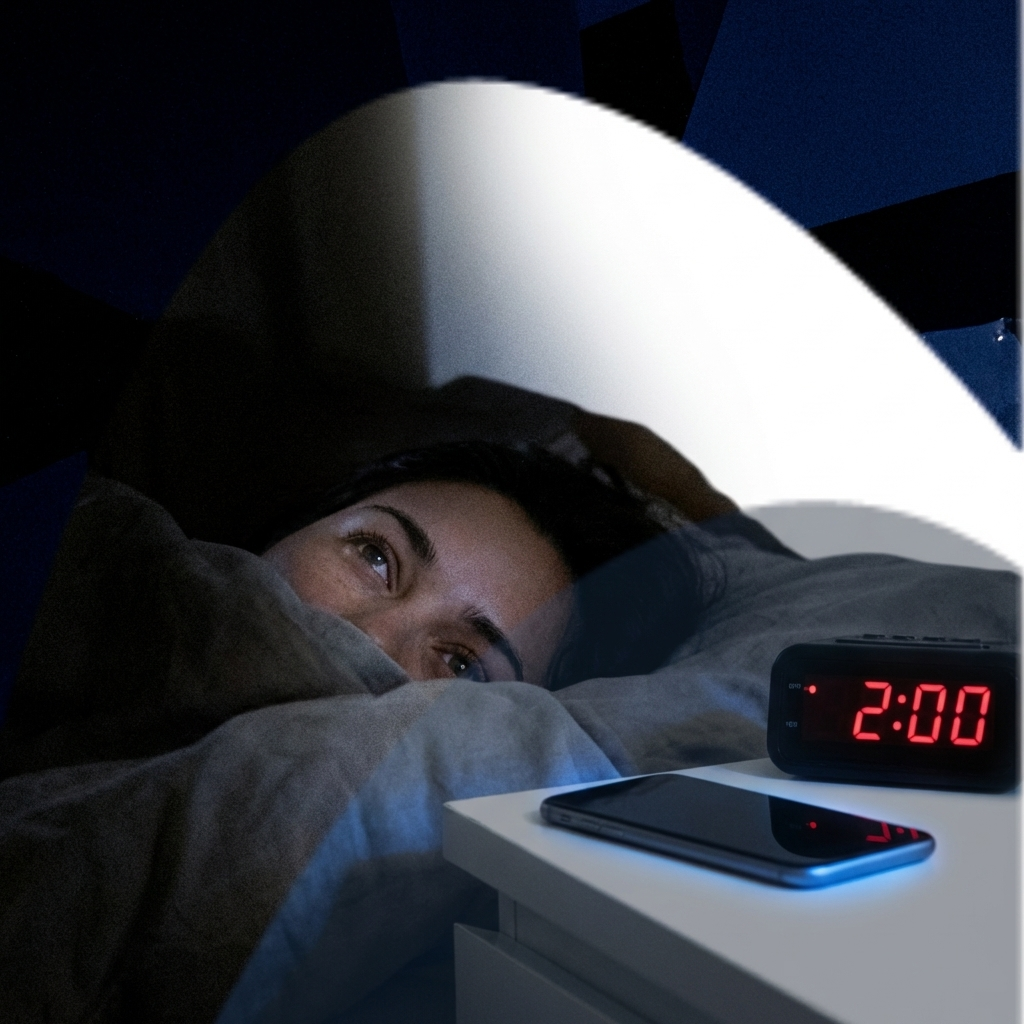
Another major factor is the impact of evening screen time on falling asleep. The blue light emitted by smartphones, tablets, and laptops mimics sunlight, which tricks the suprachiasmatic nucleus—the part of the brain that controls your internal clock. This leads to melatonin suppression, delaying the signal to your brain that it is time to rest. Beyond the light itself, the content we consume often triggers a cortisol dysregulation. Checking work emails or scrolling through stressful news stories can put your brain in a state of high alert right when it should be powering down.
Dietary triggers that lead to nighttime awakenings are also frequently overlooked. Large, spicy, or acidic meals consumed close to bedtime can cause gastrointestinal reflux, which might not wake you up fully but can pull you out of restorative deep sleep. Adhering to sleep hygiene practices, such as the three-hour pre-bed eating window, allows your body to focus on repair rather than digestion during the night.

Environmental Sleep Disruptions: Why Your Bedroom Setting Matters
Your bedroom should be a sanctuary for rest, but for many, it is full of environmental sleep disruptions. Light pollution is a primary offender. Even a small amount of light from a streetlamp or an electronic device can interfere with the quality of your rest. This is because your skin and eyes have receptors that are highly sensitive to even dim light, which can hinder the transition into REM sleep architecture.
Temperature also plays a vital role. As evening approaches, your core body temperature naturally drops to signal the start of the sleep cycle. If your room is too warm, your body struggles to reach this lower thermal set point, leading to physical discomfort factors affecting sleep quality. Keeping your thermostat in the low to mid-60s (Fahrenheit) is one of the simplest ways to assist your body’s cooling process.
Noise is the other side of the environmental coin. Sudden sounds can trigger a startle response, while consistent low-level noise—like a buzzing refrigerator or traffic—can prevent you from entering the deeper stages of sleep. Using white noise machines or blackout curtains can help mitigate these external factors, ensuring that your physical environment supports rather than hinders sleep-wake homeostasis.
The Biological Battle: Circadian Rhythms and Substance Use
Sometimes, the reason you can’t sleep isn't about what you did today, but rather the state of your internal clock. Managing jet lag and circadian rhythm disruptions is a common challenge for frequent travelers and those with shift work disorder. When your internal timing is out of sync with the external light-dark cycle, your brain attempts to release melatonin at the wrong times, leading to a persistent state of fatigue during the day and alertness at night.
Substance use also plays a deceptive role in insomnia symptoms. Many people use a "nightcap" to help them fall asleep faster, but the reality of how alcohol and nicotine disrupt sleep cycles is quite different. While alcohol may decrease the time it takes to fall asleep, it significantly degrades the quality of the second half of the night. As the body metabolizes the alcohol, it creates a rebound effect that causes frequent awakenings and prevents the body from achieving sufficient REM sleep. Similarly, nicotine is a stimulant that can raise your heart rate and keep you in a light stage of sleep, leading to lifestyle habits that cause chronic sleep loss over time.
Medical and Psychological Roots: Beyond Your Control?
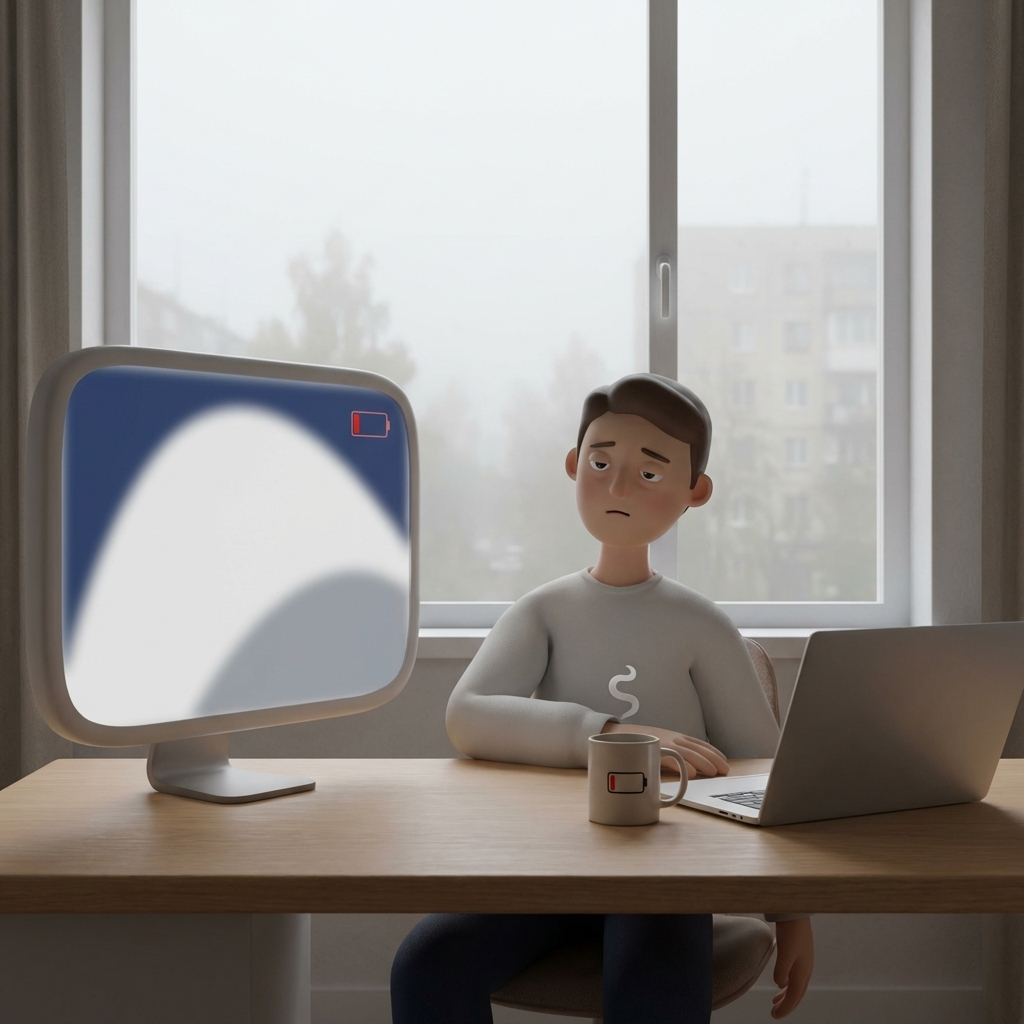
For many, the root of sleeplessness is more deeply seated in physical or mental health. Stress and anxiety are the most reported reasons for lost sleep, with 68% of Americans citing anxiety as a specific cause. This often leads to a hyperarousal state, where the mind is constantly scanning for threats or ruminating on problems, making it physiologically impossible to relax into sleep.
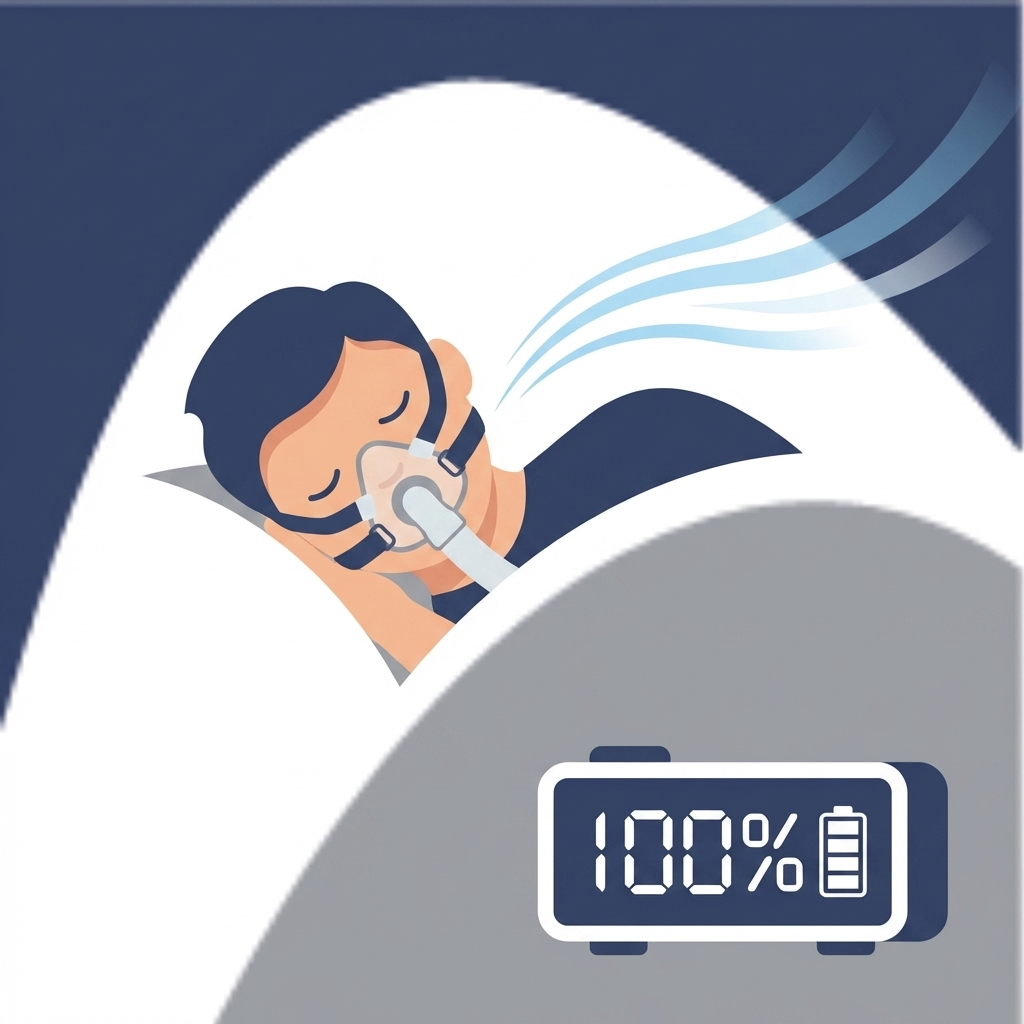
Physical health conditions are equally significant. Obstructive sleep apnea is a serious condition where breathing repeatedly stops and starts, causing the brain to wake the body up to gasp for air. Restless legs syndrome, characterized by an uncontrollable urge to move the legs, usually peaks in the evening, making the onset of sleep nearly impossible. Furthermore, chronic pain from conditions like arthritis or fibromyalgia can make it difficult to find a comfortable position, leading to frequent nighttime awakenings.
Mental health and sleep have a bidirectional relationship. While insomnia can make you more vulnerable to mood disorders, conditions like depression are highly linked to sleep disturbances. In fact, 75% of people with depression also experience insomnia symptoms. Addressing the mental health component is often the key to unlocking better sleep.
Medication Stealers: When Your Treatment Prevents Rest
Ironically, the very things we take to feel better can sometimes be the common medications that cause insomnia symptoms. From blood pressure medication to common cold relievers, the side effects of pharmaceuticals can wreak havoc on your sleep architecture.
For example, many people take decongestants for allergies, but these often contain stimulants that elevate cortisol levels and keep you awake. Similarly, certain antidepressants can suppress REM sleep, leading to vivid dreams or a feeling of unrefreshing rest.
Comparison: Common Medications and Sleep Impact
| Medication Class | Example | Effect on Sleep |
|---|---|---|
| SSRIs (Antidepressants) | Fluoxetine, Sertraline | Can cause restlessness and increased sleep latency. |
| Beta-blockers | Metoprolol | May lower melatonin and lead to nighttime awakenings. |
| Corticosteroids | Prednisone | Often causes a hyperarousal state and jitters. |
| Decongestants | Pseudoephedrine | Acts as a stimulant, increasing heart rate. |
| Over-the-counter Pain Meds | Excedrin | Often contains hidden caffeine that prevents sleep. |
If you suspect your medication is interfering with your rest, it is vital to speak with your doctor before making any changes. They may be able to adjust the timing of your dose or switch you to a different formula that is more "sleep-friendly."

FAQ
What are the primary causes of insomnia?
The primary causes of insomnia are usually a mix of psychological stress, poor sleep hygiene, and environmental factors. For many, a combination of an irregular schedule, excessive caffeine intake, and high stress levels creates a perfect storm that prevents the body from entering its natural rest state.
Can anxiety and stress cause chronic insomnia?
Yes, anxiety and stress are leading causes of chronic insomnia. They keep the body in a state of hyperarousal, where the "fight or flight" response is constantly active. This prevents the nervous system from switching into the "rest and digest" mode necessary for falling asleep.
What are the most common medical reasons for insomnia?
Common medical reasons include obstructive sleep apnea, restless legs syndrome, and chronic pain. Other issues like hyperthyroidism, acid reflux (GERD), and asthma can also cause frequent awakenings or difficulty falling asleep due to physical discomfort.
How do lifestyle habits contribute to sleep issues?
Lifestyle habits like inconsistent wake-up times, late-night exercise, and excessive evening screen time confuse the body's internal clock. Consuming stimulants like nicotine or caffeine too close to bedtime also significantly increases the time it takes to fall asleep.
Can certain medications lead to insomnia?
Many common medications, including some antidepressants, beta-blockers for heart conditions, and over-the-counter decongestants, contain ingredients that can act as stimulants or interfere with the body's natural melatonin production.
When should I see a doctor about my insomnia?
You should see a doctor if your sleep issues occur at least three times a week for three months, or if your lack of sleep is significantly affecting your daytime functioning, mood, and safety. A professional can help rule out underlying medical conditions and suggest targeted treatments.
Next Steps: When to See a Doctor
If you have tried adjusting your lifestyle and environment but still find yourself staring at the ceiling, it may be time to seek professional help. Managing insomnia often requires more than just "trying harder" to sleep; it requires a clinical approach.
A Checklist for Your Next Appointment:
- Document your sleep patterns for two weeks using a sleep diary.
- List all medications and supplements you are currently taking.
- Identify any major life stressors or changes in your mental health.
- Note if you have been told you snore loudly or gasp for air in your sleep.
- Check if you experience "creepy-crawly" sensations in your legs at night.
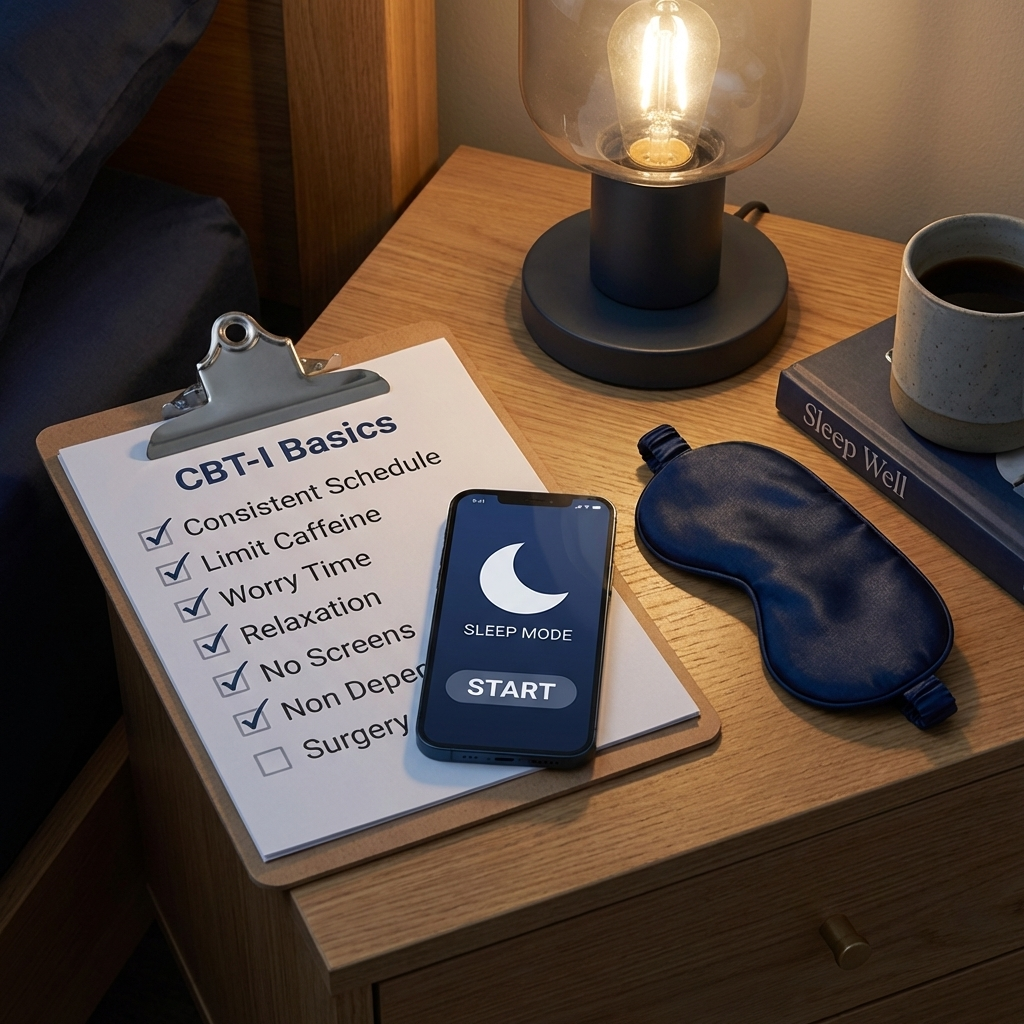
The gold standard for treating chronic insomnia is Cognitive Behavioral Therapy for Insomnia (CBT-I). This is a structured program that helps you identify and replace thoughts and behaviors that cause or worsen sleep problems with habits that promote sound sleep. Unlike sleep medications, CBT-I helps you overcome the underlying causes of your sleep issues rather than just masking the symptoms.
Understanding common sleep triggers is the first step toward reclaiming your nights. By addressing the environmental, behavioral, and medical factors at play, you can move away from the frustration of sleeplessness and back into a rhythm of restorative, healthy rest.