Quick Facts
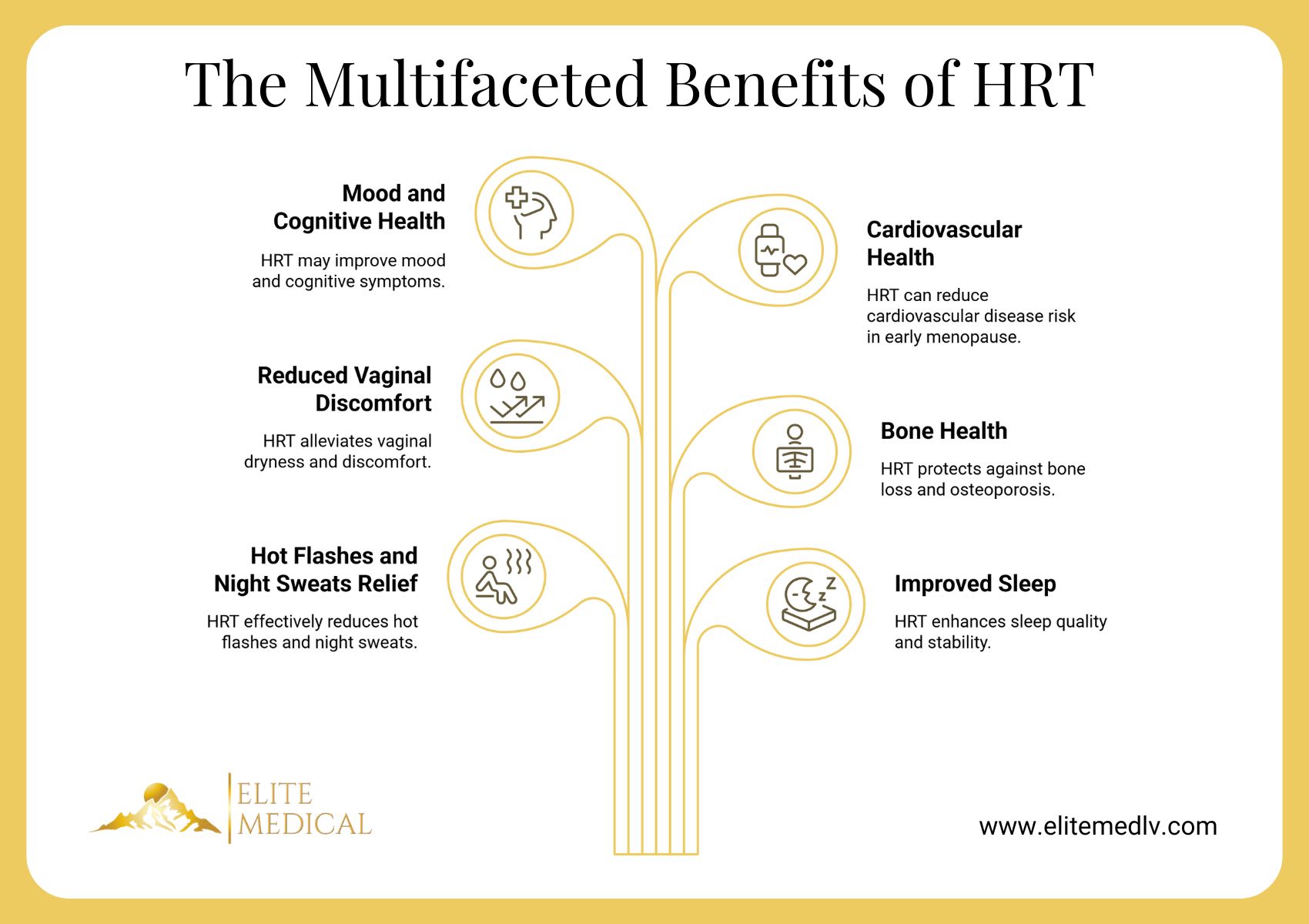
- Gold Standard: Hormone replacement therapy remains the most effective treatment for vasomotor symptoms, such as hot flashes and night sweats, significantly outperforming non-hormonal alternatives like SSRIs.
- Bone Health: Early initiation of treatment is proven to maintain bone mineral density and reduce the risk of total osteoporosis-related fractures by 20% to 37%.
- Cardiovascular Protection: When started within the window of opportunity, treatment can reduce all-cause mortality by 39% and lower the risk of heart disease.
- Cognitive Function: Midlife estrogen use is associated with a 32% reduced risk of Alzheimer’s disease, supporting long-term brain health and clarity.
- Modern Safety: Current clinical protocols prioritize transdermal delivery and micronized progesterone to minimize blood clot risk and provide a personalized safety profile.
- Holistic Relief: Beyond temperature regulation, it effectively addresses genitourinary syndrome of menopause, sleep disturbances, and mood stability, enhancing overall quality of life.
Why hormone replacement therapy remains the gold standard for menopause treatment in 2026, offering more than just symptom relief. It effectively manages vasomotor symptoms like hot flashes and night sweats while improving sleep, mood, and sexual health. Beyond immediate symptom relief, early initiation during the postmenopausal transition provides long-term protection for bone density and cardiovascular health. It also addresses genitourinary syndrome of menopause, including vaginal dryness and urinary issues, significantly enhancing overall quality of life.
Immediate Relief: The Symptom Management Timeline
When you are in the thick of the perimenopausal transition, the immediate goal is often survival. The disruption caused by estrogen deficiency is not merely an inconvenience; it can be a fundamental shift in how you experience your daily life. For many of my readers, the primary motivation for seeking hormone replacement therapy is the immediate resolution of vasomotor symptoms. These are the internal thermostat malfunctions that lead to sudden heat, perspiration, and the subsequent "chills."
The efficacy of hormone replacement therapy for these symptoms is unparalleled. Meta-analyses demonstrate that it provides a significantly greater reduction in hot flash frequency compared to non-hormonal SNRI and SSRI therapies. It isn't just about stopping the heat; it’s about restoring the rhythm of your life. When the night sweats cease, your sleep quality improves. When your sleep improves, the brain fog often lifts, and your mood begins to stabilize.
Understanding the timeline of relief can help manage expectations as you begin menopause symptom management:
- Weeks 2–4: Most women begin to notice a significant decrease in the frequency and intensity of hot flashes and night sweats. This is often the first sign that the body is responding to the restored hormonal balance.
- Weeks 4–6: Improvements in vaginal lubrication and comfort become more apparent, addressing some of the early signs of genitourinary syndrome of menopause.
- Weeks 6–8: This is typically the window where quality of life indicators like mood stability, deep sleep, and cognitive clarity begin to level out. The cumulative effect of better rest and hormonal stability starts to feel like "yourself" again.
The Long-Term Advantage: Bone, Heart, and Brain Health
As an editor focused on wellness throughout the life stages, I often remind my readers that menopause management is a long game. While we want to feel better today, we are also making an investment in the woman we will be at seventy, eighty, and beyond. This is where hormone replacement therapy for osteoporosis prevention in postmenopause becomes a critical part of the conversation.
The decline in estrogen during the postmenopausal transition leads to an accelerated loss of bone mineral density. Clinical meta-analyses indicate that hormone replacement therapy reduces the risk of hip, vertebral, and total osteoporosis-related fractures by 20% to 37% in postmenopausal women. Recent data from 2026 highlights that starting hormone replacement therapy early postmenopause benefits the skeletal system the most, with a 13% lower risk of fractures compared to those who wait or forgo treatment. By acting as a proactive measure against age-related bone loss, it serves as a foundation for orthopedic health.
"The timing hypothesis suggests that the benefits of hormone replacement therapy are most pronounced when started early. For many, the window of opportunity is within ten years of the final menstrual period or before the age of sixty."
Beyond bones, we must look at the heart and brain. For years, there was a misunderstanding regarding cardiovascular risk. However, current data suggests that starting hormone replacement therapy early postmenopause benefits the heart by improving lipid profiles and vascular function. Furthermore, HRT benefits for cognitive health and alzheimer's risk are becoming clearer. Midlife estrogen use is associated with a 32% reduced risk of Alzheimer's, suggesting that the cardiovascular benefits of early hormone replacement therapy extend to the delicate vessels of the brain, protecting cognitive reserve.
Modern Safety: Transdermal vs. Oral HRT
The fear surrounding hormone therapy often stems from outdated studies using older formulations and delivery methods. Today, the medical community emphasizes a personalized risk profile, moving away from a "one size fits all" approach. One of the most significant shifts has been the preference for transdermal delivery.
When estrogen is taken orally, it must pass through the liver, which can increase the production of clotting factors. This is why oral estrogen can be associated with a higher blood clot risk. In contrast, transdermal options—such as patches, gels, or sprays—absorb directly through the skin into the bloodstream, bypassing the liver and significantly reducing these risks.
The choice of progesterone is equally important. Many modern practitioners prefer micronized progesterone over synthetic progestins. Micronized progesterone is considered a body-identical hormone, meaning its molecular structure is identical to what the human body produces naturally. This choice often results in better mood outcomes and a more favorable safety profile for breast health.
| Feature | Transdermal HRT (Patches/Gels) | Oral HRT (Pills) |
|---|---|---|
| Metabolism | Bypasses the liver | Processed through the liver |
| Blood Clot Risk | No associated increase in risk | Higher associated risk |
| Consistency | Steady, continuous release | Daily peaks and troughs |
| Convenience | Applied daily or twice weekly | Taken once daily |
| Best For | Women with higher BMI or smoking history | Women who prefer a simple oral routine |
When considering a transdermal vs oral hormone replacement therapy safety comparison, the evidence heavily favors the transdermal route for women with underlying risk factors for thrombosis. By tailoring the delivery method and using body-identical hormones, we can maximize the benefits of micronized progesterone in hormone replacement therapy while keeping the safety profile exceptionally high.
Doctor Discussion Guide: Personalizing Your Treatment
Navigating the medical system requires a degree of self-advocacy. According to The Menopause Society, the benefits of hormone therapy outweigh the risks for most healthy symptomatic women who initiate treatment before the age of 60 or within 10 years of menopause onset. However, your specific medical history is the ultimate guide.
To ensure you get the most out of your clinical consultation, I recommend preparing a hormone therapy doctor discussion guide. Start by documenting your symptoms, their frequency, and how they affect your work and relationships.
Here are some specific questions to ask doctor about hormone replacement therapy:
- Based on my family history, am I a candidate for hormone replacement therapy?
- Given my lifestyle, would a transdermal patch or an oral tablet be safer for me?
- What are the benefits of micronized progesterone in hormone replacement therapy for someone with my profile?
- How will we monitor my progress, and what side effects should I watch for in the first three months?
- Can we discuss the cardiovascular benefits of early hormone replacement therapy in relation to my current heart health?
- How does this treatment specifically address my concerns about bone mineral density and future fracture risk?
FAQ
What is hormone replacement therapy used for?
It is primarily used to replenish the hormones—specifically estrogen and progesterone—that the body stops producing during menopause. It is the most effective treatment for relieving vasomotor symptoms like hot flashes and night sweats, as well as treating vaginal dryness, preventing bone loss, and supporting overall mood and sleep stability during the postmenopausal transition.
Is hormone replacement therapy safe for long-term use?
For many women, it is safe for long-term use, especially when started within the window of opportunity (before age 60 or within 10 years of menopause). Current guidelines suggest that the duration of treatment should be individualized based on the patient's symptoms and health goals, with regular annual re-evaluations of the benefits and risks of HRT.
How do I know if I need hormone replacement therapy?
The need is typically determined by the severity of your symptoms and your long-term health risks. if you are experiencing frequent hot flashes, sleep disturbances, or signs of genitourinary syndrome of menopause that interfere with your quality of life, you may be a candidate. A clinical evaluation of your bone mineral density and cardiovascular health can also help determine if you would benefit from its protective effects.
What are the benefits of taking hormone replacement therapy?
The benefits include a significant reduction in menopause symptoms, improved sleep, and better mood. Long-term benefits include a lower risk of osteoporosis-related fractures, a 32% reduced risk of Alzheimer's when started in midlife, and a potential reduction in cardiovascular disease and all-cause mortality when initiated early in the postmenopausal transition.
What are the different types of hormone replacement therapy?
Treatment types include systemic therapy (pills, patches, gels, or sprays) which travels through the bloodstream to treat general symptoms, and local therapy (vaginal creams, rings, or tablets) which specifically targets genitourinary syndrome of menopause. Formulations also vary between synthetic hormones and body-identical options like micronized progesterone.
Can you take hormone replacement therapy if you have had cancer?
This is a complex area that requires a highly personalized risk profile. While it is often contraindicated for those with a history of estrogen-sensitive cancers, such as certain breast or uterine cancers, some women may still be candidates for non-hormonal treatments or low-dose local therapies. It is essential to have a detailed discussion with both your oncologist and your hormone therapy specialist to weigh the risks against the impact on your quality of life.