Quick Facts
- The 30-Plant Rule: Aim for 30+ different plant varieties weekly to achieve peak microbial richness and ecosystem stability.
- Serotonin Connection: Approximately 90% of your body's serotonin is produced in the gut, making microbial health vital for mood regulation.
- The Healing Timeline: Expect 2-4 weeks for initial bloating relief and 3-6 months for significant gut barrier repair and structural changes.
- Starch Hack: Cooking and then cooling potatoes or rice transforms regular starch into gut-friendly resistant starch.
- Primary Fiber: Chicory root is a powerhouse of prebiotic activity, consisting of 68% inulin by dry weight.
- Diversity Matters: Individuals eating 30+ plant types per week have significantly more diverse microbiomes than those eating 10 or fewer.
Gut healthy foods consist of prebiotics, which are non-digestible fibers that feed beneficial bacteria, and probiotics, which provide live microorganisms. Consuming a variety of plant-based sources like garlic and leeks alongside fermented options like yogurt or sauerkraut supports a diverse and resilient microbial ecosystem. To increase gut microbiome diversity, prioritize a diet rich in diverse plant foods such as whole grains, cruciferous vegetables, and polyphenol-rich berries. Eating a wide range of prebiotic fiber sources helps stimulate the growth of various beneficial bacteria strains, which is essential for maintaining intestinal flora balance.
Understanding the Biotic Trinity: Pre, Pro, and Post
To truly optimize your health, we must look at the gut as a living garden. For this garden to thrive, it requires three specific components: the seeds (probiotics), the fertilizer (prebiotics), and the yield (postbiotics).
Probiotics are live active cultures that we ingest to add to our existing microbial population. When you consume probiotic rich foods, you are essentially introducing "friendly" immigrants into your gastrointestinal tract. However, these newcomers cannot survive without proper sustenance. This is where prebiotic fiber sources come into play. Prebiotics are the non-digestible fibers that act as fuel for your beneficial bacteria.
When these bacteria ferment the fiber, they produce metabolic byproducts known as short-chain fatty acids (SCFAs), such as butyrate, propionate, and acetate. These SCFAs are the "postbiotics" that strengthen the gut lining, reduce inflammation, and communicate with the brain via the gut-brain axis. Understanding this synergy is the first step in moving beyond basic digestion toward true microbiome optimization.
| Category | Role | Key Examples |
|---|---|---|
| Prebiotics | Fuel for existing bacteria | Garlic, Leeks, Asparagus, Onions |
| Probiotics | Live microorganisms | Kefir, Kimchi, Yogurt, Miso |
| Postbiotics | Beneficial byproducts | Short-chain fatty acids (SCFAs) |
The 10 Best Foods for Gut Microbiome Health
Integrating gut healthy foods into your daily routine doesn't require a radical overhaul. Instead, it’s about choosing nutrient-dense options that provide both microbial diversity and structural support for your intestinal flora.
1. Kefir and Greek Yogurt Fermented dairy remains one of the most accessible probiotic rich foods. Kefir, in particular, often contains a wider variety of bacterial strains and yeasts than standard yogurt. These live active cultures help crowd out opportunistic pathogens and improve lactose digestion. When choosing yogurt, always look for "live and active cultures" on the label to ensure the bacteria survived the processing.
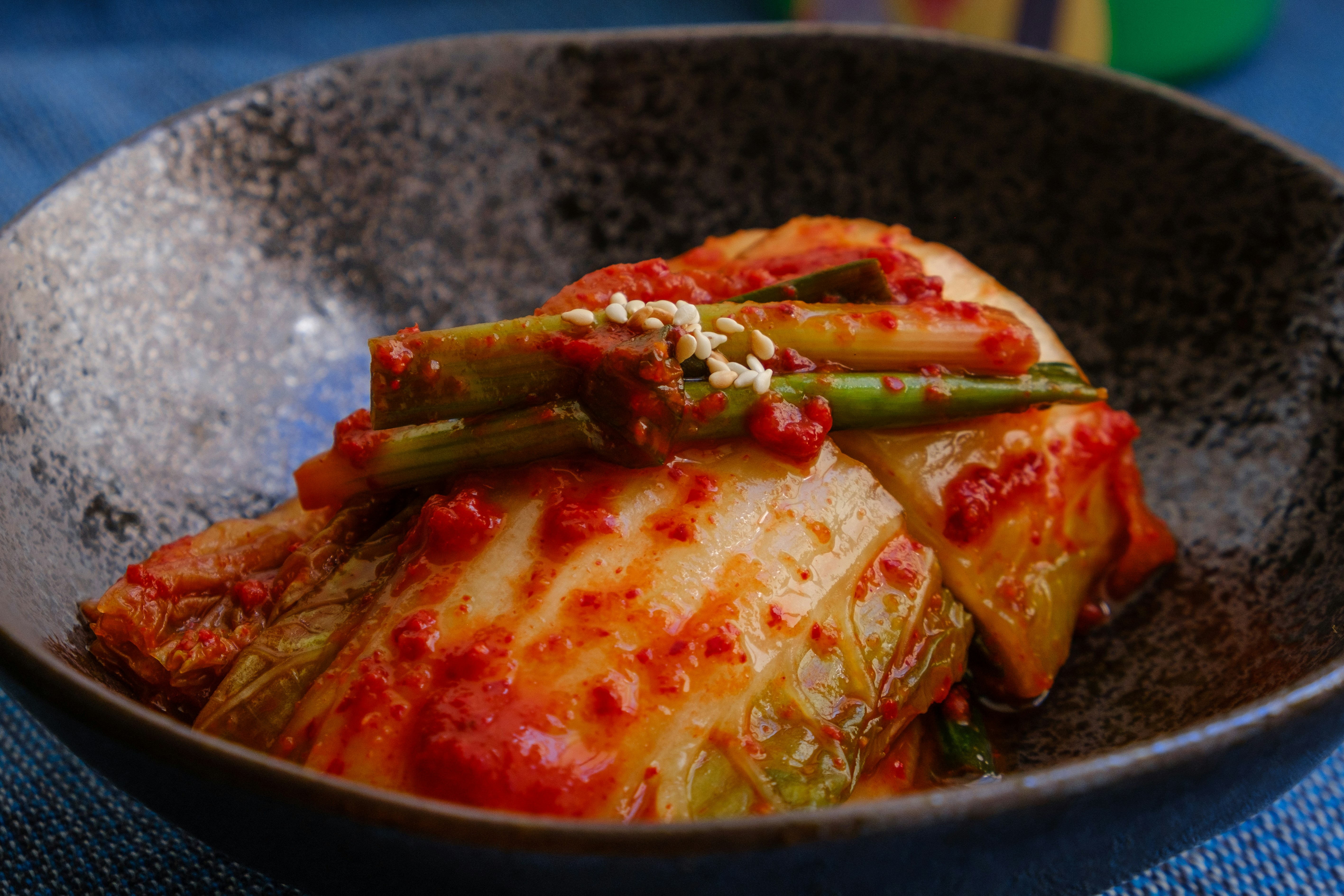
2. Kimchi and Sauerkraut These fermented vegetables are the gold standard for traditional probiotic and prebiotic foods for gut health. Kimchi, a Korean staple made from fermented cabbage and radishes, provides a potent dose of lactic acid bacteria. Beyond the probiotics, these foods contain organic acids that help maintain an optimal pH level in the gastrointestinal tract.
3. Garlic and Onions Part of the Allium family, these are some of the best gut healthy foods for beginners because they are easy to incorporate into almost any savory dish. They are rich in inulin and fructooligosaccharides (FOS). These specific prebiotic fiber sources are preferred by bifidobacteria, which help prevent gut leakiness and support immune function.
4. Jerusalem Artichoke Also known as sunchokes, these tubers are one of the most concentrated sources of inulin available. Since inulin is 68% of its dry weight, it acts as a high-intensity fertilizer for your microbiome. We recommend starting with small portions, as the rapid fermentation of inulin can cause temporary gas in those not used to high-fiber intake.
5. Asparagus This spring vegetable is a fantastic source of prebiotic fiber that specifically targets the growth of healthy bacteria associated with anti-inflammatory effects. Asparagus also contains glutathione, a powerful antioxidant that protects the gut lining from oxidative stress.
6. Bananas While fully ripe bananas provide quick energy, slightly green (underripe) bananas are superior for gut health. They are packed with resistant starch, a type of carbohydrate that bypasses the small intestine and reaches the colon intact. Once there, it is fermented by bacteria to produce butyrate, the primary energy source for the cells lining your colon.
7. Whole Grain Oats Oats contain a specific type of soluble fiber called beta-glucan. Beta-glucans have been shown to slow digestion, increase satiety, and feed a diverse range of beneficial bacteria. This makes oats an essential part of a microbiome diversity diet designed to stabilize blood sugar and support heart health.
8. Flaxseeds Flaxseeds offer a dual benefit: they are high in mucilaginous fiber and dietary polyphenols. Polyphenols are plant compounds that act as "micro-prebiotics," as they can be broken down by specific bacteria to produce health-promoting metabolites. Grinding your flaxseeds is essential to make these nutrients bioavailable.
9. Apples The old adage holds some scientific truth. Apples are rich in pectin, a soluble fiber that increases the abundance of beneficial Firmicutes and decreases levels of harmful bacteria in the gastrointestinal tract. Pectin also helps with regular bowel movements by adding bulk to the stool.
10. Dark Chocolate High-quality dark chocolate (at least 70% cocoa) is more than just a treat; it is a significant source of dietary polyphenols. Research suggests that these compounds can specifically boost the growth of Akkermansia muciniphila, a "keystone" bacteria strain that helps maintain a thick, protective mucus layer in the gut.
Maximizing Microbiome Diversity: The 30-Plant Challenge
If there is one metric that defines a healthy gut, it is diversity. Research from the American Gut Project indicates that individuals who consume more than 30 different types of plant foods per week have significantly more diverse gut microbiomes than those who eat 10 or fewer types. This diversity makes your microbial ecosystem more resilient to stressors like antibiotics, illness, or poor sleep.
When we talk about "plants," we aren't just referring to kale and spinach. To hit the 30-plant goal, count every unique variety of:
- Vegetables (including cruciferous vegetables like broccoli and cauliflower)
- Fruits
- Whole grains (quinoa, brown rice, farro)
- Legumes (lentils, chickpeas, beans)
- Nuts and seeds
- Herbs and spices
A daily gut health food routine for beginners might include adding a sprinkle of seeds to your morning oats or using a four-bean blend in your chili instead of just one. Small variety increases have exponential benefits for your intestinal flora.
Preparation Matters: The Science of Bioaccessibility
How you prepare your gut healthy foods can be just as important as the foods themselves. The concept of bioaccessibility refers to how much of a nutrient is actually released from the food matrix and made available for your bacteria to use.
One of the most effective "hacks" for a microbiome diversity diet is the cooking and cooling method. When you cook starchy foods like potatoes, white rice, or pasta and then let them cool in the refrigerator for 24 hours, the structure of the starch molecules changes. This process, called retrogradation, creates resistant starch. Even if you reheat the food later, the resistant starch remains, providing a feast for your colon-dwelling microbes.
Furthermore, sprouting grains and legumes can reduce anti-nutrients like phytic acid, making the minerals and prebiotic fiber sources more bioavailable. On the flip side, be mindful of heat when consuming fermented foods. Cooking kimchi or boiling kombucha will kill the live active cultures. To get the probiotic benefits, consume these items raw or add them to dishes after the heating process is complete.
Jordan’s Tip: Use cooled, leftover potatoes in a Mediterranean-style salad with olive oil and vinegar. This "Simple Swap" replaces refined carbs with a powerhouse of resistant starch.
Safety First: Transitioning to a High-Fiber Diet
While increasing your intake of gut healthy foods is the goal, doing it too quickly can lead to temporary digestive discomfort. This is often referred to as the "fiber transition" phase. If you currently eat a low-fiber diet, a sudden influx of prebiotic fiber sources can cause bloating, gas, and changes in bowel habits as your bacteria begin to ferment the new fuel.
For those with Irritable Bowel Syndrome (IBS) or specific FODMAP sensitivities, some high-prebiotic foods like garlic, onions, and Jerusalem artichokes may trigger significant distress. In these cases, it is best to focus on low-FODMAP gut healthy foods for bloating and digestion, such as firm bananas, blueberries, and sourdough bread.
The "low and slow" approach is usually best. Increase your plant intake by 2-3 varieties per week and ensure you are drinking plenty of water. Water is essential for helping fiber move through the gastrointestinal tract efficiently.
FAQ
What are the best foods for gut health?
The most effective approach includes a mix of prebiotic-rich plants (like garlic, onions, and asparagus) and probiotic-fermented foods (like kefir, kimchi, and yogurt). Focus on high-fiber vegetables, polyphenolic fruits, and whole grains to provide a comprehensive nutrient profile for your microbes.
How can I improve my gut health naturally?
You can naturally improve your gut by increasing the variety of plants you eat to at least 30 types per week, staying hydrated, and incorporating fermented foods daily. Additionally, managing stress and getting consistent sleep are crucial, as the gut-brain axis means your mental state directly impacts your microbial ecosystem.
Which fermented foods are best for digestion?
Kefir and yogurt are excellent for those who tolerate dairy, while kimchi, sauerkraut, and miso are top-tier plant-based options. These foods provide live active cultures and organic acids that support a healthy pH balance and help break down nutrients for easier absorption.
What is the difference between prebiotics and probiotics?
Think of probiotics as the beneficial bacteria themselves (the "population") and prebiotics as the non-digestible fiber that feeds them (the "fuel"). Probiotics introduce new microorganisms, while prebiotics nourish the ones already living in your gastrointestinal tract.
Can a gut-healthy diet reduce bloating?
Yes, over time. While a sudden increase in fiber might cause temporary gas, a long-term diet rich in gut healthy foods strengthens the gut barrier and improves motility, which typically reduces chronic bloating and gas. It is important to introduce high-fiber foods gradually.
What are the signs that your gut is healing?
Common signs of a healing gut include more regular and comfortable bowel movements, reduced bloating after meals, clearer skin, improved mood, and steadier energy levels. Scientifically, a 10-week clinical trial found that regular consumption of fermented foods leads to an increase in overall microbial diversity and a decrease in molecular signs of inflammation, suggesting the gut is becoming more resilient.
Start Your Gut Healing Journey Today
Optimizing your microbiome is not about restriction; it is about abundance and variety. By embracing the 30-plant rule and integrating both probiotic and prebiotic foods for gut health, you are investing in a foundation that supports everything from your immune system to your mental clarity.
Furthermore, a study involving over 21,000 participants found that individuals following a vegan or high-plant diet have gut microbiome signatures more strongly associated with favorable cardiometabolic health outcomes. Whether you are a dedicated vegan or an omnivore, adding more diverse plant sources is the single most effective way to increase gut microbiome diversity with food.
Start today by making one "Simple Swap"—perhaps exchange your white rice for a cooled potato salad or add a spoonful of sauerkraut to your afternoon wrap. Your microbes will thank you.