Quick Facts
- The Verdict: Replacing butter with olive oil significantly lowers cardiovascular risk by improving lipid profiles and vascular endothelial function.
- Primary Difference: Butter consists of approximately 63% saturated fat, whereas olive oil is composed of roughly 85% monounsaturated fats.
- AHA Goal: The 2026 guidance recommends limiting saturated fat consumption to less than 6% of total daily calories.
- Survival Benefit: Replacing 5% of energy intake from saturated fats with polyunsaturated fats is associated with a 25% reduction in the risk of coronary heart disease.
- Baking Ratio: For a heart-healthy swap, use a culinary substitution ratio of 3 parts olive oil for every 4 parts butter.
- Nutritional Edge: Extra virgin olive oil contains phenolic antioxidants that offer anti-inflammatory benefits absent in dairy-based lipids.
Replacing butter with olive oil helps lower LDL cholesterol levels because olive oil is rich in monounsaturated fats. Unlike butter, which contains high levels of saturated fat that can contribute to arterial plaque, olive oil supports vascular health and aligns with 2026 American Heart Association guidelines for reducing cardiovascular risk.
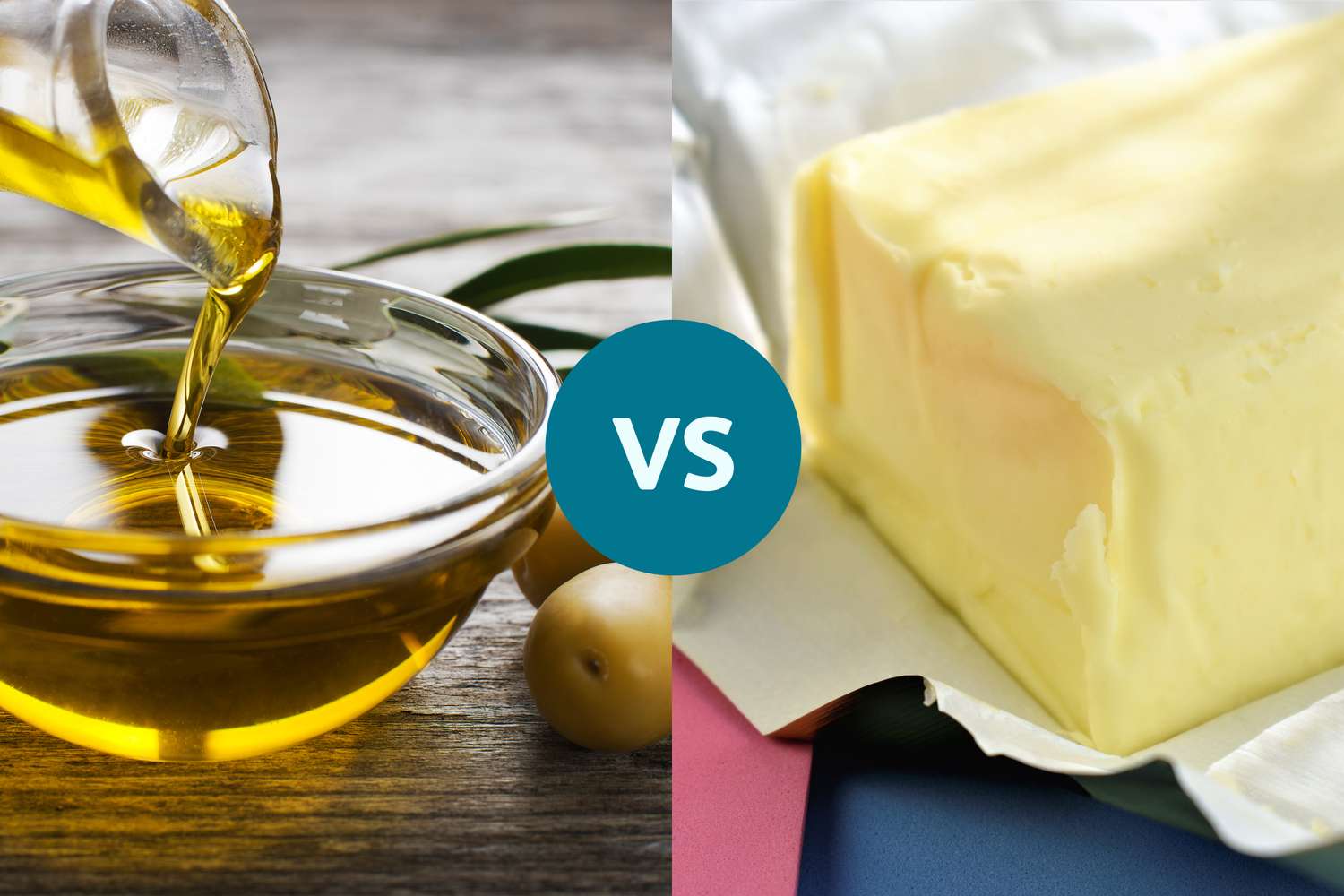
The Biological Battle: How Fats Affect Your Arteries
When we look at the debate of butter vs olive oil through a clinical lens, the primary concern isn't just calories; it is how these lipids interact with your liver and vascular walls. Saturated fat in butter acts as a signaling molecule that suppresses the activity of LDL receptors in the liver. When these receptors are less active, the liver is less efficient at clearing low-density lipoprotein from the bloodstream. This leads to the sustained elevation of saturated fat impact on LDL cholesterol, which is a primary driver of plaque accumulation.
In contrast, olive oil as a butter alternative introduces high concentrations of oleic acid, one of the most studied monounsaturated fatty acids. These fats do not suppress LDL receptors. Instead, they help maintain the fluidity of cell membranes and have been shown to improve vascular endothelial function. This means your blood vessels can dilate and contract more effectively, reducing the mechanical stress that often precedes atherosclerosis prevention efforts.
The 2026 American Heart Association dietary guidance has shifted the focus from merely looking at LDL-C numbers to understanding the overall Mediterranean dietary pattern and the role of ApoB—a protein found on all potentially atherogenic particles. High intake of dairy-based lipids like those found in butter tends to increase the count of these particles. Transitioning to plant-derived oils helps in hyperlipidemia management by shifting the particle distribution toward a less harmful profile.
According to the American Heart Association, a 2,000-calorie diet should include no more than 13 grams of saturated fat per day. A single tablespoon of butter contains about 7 grams of saturated fat, meaning just two servings can put most adults over their daily heart-healthy limit.
Personalized Risk: Genetics and the Food Matrix
While the broad recommendation is to prioritize heart-healthy cooking fat recommendations, individual responses to fats can vary based on genetics. A significant portion of the population carries the ApoE4 gene variant. For these individuals, the body is particularly sensitive to dietary cholesterol and saturated fats, making them hyper-responders to butter intake. For an ApoE4 carrier, replacing butter with olive oil for heart health isn't just a suggestion; it is a critical intervention for chronic heart disease risk reduction.
However, recent science has introduced the concept of the Food Matrix. This theory suggests that the physical and chemical structure of a food affects how its nutrients are absorbed. For example, the saturated fat in fermented dairy products like yogurt or certain aged cheeses may not raise LDL cholesterol as aggressively as the fats in butter. This is because butter lacks the milk fat globule membrane (MFGM) and the probiotic benefits that appear to mitigate some of the negative effects of saturated fat.
Despite these nuances, butter remains a concentrated source of saturated fat without the protective matrix found in whole dairy. This is why olive oil is better for your heart than butter in almost every clinical comparison. Extra virgin olive oil benefits for LDL cholesterol are compounded by its high polyphenol content, which protects the LDL particles from oxidation—the specific chemical change that makes cholesterol dangerous to the arterial wall.
In the Kitchen: Smoke Points and Culinary Science
One common myth that prevents people from making the switch is the belief that olive oil cannot be used for high-heat cooking. Understanding smoke point considerations is essential for both flavor and health. When an oil reaches its smoke point, the fats begin to break down, releasing free radicals and a substance called acrolein, which can be irritating.
| Fat Type | Saturated Fat (per tbsp) | Monounsaturated Fat (per tbsp) | Smoke Point |
|---|---|---|---|
| Unsalted Butter | 7.3g | 3.0g | 302°F (150°C) |
| Extra Virgin Olive Oil | 1.9g | 9.9g | 375°F (190°C) |
| Refined Olive Oil | 1.9g | 9.9g | 410°F (210°C) |
| Clarified Butter (Ghee) | 9.1g | 3.7g | 482°F (250°C) |
As the table illustrates, extra virgin olive oil actually has a higher smoke point than regular butter. While clarified butter or ghee has a very high smoke point, it is even more concentrated in saturated fat than standard butter, making it a poor choice for those focused on heart healthy fats to lower cholesterol levels. Olive oil is incredibly stable due to its antioxidant profile, meaning it can be safely used for most home cooking methods, including sautéing and roasting.
How to Switch: Substitution Ratios and Practical Swaps
Transitioning to a diet that prioritizes olive oil doesn't mean sacrificing the texture of your favorite meals. The most effective way to start is by substituting butter for olive oil in sautéing vegetables or finishing soups. Instead of melting butter over broccoli, a drizzle of high-quality extra virgin olive oil and a squeeze of lemon provides a more complex flavor profile and superior vascular benefits.
Baking is often where people feel most hesitant to change. However, you can successfully use olive oil as a butter alternative in most recipes that call for melted butter, such as muffins, quick breads, and certain cakes.
Baking with Olive Oil instead of Butter Conversion:
- 1 tsp Butter = 3/4 tsp Olive Oil
- 1 tbsp Butter = 2 1/4 tsp Olive Oil
- 1/4 cup Butter = 3 tbsp Olive Oil
- 1/2 cup Butter = 6 tbsp Olive Oil
- 1 cup Butter = 3/4 cup Olive Oil
When substituting, keep in mind that olive oil is a liquid at room temperature. For recipes that require "creaming" solid butter with sugar (like traditional crunchy cookies), the texture may change slightly, resulting in a moister, denser crumb. For these cases, choosing a mild or "light" olive oil can prevent the olive flavor from overpowering delicate sweets, though extra virgin remains the gold standard for health.
FAQ
Which is healthier: butter or olive oil?
Olive oil is significantly healthier than butter for cardiovascular health. It contains high levels of monounsaturated fats and polyphenols that lower LDL cholesterol and reduce inflammation, whereas butter is high in saturated fat which can increase the risk of heart disease.
Can I use olive oil instead of butter for baking?
Yes, you can use olive oil for baking by following a 3:4 ratio. For every 1 cup of butter required, use 3/4 cup of olive oil. This works best for recipes calling for melted butter or oil, such as muffins, cakes, and brownies.
Is it better to fry with butter or olive oil?
It is better to fry with olive oil. Extra virgin olive oil has a higher smoke point (375°F) than butter (302°F), making it more stable at cooking temperatures. Additionally, frying with olive oil avoids the cholesterol-raising saturated fats found in dairy lipids.
Does butter have more saturated fat than olive oil?
Yes, butter contains substantially more saturated fat than olive oil. Approximately 63% of the fat in butter is saturated, compared to only about 14% in olive oil. This difference is why health organizations recommend olive oil for managing blood lipid levels.
Is olive oil better for your heart than butter?
Olive oil is much better for your heart than butter. Clinical evidence shows that replacing saturated fats like butter with unsaturated fats like olive oil improves cholesterol levels, enhances blood vessel function, and significantly reduces the risk of heart attacks and strokes.
The shift toward a Mediterranean-style diet is one of the most evidence-backed moves you can make for your longevity. By focusing on the 2026 AHA guidelines on cooking fats and cholesterol, we can see that the goal is not total fat deprivation, but rather a strategic swap. Choosing plant-derived oils over animal fats is a foundational step in ensuring your vascular system remains clear and functional for decades to come.