Quick Facts
- Prevalence: Approximately 45% of all heart attacks are classified as silent, occurring without the intense symptoms usually associated with a cardiac event.
- The Danger: Experiencing a silent event triples the risk of death from coronary artery disease compared to those with a normal cardiac history.
- Recovery: Without medical intervention, the long-term outlook is concerning, with a 10-year mortality rate of roughly 50%.
- Heart Failure Risk: These events lead to a 35% increased risk of subsequent heart failure due to permanent muscle damage.
- Clinical Marker: Cardiac Scarring is often the only physical evidence that a silent event has taken place.
- Immediate Action: If you suspect any cardiac distress, seeking help within the Golden Hour (the first 60 minutes) is vital for survival.
Silent heart attack symptoms are often subtle and easily mistaken for less serious conditions like indigestion, muscle strain, or the flu. Key indicators include mild pressure or discomfort in the chest, unexplained fatigue, shortness of breath, and aching in the jaw, neck, or back. Because these signs lack the sudden, crushing pain associated with traditional heart attacks, they frequently go unrecognized and untreated.
Hollywood vs. Reality: Defining the Silent Heart Attack
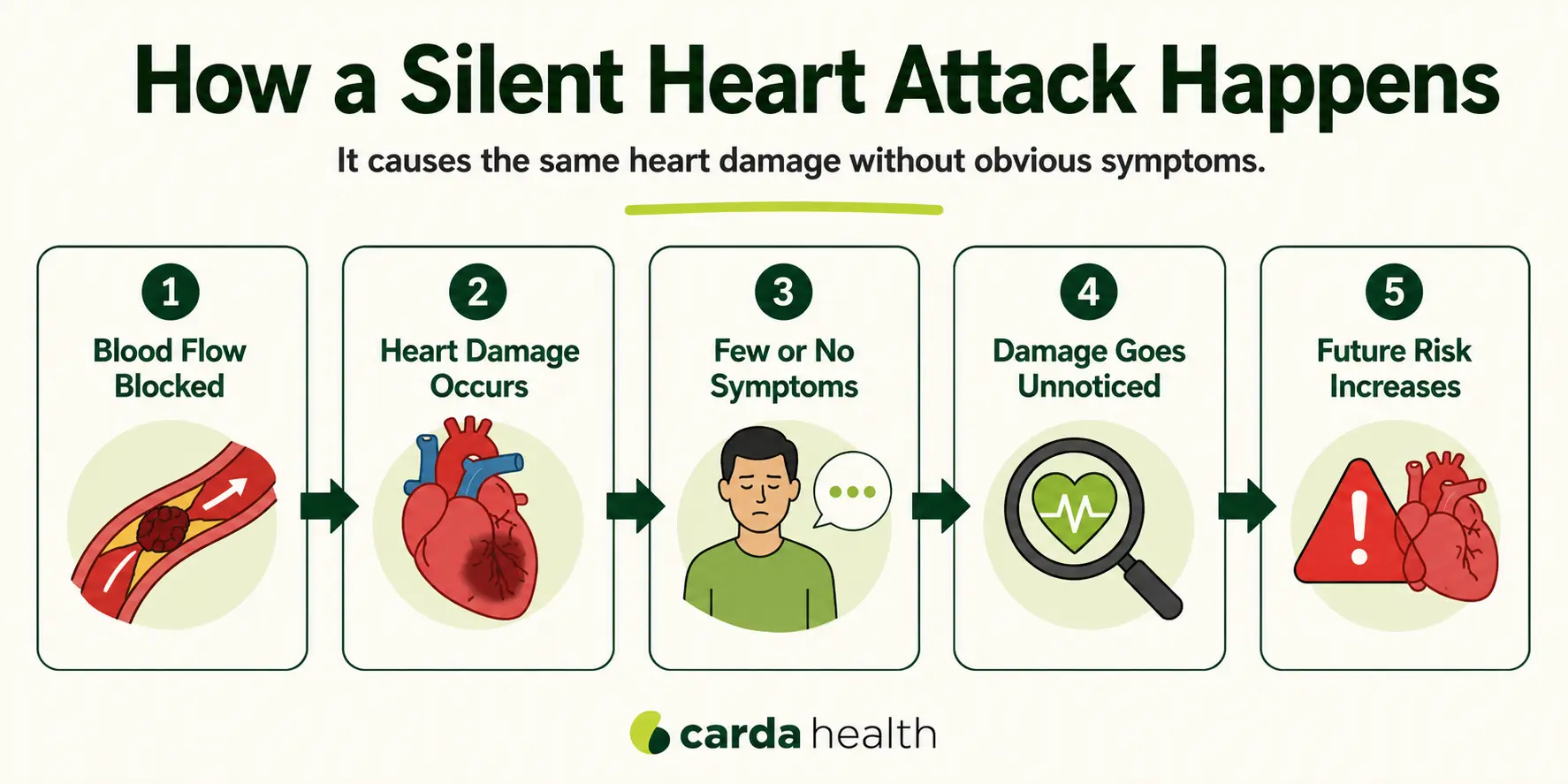
We have all seen the cinematic version of a heart attack: a character suddenly clutches their chest, winces in agony, and collapses. While this can happen, reality is often much quieter. Medical professionals refer to this as a silent Myocardial Infarction. In these cases, Ischemia—a lack of oxygen-rich blood flow to the heart muscle—occurs without the dramatic physical alarm bells we expect.
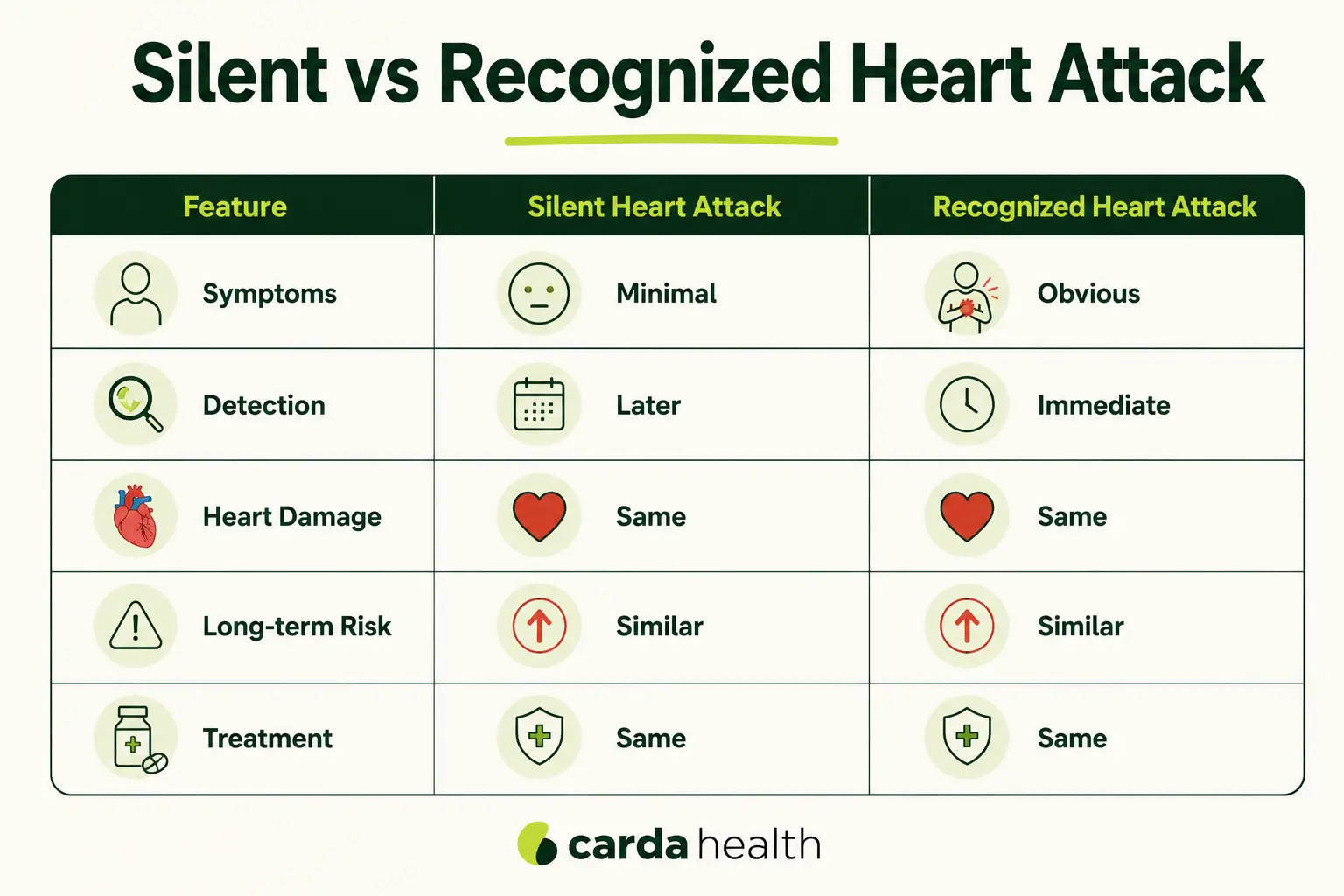
According to the Centers for Disease Control and Prevention, about 1 in 5 heart attacks in the United States are silent. This means the damage is done to the heart, but the individual is completely unaware of it at the time. This asymptomatic presentation is precisely what makes the condition so dangerous. When we don't feel pain, we don't seek help, allowing the heart to suffer in silence while we go about our daily routines. Comparing silent heart attack vs normal heart attack symptoms reveals that while the internal damage is identical, the external experience is night and day.
Early Warning Signs of a Silent Heart Attack
The difficulty with identifying silent heart attack symptoms is that they masquerade as everyday ailments. You might feel a bout of Gastrointestinal Distress and assume the spicy dinner you had is to blame. Or perhaps you experience profound Physical Fatigue and attribute it to a stressful week at the office. However, when these symptoms appear without a clear cause, they may actually be early warning signs of a silent heart attack.
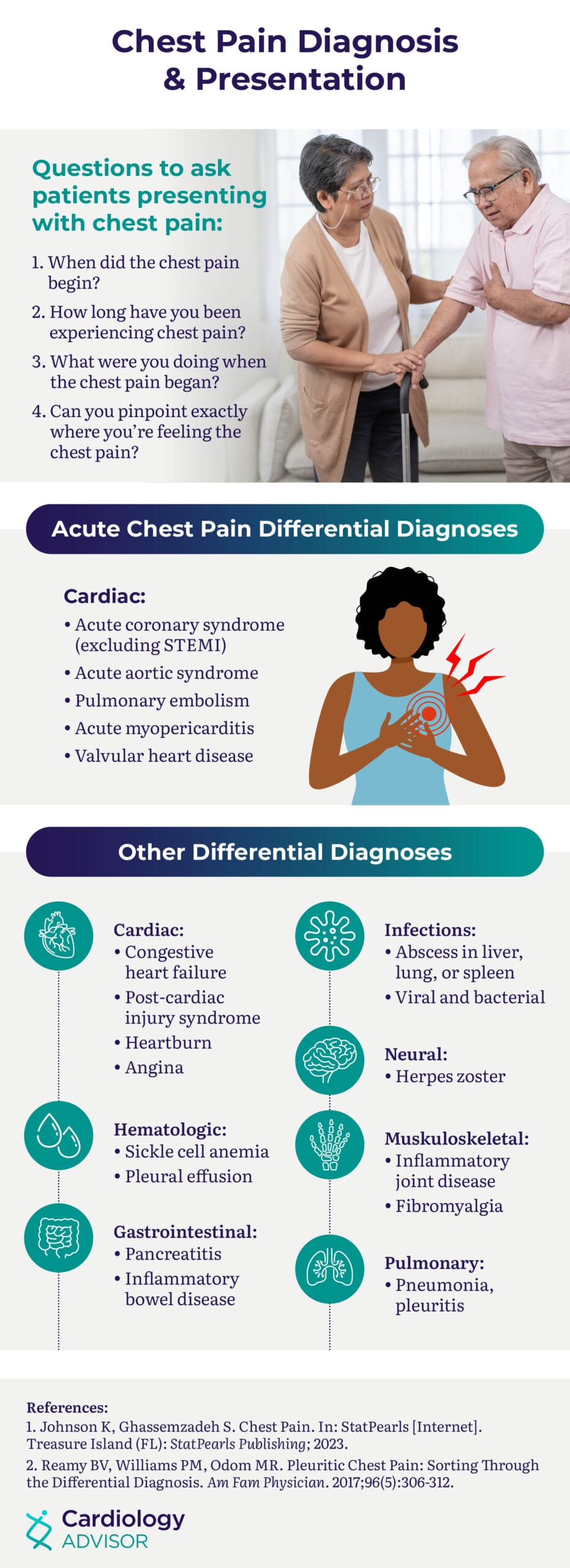
To help you distinguish between a passing discomfort and a cardiac event, consider the following symptom mapping:
| What It Feels Like | What Might Actually Be Happening |
|---|---|
| Indigestion or Heartburn | Mild pressure or squeezing in the center of the chest. |
| Flu-like Exhaustion | Physical Fatigue caused by the heart struggling to pump blood. |
| Pulled Muscle | Aching or discomfort radiating to the jaw, neck, or upper back. |
| Brief Shortness of Breath | The heart failing to keep up with the body's need for oxygen. |
| Generalized Malaise | A vague sense that "something isn't right" accompanied by a cold sweat. |
It is crucial to remember that these signs don't need to be severe to be significant. Even mild or fleeting discomfort should be taken seriously if it deviates from your physical baseline.
Emergency Protocol: The Golden Hour
If you experience unexplained chest pressure, sudden cold sweats, or shortness of breath, do not wait for the symptoms to worsen. Call emergency services immediately. Medical outcomes are significantly improved if treatment begins within the "Golden Hour"—the first 60 minutes after symptoms start. Do not drive yourself to the hospital; paramedics can begin life-saving interventions the moment they arrive.
Gender Differences: Silent Heart Attack Symptoms in Women and Men
Cardiovascular health is not one-size-fits-all, and the way silent heart attack symptoms manifest can vary significantly between the sexes. Research shows that men generally have a five times higher prevalence of Cardiac Scarring, yet silent heart attack symptoms in women are more frequently misdiagnosed or dismissed.
For men, silent heart attack symptoms male often involve a localized feeling of pressure or "fullness" in the chest that comes and goes. In contrast, women are more likely to report non-traditional symptoms. A woman might feel extreme fatigue, Jaw and Back Discomfort, or nausea rather than any direct chest pain.
Furthermore, certain underlying conditions can mask these already subtle signs. Individuals with diabetes may suffer from neuropathy, which dulls the nerve endings in the Coronary Arteries, making it even harder to feel the signals of a heart attack. This makes regular check-ups even more vital for high-risk populations.
Life Expectancy and Long-Term Heart Failure Risk
The aftermath of a silent Myocardial Infarction is not something to be ignored. When a portion of the heart muscle is deprived of oxygen, it dies and is replaced by non-functional Cardiac Scarring. This scar tissue does not contract like healthy muscle, which forces the rest of the heart to work harder.
This structural change leads to a 35% increased risk of subsequent heart failure. Furthermore, data indicates that individuals who have had a silent event face a risk of Cardiovascular Mortality three times higher than those with no history of heart issues. Regarding life expectancy after silent heart attack, the 10-year survival rate can drop to 50% if the condition remains unmanaged. One key clinical metric doctors watch is the Ejection Fraction (EF). If an EF score falls below 40%, it indicates significant damage and a high risk for future complications.
Diagnosis: What to Do After a Silent Heart Attack is Suspected
Because many people don't realize they have had a heart attack until months or years later, diagnosis often happens during routine screenings or when investigating other symptoms like chronic fatigue. If you suspect you have experienced early warning signs of a silent heart attack, it is imperative to schedule a diagnostic evaluation.
Your physician will likely use a combination of the following tools:
- Electrocardiogram (ECG): This test looks for abnormal electrical patterns that indicate past damage to the heart muscle.
- Echocardiography: An ultrasound of the heart that can identify areas where the muscle is not moving correctly due to Cardiac Scarring.
- Troponin T Test: A blood test that detects specific proteins released when the heart muscle has been damaged.
- Cardiac MRI: The gold standard for identifying the exact location and extent of permanent scarring.
Understanding what to do after a silent heart attack involves more than just testing; it requires a total shift in lifestyle management. Discussing silent heart attack risk factors and prevention with your doctor—such as controlling Hypertension and Diabetes and lowering high cholesterol—is the first step toward reclaiming your cardiovascular health.
FAQ
How do you know if you had a mini heart attack?
A mini heart attack, often a term used for a mild or silent event, is usually identified through an Electrocardiogram or a blood test that detects late-stage markers of heart damage. Patients often look back and realize that a period of "bad indigestion" or "the flu" was actually the moment the event occurred.
What are the four signs your heart is quietly failing?
The most common indicators that the heart is struggling include persistent shortness of breath during light activity, swelling in the ankles or legs (edema), chronic fatigue that doesn't improve with rest, and an irregular or rapid heartbeat.
How do I tell if I'm having a silent heart attack?
It can be incredibly difficult to tell in the moment. However, if you feel a strange sense of unease combined with mild chest pressure, unexplained sweating, or pain that radiates to your jaw and neck, you should treat it as a medical emergency. When it comes to the heart, it is always better to be safe than sorry.
Are silent heart attacks common?
Yes, they are remarkably common. Statistics show that nearly 45% of all heart attacks occur without the classic, intense symptoms. This means nearly half of all people suffering a heart attack may not even realize it is happening while it occurs.
What are the 5 P's of a heart attack?
The 5 P's serves as a mnemonic for classic symptoms: Pain (chest discomfort), Paleness (pale or ashen skin), Puffing (shortness of breath), Perspiration (cold sweats), and Puking (nausea or vomiting). In a silent event, some of these may be present but very mild.
Disclaimer: This article is for informational purposes only and does not constitute medical advice. If you suspect you are experiencing a medical emergency, please contact your local emergency services immediately.