Quick Facts
- 50% Risk Increase: High consumption of ultra-processed foods is linked to an approximately 50% increased risk of cardiovascular disease-related mortality.
- The 10% Rule: Research shows that every 10% increase in the proportion of ultra-processed foods in a person's diet correlates with a 12% higher risk of serious cardiovascular events.
- Sugar Warning: Consuming 25% or more of daily energy from added sugars can triple the risk of cardiovascular mortality compared to those consuming less than 10%.
- The Kitchen Test: A simple way to identify ultra-processed items is checking if they contain ingredients not typically used in a home kitchen, such as artificial emulsifiers.
- Early Intervention: The American Heart Association's 2026 dietary guidance emphasizes establishing heart-healthy patterns as early as age one to prevent long-term damage.
- Direct Association: Meta-analyses of over 1.2 million adults show the strongest correlation between industrial formulations and coronary heart disease.
High consumption of ultra-processed foods is linked to a 50% higher risk of cardiovascular death. Understanding ultra-processed food risks is essential for heart health. This guide explores the impact of industrial formulations on your arteries and provides practical ways to identify and replace these items with heart-healthy whole food alternatives.
Defining the Danger: What are Ultra-Processed Foods?
In our modern food environment, the line between a healthy snack and a chemical formulation has become increasingly blurred. To navigate this, nutrition researchers often rely on the NOVA classification system, which categorizes food into four distinct groups based on the extent and purpose of industrial processing. While Group 1 includes unprocessed or minimally processed foods like eggs, milk, and fruit, Group 4 represents the real concern: ultra-processed foods.
These are not just modified foods; they are industrial formulations of substances derived from foods, such as fats, sugars, starches, and proteins, combined with additives like artificial flavors, colors, and artificial emulsifiers to enhance hyper-palatability. A classic way to understand this is the oat analogy. Plain rolled oats are minimally processed. Instant oats with a bit of sugar and salt are processed. However, a strawberry-flavored oat bar containing high-fructose corn syrup, soy lecithin, and "natural flavors" is an ultra-processed food.
The scale of the problem is significant. In many Western countries, including the United States, these items now account for more than 50% of total daily energy intake. Because they are designed to be shelf-stable, convenient, and highly rewarding to our taste buds, they often displace more nutrient-dense options. Learning how to identify ultra-processed foods is the first step in reclaiming your dietary health from these sophisticated industrial formulations.
| Food Category | Examples of Minimally Processed | Examples of Ultra-Processed |
|---|---|---|
| Grains | Brown rice, plain oats | Sugary breakfast cereals, white bread |
| Proteins | Fresh chicken, lentils | Chicken nuggets, deli meats |
| Dairy | Plain yogurt, milk | Flavored yogurt drinks, processed cheese slices |
| Snacks | Raw nuts, fresh fruit | Potato chips, fruit-flavored fruit snacks |
The Heart Connection: Why Your Arteries Suffer
The relationship between what we eat and how our heart functions is direct and profound. Recent clinical evidence has solidified the link between heart disease and processed foods, specifically highlighting how these industrial products damage our vascular system. An umbrella review of 45 meta-analyses involving nearly 10 million participants revealed that high consumption of ultra-processed foods is associated with an approximately 50% increased risk of cardiovascular disease-related mortality.
But why does this happen? The biological mechanisms are multi-faceted. First, these foods often trigger systemic inflammation, a primary driver of atherosclerosis. When we consume high levels of refined starches and added sugars, it leads to rapid spikes in blood glucose, causing insulin resistance over time. Furthermore, the additives found in these products can lead to gut microbiome disruption. A healthy gut barrier is essential for heart health, as a "leaky" gut can allow inflammatory markers to enter the bloodstream, directly impacting coronary heart disease risks.
Specific ingredients play a villainous role. High-fructose corn syrup and sodium are notorious for raising blood pressure and contributing to arterial plaque. Moreover, a large-scale observational study published in The BMJ found that every 10% increase in the proportion of ultra-processed foods in a person's diet was associated with a 12% higher risk of serious cardiovascular events, including heart attacks and strokes.
While the impact of ultra-processed foods on coronary heart disease is clear, it is important to note that not all processed items carry equal weight. Researchers often distinguish between high-risk items like soda and processed meats—which have a direct link to cardiovascular mortality—and more neutral items like some types of packaged whole-grain bread or plain yogurt. Finding the safe amount of ultra-processed food for cardiovascular health usually means keeping these items to a bare minimum, ideally less than 10-15% of your total calories.
Practical Identification: The Kitchen Test
Identifying these products goes beyond just looking at the front of the box. We recommend using the "Kitchen Test" as a practical framework. When you look at the ingredient list, ask yourself: "Do I have these ingredients in my pantry or fridge?" If the label contains items like maltodextrin, hydrogenated oils, or "hydrolyzed protein," it is an industrial product, not a home-cooked one.
Learning how to identify ultra-processed foods on food labels requires a bit of detective work. Look for cosmetic additives that are used to make the food look, smell, or taste better than its ingredients would naturally allow.
Red Flag Ingredients Checklist:
- High-fructose corn syrup or invert sugar
- Hydrogenated or interesterified oils
- Artificial emulsifiers like carboxymethylcellulose or polysorbate 80
- Flavor enhancers like MSG or "yeast extract" (when used in snacks)
- Bulking agents and carbonating agents
- Thickening agents like guar gum or xanthan gum (in excess)
There is also a growing trend of ultra-processed plant-based meat alternatives. While these are marketed as healthy, many are highly refined and contain high levels of sodium and artificial binders. In our pursuit of better health, we must prioritize nutrient density. Choosing whole-food plant proteins like beans or lentils over a chemically-engineered "bleeding" burger is one of the most effective practical ways to reduce ultra-processed food consumption and protect your heart.
The Heart-Healthy Switch: Whole Food Alternatives
Transitioning away from a diet high in industrial formulations doesn't have to be overwhelming. The most effective approach is to adopt established dietary patterns like the Mediterranean diet or the DASH diet. Both of these emphasize heart-healthy whole food alternatives and have been shown to significantly lower cardiovascular risk by reducing blood pressure and improving cholesterol profiles.
Instead of reaching for a flavored yogurt packed with thickeners and 20 grams of sugar, try plain Greek yogurt topped with fresh blueberries and a sprinkle of walnuts. Instead of processed snacks like crackers or chips, choose raw almonds or sliced bell peppers with hummus. These swaps increase your intake of dietary fiber, which is essential for managing insulin levels and maintaining a healthy weight.
The 2026 American Heart Association dietary guidance suggests that we should look at heart health through a "Life Course" perspective. This means that our choices today impact our cardiovascular resilience decades from now. By prioritizing heart-healthy whole food alternatives like fruits, vegetables, and whole grains, we aren't just avoiding "bad" food; we are actively fueling our bodies with the antioxidants and minerals needed to repair and protect our arteries.
Making these changes can feel like a challenge in a world designed for convenience. However, the rewards are measurable. When we replace industrial formulations with real food, we often see improvements in energy levels, digestion, and most importantly, our long-term heart health markers.
FAQ
What is the difference between processed and ultra-processed food?
Processed foods are typically whole foods that have been altered slightly for preservation or taste, such as canned beans, frozen vegetables, or simple cheeses. They usually contain two or three ingredients. Ultra-processed foods are industrial formulations that contain many ingredients, including substances not used in home cooking, such as preservatives, colorings, and artificial emulsifiers.
How do ultra-processed foods affect the body?
These foods are designed for hyper-palatability, which can lead to overeating. Biologically, they often trigger systemic inflammation, disrupt the gut microbiome, and cause rapid spikes in blood sugar. Over time, these effects contribute to insulin resistance, weight gain, and an increased risk of chronic conditions like coronary heart disease and stroke.
What are common examples of ultra-processed foods?
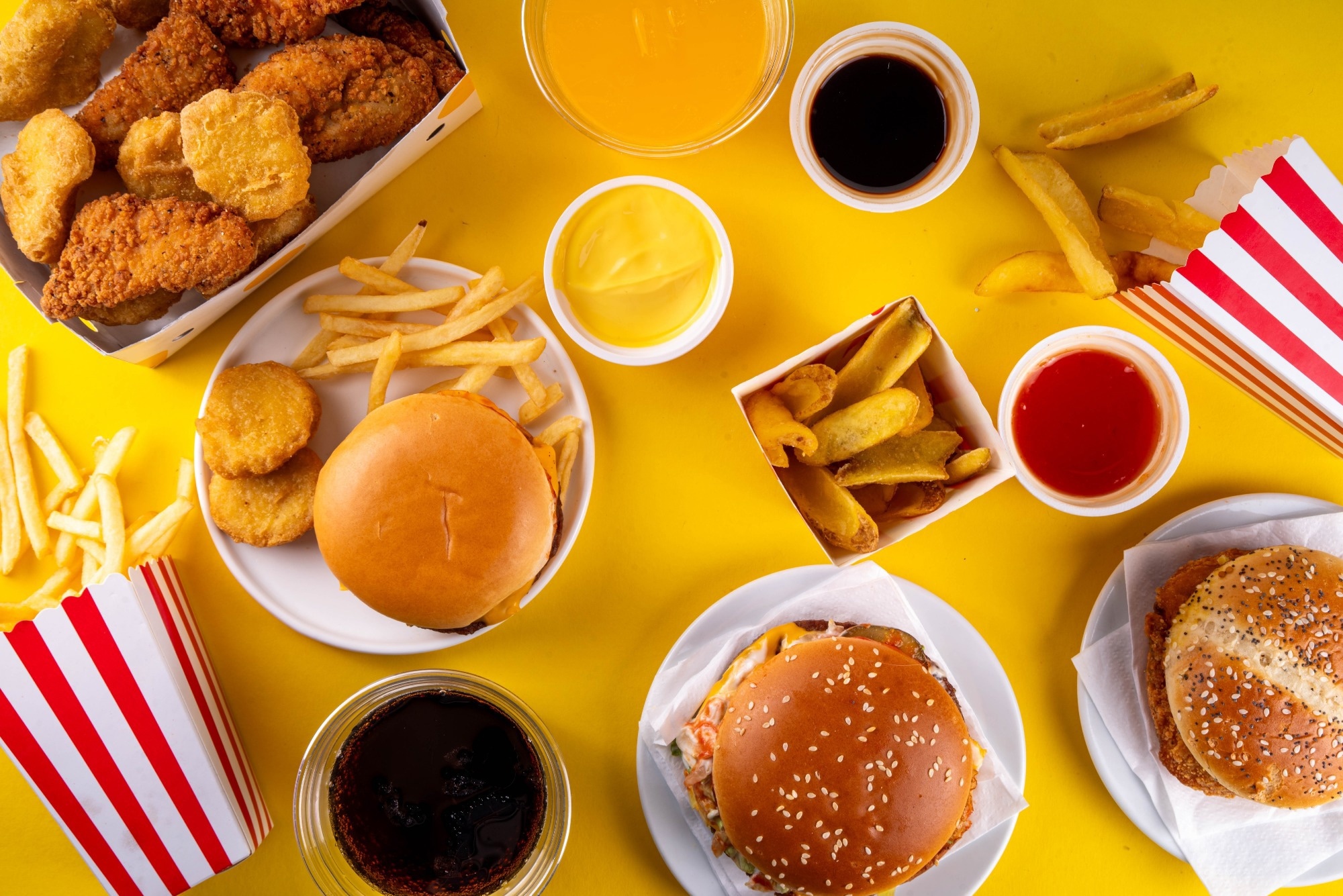
Common examples include carbonated soft drinks, sweet or savory packaged snacks (like chips and cookies), reconstituted meat products (like sausages and nuggets), instant noodles, sweetened breakfast cereals, and many "heat-and-eat" frozen dinners.
Why are ultra-processed foods considered harmful?
They are often high in added sugars, sodium, and unhealthy fats while being low in essential nutrients like dietary fiber and vitamins. Additionally, the industrial processing methods and chemical additives used can interfere with metabolic health and promote inflammation throughout the cardiovascular system.
What happens to your body when you stop eating ultra-processed foods?
When you shift toward heart-healthy whole food alternatives, many people experience stabilized blood sugar levels, reduced bloating, and improved energy. Long-term, reducing these foods can lead to lower blood pressure, improved cholesterol levels, and a significantly lower risk of cardiovascular mortality.
Final Thoughts on Heart Health
The evidence regarding ultra-processed food risks is clear: our modern reliance on convenient, industrial formulations is taking a toll on our cardiovascular health. However, the power to change this trajectory lies in our daily choices. By becoming more aware of what is truly in our food and returning to a diet centered on whole, nutrient-dense ingredients, we can build lasting cardiovascular resilience. Start small—replace one packaged snack a day with a whole food alternative—and let your heart reap the benefits of real nutrition.