Quick Facts
- Primary Risk: Recent clinical data reveals a 23% increased risk of all-cause stroke associated with chronic constipation.
- Mechanism: Straining during a bowel movement can trigger the Valsalva maneuver, causing blood pressure surges of up to 70 mmHg.
- Key Statistics: Individuals with constipation are more than twice as likely to experience a major cardiovascular event compared to those with regular habits.
- Ischemic Connection: The risk is even more pronounced for ischemic stroke, with a 39% increased risk identified in large-scale meta-analyses.
- High-Risk Groups: Patients with existing high blood pressure who also suffer from constipation face a 34% higher risk of cardiac incidents.
- Recovery Impact: Constipation affects nearly 46% of acute stroke patients, significantly hindering rehabilitation and long-term outcomes.
Research indicates a significant connection between bowel dysfunction and cardiovascular health. Straining during bowel movements can trigger the Valsalva maneuver, leading to sudden blood pressure spikes and increased intra-abdominal pressure, which may elevate the risk of vascular events. Maintaining bowel regularity is essential for minimizing heart strain and managing overall vascular health. This guide explores the constipation stroke risk based on 2024 clinical meta-analyses and UK Biobank data.
The Physiology of Straining: Valsalva and Heart Strain
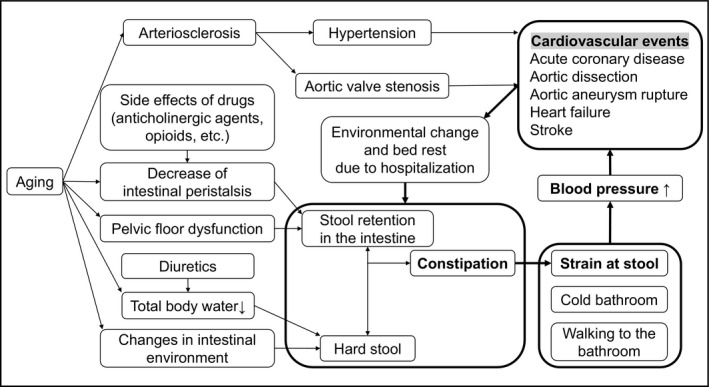
As a gut health editor, I often focus on the microbiome, but we cannot ignore the raw mechanical stress that bowel dysfunction places on the body. When you find yourself straining on the toilet, you are likely performing what clinicians call the Valsalva maneuver. This involves a forceful attempt at exhalation against a closed airway. While this is a natural reflex to assist in passing stool, the cardiovascular effects of chronic constipation can be profound.
This maneuver significantly increases intra-abdominal pressure, which in turn compresses major blood veins. Consequently, there is a momentary drop in blood return to the heart, followed by a sudden, massive surge in blood pressure once the strain is released. This pressor effect is particularly dangerous for those with underlying vascular health issues. In many cases, systolic blood pressure can spike by as much as 70 mmHg during a single episode of straining.
Clinical Warning: For elderly individuals, blood pressure fluctuation caused by defecation strain does not always return to baseline immediately. Research shows that blood pressure can remain elevated for up to 60 minutes post-defecation in vulnerable populations, increasing the window of risk for a cardiac event.
This process is governed by the autonomic nervous system and the vagus nerve, which serves as a superhighway between the gut and the heart. When the autonomic nervous system is repeatedly stressed by constipation, it can lead to long-term heart strain. Furthermore, the increased intra-abdominal pressure can cause a temporary cessation of blood flow to the brain, followed by a rapid "rush" of blood that may dislodge arterial plaques or rupture weakened vessels. Understanding how straining from constipation affects stroke risk is the first step in recognizing that bowel habits are a legitimate vital sign for heart health.
2024 Research Breakthroughs: Tracking the Risk
The connection between our intestines and our arteries has moved from a clinical theory to a statistically proven reality. In 2024, a landmark meta-analysis of over 5.9 million participants published in Frontiers in Neurology confirmed that constipation is associated with a 23% increased risk of stroke and a 39% increased risk of ischemic stroke. These numbers are hard to ignore; they suggest that chronic digestive issues are not just a matter of discomfort but a significant factor in stroke pathology.
The research becomes even more compelling when we look at data from the UK Biobank. After following more than 400,000 individuals, researchers found that people with constipation are more than twice as likely to suffer a major cardiovascular event, such as a heart attack or stroke, compared to those with regular bowel habits. This suggests an independent link that persists even after accounting for traditional risk factors like diet, age, and smoking.
| Study Source | Participant Count | Key Finding |
|---|---|---|
| Frontiers in Neurology (2024) | 5.9 Million | 23% overall stroke risk increase |
| UK Biobank | 400,000 | 2x risk of major cardiac events |
| Monash University (2024) | Large Clinical Cohort | 34% higher risk for hypertensive patients |
Adding to this, a study conducted by Monash University found that individuals with both high blood pressure and constipation have a 34% higher risk of major cardiac events than those with high blood pressure alone. This intersection of hypertension and bowel dysfunction creates a "perfect storm" for vascular failure. It is possible that the gut-brain axis also plays a role here, as microbiome diversity is often lower in people with chronic constipation, leading to systemic inflammation that further damages vascular walls.
Post-Stroke Constipation (PSC): A Barrier to Recovery
The relationship between the gut and stroke is a two-way street. While constipation may increase stroke risk, the event of a stroke itself often triggers severe bowel dysfunction. Post-stroke constipation (PSC) is an incredibly common complication, affecting approximately 46.3% of patients in the acute stages of recovery. This is not just a secondary symptom; it is a major barrier to effective rehabilitation.
Identifying the risk factors for PSC is vital for caregivers and clinicians. Research indicates that patients suffering from a hemorrhagic stroke or those with posterior circulation issues are at the highest risk. In fact, these clinical factors can increase the likelihood of developing constipation by nearly three times. Other contributing factors include:
- Clinical Comorbidities: Diabetes and pre-existing gastrointestinal issues.
- Medication Side Effects: The use of osmotic diuretics and certain blood pressure medications can slow intestinal motility.
- Environmental Factors: The transition to bedpan usage and the lack of privacy in a hospital setting often disrupt the natural urge to defecate.
- Psychological Health: Depression and poor sleep quality, common in the wake of a neurological event, further inhibit the autonomic nervous system.
For a patient in recovery, managing post-stroke constipation for better recovery is as important as physical therapy. When a patient is constipated, they experience physical discomfort and increased stress, which can stall progress. Clinicians are now being urged to screen for bowel dysfunction within the first 48 hours of admission to optimize the recovery trajectory and reduce preventable complications.
Prevention Strategies: From Diet to Habits
To protect both your gut and your heart, you must prioritize bowel regularity. The goal is to move stool easily without the need for intense physical effort, thereby preventing constipation to lower blood pressure spikes. This is achieved through what I call the "Prevention Trifecta."
First, dietary changes to reduce constipation and heart risk are essential. Aim for 20 to 35 grams of fiber daily. However, do not just focus on quantity; focus on variety to support microbiome diversity. Soluble fiber, found in oats and beans, helps soften stool, while insoluble fiber from vegetables provides the bulk needed for intestinal motility.
Second, hydration is non-negotiable. Fiber requires water to work; without it, fiber can actually make constipation worse. Aim for 1.5 to 2 liters of water daily. If you are using stool softeners or osmotic laxatives, your fluid needs may be even higher.
Third, the timing of your bowel movements matters. The body is naturally primed for defecation in the morning, shortly after waking or after a meal (the gastrocolic reflex). Ignoring this urge can lead to harder stools and the need for straining later in the day.
Jordan’s Pro-Tip: Consider the environmental temperature of your bathroom. Research suggests that cold environments can cause peripheral vasoconstriction, which, when combined with the strain of a bowel movement, can lead to even sharper blood pressure spikes in the elderly.
Finally, look into natural ways to improve bowel regularity for heart health. Regular movement—even a 15-minute walk—massages the internal organs and stimulates the gut. If chronic issues persist, consult a specialist to ensure that your intestinal motility is not being compromised by other underlying health conditions.
FAQ
Can constipation lead to a stroke?
Yes, recent meta-analyses have shown that chronic constipation is an independent risk factor for stroke. The physical strain associated with difficult bowel movements causes acute spikes in blood pressure that can lead to vascular rupture or the dislodging of arterial plaques.
Does straining during a bowel movement increase stroke risk?
Straining triggers the Valsalva maneuver, which significantly increases intra-abdominal pressure and causes a secondary pressor effect on blood pressure. For those with weakened arteries, these sudden surges can trigger a stroke or other major cardiovascular events.
How are bowel movements and heart health connected?
The connection is primarily mechanical and neurological. Mechanically, the act of straining taxes the heart and vascular system. Neurologically, the gut and heart communicate via the autonomic nervous system. Chronic gut issues can lead to systemic inflammation and autonomic stress, both of which degrade heart health over time.
Can chronic constipation cause high blood pressure?
While constipation may not be the primary cause of chronic hypertension, it leads to frequent and significant blood pressure fluctuation. Over time, these repeated spikes during straining can contribute to vascular damage and worsen existing high blood pressure.
What are the cardiovascular risks of long-term constipation?
Long-term constipation is associated with a doubled risk of major cardiac events, including heart attacks and both ischemic and hemorrhagic strokes. It is also linked to poorer outcomes following a cardiac event due to the added physical stress on the body during recovery.