Quick Facts
- Entry Price: $299 for 2.5mg vial and $399 for 5mg vial via LillyDirect.
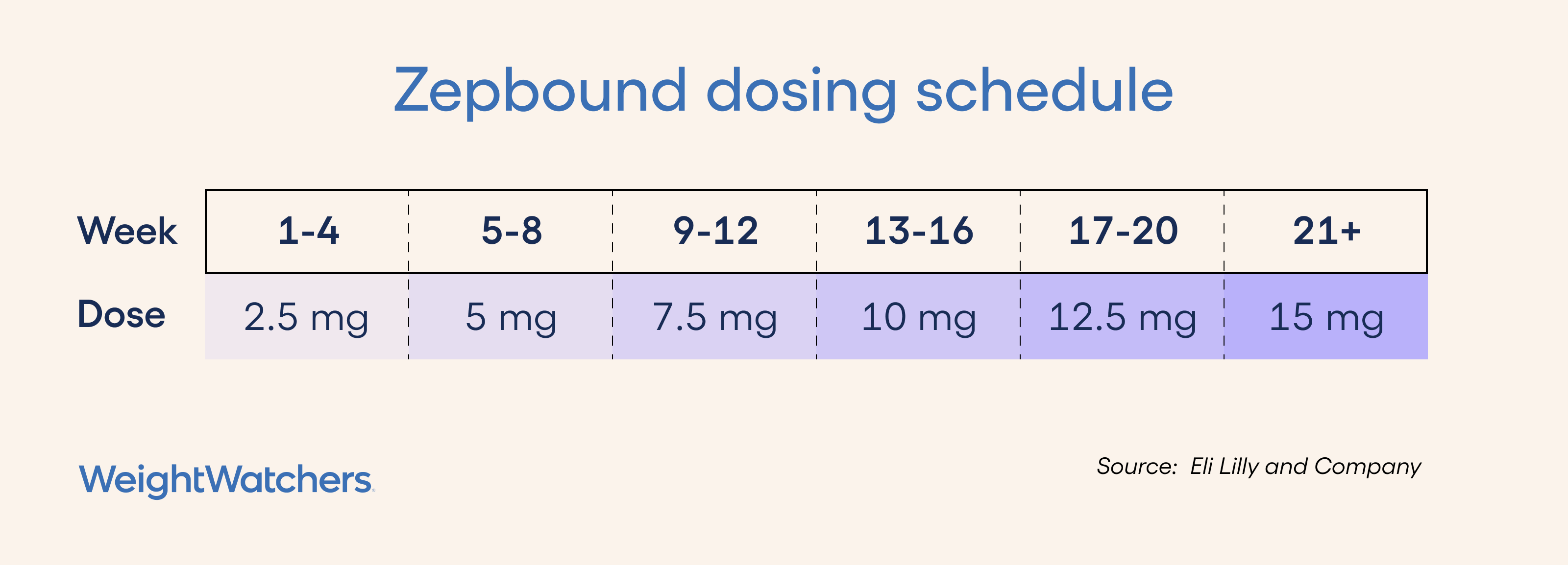
- Starting Dose: 2.5 mg administered once weekly for the first 4 weeks.
- Titration Protocol: Dose increases of 2.5 mg every 4 weeks to improve tolerability.
- Maintenance Doses: 5 mg, 10 mg, or 15 mg based on individual metabolic response.
- Weight Loss Potential: Up to 20.9% body weight reduction at the maximum 15 mg dose.
- Delivery Formats: Single-dose glass vials (self-pay) or prefilled auto-injector pens (insurance-friendly).
- Access: Exclusive self-pay pricing available only through the LillyDirect digital platform.
Start your journey with the zepbound starting dose of 2.5 mg. With new single-dose vials, Eli Lilly offers affordable options for chronic weight management. Standard zepbound doses follow a monthly titration schedule starting at 2.5 mg once weekly. After four weeks, the dosage typically increases to 5 mg, with further increments possible every four weeks up to a maximum maintenance dose of 15 mg. This gradual approach helps the body adjust to the medication and minimizes gastrointestinal side effects such as nausea and digestive discomfort.
The Zepbound Titration Schedule: 2.5 mg to 15 mg
Clinical precision is the hallmark of Tirzepatide therapy. Unlike some supplements where you might reach full dosage on day one, zepbound doses require a calculated ramp-up period known as a titration protocol. This transition is not about efficacy alone; it is a vital safety measure to allow the dual GLP-1 and GIP receptor agonists to integrate with your metabolic system without overwhelming the digestive tract.
The journey begins with the zepbound 2.5 mg strength. At this introductory level, the primary goal is not significant weight loss, but rather physiological acclimation. You will remain on this initial dose for exactly four weeks. Following this period, your healthcare provider will likely move you to the 5 mg dose. This is where many patients begin to see a more pronounced shift in appetite suppression and glycemic control.
According to the groundbreaking SURMOUNT-1 study, the results of this titration are dose-dependent. Participants on the 5 mg dose saw an average weight reduction of approximately 15%, while those who titrated up to the maximum 15 mg dose achieved an average reduction of 20.9%. The schedule allows for increments of 2.5 mg every four weeks, but it is important to note that not everyone needs to reach 15 mg. Many individuals find their optimal zepbound maintenance dose schedule at 5 mg, 7.5 mg, or 10 mg.
The timing between shots is also a critical factor in maintaining steady-state concentrations in the blood. When considering how long between zepbound doses, the standard is seven days. This weekly cadence helps manage the half-life of the medication, ensuring that the metabolic effects remain consistent while minimizing the peak-and-trough intensity that can lead to gastrointestinal side effects like bloating or heartburn.

Zepbound Vials vs. Pens: Cost and Logistics
For many patients, the largest barrier to chronic weight management has been financial rather than clinical. The introduction of single-dose glass vials represents a significant shift in the market. While the prefilled auto-injector pens are designed for convenience and are typically the preferred route for those with commercial insurance coverage, they often carry a high retail price for the uninsured.
Eli Lilly has addressed this by launching a self-pay model through the LillyDirect pharmacy. In this program, the company has reduced the monthly cash-pay price for Zepbound single-dose vials to $299 for the 2.5 mg dose and $399 for the 5 mg dose. This pricing for Zepbound single-dose vials represents a discount of 50% or greater compared to the standard list prices of other incretin medicines used for chronic obesity.
| Feature | Prefilled Pens | Single-Dose Vials |
|---|---|---|
| Delivery Method | Hidden needle, auto-injector | Manual syringe and needle |
| Cost (No Insurance) | ~$1,060 (List Price) | $299 - $399 (LillyDirect) |
| Availability | Retail & Mail Order | LillyDirect Exclusive |
| Insurance | Often covered / Savings Cards | Strictly Self-Pay |
| Ease of Use | High (One-click) | Moderate (Requires drawing dose) |
When choosing between zepbound pen doses vs vial doses, you must consider both your budget and your comfort level with needles. The vials require you to purchase separate insulin syringe supplies. Because the medication is dispensed in single-dose glass vials, you are drawing the exact amount needed for a one-time injection, which reduces the risk of contamination compared to multi-dose formats. However, it does require a steady hand and a basic understanding of out-of-pocket expenses versus long-term health gains.
Precision Dosing: Converting mg to ml and Units
Transitioning from an auto-injector to a vial requires a small amount of "syringe math." As an editor focused on micronutrient science and dosage awareness, I cannot overstate the importance of accuracy here. The concentration of the medication in these vials is 30 mg/mL. This means that a standard 0.5 mL vial contains 15 mg of the active ingredient, Tirzepatide.
For those on the zepbound doses in ml, the math for the starting dose looks like this:
- Dose: 2.5 mg
- Volume: 0.083 mL
- U-100 Syringe Units: 8.33 units
Pro-Tip: When using an insulin syringe for zepbound vial doses, always ensure you are using a U-100 syringe. Since the 2.5 mg dose is a very small volume, pull the plunger slowly to avoid air bubbles, which can displace the actual medication and lead to under-dosing.
Each vial is designed for one-time use. If you are wondering how many doses in a zepbound vial, the answer is strictly one. Even if there is a tiny droplet of liquid left in the vial after your injection, FDA prescribing guidelines state that these vials are preservative-free and should be discarded after a single use.
The subcutaneous injection should be administered in the abdomen, thigh, or back of the arm. Rotating your injection site each week is a standard clinical recommendation to prevent lipohypertrophy (the buildup of fat under the skin), which can interfere with how the medication is absorbed.
Safety Protocols and Missed Dose Management
Consistency is the foundation of success in weight management, but life occasionally interferes with the titration protocol. Understanding the safety guardrails provided by the FDA prescribing guidelines ensures that you stay on track without compromising your health.
The most important rule is the 72-hour gap. You should never take two zepbound doses within 72 hours of each other. If you miss a dose, you have a 96-hour window (4 days) to take the missed shot. If more than 4 days have passed, skip the missed dose and wait until your next regularly scheduled day.
If you happen to miss your medication for more than two weeks (14 days), do not simply jump back in at your current maintenance dose. Consult your physician, as you may need to restart at a lower dose to avoid severe gastrointestinal side effects. The body's sensitivity to Tirzepatide returns quickly when the medication is absent, and jumping straight back into a 10 mg or 15 mg dose can cause significant distress.
Storage is another factor in safety. Vials should be kept in the refrigerator between 36°F to 46°F (2°C to 8°C). While the medication can survive at room temperature for up to 21 days, it must be kept away from direct light and heat. Once a vial is punctured, it must be used immediately; do not save a "half-dose" for later, as the lack of preservatives makes the liquid a potential breeding ground for bacteria once the seal is broken.
FAQ
What are the Zepbound dosages?
The available strengths include 2.5 mg, 5 mg, 7.5 mg, 10 mg, 12.5 mg, and 15 mg. Patients typically start at the lowest dose and move up every four weeks based on their tolerance and weight loss progress as determined by a healthcare provider.
Is 2.5 mg of Zepbound enough to lose weight?
While the 2.5 mg strength is primarily a starting dose intended for acclimation, some highly sensitive individuals do experience weight loss at this level. However, clinical trials show that more significant and sustained weight reduction occurs at the 5 mg dose and higher.
Can I go from 5mg to 10 mg Zepbound?
It is not recommended to skip dose levels. The standard protocol involves moving from 5 mg to 7.5 mg before reaching 10 mg. Skipping steps significantly increases the risk of severe nausea, vomiting, and dehydration.
Is 7.5 mg of Zepbound a lot?
The 7.5 mg dose is considered an intermediate or transitional dose. For many, it is the "sweet spot" where weight loss accelerates before moving to higher maintenance levels. It is exactly half of the maximum allowable dose of 15 mg.
How long do people stay on 2.5 Zepbound?
The standard duration is four weeks. Because 2.5 mg is not considered a therapeutic dose for long-term weight maintenance in clinical guidelines, most patients transition to the 5 mg dose after the first month to achieve better metabolic results.