Quick Facts
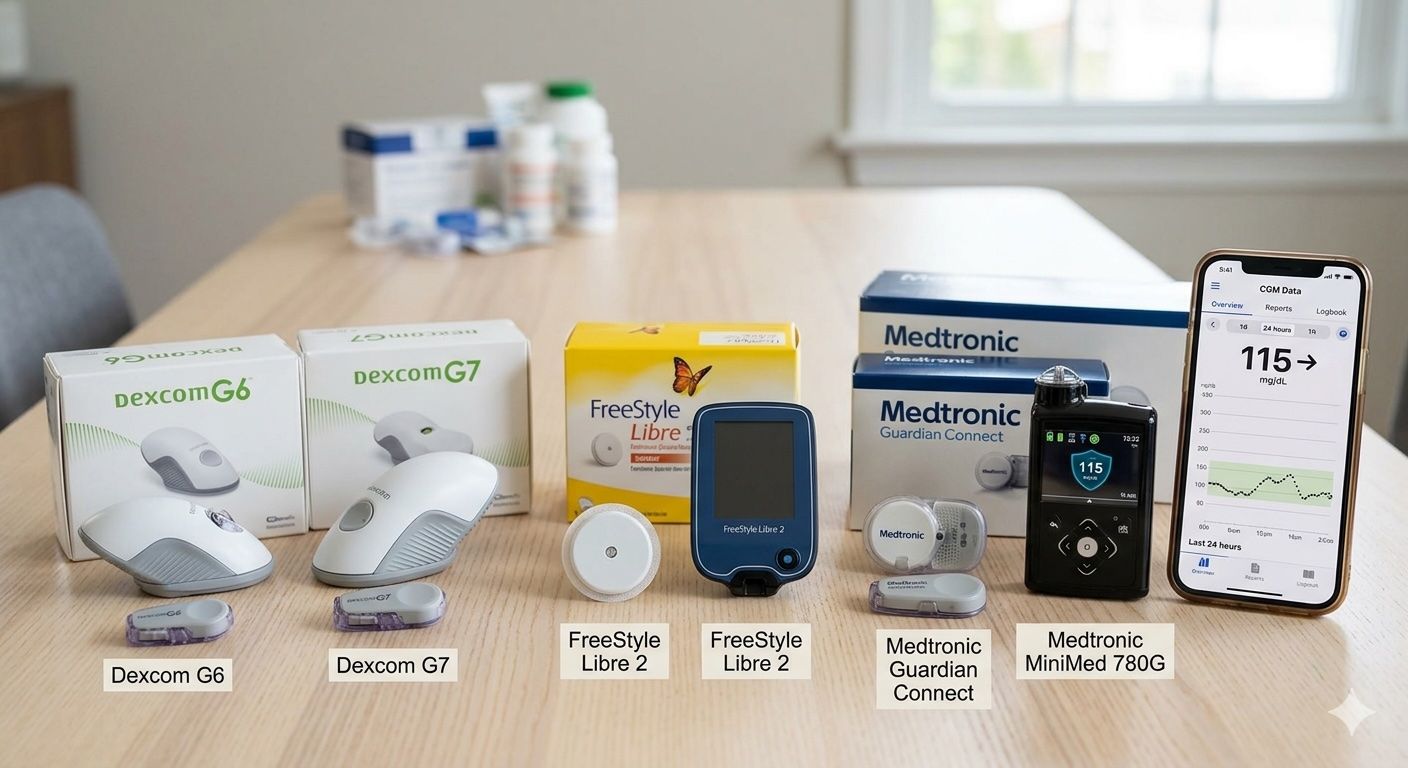
- Best Overall: Dexcom G7 (8.2% MARD, Direct-to-Watch connectivity)
- Best Long-Term: Eversense 365 (1-year implantable sensor)
- Best OTC for Wellness: Dexcom Stelo & Abbott Lingo
- Best for Precision: Abbott FreeStyle Libre 3 Plus
- Market Status: 67% reduction in diabetes-related hospitalizations linked to CGM use.
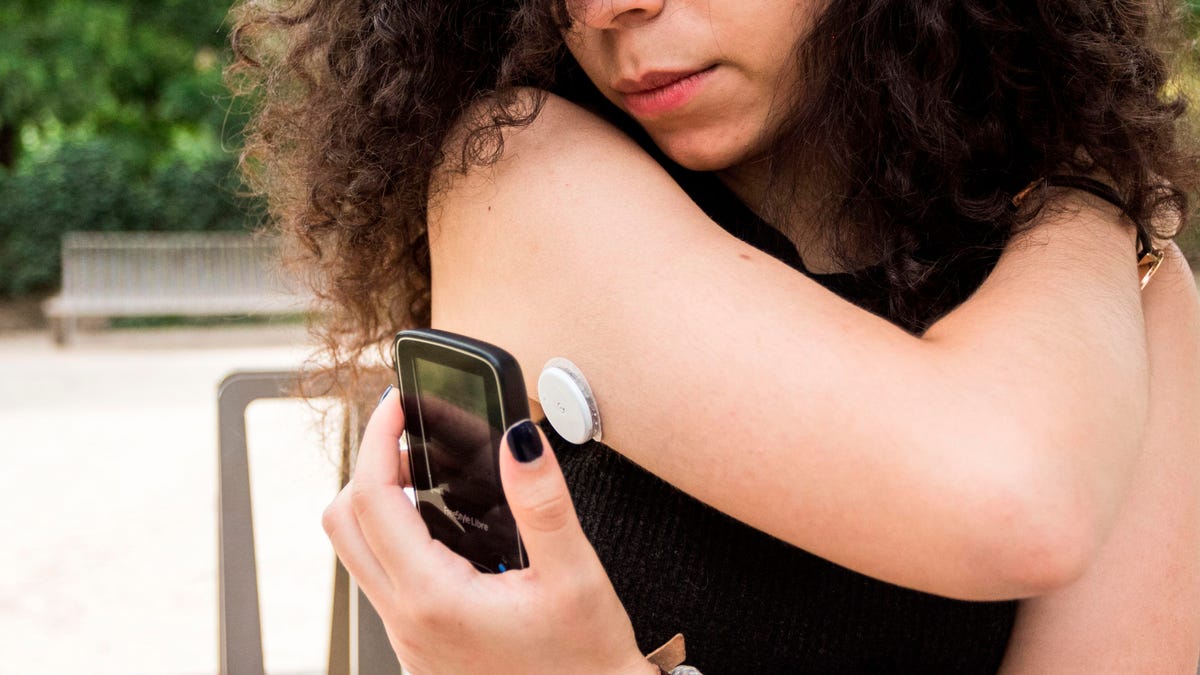
In 2026, leading continuous glucose monitors include the Dexcom G7 for its high accuracy and smartwatch compatibility, and the Abbott FreeStyle Libre 3 Plus, noted for its small size and 15-day wear time. For long-term use, the Eversense 365 offers an implantable sensor lasting one year. These devices provide real-time glycemic data to help manage diabetes and optimize metabolic health through predictive alerts.
The 2026 CGM Landscape: OTC Revolution and Multi-Analyte Sensors
The world of continuous glucose monitors has shifted from a niche medical tool to a cornerstone of preventative health. As of 2024, the global market for these systems was valued at approximately USD 11 billion, yet this represented only about 0.5% of the global diabetic population. By 2026, we have seen this gap close rapidly, not just for patients, but for health optimizers.
The most significant shift is the rise of over the counter cgm for metabolic health tracking. No longer hidden behind a prescription wall, biowearables are now available to anyone looking to understand how their lifestyle impacts their longevity. We are also seeing the first wave of ketone and glucose dual sensor wearables coming in 2026. These dual-trackers allow biohackers to monitor both fuel sources simultaneously, providing a clearer picture of metabolic flexibility than ever before.
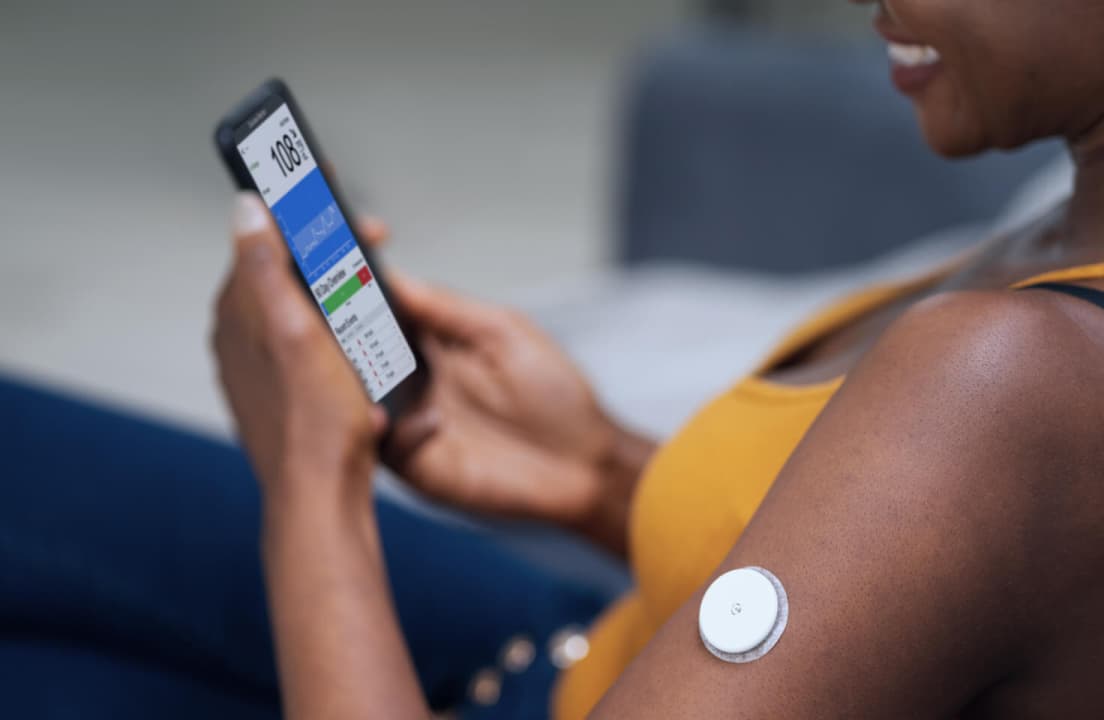
One of the primary benefits of real-time glucose data is the ability to see the immediate impact of a meal or a workout. Instead of waiting months for an HbA1c test, users receive feedback within minutes. This immediate loop is a powerful psychological tool for behavior change.
Comparing the Giants: Eversense 365 vs Dexcom G7 for Long Term Wear
When selecting a sensor, the best cgm for accuracy 2026 MARD ratings usually point toward the Dexcom G7. MARD, or Mean Absolute Relative Difference, is the industry gold standard for clinical accuracy metrics. The lower the percentage, the closer the sensor is to a lab-grade blood test. The G7 maintains a MARD of 8.2%, making it incredibly reliable for detecting glycemic variability.
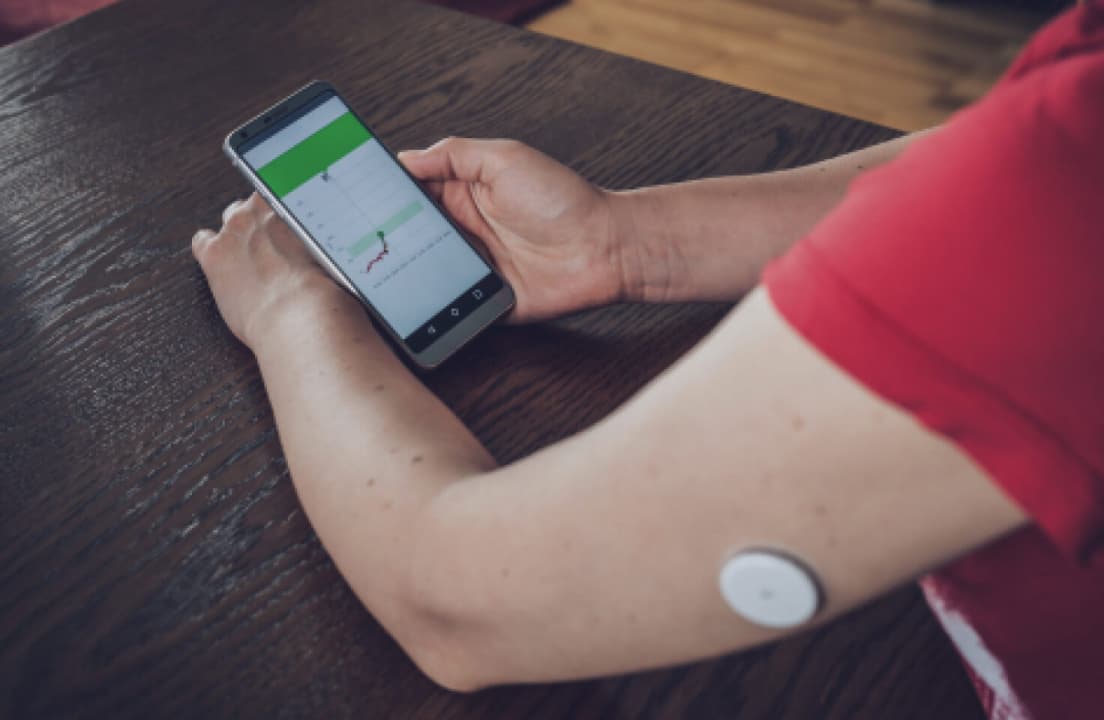
However, the eversense 365 vs dexcom g7 for long term wear debate depends on your lifestyle. The G7 is a disposable patch worn for 10 days. In contrast, the Eversense 365 is a tiny sensor implanted under the skin by a healthcare provider, offering a full year of data. While the initial procedure is more involved, it eliminates the need for bi-weekly sensor changes and reduces the plastic waste associated with disposables.

Both devices track glucose in the interstitial fluid rather than the blood, which results in a slight time lag of about 5 to 10 minutes compared to a finger stick. For most users, this delay is negligible when compared to the benefit of having a continuous stream of data.
Biohacking Metabolic Health: Abbott Lingo vs Libre Rio for Type 2 Diabetes
Abbott has diversified its lineup to cater to different user needs. In the abbott lingo vs libre rio for type 2 diabetes comparison, the distinction lies in the software and intent. The Libre Rio is designed for non-insulin-using Type 2 diabetics who need to manage their condition without the complexity of high-alert systems. It focuses on maintaining a healthy Time in Range (TIR).
The Abbott Lingo, however, is a pure wellness play. It is marketed as one of the premier metabolic health tracking wearables for people without a clinical diagnosis. The Lingo app focuses on personalized nutrition and coaching, helping users understand which specific foods cause their postprandial spikes. Research has shown that even in non-insulin users, starting CGM technology is associated with a 0.7% overall reduction in average HbA1c levels.
The Health Stack: How to Sync CGM with Apple Watch and Oura Ring
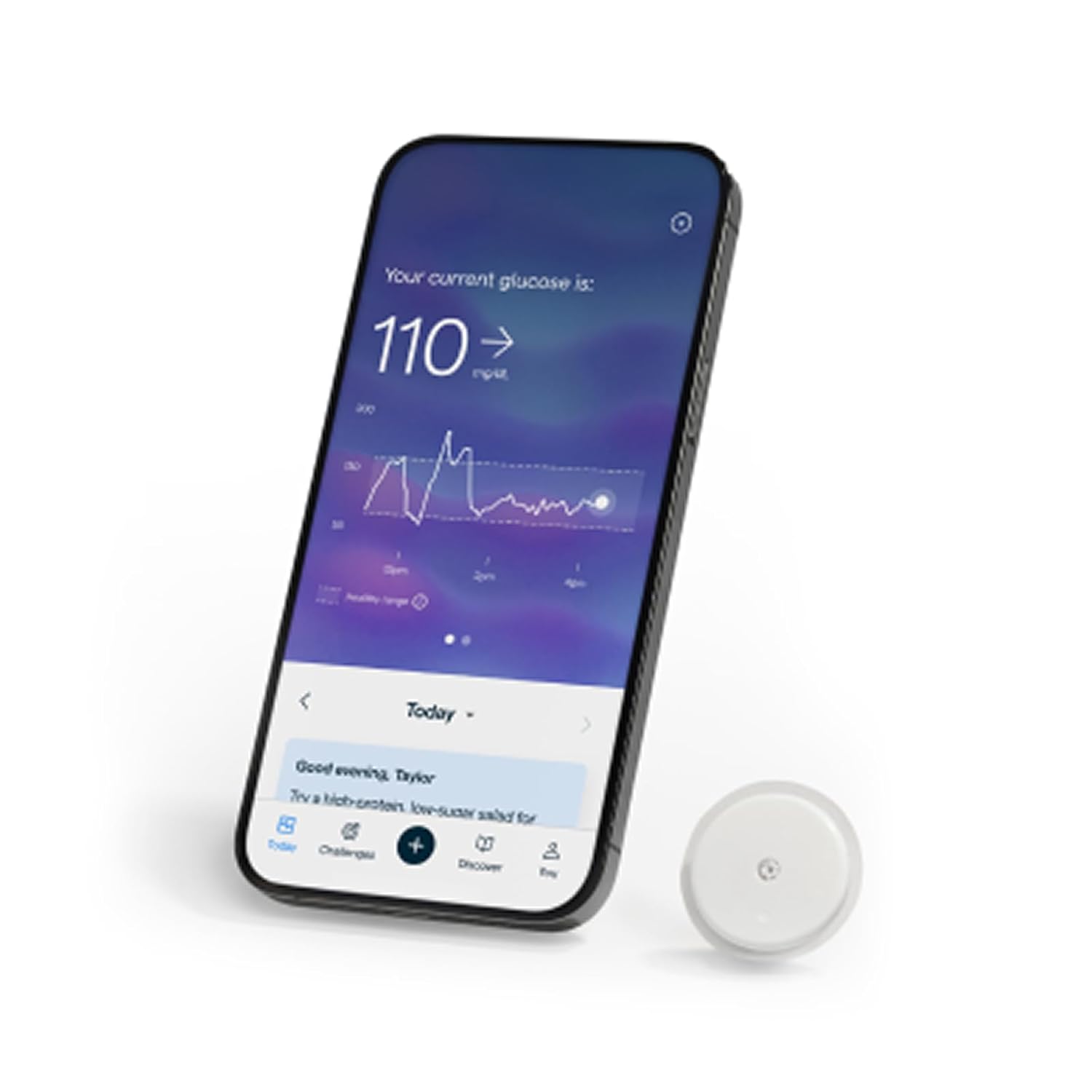
For the modern health enthusiast, a CGM is just one piece of the puzzle. To get the most out of your data synchronization, you need to know how to sync cgm with apple watch and oura ring.
- Direct-to-Watch: The Dexcom G7 can now bypass the phone entirely, sending data directly to your Apple Watch. This is a game-changer for runners and athletes.
- Third-Party Integrators: Apps like Nutrisense or Levels act as a bridge, pulling glucose data into the Apple Health ecosystem.
- The Oura Connection: By syncing glucose data with your Oura Ring sleep metrics, you can see how late-night postprandial spikes affect your sleep quality and Heart Rate Variability (HRV).
This integrated health stack allows you to see the interplay between stress, sleep, and metabolic health in a single dashboard.
Interpretation Protocol: Symptom-Cause-Action for Glucose Data
Data is useless without a framework for interpretation. When comparing wearable glucose sensors, look for how the software helps you act. Here is a basic protocol for managing your readings:
-
Symptom: You feel a "crash" or brain fog two hours after lunch.
-
Cause: A high-carb meal caused a massive spike followed by reactive hypoglycemia.
-
Action: Next time, pair those carbs with fiber, protein, and healthy fats to flatten the glucose curve.
-
Symptom: Fasting glucose is higher than usual in the morning.
-
Cause: Poor sleep or a high-stress day prior.
-
Action: Prioritize restorative sleep and check your evening meal for hidden sugars.
Safety Sidebar: Always stay informed about hardware reliability. In early 2026, certain batches of the Abbott Libre 3 Plus were subject to an FDA recall due to potential for false high readings. Always check your device's serial number against the manufacturer’s database.
The stakes are high. Evidence shows that consistent use of continuous glucose monitors is linked to a 40% reduction in emergency department visits for those with metabolic conditions.
FAQ
Do you need a prescription for a continuous glucose monitor?
In 2026, you do not always need a prescription. While high-end clinical models like the Dexcom G7 or Libre 3 still often require one for insurance coverage, new OTC options like Dexcom Stelo and Abbott Lingo are available for direct purchase by consumers.
Are continuous glucose monitors more accurate than finger sticks?
Finger sticks measure capillary blood, which is the most current measurement. Continuous glucose monitors measure interstitial fluid, which has a slight lag. While finger sticks are the "gold standard" for a single point in time, CGMs are more "accurate" at showing trends and the direction of glucose movement.
How much does a continuous glucose monitor cost without insurance?
Without insurance, OTC models generally range from $80 to $100 per month. Clinical models can cost between $150 and $300 per month depending on the brand and the number of sensors required.
Can people without diabetes use continuous glucose monitors?
Yes. Many people use them for metabolic health tracking, weight management, and athletic performance. These devices help non-diabetics understand their unique response to food, stress, and exercise to prevent future health issues.
Can you swim or shower with a continuous glucose monitor?
Yes, most modern sensors like the Dexcom G7 and Libre 3 are water-resistant. They are designed to stay on during showers and swimming, though they have depth and time limits (usually up to 8 feet for 30 minutes).
Choosing Your Path in 2026
If you are an athlete or a high-performance individual, the Dexcom G7 offers the best integration and accuracy. If you want a "set it and forget it" solution for long-term health, the Eversense 365 is unparalleled. For those just starting their biohacking journey, the Abbott Lingo provides the most user-friendly entry point. Regardless of the brand, the transition to real-time metabolic data is the most significant step you can take for your long-term vitality.