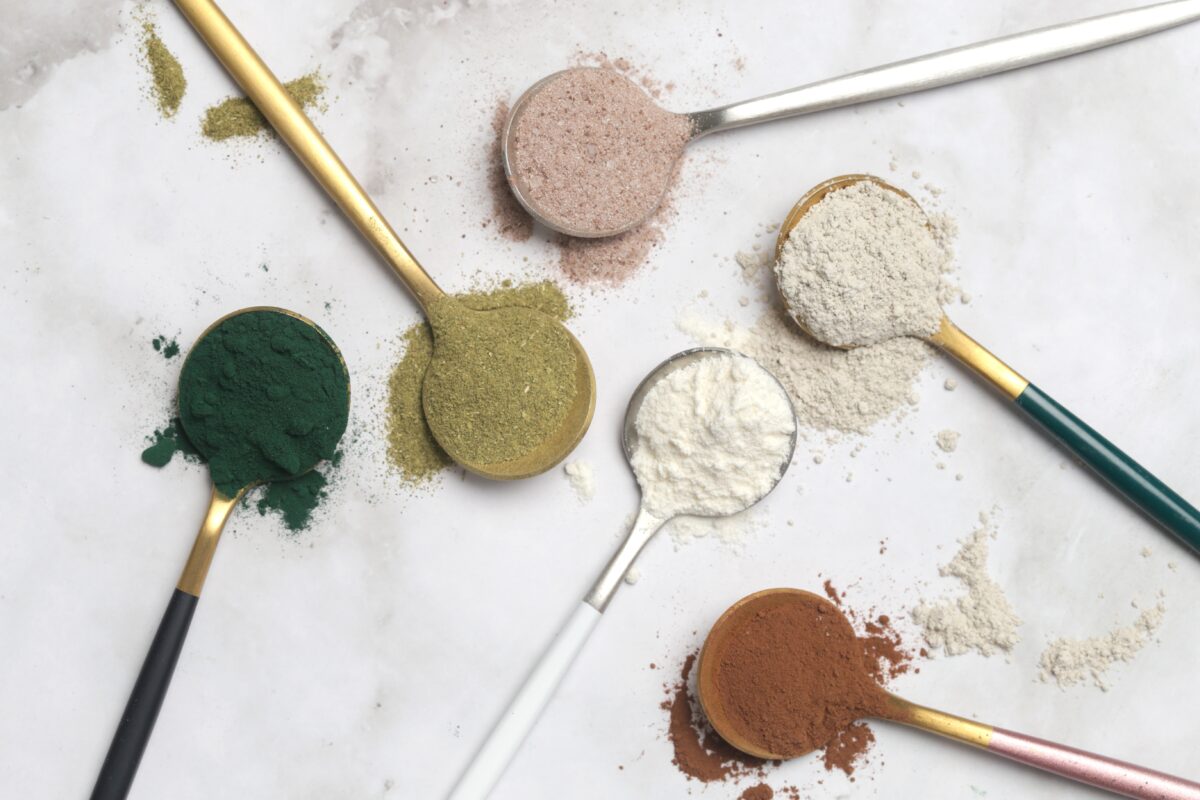
Our Top Picks
- Best for Muscle Preservation: Thorne Whey Protein Isolate – Exceptional leucine content and NSF Certified for Sport.
- Best for Hormonal Support: Ritual Essential Protein (Daily Shake 50+) – Formulated with calcium HMB to target age-related muscle decline.
- Best Plant-Based Option: Sunwarrior Warrior Blend – A clean label organic whey protein for aging adults alternative that balances amino acids without heavy metal concerns.
- Best for Metabolic Health: Kion Clean Protein – High bioavailability with zero additives, ideal for blood glucose stability.
As we age, the need for a targeted midlife protein powder becomes critical to combat anabolic resistance and muscle loss. Our 2026 guide identifies the cleanest, most bioavailable options to support hormonal health and longevity.
Quick Comparison: 2026 Midlife Favorites
| Brand | Protein Source | Price Per Serving | Lab Certification | Key Benefit |
|---|---|---|---|---|
| Thorne | Grass-fed Whey | $2.10 | NSF Certified for Sport | Highest Leucine |
| Ritual | Organic Pea | $2.30 | Informed Sport | HMB for Bone Health |
| Sunwarrior | Pea/Hemp/Goji | $1.65 | Clean Label Project | Low Heavy Metals |
| Momentous | Grass-fed Whey | $2.50 | NSF & Informed Sport | Rapid Absorption |
The Midlife Protein Gap: Why Needs Change After 40
In my decade of evaluating longevity compounds, few physiological shifts are as significant as the transition into the midlife protein gap. For the average adult, aging isn't just a number; it is a biological recalibration. Inactive adults typically lose between 3% and 8% of their muscle mass every decade starting in their 30s or 40s. This process, known as sarcopenia, isn't merely an aesthetic concern. It represents a decline in metabolic rate, bone density, and functional independence.
The fundamental challenge we face after 40 is anabolic resistance. This is a state where the body’s muscle-building machinery becomes less responsive to both exercise and dietary protein. To overcome this, the traditional Recommended Dietary Allowance (RDA) of 0.8 grams per kilogram of body weight is no longer sufficient. To help counteract age-related muscle decline, health experts recommend that older adults increase their daily protein intake to between 1.0 and 1.2 grams per kilogram of body weight.
Selecting the best protein powder for midlife muscle retention requires looking beyond total grams on the label. We need to focus on protein density and the specific amino acid profile—specifically leucine—which acts as the primary molecular "switch" to trigger muscle protein synthesis.
The Purity Paradox: Screening for Heavy Metals & Contaminants
One of the most concerning trends I have tracked in the supplement industry is the "Organic Paradox." While we naturally gravitate toward organic labels for health, data from the Clean Label Project suggests that organic plant-based proteins often test higher for heavy metals like arsenic, cadmium, and lead. This occurs because organic crops are often grown in soil that, while free of synthetic pesticides, may still be rich in naturally occurring or legacy minerals that the plants bioaccumulate.
When searching for a clean label protein for midlife, the source and the flavor matter. For instance, chocolate-flavored powders consistently test higher for heavy metals than vanilla or unflavored varieties due to the way cocoa plants absorb minerals from the earth.
Safety Alert: Always prioritize brands that undergo third-party certification from organizations like NSF International, Informed Sport, or the Clean Label Project. These certifications ensure that the product is free from banned substances and that the heavy metal content falls within safe thresholds.
For 2026, the gold standard for purity involves transparency. Look for low heavy metal protein powder brands 2026 that provide a Certificate of Analysis (CoA) upon request. This level of transparency is non-negotiable for midlife adults whose detoxification pathways may already be burdened by environmental stressors.
Best for Muscle Retention: High-Leucine Whey Selections
Whey protein remains the benchmark for bioavailability. It contains a complete essential amino acid profile and is naturally rich in leucine. For midlife individuals, whey isolate is often superior to concentrate because the extra filtration removes most of the lactose and fat, making it a more potent tool for muscle protein synthesis.
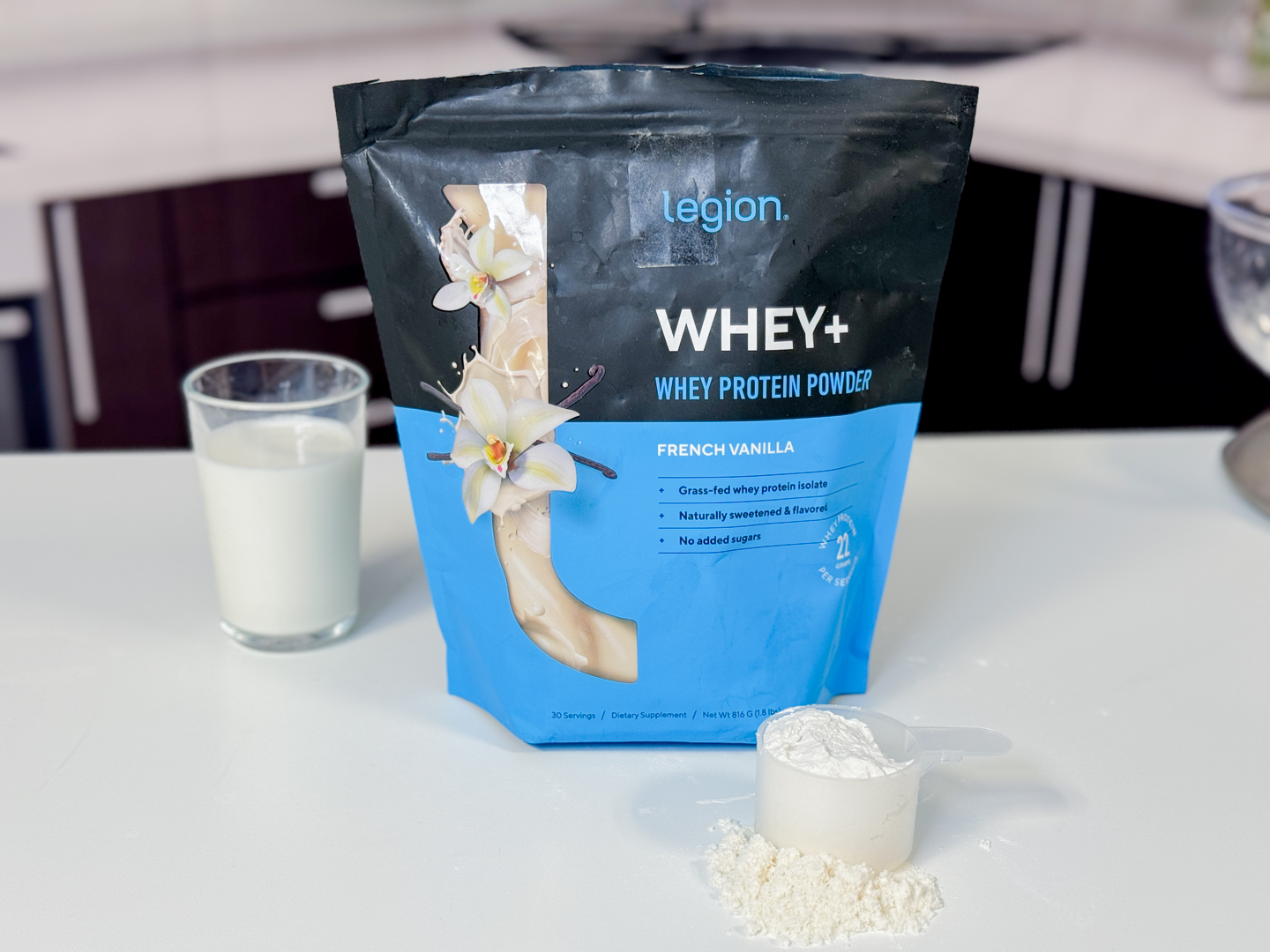
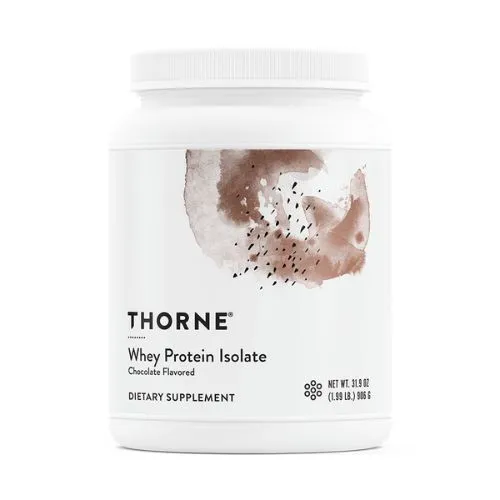
Thorne Whey Protein Isolate
Thorne has long been a staple in my personal longevity stack. Their isolate is derived from cow's milk that is free from rBGH and antibiotics.
- Notable: Contains approximately 2.3 grams of leucine per serving, which is the threshold required to trigger muscle building in aging tissue. It is also NSF Certified for Sport, ensuring the highest level of purity.
- Could Be Better: The price point is at the higher end of the market, reflecting its premium sourcing and testing.
Momentous Essential Whey
This brand has gained traction among longevity experts for its focus on absorption.
- Notable: Includes ProHydrolase, a proprietary enzyme blend that helps break down protein into smaller peptides, improving the essential amino acid profile absorption and reducing digestive discomfort.
- Could Be Better: Only available in limited flavors, which might not suit everyone's palate.
Best for Hormonal Balance & Digestion: Plant-Based & Casein Options
For many women in perimenopause and menopause, hormonal health protein supplements are about more than just muscle. They are about satiety management and blood glucose stability. Fluctuating estrogen levels can lead to insulin resistance, making it harder to maintain a stable weight.
A study of more than 48,000 women found that those who consumed higher amounts of plant-based protein during midlife were 46% more likely to experience healthy aging, characterized by fewer chronic diseases and better cognitive function.
Ritual Essential Protein (Daily Shake 50+)
Ritual has designed a formula specifically for the needs of the over-50 demographic.
- Notable: This pea-based formula includes 1.5 grams of calcium HMB, a metabolite of leucine that helps prevent muscle breakdown. This makes it an excellent hormone balancing protein supplements for menopause support.
- Could Be Better: The texture is slightly grittier than whey, a common trait of plant-based options.
Sunwarrior Warrior Blend
If you are looking for an easily digestible protein powder for over 50s, Sunwarrior is a formidable contender.
- Notable: It uses a fermented blend of pea, hemp, and goji berry. Fermentation significantly improves the digestibility and bioavailability of the nutrients, reducing the bloating often associated with plant proteins.
- Could Be Better: The flavor profile is quite strong; it works best when blended into a smoothie rather than just shaken with water.
Bonus Support: Collagen for Joints and Skin
While collagen is not a complete protein and shouldn't be your primary source for muscle building, it plays a vital role in a midlife health stack. As our natural collagen production drops, we see changes in skin elasticity and joint integrity. Incorporating collagen protein powder benefits for midlife joints by providing the specific amino acids—proline and hydroxyproline—needed for cartilage repair.
For midlife adults, I recommend a multi-collagen blend that includes types I, II, and III. This provides comprehensive bone density support and helps maintain the structural integrity of our connective tissues, which is essential as we continue to engage in the resistance training necessary to fight sarcopenia.
FAQ
What are the benefits of protein powder for midlife?
Protein powder provides a concentrated, convenient source of high-quality amino acids that are often difficult to get in sufficient quantities from whole foods alone as we age. It specifically helps overcome anabolic resistance, supports metabolic health by stabilizing blood sugar, and provides the building blocks for bone density support and muscle retention.
Which type of protein powder is best for muscle health after 40?
Whey protein isolate is generally considered the best for muscle health due to its high leucine content and rapid absorption. However, for those with dairy sensitivities, a high-quality plant-based blend that includes a variety of sources (like pea and rice) can provide a complete essential amino acid profile comparable to whey.
Are there specific protein powders recommended for menopause?
Yes, protein powders that include functional ingredients like calcium HMB or adaptogens are highly beneficial during menopause. These formulations help mitigate the muscle loss associated with declining estrogen levels while supporting perimenopausal support through better satiety management and blood glucose stability.
Can protein powder help prevent muscle loss as we age?
Absolutely. When combined with resistance training, protein powder is a powerful tool against age-related sarcopenia. By ensuring you reach the recommended 1.0 to 1.2 grams of protein per kilogram of body weight, you provide your body with the necessary nutrients to repair and maintain muscle tissue.
What ingredients should I look for in a midlife protein powder?
You should prioritize a high leucine-rich profile (at least 2-2.5 grams per serving) and look for digestive enzymes to ensure the protein is bioavailable nutrients. Additionally, check for third-party certification labels to ensure the product is a clean label protein for midlife that is free from heavy metals and artificial additives.
Are there any side effects of taking protein powder in midlife?
Most healthy adults experience no side effects. However, some may experience digestive issues like bloating or gas, particularly with whey concentrates or certain plant proteins. Choosing an easily digestible protein powder for over 50s—such as those with added enzymes or fermented ingredients—can help mitigate these issues. As always, consult with a healthcare provider if you have underlying kidney concerns.