Quick Facts
- Efficacy: Clinical evidence suggests modest weight loss results, typically ranging from 5-10 lbs over several months.
- Mechanism: Acts as a metabolic master switch by activating the AMPK pathway to improve insulin sensitivity and cellular energy.
- Metabolic Impact: Meta-analyses show it can reduce HbA1c levels by 0.7 to 1.4 percentage points in those with type 2 diabetes.
- Bioavailability: Standard oral absorption is poor (approximately 5%), requiring specific delivery forms like liposomal delivery for better results.
- Standard Dosage: Most research supports a protocol of 1,500mg daily, divided into three 500mg doses taken before meals.
- Safety: May cause gastrointestinal distress and can interact with medications processed by the liver, specifically the CYP3A4 enzyme.
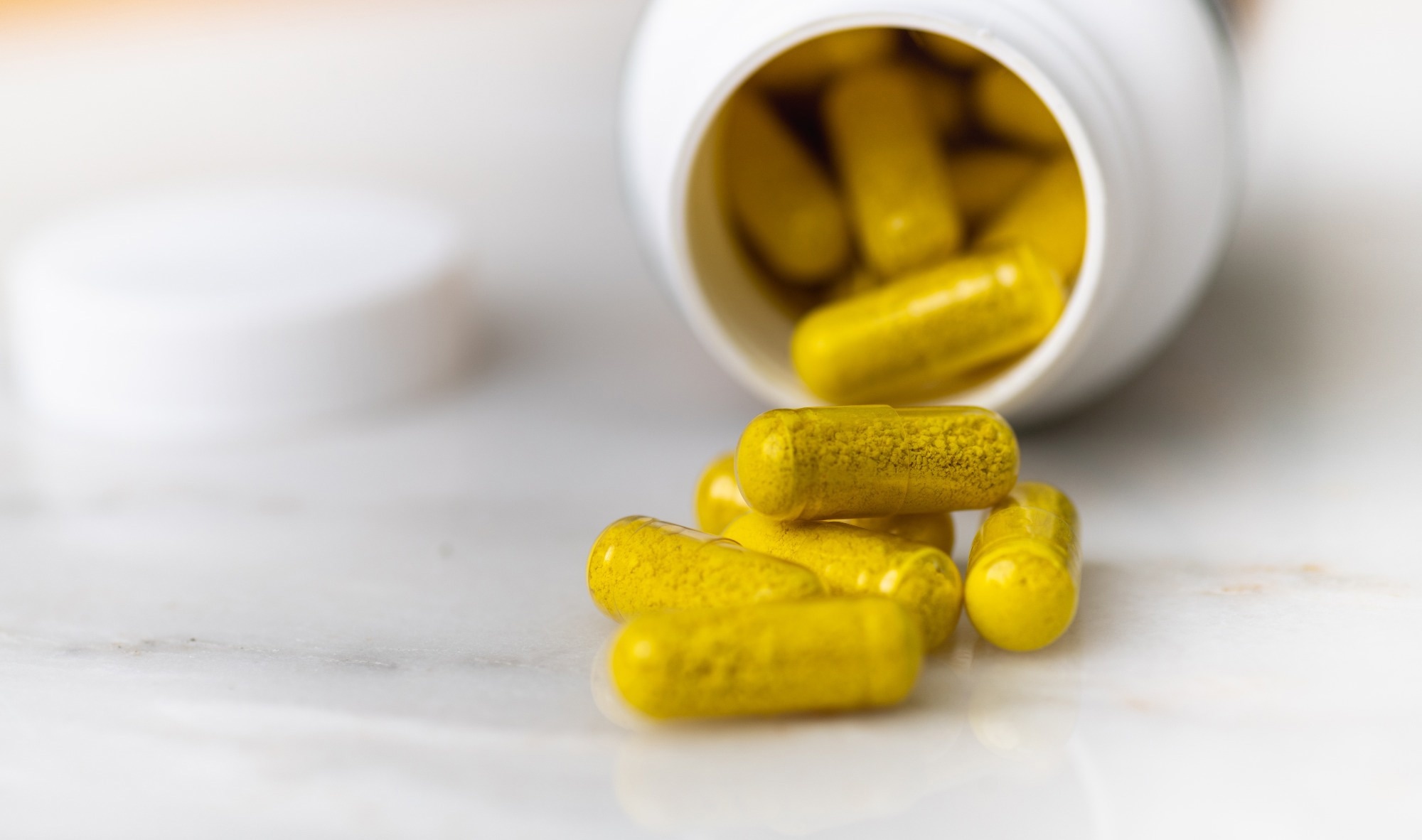
Berberine is a bioactive plant compound extracted from goldenseal and barberry that supports metabolic health by activating the AMPK pathway. Often referred to as nature's Ozempic, it functions as a GLP-1 mimetic to improve insulin sensitivity and postprandial glucose control, though it is a natural botanical extract rather than a synthetic pharmaceutical. While the berberine supplement is a powerful tool for those managing insulin resistance, it is important to distinguish between social media hype and the nuanced clinical reality of its efficacy.
Is Berberine Really ‘Nature’s Ozempic’? Mechanism vs. Hype
The viral comparison between a berberine supplement and prescription GLP-1 agonists like Ozempic or Wegovy has flooded social media feeds. As a botanical editor, I find it essential to peel back the layers of this catchy nickname. At its core, berberine is a nitrogenous alkaloid found in several traditional medicinal plants. While it is frequently labeled as a GLP-1 mimetic because it can naturally stimulate the secretion of glucagon-like peptide-1, its primary power lies elsewhere.
Unlike semaglutide, which mimics a hormone to tell your brain you are full, berberine works through the AMPK pathway. This enzyme is often called the metabolic master switch. When activated, it helps the body shift from storing fat to burning it for energy, effectively addressing the root causes of metabolic syndrome. While Ozempic focuses heavily on reducing food noise through delayed gastric emptying, berberine enhances cellular efficiency and helps combat insulin resistance from the inside out.
| Feature | Ozempic (Semaglutide) | Berberine Supplement |
|---|---|---|
| Primary Mechanism | GLP-1 Receptor Agonist | AMPK Pathway Activator |
| Typical Weight Loss | 15% to 20% of body weight | 5 to 10 pounds on average |
| Delivery Method | Weekly Injection | Daily Oral Capsule |
| Common Side Effects | Nausea, Vomiting, Constipation | Gastrointestinal distress, Cramping |
| Monthly Cost | $900 - $1,300 (without insurance) | $20 - $50 |
The global berberine supplement market is currently experiencing a surge, projected to reach a valuation of approximately $897.6 million in 2024 and expected to grow to more than $2 billion by 2034. This growth reflects a shifting consumer preference toward holistic wellness options that bridge the gap between traditional remedies and clinical evidence.
Berberine for Weight Loss: Reality Check and Timeline
If you are considering berberine for weight loss, managing expectations is the first step toward success. The internet might suggest it is a magic pill for shedding double digits in weeks, but the scientific data tells a more conservative story. Clinical research indicates that while prescription medications like semaglutide can lead to a body weight reduction of approximately 15% to 20%, berberine typically produces more modest results of about 5 to 10 pounds over time.
The berberine weight loss results timeline is not an overnight journey. Most successful clinical trials last at least 12 weeks. During the first month, the compound begins to optimize postprandial glucose control, which reduces the amount of insulin your body needs to secrete after a meal. By month two, many users notice a slight reduction in waist circumference as visceral fat begins to respond to improved insulin sensitivity. By month three and beyond, the cumulative effects on the AMPK pathway often result in the documented 5 to 10-pound loss.
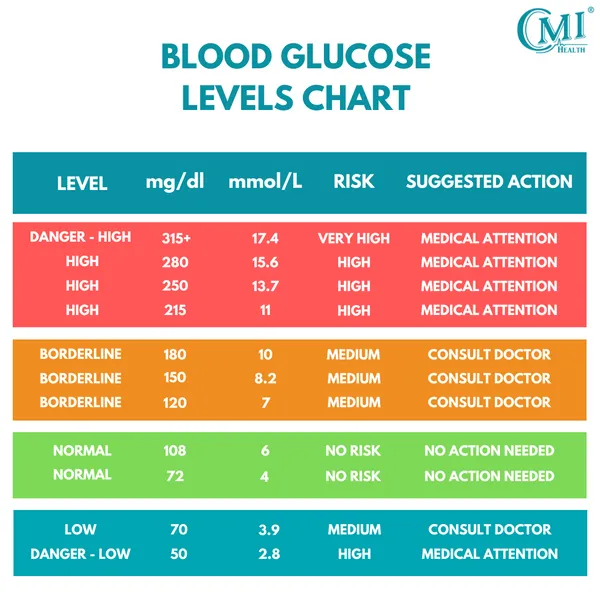
This supplement is most effective for individuals who are already struggling with metabolic syndrome or mild insulin resistance. It acts as a support system for lifestyle changes rather than a replacement for them. Because it helps stabilize blood sugar spikes, it can indirectly reduce cravings for sugary snacks, making it easier to stick to a calorie-controlled diet.
Berberine Dosage Guidelines and Bioavailability Hacks
One of the biggest hurdles in herbal medicine is getting the active compound from the capsule into your bloodstream. Traditional berberine hydrochloride (HCl) has a notoriously low absorption rate, often cited at less than 5%. To see the metabolic benefits researchers discuss, you need to understand how to take berberine for best results.
The standard berberine dosage guidelines used in clinical settings involve a total daily intake of 1,500mg. However, taking this all at once is a recipe for an upset stomach. Instead, the dose is typically split into 500mg increments taken three times a day, roughly 30 minutes before your largest meals. This timing allows the alkaloid to be present in the gut to assist with postprandial glucose control.
For those who find the standard version too hard on their digestion, the market has introduced new formulations. When comparing dihydroberberine vs berberine hcl effectiveness, dihydroberberine often comes out on top for bioavailability. It is a derivative that the body converts into berberine after it passes through the intestinal wall, potentially offering 5x the absorption rate with fewer side effects. Another high-end option is liposomal delivery, which wraps the molecule in a fatty layer to protect it through the digestive tract. Some practitioners also suggest a synergy with alpha-lipoic acid to further enhance its impact on the AMPK pathway.
Berberine Side Effects and Critical Safety Warnings
Despite being a natural botanical extract, berberine is potent. It is not uncommon for new users to experience berberine side effects, which are primarily centered around the digestive system. Between 20% and 30% of users may experience gastrointestinal distress during the first few weeks of supplementation.
Safety Timeline: Managing the GI Shift
- Week 1-2: Common onset of bloating, cramping, or mild diarrhea as the gut microbiome adjusts to the alkaloid.
- Week 3-4: Most digestive symptoms begin to resolve as the body adapts.
- Pro Tip: If symptoms persist, consider reducing the dose to 250mg twice daily and slowly tapering up over three weeks.
Managing berberine digestive side effects is crucial for long-term consistency. However, a more significant safety concern involves its interaction with other substances. Berberine is a known inhibitor of several liver enzymes, particularly CYP3A4 and CYP2D6. This creates a "grapefruit effect," where the supplement can slow down the breakdown of other medications, leading to dangerously high levels in the bloodstream.
If you are currently taking blood thinners, statins, or blood pressure medication, a consultation with a healthcare provider is non-negotiable. Furthermore, because it is so effective at lowering blood sugar, combining it with insulin or other diabetes medications can increase the risk of hypoglycemia. Pregnant or breastfeeding women must avoid this supplement entirely, as it can cross the placenta and has been linked to potential jaundice (kernicterus) in newborns.
Buyer’s Guide: Choosing a High-Quality Berberine Supplement
The supplement industry is often described as the "Wild West," and berberine is no exception. With its sudden surge in popularity, the market has seen an influx of low-quality products and even fake celebrity endorsements. Choosing a high quality berberine supplement requires a bit of detective work.
First, look for third-party testing seals from reputable organizations like NSF International, USP, or Informed Choice. These certifications ensure that what is on the label—specifically the 500mg of active berberine—is actually what is inside the capsule. Avoid "proprietary blends" that don't list the exact amount of each ingredient, as these are often padded with cheap fillers.
When debating berberine vs metformin for metabolic health, it is important to remember that metformin is a regulated pharmaceutical with decades of data, while berberine is a supplement. Many people choose the botanical option because they want to avoid the specific side effects of metformin or prefer a holistic approach. However, if your blood sugar levels are significantly elevated, a prescription might be the safer and more effective route. Always prioritize transparency in sourcing; reputable brands will often state whether their extract is derived from Berberis aristata (Indian Barberry) or other high-quality botanical sources.
FAQ
Can berberine help with weight loss?
Yes, it can aid in weight loss by activating the AMPK pathway and improving insulin sensitivity. However, users should expect modest results, typically around 5 to 10 pounds over several months, rather than the dramatic weight loss seen with prescription GLP-1 agonists.
What is the recommended dosage for berberine?
The generally accepted protocol is 1,500mg per day, split into three separate 500mg doses. Taking it approximately 30 minutes before meals helps optimize blood sugar levels following food intake.
Are there any side effects of berberine supplements?
The most frequent side effects include gastrointestinal distress such as cramping, bloating, and diarrhea. These symptoms usually occur when first starting the supplement and often subside as the body adjusts over a few weeks.
Is it safe to take berberine every day?
For most healthy adults, taking it daily for up to six months is considered safe according to current clinical research. However, because it can affect liver enzymes and blood sugar, long-term use should be monitored by a healthcare professional.
Is berberine as effective as metformin for blood sugar?
Some studies suggest that berberine's ability to lower blood sugar and HbA1c levels is comparable to low doses of metformin. However, metformin remains the gold standard for medical treatment of type 2 diabetes due to more extensive long-term clinical data.
Who should not take berberine supplements?
Individuals who are pregnant or breastfeeding should avoid it. It is also contraindicated for those taking certain medications like blood thinners, statins, or existing diabetes drugs, as it may cause dangerous drug interactions or a high risk of hypoglycemia.
Conclusion & Action Steps
Is the "Nature’s Ozempic" moniker worth the hype? If you are looking for a miracle weight loss injection in a bottle, you might be disappointed. However, if you view berberine as a sophisticated metabolic tool that works on the cellular level to improve insulin sensitivity and support long-term health, it is absolutely worth considering.
The key to success with a berberine supplement is patience and precision. By focusing on high-bioavailability formulations, sticking to consistent dosage guidelines, and being mindful of potential side effects, you can harness the power of this ancient botanical extract. Before you begin, ensure you are buying from a brand that prioritizes third-party testing and, most importantly, have a conversation with your doctor to ensure it fits safely into your current health regimen. Metabolic health is a marathon, and berberine can be a valuable part of the journey if used with a "safety-first" mindset.