Quick Facts
- Top Choice for Health Integration: Dexcom Stelo
- Best Budget Option: Abbott Libre Rio
- Best for Lifestyle Gamification: Abbott Lingo
- MARD Accuracy: Approximately 8.2% to 9%
- Wear Time: 14 to 15 days
- Target Audience: Non-insulin users including those with Type 2 diabetes, prediabetes, and wellness enthusiasts
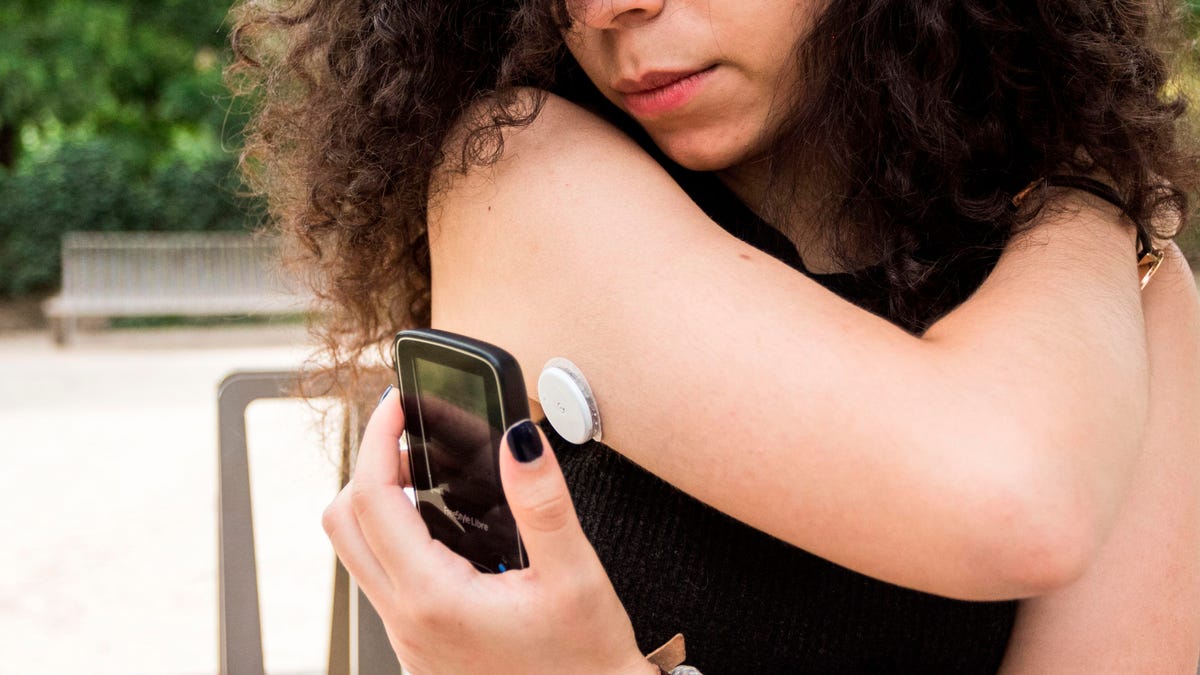
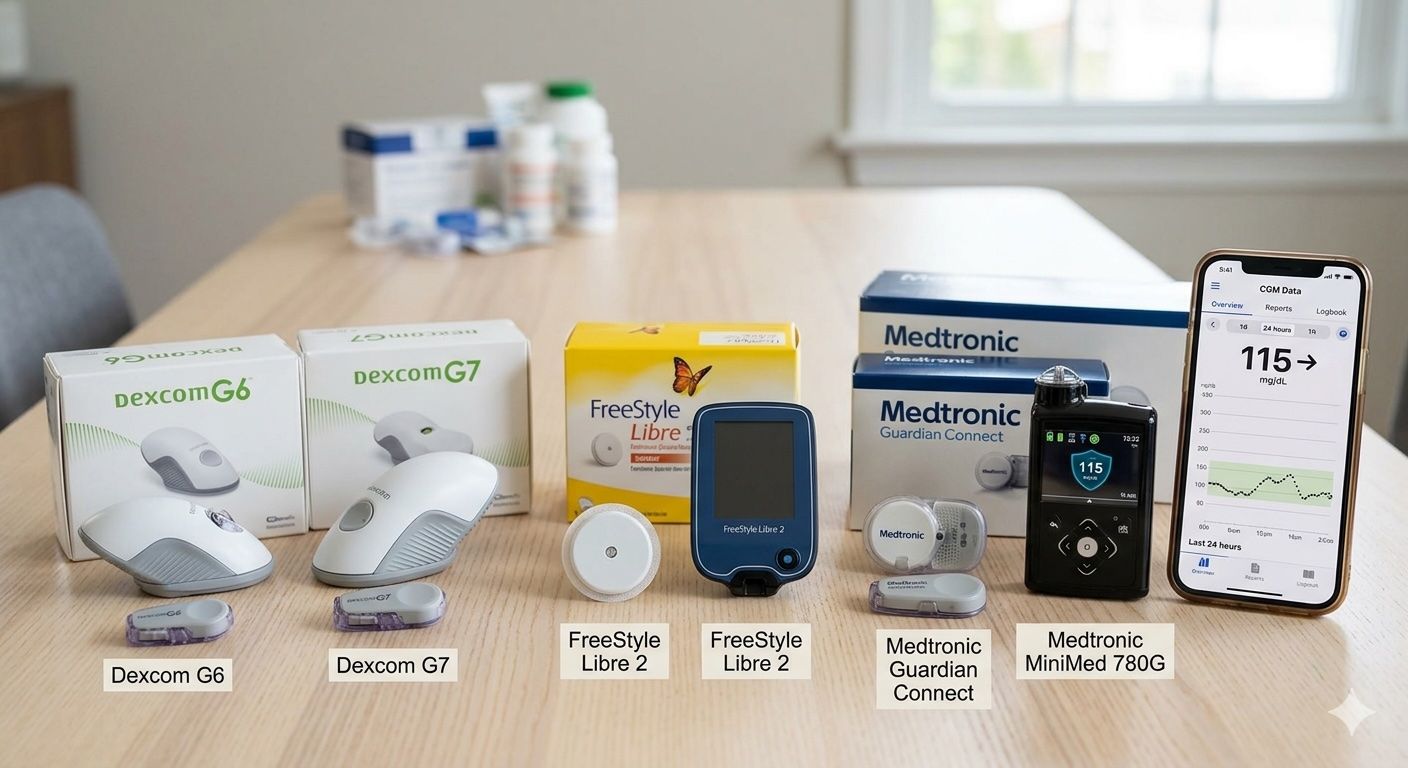
Dexcom Stelo and Abbott Libre Rio are leading over-the-counter glucose monitors designed for non-insulin users. As of 2026, the best otc cgm options provide accessible glucose monitoring for metabolic health tracking without the need for a doctor's prescription. Stelo, built on the G7 platform, offers 15-day wear and is optimized for adults with type 2 diabetes or prediabetes, while Abbott’s Libre Rio provides a budget-friendly 14-day alternative delivering minute-by-minute readings.
The 2024-2026 OTC Revolution: Why Prescriptions Aren't Required
For years, continuous glucose monitoring was a tool strictly reserved for those managing high-risk insulin-dependent diabetes. The landscape shifted dramatically when the FDA cleared the Dexcom Stelo Glucose Biosensor System on March 5, 2024, as the first-ever glucose biosensor available to consumers without a prescription. This move opened the door for an estimated 25 million people in the United States living with Type 2 diabetes who do not use insulin to take control of their metabolic fitness.
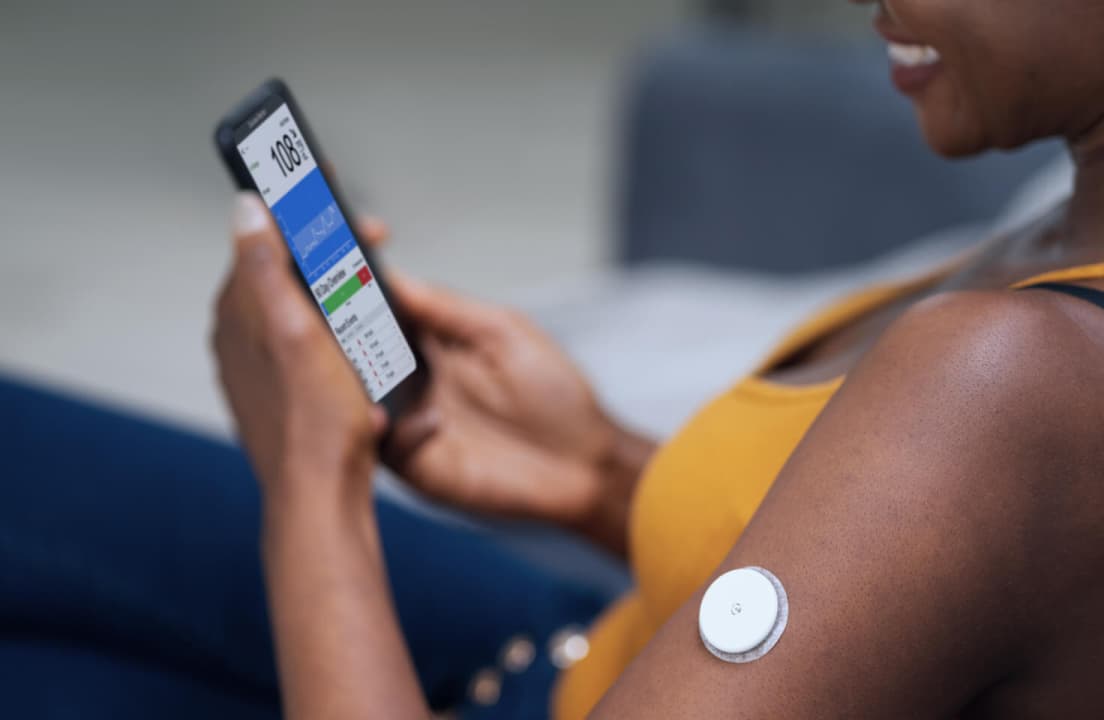
The market response has been massive. The U.S. market for over-the-counter continuous glucose monitoring devices was estimated at $48.61 million dollars in 2024 and is projected to grow to approximately $93.52 million dollars by 2033. This growth is driven not just by those with a diagnosis, but by the preventative wellness community. Biohackers and athletes are increasingly using these tools for real-time monitoring to understand how their bodies respond to specific nutrients and stressors.
The transition to otc cgm means that the hardware is no longer the gatekeeper; the software is. While prescription devices prioritize safety alarms for life-threatening hypoglycemia, the new wave of wearables focuses on long-term data trends, helping users visualize postprandial spikes and improve their overall insulin sensitivity.
Head-to-Head: Abbott Libre Rio vs Dexcom Stelo
When choosing the best otc cgm, the decision often comes down to the two titans of the industry: Abbott and Dexcom. Both brands have taken their flagship prescription technology and streamlined it for a broader audience.
The Dexcom Stelo is essentially a software-modified version of the Dexcom G7. It maintains the same high-tier hardware but removes the high and low glucose alerts that can be intrusive for those not at risk of immediate hypoglycemic shock. It is arguably the best otc cgm for non diabetics who want a seamless integration with other health apps. The sensor lasts 15 days, giving it a slight edge in longevity over Abbott’s current offerings.
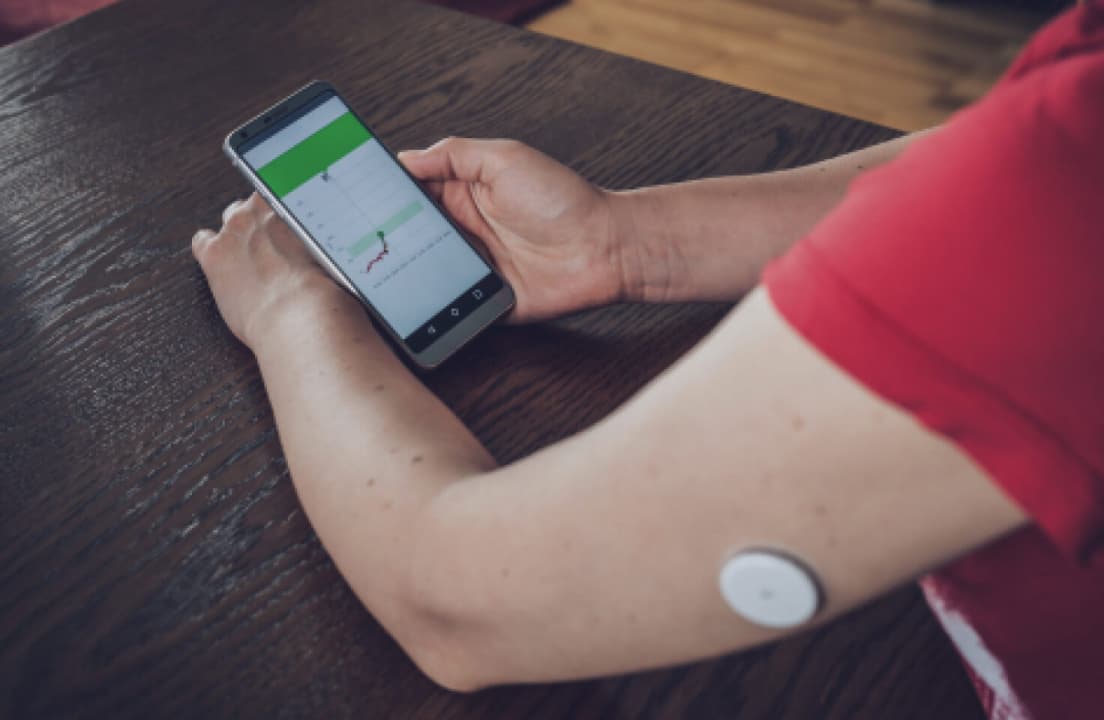
Abbott’s entry, the Libre Rio, is based on the Libre 2 platform. It provides minute-by-minute readings and is positioned as a budget-friendly alternative. In an otc cgm comparison, the Rio stands out for its simplicity and lower entry price point, though its app interface feels slightly more clinical than the lifestyle-oriented Stelo.
| Feature | Dexcom Stelo | Abbott Libre Rio | Abbott Lingo |
|---|---|---|---|
| Wear Time | 15 Days | 14 Days | 14 Days |
| Primary Target | Type 2 (Non-insulin), Prediabetes | Type 2 (Non-insulin) | Wellness & Longevity |
| Calibration | Factory Calibrated | Factory Calibrated | Factory Calibrated |
| Data Update | Every 5 Minutes | Every 1 Minute | Every 1 Minute |
| Hypo Alarms | No | No | No |
| Health Integration | Apple Health, Google Fit | Proprietary App | HealthKit, Gamified App |
The Catch: It is vital to understand that otc cgm vs prescription cgm comparison reveals a critical safety gap. OTC versions lack the urgent low-glucose alarms found in the Dexcom G7 or Libre 3. For an insulin user, this is a dealbreaker. For someone focused on metabolic health tracking, these alarms are often unnecessary and can lead to alarm fatigue.
Abbott Lingo: The Biohacker's Choice
While the Libre Rio targets the clinical spectrum of Type 2 management, the Abbott lingo is firmly planted in the world of preventative wellness and high-performance lifestyle. It is marketed as a glucose biosensor for those who want to optimize their energy levels and body composition rather than manage a disease.
Lingo introduces the concept of the Lingo Count, a gamified metric that translates complex glucose data into a daily score. This helps users understand their glycemic variability without needing to be an endocrinologist. If you consume a high-carb meal that causes significant postprandial spikes, your Lingo Count increases, signaling that you need to balance your next meal or engage in physical activity to bring levels back to baseline.
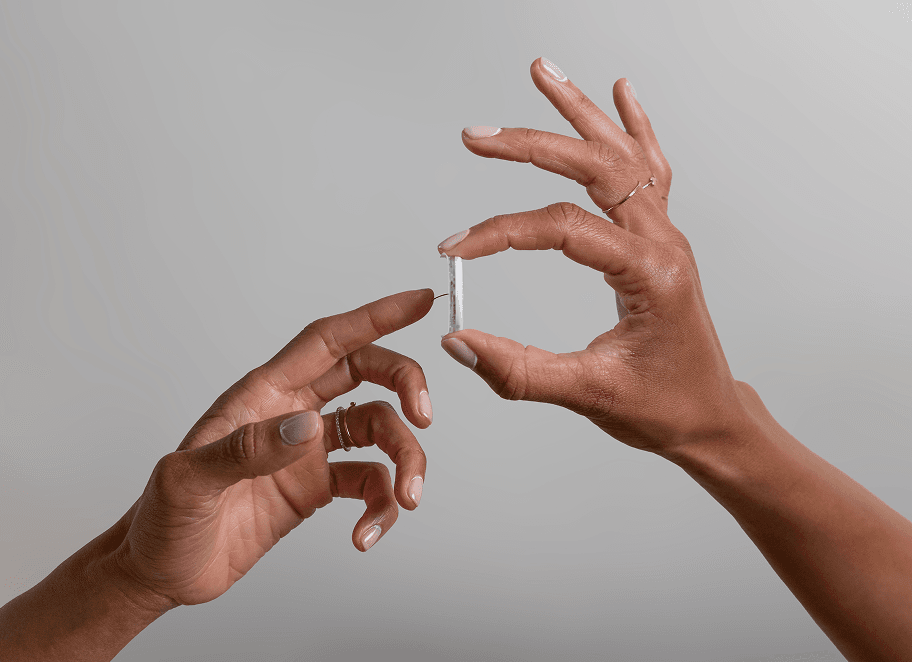
When evaluating otc cgm lingo vs stelo, the difference lies in the philosophy of the user interface. Stelo is about data transparency and long-term trends for those with prediabetes. Lingo is about behavior modification through real-time feedback and coaching. For many in the longevity community, Lingo is the superior tool for otc cgm for metabolic health tracking because it turns raw numbers into actionable lifestyle advice.
Accuracy Benchmarks: Understanding MARD Scores
In the world of wearable tech, accuracy is measured by Mean Absolute Relative Difference (MARD). A lower MARD percentage indicates a sensor that is more closely aligned with laboratory blood tests. Most modern otc cgm devices hover between 8% and 9%.
It is important to remember that these sensors measure glucose in the interstitial fluid, not the blood. There is a physiological lag—usually 5 to 15 minutes—between blood glucose levels and what the sensor reports. This is why real-time monitoring is more effective for observing trends rather than pinpointing an exact number at a single moment in time.

While the Stelo and Libre series offer excellent MARD accuracy for surface-level wearables, those looking for the gold standard in longevity might look toward the Eversense 365. Although it requires a minor clinical procedure for implantation, it represents the high-end alternative to the bi-weekly ritual of applying a new otc cgm sensor. However, for 95% of users, the 15-day convenience of a Dexcom otc cgm cost stelo setup is the most practical path forward.
Cost Analysis: The Paradox of Coupons vs. OTC Retail
One of the most surprising aspects of the new glucose biosensor market is the pricing structure. Dexcom Stelo is typically priced at $99 for a pack of two sensors (a 30-day supply), making the dexcom otc cgm cost stelo quite predictable for the average consumer. Abbott Lingo often follows a subscription model, which can lower the per-sensor cost if you commit to several months of tracking.
The Price Paradox: Here is where it gets interesting for the savvy consumer. Even though a prescription is required for the "Pro" versions like the Libre 3 or Dexcom G7, many manufacturers offer high-value coupons. If you have a cooperative physician, you might find that using a manufacturer coupon for a prescription-grade sensor actually brings the monthly cost down to $75, which is cheaper than the retail price of some OTC models.
However, the convenience of purchasing a sensor directly from a website or local pharmacy without a doctor’s visit is the primary value proposition of the otc cgm. You are paying for the removal of the gatekeeper and the inclusion of software specifically designed for wellness rather than medical crisis management.
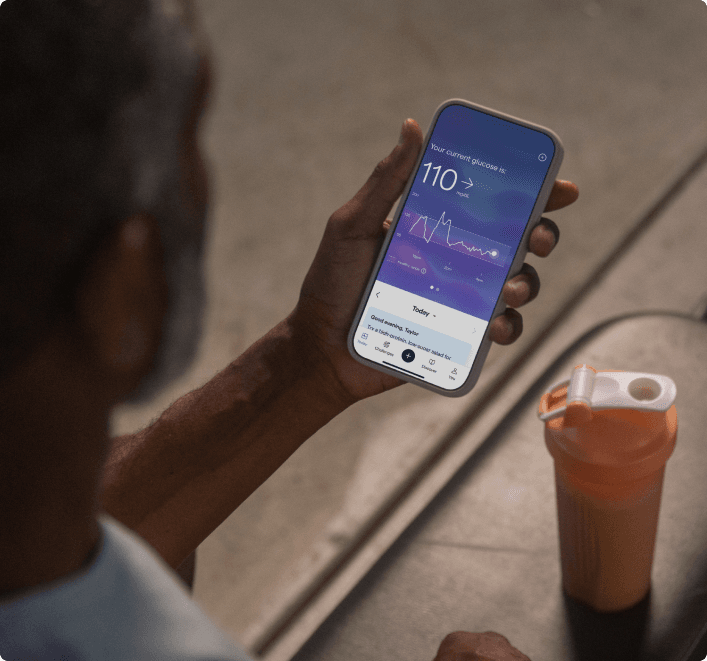
Investing in a glucose biosensor should be viewed through the lens of long-term health ROI. By identifying which foods trigger your highest postprandial spikes, you can adjust your diet to reduce systemic inflammation and improve mitochondrial health, potentially saving thousands in future healthcare costs related to metabolic dysfunction.
The Future of Metabolic Monitoring
The approval of these devices is just the beginning. We are moving toward a future where "metabolic health" is a standard vital sign, checked as often as heart rate or sleep quality. The current generation of sensors is focused on glucose, but the next wave will likely incorporate multi-analyte tracking, measuring ketones, lactate, and even hydration levels in a single wearable.
For now, the best otc cgm for non diabetics provides more than enough data to transform one's health. Whether you choose the data-rich environment of the Dexcom Stelo or the gamified experience of Abbott Lingo, you are taking a significant step toward biological transparency.
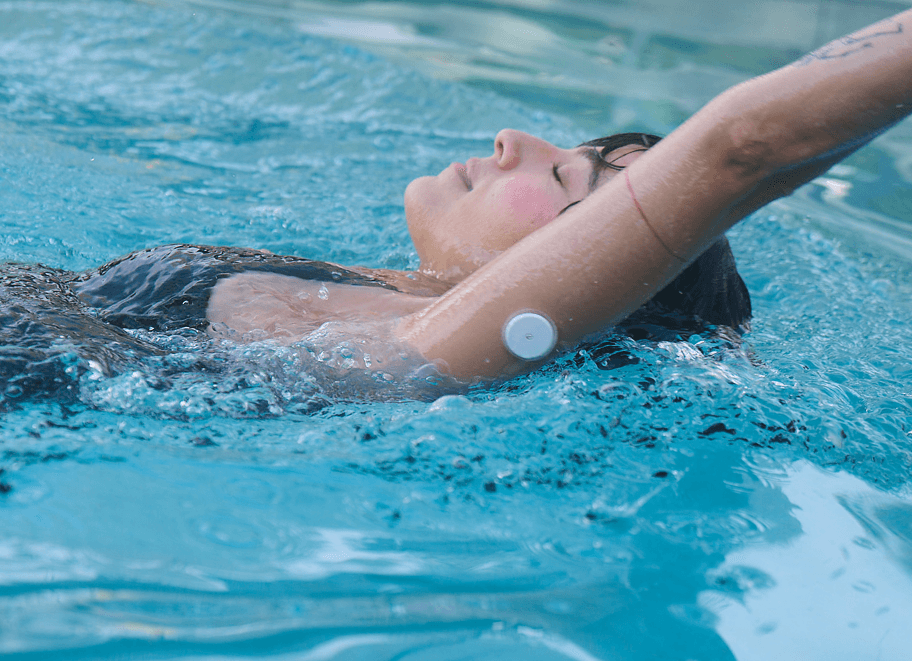
As an editor focused on longevity, I believe these tools are the single most important development in consumer health tech since the heart rate monitor. They remove the guesswork from nutrition, allowing for a personalized diet based on your unique biology rather than generic dietary guidelines.
FAQ
What CGM can you buy in OTC?
Currently, the most prominent options available over-the-counter include the Dexcom Stelo and the Abbott series, specifically the Libre Rio and the Lingo biosensor. These devices are cleared by the FDA for use without a prescription for individuals 18 and older who do not use insulin.
Are OTC CGMs worth it?
For individuals with prediabetes, Type 2 diabetes not requiring insulin, or those interested in metabolic health optimization, they are highly valuable. They provide immediate feedback on how diet, sleep, and exercise affect blood sugar, which is far more effective for behavior change than occasional finger-stick tests.
Which organ is most affected by diabetes?
Diabetes primarily affects the pancreas, which produces insulin, but the long-term damage of high blood sugar is most frequently seen in the kidneys (nephropathy), the eyes (retinopathy), and the cardiovascular system. Maintaining steady glucose levels through monitoring helps protect these vital organs.
Is a tuna sandwich good for diabetics?
A tuna sandwich can be a healthy option, but it depends heavily on the bread. Tuna itself is an excellent source of protein and healthy fats which stabilize blood sugar. However, using highly processed white bread can cause significant glucose spikes. Opting for whole-grain, high-fiber bread or a lettuce wrap is a much better choice for maintaining metabolic stability.