Quick Facts
- Product Category: The first FDA-cleared over-the-counter (OTC) continuous glucose monitor available in the United States.
- Target Audience: Adults 18 and older with prediabetes, type 2 diabetes not managed by insulin, or health enthusiasts pursuing metabolic fitness.
- Cost Structure: Available for a one-time purchase of $99 for two sensors or a monthly subscription of $89.
- Wear Duration: Each subcutaneous sensor lasts for 15-day wear time before requiring replacement.
- Regulatory Status: Officially received FDA clearance on March 5, 2024, removing the prescription barrier.
- Connectivity: Sensors sync directly to a dedicated smartphone app via Bluetooth to display real-time blood sugar trends.
- Durability: The device features a waterproof rating up to 8 feet, allowing for normal activities like swimming and showering.
Dexcom Stelo is a breakthrough in wearable tech, serving as the first-ever FDA-cleared OTC continuous glucose monitor designed for metabolic health tracking without a prescription. This wearable biosensor allows users to monitor their glucose levels 24/7, providing a clear window into how specific lifestyle choices—ranging from dietary intake to sleep quality—impact their internal physiological state.
Understanding the Biosensor Technology: Beyond Traditional CGMs
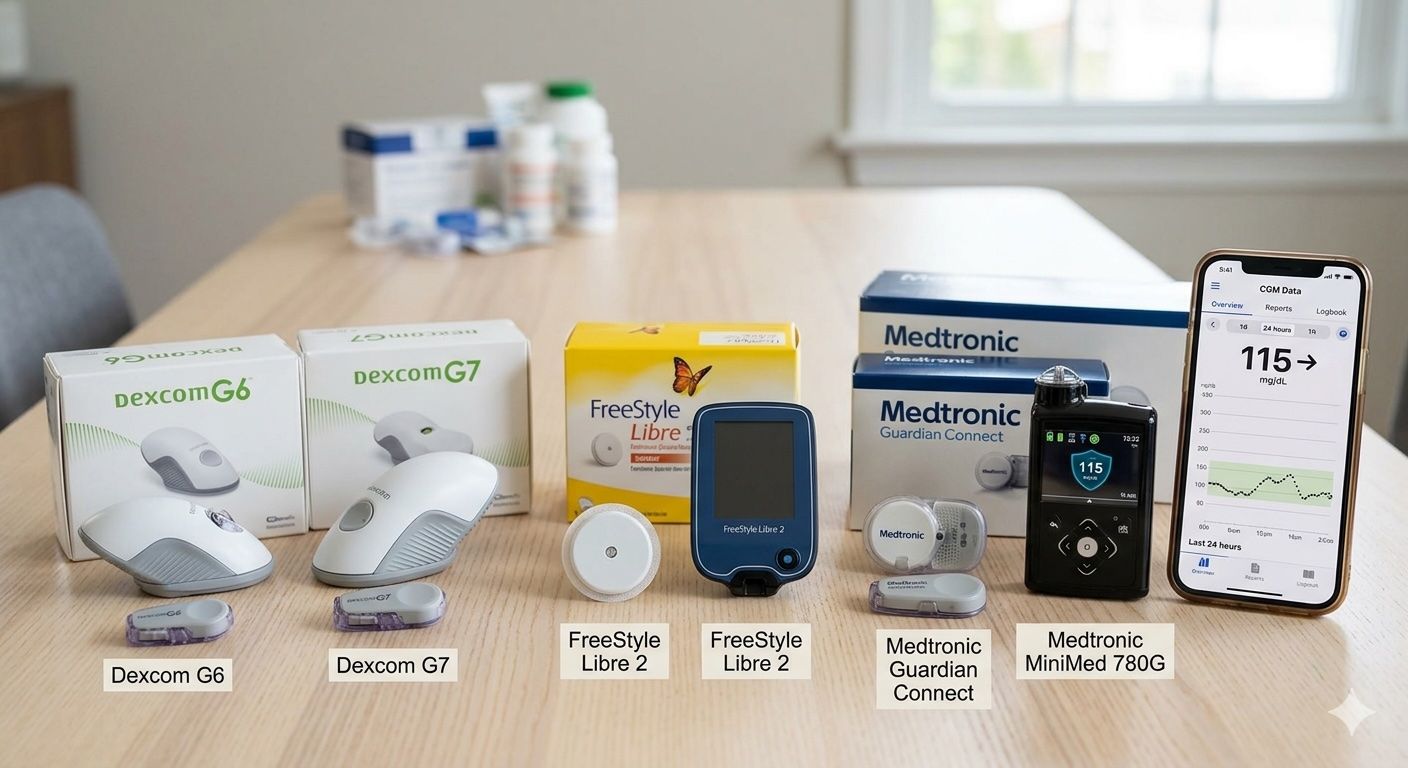
When we evaluate the Dexcom Stelo, it is important to distinguish it from traditional medical CGMs used for intensive diabetes management. While it shares much of the hardware foundation with the Dexcom G7, the Stelo is marketed and calibrated as a lifestyle biosensor technology. This distinction reflects a shift toward preventive health and data-driven wellness rather than acute medical intervention.
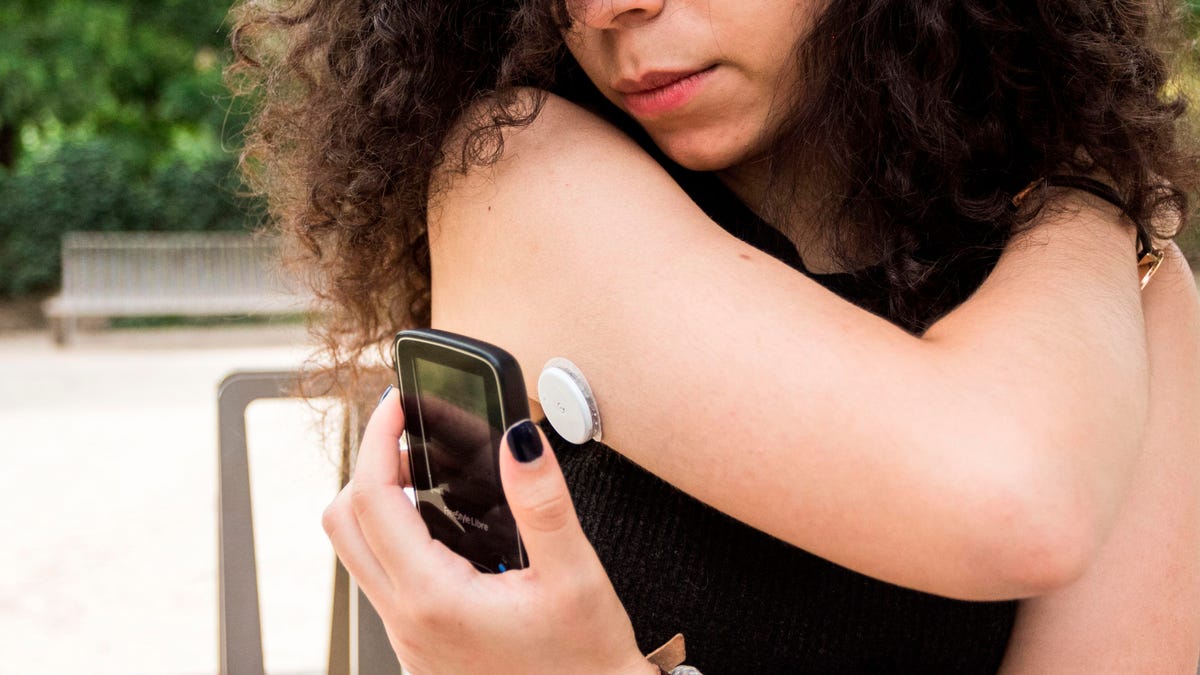
The device utilizes a small subcutaneous sensor—about the size of a coin—that measures glucose levels in the interstitial fluid just beneath the skin. Unlike the older generations of glucose monitoring that required painful fingersticks, this system provides a continuous stream of real-time data. The Stelo software is optimized for a 93% accuracy level, which is exceptionally high for a consumer-grade wearable.
One technical nuance to consider is the data interval. Stelo updates glucose readings every 15 minutes, which is slightly less frequent than some medical-grade models but more than sufficient for identifying blood sugar trends and glycemic variability. This 15-minute smoothing helps users focus on the "big picture" of their metabolic health rather than getting lost in minute-to-minute fluctuations that might be clinically insignificant for non-insulin users.
Technical Specifications at a Glance
| Feature | Specification |
|---|---|
| Sensor Wear Time | 15 days |
| Calibration | Factory-calibrated (No fingersticks required) |
| Water Resistance | IP68 (Up to 8 feet for 24 hours) |
| Warm-up Period | Approximately 30 minutes |
| Compatibility | iOS and Android via Dexcom Stelo app |
| Data Sharing | Focuses on personal insights rather than physician sharing |
Who is the Dexcom Stelo For? Targeting the 25 Million
The launch of Dexcom Stelo addresses a massive gap in the current healthcare landscape. According to market data, there are an estimated 25 million Americans with type 2 diabetes who do not use insulin and, until recently, had limited access to continuous monitoring technology.
Beyond those with a clinical diagnosis, the Stelo is gaining traction for prediabetes management and among biohacking circles. For those of us interested in longevity and functional health, understanding metabolic fitness is the cornerstone of any effective protocol. If you cannot manage your postprandial glucose levels, the most expensive longevity supplements in the world will struggle to overcome the inflammatory damage caused by chronic hyperglycemia.
Audience Segmentation
| Target Group | Primary Use Case |
|---|---|
| Type 2 Diabetics (Non-Insulin) | Monitoring the efficacy of oral medications and diet. |
| Prediabetics | Reversing insulin resistance through real-time feedback. |
| Health Enthusiasts | Optimizing athletic performance and avoiding glucose spikes. |
| Longevity Seekers | Minimizing glycation and long-term metabolic decline. |
From Biohacking to Habit: Lifestyle Insights and Metabolic Fitness
The true value of an OTC continuous glucose monitor is not just the numbers it produces, but the behavioral changes it inspires. In the longevity community, we often talk about "bio-individuality"—the idea that a "healthy" food for one person might cause a massive spike in another.
Using Dexcom Stelo for prediabetes management or general wellness allows you to run "N-of-1" experiments. You might discover that white rice causes a significant spike for you, but sweet potatoes do not. Or perhaps you find that a 10-minute walk immediately after a meal completely blunts your glucose response. These Dexcom Stelo app insights for diet and exercise turn abstract health advice into actionable, personalized data.
By tracking glucose with Dexcom Stelo for metabolic health, users can visualize the direct correlation between their habits and their biology. The app categorizes your data into "Time in Range," helping you identify which parts of the day you are most vulnerable to insulin resistance. This is particularly useful for health enthusiasts who want to align their carbohydrate intake with their training windows or optimize their sleep hygiene.

The ability to see real-time data creates a powerful psychological feedback loop. When you can see the immediate result of a sugary snack, the long-term goal of metabolic fitness becomes a short-term game of keeping the graph stable. This shift from reactive to proactive health is what makes the Dexcom Stelo a potential game-changer in the wearable market.
Important Safety Limitations: What Stelo is Not
As an editor focused on functional health, I must emphasize that while the Dexcom Stelo is a powerful tool, it has specific limitations. It is not a replacement for a medical-grade CGM in high-risk scenarios.
The most significant difference is that the Stelo does not feature hypoglycemia (low blood sugar) alerts. Because it is intended for individuals not on insulin, the risk of life-threatening lows is significantly lower, but it means the device should never be used by someone with Type 1 diabetes. If you are on insulin or any medication that carries a high risk of hypoglycemia, you must stick with prescription devices like the Dexcom G7, which include the necessary safety alarms.
Furthermore, while you can learn how to interpret Dexcom Stelo glucose trends to improve your lifestyle, you should never adjust any prescribed medications based on these readings without consulting your healthcare provider. The Stelo is a compass for wellness, not a steering wheel for clinical treatment.
The Economic Shift: 2026 Market Outlook and HSA/FSA Eligibility
The launch of the Stelo has already begun to disrupt the financial landscape of wearable tech. Following its debut in August 2024, the sensor reached approximately 140,000 users and generated $22 million in revenue by the end of that same year. This rapid adoption signals a deep consumer hunger for metabolic data that is not gated by the traditional medical system.
The cost of Dexcom Stelo without insurance is remarkably competitive compared to previous subscription-based "middle-man" companies that required a telehealth consultation to get a prescription. At $99 for a 30-day supply of two sensors, the barrier to entry is lower than ever.
| Purchase Option | Total Price | Per Sensor Cost |
|---|---|---|
| One-Time Purchase | $99.00 | $49.50 |
| Monthly Subscription | $89.00 | $44.50 |
Importantly for the savvy consumer, Dexcom Stelo is eligible for payment via Health Savings Accounts (HSA) and Flexible Spending Accounts (FSA). This further reduces the out-of-pocket burden for those looking to integrate this best OTC continuous glucose monitor for health enthusiasts into their long-term longevity stack. As we look toward the future of wearables, the Stelo is a harbinger of a world where our physiological data is as accessible as our heart rate or step count.
FAQ
What is Dexcom Stelo?
It is the first FDA-cleared, over-the-counter continuous glucose monitor designed for adults 18+ who do not use insulin. It provides 24/7 glucose data via a small wearable sensor that connects to a smartphone app, helping users understand their metabolic health.
How much does Dexcom Stelo cost?
You can purchase a 30-day supply containing two sensors for $99 as a one-time order. Alternatively, a subscription model is available for $89 per month, bringing the cost per sensor down slightly.
Do you need a prescription for Dexcom Stelo?
No, one of the primary benefits of the Stelo is that it is an over-the-counter device. You do not need a doctor's visit or a prescription to purchase or use it, making metabolic health tracking accessible to the general public.
What is the difference between Dexcom G7 and Stelo?
While both use similar hardware, the Dexcom G7 is a prescription-only medical device for all types of diabetes, featuring low-glucose alerts and data sharing with physicians. The Stelo is an OTC biosensor for non-insulin users that focuses on lifestyle trends and does not include hypoglycemia alarms.
Who is eligible to use Dexcom Stelo?
It is designed for adults 18 and older who have type 2 diabetes (not on insulin), prediabetes, or those who simply want to monitor their metabolic fitness. It is not intended for people with Type 1 diabetes or those at risk of severe hypoglycemia.
Can I use Dexcom Stelo if I have Type 1 diabetes?
No, individuals with Type 1 diabetes should not use the Stelo. Because it lacks the critical low-glucose alerts necessary for managing insulin-dependent diabetes, it does not provide the safety features required for Type 1 care.
The Final Verdict on the Future of Wearables
Is the Dexcom Stelo the future of consumer health wearables? In my view, the answer is a resounding yes. We are moving away from an era where we only look at our blood markers once a year at a physical. The ability to see how your body responds to a late-night meal, a high-intensity workout, or a specific supplement protocol in real-time is the ultimate tool for preventive health.
The Stelo provides the data-driven wellness framework that the longevity community has been asking for. By bridging the gap between clinical biosensor technology and consumer accessibility, Dexcom has set a new standard. For those of us focused on extending healthspan, this is not just another gadget—it is an essential window into the metabolic engine that drives our biology. If you are serious about your long-term wellness, monitoring your glycemic variability with a tool like Stelo is perhaps the most significant lifestyle intervention you can make this year.