Quick Facts
- Core Metrics: Pulse oximeters provide two primary readings: oxygen saturation (SpO2) and pulse rate (PR).
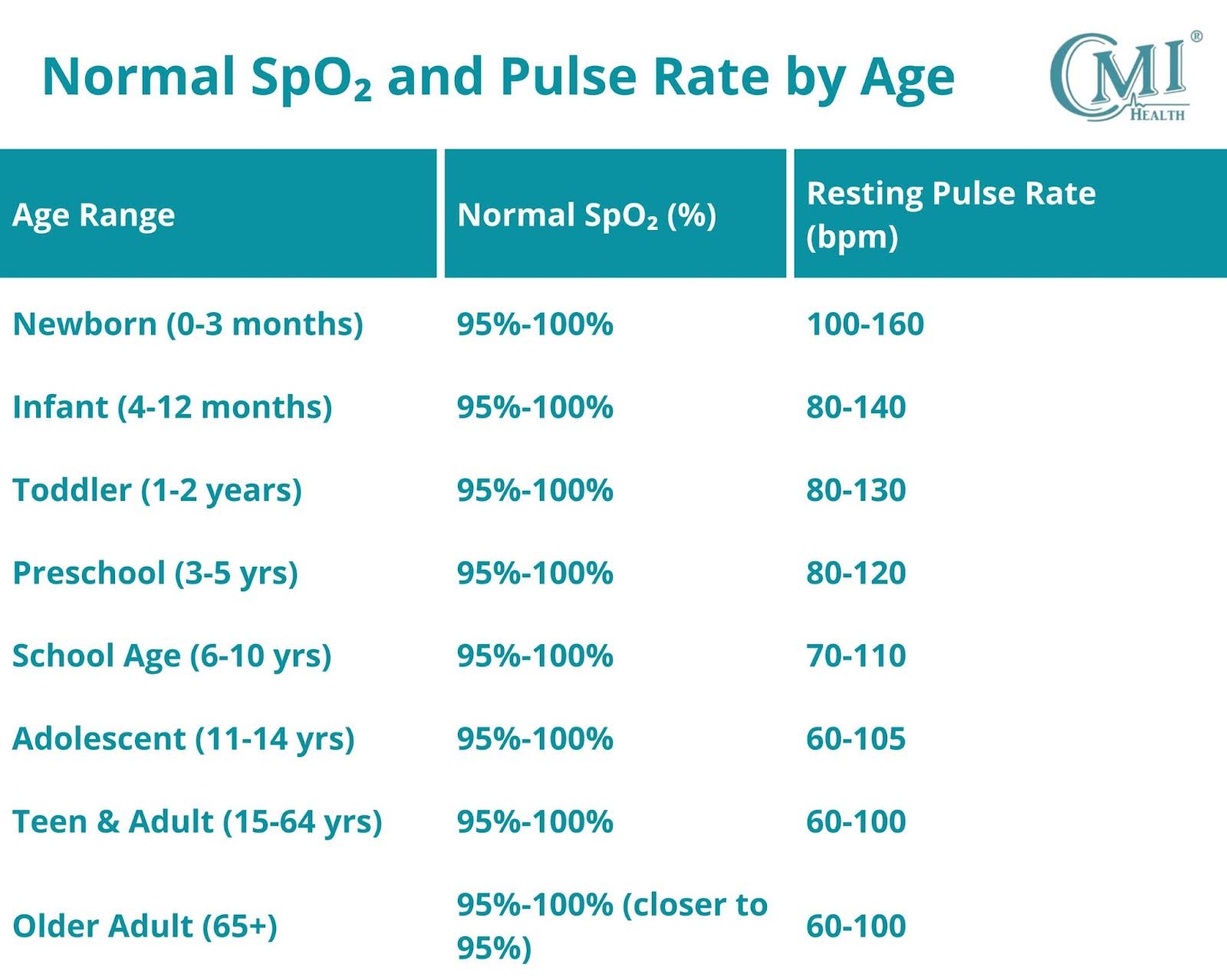
- Normal Range: A typical healthy SpO2 reading is between 95% and 100%.
- Warning Zone: Observations consistently below 94% should be discussed with a doctor, while readings below 90% are a medical emergency.
- Accuracy Variables: Factors like darker skin tones, cold hands, motion, and certain nail polish colors can influence the results.
- Certification Matters: For clinical use, look for FDA 510k clearance rather than recreational or sport-only labels.
- Stabilization Rule: Always wait 30 to 60 seconds of stillness before recording your final numbers.
Pulse oximeters provide two primary readings: oxygen saturation (SpO2) and pulse rate. A normal SpO2 reading typically falls between 95% and 100%, though ranges can vary based on altitude and underlying health conditions. To ensure the most accurate interpretation, users should check readings while resting and compare home data against a baseline established by a medical professional.
Understanding the Data: What Are the 2 Readings on a Pulse Oximeter?
When you slide your finger into that small plastic clip, you are using a sophisticated piece of fingertip sensor technology. But what are the 2 readings on a pulse oximeter exactly? The first and most critical is SpO2, which stands for peripheral capillary oxygen saturation. This represents the percentage of hemoglobin in your blood that is carrying oxygen. Think of it as a delivery truck; the SpO2 tells you how full those trucks are as they head to your organs.
The second reading is your pulse rate, measured in beats per minute. This tells you how fast your heart is working to circulate that oxygenated blood. While most people focus on the oxygen levels for a respiratory health assessment, the pulse rate offers a helpful secondary check on your overall cardiac stress. These devices work by shining red and infrared light through your skin. Since oxygen-rich blood absorbs light differently than oxygen-poor blood, the device can calculate your levels in real-time, providing a quick spot-check reliability that used to require a hospital visit.
Is It Accurate? Factors Affecting Home Pulse Oximeter Readings
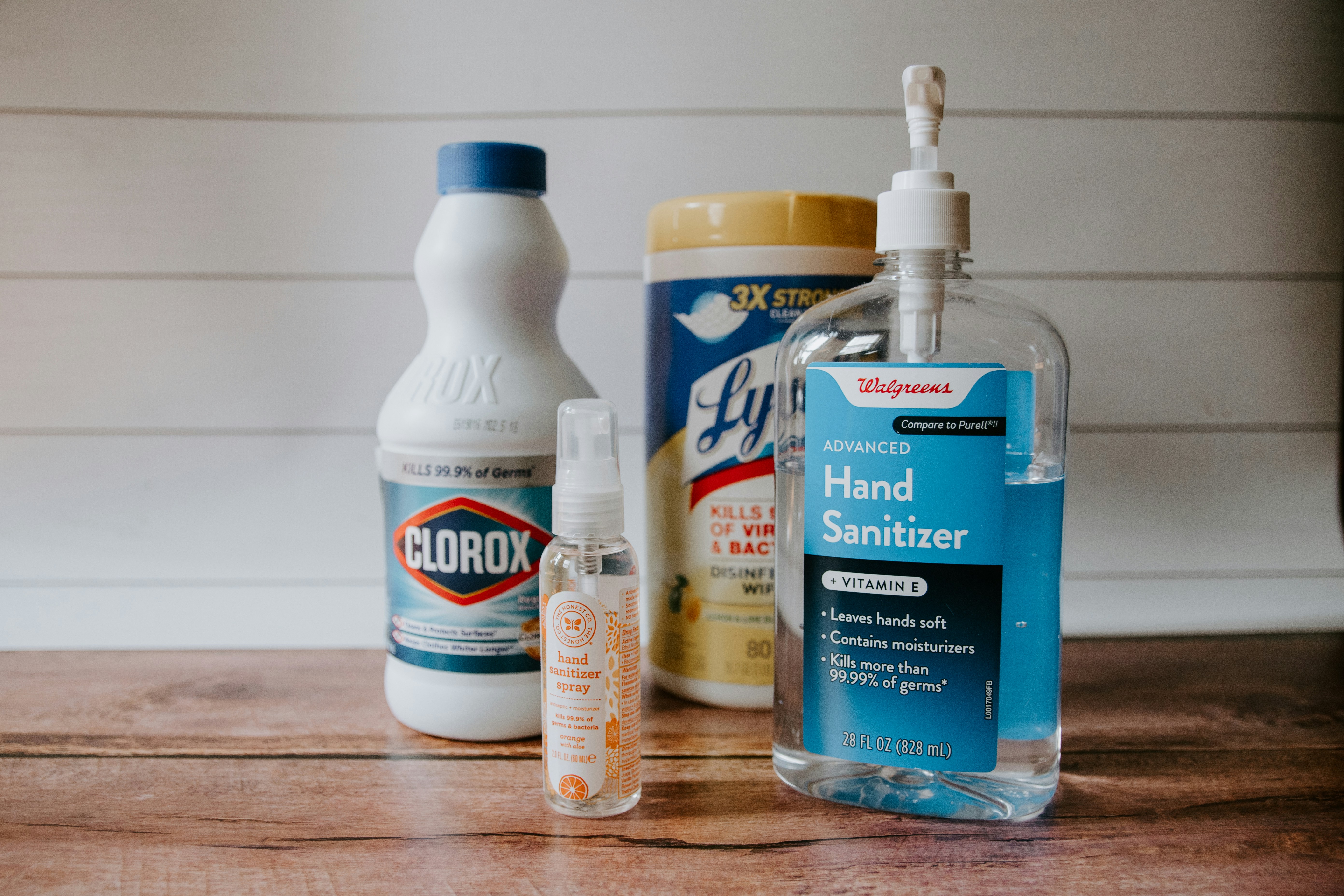
While home devices are incredibly convenient, they are not infallible. Several factors can impede the accuracy of pulse oximeter readings, including motion, ambient light, and poor circulation or cold fingers. If your hands are chilly, the blood vessels in your fingertips constrict, making it difficult for the sensor to detect a strong signal. This can lead to a result that is lower than your actual oxygen level.
Another common hurdle is external interference. Bright overhead sunlight or even certain indoor lamps can seep into the sensor and confuse the infrared light readings. Furthermore, does fingernail polish affect pulse oximeter readings? Yes, quite significantly. Darker colors like blue, black, or green can effectively block the light from passing through the nail bed, resulting in false low readings. If you want to know how to ensure pulse oximeter accuracy, start by removing polish from at least one finger and ensuring your hand is warm and still.

The Accuracy Gap: Melanin and Skin Tone Bias
In recent years, researchers have identified a significant clinical concern regarding pulse oximeter accuracy for darker skin tones. Because these devices rely on light absorption, higher melanin levels can interfere with the way light passes through the tissue. Significant clinical research highlights that high melanin levels in darker skin tones can lead to overestimation of blood oxygen levels.
The data is sobering. A study published in the New England Journal of Medicine found that pulse oximeters were three times more likely to fail to detect low oxygen levels (occult hypoxemia) in Black patients compared to white patients. Furthermore, research published in the BMJ involving over 11,000 measurements found that home pulse oximeters produced readings that were, on average, 0.6 to 1.5 percentage points higher for individuals with darker skin tones than for those with lighter skin tones. For a patient teetering on the edge of a respiratory crisis, that small percentage gap can be the difference between seeking help and staying home. It’s essential to look at physical symptoms—like shortness of breath or blue-tinted lips—alongside the digital number.
Pulse Oximeter Readings Chart: Normal Ranges vs. Danger Zones
Interpreting pulse oximeter readings at home requires understanding that a single number doesn't tell the whole story. However, having a pulse oximeter readings chart as a reference can help you decide when to call a nurse and when to head to the emergency room.
| SpO2 Percentage | Interpretation | Action Step |
|---|---|---|
| 95% - 100% | Normal Range | Continue routine monitoring if needed. |
| 91% - 94% | Mild Hypoxemia | Monitor closely; contact your doctor. |
| 86% - 90% | Moderate Hypoxemia | Seek medical attention immediately. |
| 85% or Lower | Critical / Severe | Call 911 or emergency services. |
It is worth noting that a pulse oximeter readings chart by age isn't standard because normal oxygen levels generally remain the same throughout adulthood. However, patients with chronic conditions like COPD often have a lower pulse oximeter readings normal range, typically between 88% and 92%. Always clarify your target numbers with a specialist if you have a pre-existing lung condition.
Medical Grade vs. Recreational Pulse Oximeter Accuracy
The difference between pulse oximeters often depends on clinical validation. When browsing for a device, you will notice some are significantly more expensive than others. Medical-grade devices carry FDA 510k clearance, indicating they have met strict standards for accuracy in clinical environments. These are validated against arterial blood gas tests, the gold standard for measuring oxygen.
Recreational or wellness devices are intended for spot-checking during sports like mountain climbing or aviation. While these can be helpful for general trends, they may lack the rigorous testing found in clinical models. The FDA warns that even for FDA-cleared pulse oximeters, a displayed reading of 90% typically reflects a true oxygen saturation level ranging between 86% and 94%. Knowing that your device has a built-in margin of error is vital for medical grade vs recreational pulse oximeter accuracy comparisons.
How to Get the Most Accurate Reading at Home
Following a set protocol can minimize errors and ensure your pulse oximeter readings are as reliable as possible. Use this 60-second checklist before you trust the numbers on the screen:
- Rest and Relax: Sit quietly for at least five minutes before taking a reading.
- Warm the Hands: If your fingers are cold, rub them together or use warm water to improve blood flow.
- Proper Positioning: Keep your hand still and positioned at the level of your heart.
- Wait for the Wave: Watch the plethysmograph waveform or perfusion index on the screen to ensure the device is getting a steady signal.
- The 60-Second Rule: Ignore the first few seconds of flickering numbers. Wait for the signal to stabilize for a full minute before recording the data.
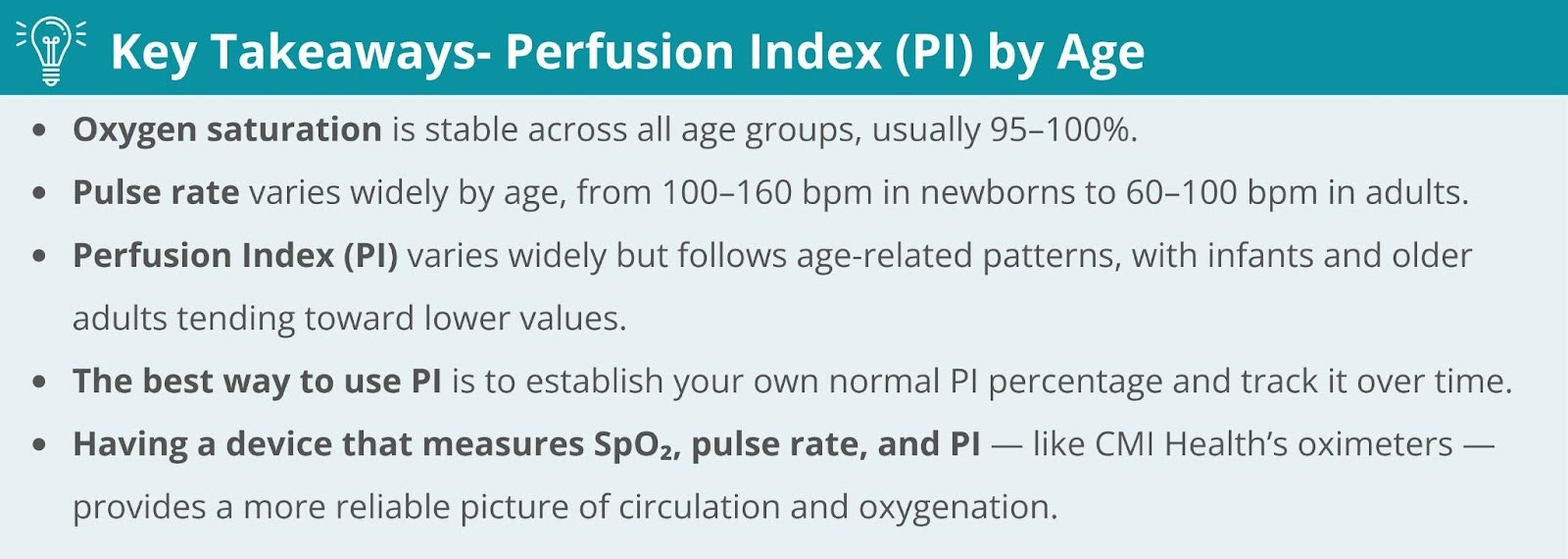
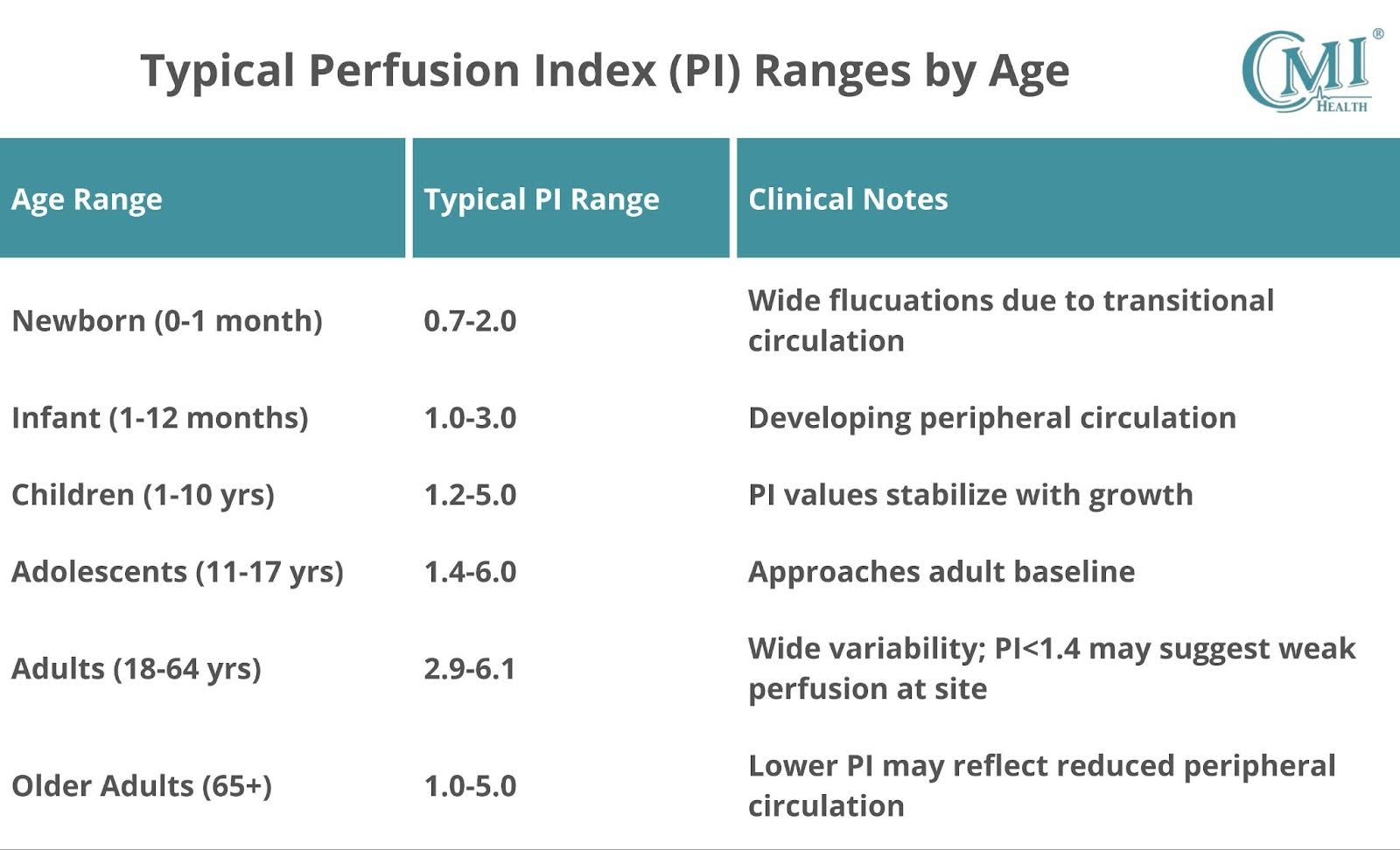
Many modern devices include a perfusion index (PI), which is a numerical value representing the strength of the pulse at the sensor site. A PI below 0.4% often indicates that the signal is too weak for an accurate reading, often due to cold fingers or motion artifacts.
FAQ
What are normal 2 readings on a pulse oximeter?
The two readings are oxygen saturation (SpO2) and pulse rate (PR). For most healthy adults, a normal SpO2 is 95% to 100%, and a normal resting pulse rate is 60 to 100 beats per minute.
What is the danger zone for pulse ox?
The primary danger zone is any reading below 90%. This level suggests hypoxemia, meaning your tissues may not be receiving enough oxygen to function properly, requiring immediate medical intervention.
Which finger is best for pulse oximeter?
Clinical studies often show that the middle finger or the thumb of the dominant hand provides the most reliable and consistent readings due to the density of the blood vessels.
Should I go to the ER if my oxygen level is 92?
A level of 92% is considered mild hypoxemia. While it may not be an immediate emergency for some, you should contact your doctor right away for guidance, especially if you feel short of breath or have chest pain.
How do I raise my oxygen level quickly?
If you are at home and notice a dip, sitting upright rather than lying down can help expand your lungs. Practicing pursed-lip breathing can also improve oxygen exchange. However, if levels remain low, professional medical help or supplemental oxygen is the only definitive fix.