Quick Facts
- Top News: Dexcom Stelo cleared by FDA as first OTC CGM.
- Best for Accuracy: Abbott FreeStyle Libre 3 Plus (7.8% MARD).
- Best for Habit Building: Abbott Lingo.
- Wear Time: 14-15 days per sensor.
- Target Audience: 25 million non-insulin T2D adults and 98 million prediabetics.
- Compatibility: Integration with Oura, Apple Health, and specialized coaching apps.
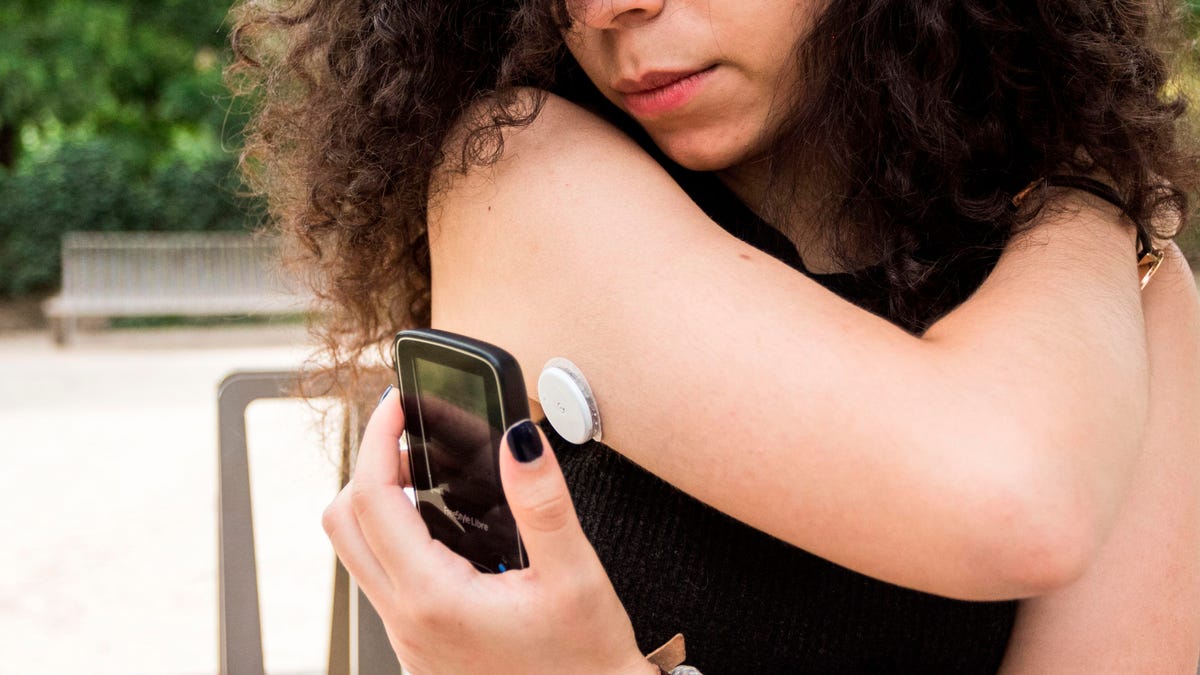
The era of proactive wellness has arrived with the FDA clearance of the first over-the-counter biosensors. Whether you are tracking metabolic fitness or managing prediabetes, choosing the right OTC glucose monitor is essential for data-driven habits. The leading OTC glucose monitors in 2026 include the Dexcom Stelo and the Abbott Lingo. These devices provide continuous glucose monitoring benefits without a prescription, allowing users to track blood sugar in real-time through interstitial fluid biosensor technology.
The Rise of Metabolic Fitness: Why Use a Non-Prescription Glucose Sensor?
For years, the gold standard for tracking longevity was periodic blood work. You would get your HbA1c checked once or twice a year, providing a three-month average that often masked the daily volatility of your biochemistry. The shift toward using a non-prescription glucose sensor represents a move from reactive medicine to proactive metabolic fitness. By monitoring how your body handles carbohydrates, stress, and sleep in real time, you gain a granular view of your internal environment that a single lab test simply cannot provide.
The primary advantage lies in understanding glycemic variability. This refers to the "swings" in your blood sugar throughout the day. High variability, characterized by sharp postprandial spikes followed by rapid crashes, is a leading indicator of mitochondrial stress and systemic inflammation. Even if your average glucose looks normal, these frequent spikes can lead to insulin resistance over time. Using a wearable blood sugar tracking guide helps you identify which specific foods—often marketed as healthy—actually cause a personalized glucose spike in your unique biology.
One of the most immediate benefits users report is the connection between their data and their daily energy levels. We often attribute afternoon lethargy to a lack of caffeine or poor sleep, but frequently, the culprit is a reactive hypoglycemic event following a high-carb lunch. By visualizing this data, users can shift toward personalized nutrition strategies that prioritize stable energy levels and prediabetes prevention.
Felix’s Pro Tip: The 15-Minute Rule To get the most out of your wearable, check your levels exactly 15 minutes after you finish a meal. This is often when the initial upward trend begins. If you see a sharp rise, a light 10-minute walk can significantly blunt the spike by activating glucose transporters in your muscles without requiring extra insulin.
Head-to-Head: Dexcom Stelo vs Abbott Lingo Comparison
In the current 2026 landscape, the market is primarily a two-horse race between the Dexcom Stelo and the Abbott Lingo. On March 5, 2024, the FDA cleared the Dexcom Stelo Glucose Biosensor System as the first over-the-counter continuous glucose monitor available in the United States without a prescription for adults aged 18 and older. This device was specifically designed for a target population of approximately 25 million adults in the U.S. who have type 2 diabetes but do not use insulin, as well as those interested in general wellness.
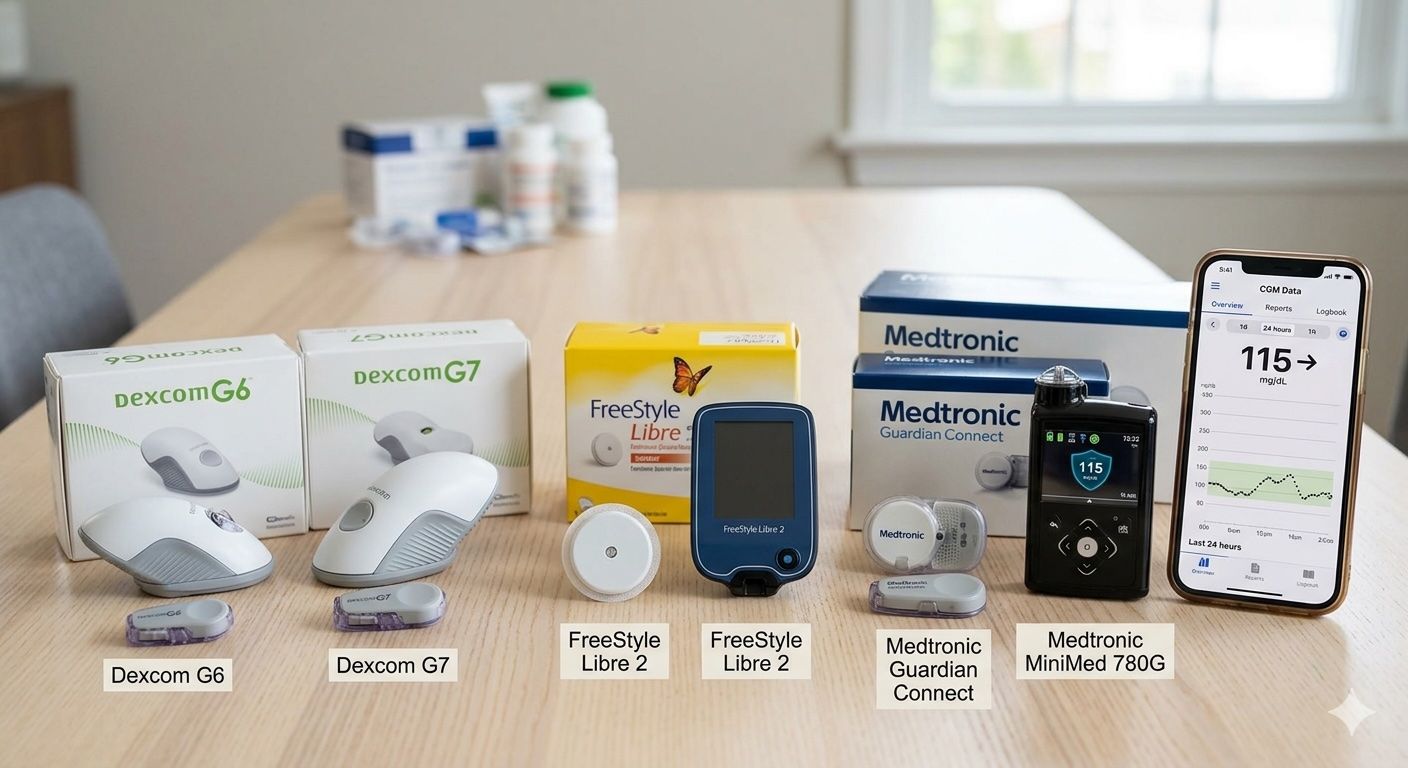
The Dexcom Stelo vs Abbott Lingo comparison usually boils down to whether you prefer raw data or guided coaching. Stelo leans heavily into the technical side, offering deep integration with the Oura Ring and Apple Health. This allows you to see how your sleep quality directly impacts your fasting glucose the next morning. It features a 15-day wear time, making it one of the longest-lasting sensors on the consumer market.
On the other hand, the Abbott Lingo is built around a coaching-centric philosophy. Instead of just showing you a graph, the Lingo app assigns a "Lingo Count" to help you understand your daily glucose exposure. It is designed to turn complex biosensor technology into actionable, data-driven habits. While its sensor lasts 14 days, the software experience is often cited as more user-friendly for those who find raw metabolic data overwhelming.
| Feature | Dexcom Stelo | Abbott Lingo |
|---|---|---|
| Wear Time | 15 Days | 14 Days |
| Primary Focus | Data & Ecosystem Integration | Lifestyle Coaching & Habit Building |
| Integration | Oura, Apple Health, Garmin | In-app coaching modules |
| Target User | Biohackers & Non-Insulin T2D | Wellness seekers & Prediabetics |
| Data Lag | ~5-10 Minutes | ~5-10 Minutes |
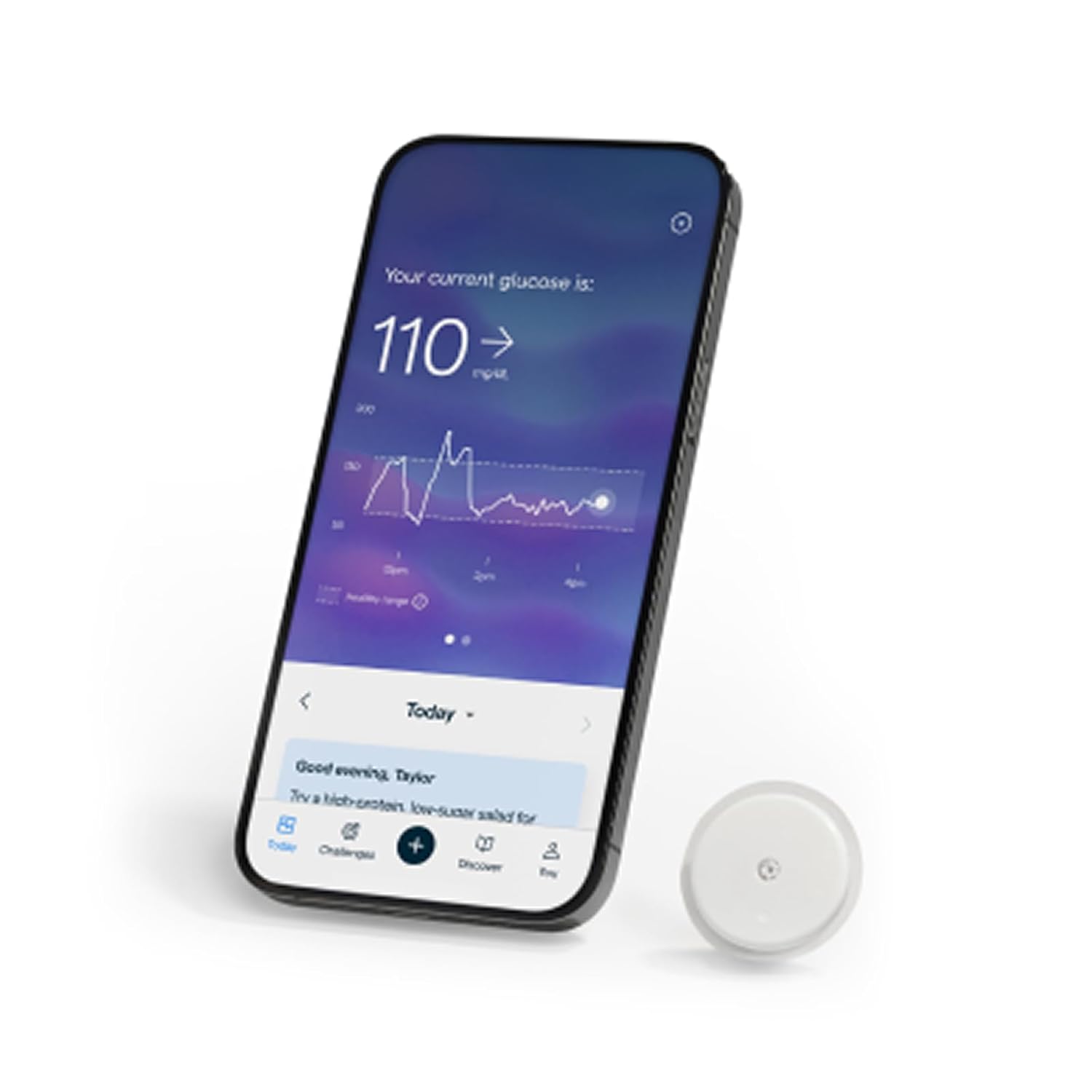
When considering how to choose an over the counter CGM, you must evaluate your own "data personality." If you enjoy cross-referencing your heart rate variability with your glucose levels to optimize your functional health stack, the Stelo is the superior choice. If you want a digital coach to tell you to eat more fiber or take a walk after a pizza, the Lingo system will likely serve you better.
Understanding the Difference Between Medical and OTC Glucose Monitors
It is critical to understand that while these devices use high-end biosensor technology, they are not identical to the prescription-grade monitors used by type 1 diabetics. The primary difference between medical and OTC glucose monitors is the safety alert system. Prescription devices are calibrated for medical intervention; they include loud, persistent alarms for hypoglycemia (low blood sugar) that can be life-saving for insulin users.
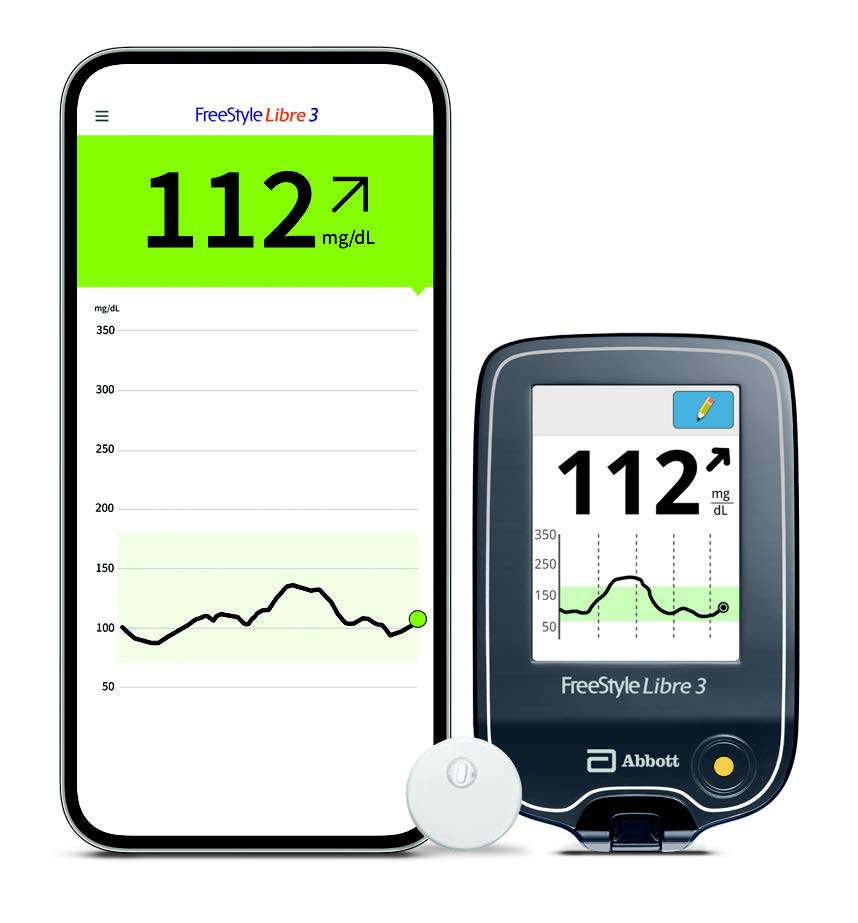
OTC models, including the Abbott Lingo and Dexcom Stelo, generally omit these medical-grade alerts. Their purpose is trend analysis, not acute medical management. Another key metric to watch is the MARD percentage (Mean Absolute Relative Difference). This is the standard measure of sensor accuracy. For instance, the Abbott FreeStyle Libre 3 Plus boasts a 7.8% MARD, which is exceptionally high for a sensor measuring interstitial fluid. Most consumer-grade sensors hover between 8% and 10%, which is more than sufficient for tracking metabolic fitness but requires caution if used for clinical diagnosis.
Safety and regulatory oversight also differ. In 2026, we have seen several sensor recalls due to adhesive issues or software glitches in newer "wellness" models. Because these are categorized differently by the FDA, the recall process and user notification systems may vary. Always ensure your app notifications are turned on to receive any technical safety alerts from the manufacturer.

Safety Alert: Medical Use Never use an OTC glucose monitor to adjust insulin dosages or manage a condition that requires intensive medical oversight. These sensors are intended for educational and wellness purposes for those not at risk of severe hypoglycemic events.
Cost Analysis: Total Cost of Ownership in 2026
Budgeting for a continuous glucose monitor requires looking past the initial "starter kit" price. Because these sensors must be replaced every 14 to 15 days, the cost of monthly OTC glucose monitoring can add up quickly. Most brands have moved toward a subscription model to lower the barrier to entry, but one-time purchases are still available for those who only want to run a "30-day metabolic audit."
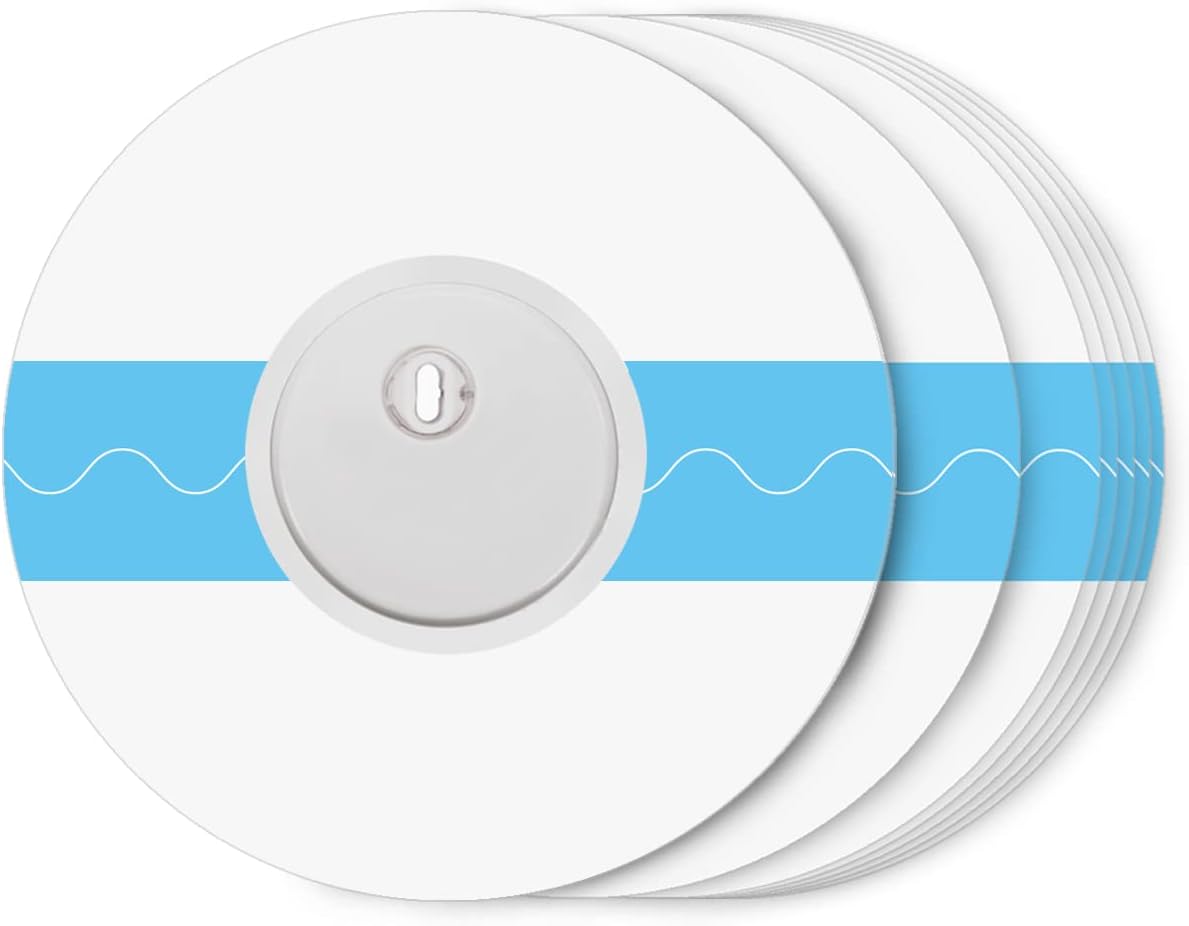
The total cost of ownership often includes the sensors, the app subscription (if not included), and secondary accessories like overpatches to keep the sensor from being knocked off during exercise or showering.
| Component | Estimated Monthly Cost (USD) | 12-Month Total |
|---|---|---|
| Sensors (2 per month) | $89 - $120 | $1,068 - $1,440 |
| App/Coaching Fees | $0 - $32 | $0 - $384 |
| Adhesive Accessories | $10 | $120 |
| Total | $99 - $162 | $1,188 - $1,944 |
While the price may seem high compared to a traditional finger-stick meter, the value lies in the 2,800+ data points you receive every month. For most users, wearing a sensor for three months provides enough insight to permanently alter their diet and lifestyle, meaning a lifelong subscription may not be necessary for everyone.
FAQ
Can you buy a glucose monitor without a prescription?
Yes, as of 2024 and continuing into 2026, the FDA has cleared specific biosensors like the Dexcom Stelo and Abbott Lingo for over-the-counter sale. You can purchase these directly from the manufacturer's website or at major pharmacies without needing to consult a physician or provide a doctor's note.
How accurate are over-the-counter glucose monitors?
Over-the-counter monitors are highly accurate for tracking trends and patterns, with many featuring a MARD percentage under 10%. However, they measure glucose in the interstitial fluid rather than the blood, which means there is a slight time lag (usually 5 to 15 minutes) compared to a traditional finger-stick blood test.
Is there a continuous glucose monitor available OTC?
The Dexcom Stelo was the first FDA-cleared continuous glucose monitor available without a prescription. It has since been joined by other consumer-focused models like the Abbott Lingo, which are specifically marketed for wellness, metabolic health, and non-insulin-using type 2 diabetics.
How much does an over-the-counter glucose monitor cost?
The cost generally ranges between $89 and $160 per month depending on the brand and whether you commit to a subscription. A single sensor typically costs around $45 to $60 and lasts for 14 to 15 days.
What is the difference between prescription and OTC glucose monitors?
The main difference is the presence of medical-grade hypoglycemic alarms. Prescription CGMs are designed for insulin-dependent diabetics and feature loud alerts for dangerously low blood sugar. OTC monitors are designed for wellness and trend tracking; they provide data insights but lack these critical emergency alert functions.
Can anyone use an OTC glucose monitor to track blood sugar?
Most OTC sensors are cleared for use by adults aged 18 and older. While they are particularly useful for the millions of people with prediabetes or type 2 diabetes not on insulin, they are also widely used by athletes and health enthusiasts to optimize their metabolic fitness and personalized nutrition.