Quick Facts
- Top Medical Pick: Dexcom G7, featuring an 8.2% MARD and seamless insulin pump integration.
- Best for Longevity: Eversense 365, the first one-year implantable biosensor cleared for long-term use.
- Top Over-the-Counter Pick: Dexcom Stelo, designed for non-insulin users focusing on metabolic health tracking.
- Smallest Form Factor: Abbott FreeStyle Libre 3 Plus, noted for being the thinnest and most discreet wearable on the market.
- Market Status: The global market for wearable continuous glucose monitoring devices reached approximately US$12.20 billion in 2024.
- Sensor Dominance: Sensors now account for roughly 71.4% of the total market share within the monitoring sector.
- Regulatory Milestone: In 2024, the FDA cleared the first over-the-counter systems, including the Dexcom Stelo and Abbott’s Libre Rio and Lingo devices.
The top wearable glucose monitors for 2026 include the Dexcom G7, known for its accuracy and smartwatch compatibility, and the Abbott FreeStyle Libre 3 Plus, recognized for its compact size. For long-term use, the Eversense 365 offers a year-long implantable solution, while the Dexcom Stelo provides an over-the-counter option specifically designed for non-insulin-dependent adults with type 2 diabetes.
The landscape of metabolic health has shifted significantly as we enter 2026. Wearable glucose monitors are no longer just for intensive diabetes management; they have become essential tools for longevity. Whether you are looking for the best continuous glucose monitors 2026 review or need a CGM device selection guide, this guide breaks down MARD ratings, OTC availability, and the benefits of continuous glucose monitoring for everyone from professional athletes to those managing Type 2 diabetes.
The 2026 CGM Landscape: Prescription vs. OTC
For years, the world of metabolic tracking was gated behind prescriptions and medical necessity. However, a major regulatory shift began in 2024 when the FDA cleared the first over-the-counter continuous glucose monitoring systems. This opened the door for a new generation of devices like the Dexcom Stelo and Abbott’s Lingo, which are tailored for the wellness and biohacking communities.
Understanding how these devices work is fundamental to interpreting the data. Unlike traditional finger-stick tests that measure capillary blood, wearable glucose monitors measure glucose in the interstitial fluid, which is the fluid surrounding your cells. Because of this, there is often a slight lag time—usually 5 to 15 minutes—between blood glucose levels and the reading on your sensor. For most users tracking metabolic health tracking and lifestyle impacts, this delay is negligible.
In 2026, we see a clear divergence in the market. On one side are medical-grade devices designed for those who require high-precision insulin pump integration and immediate hypoglycemia alerts. On the other side are wellness-focused sensors that prioritize data literacy and habit formation without the need for a physician's sign-off.
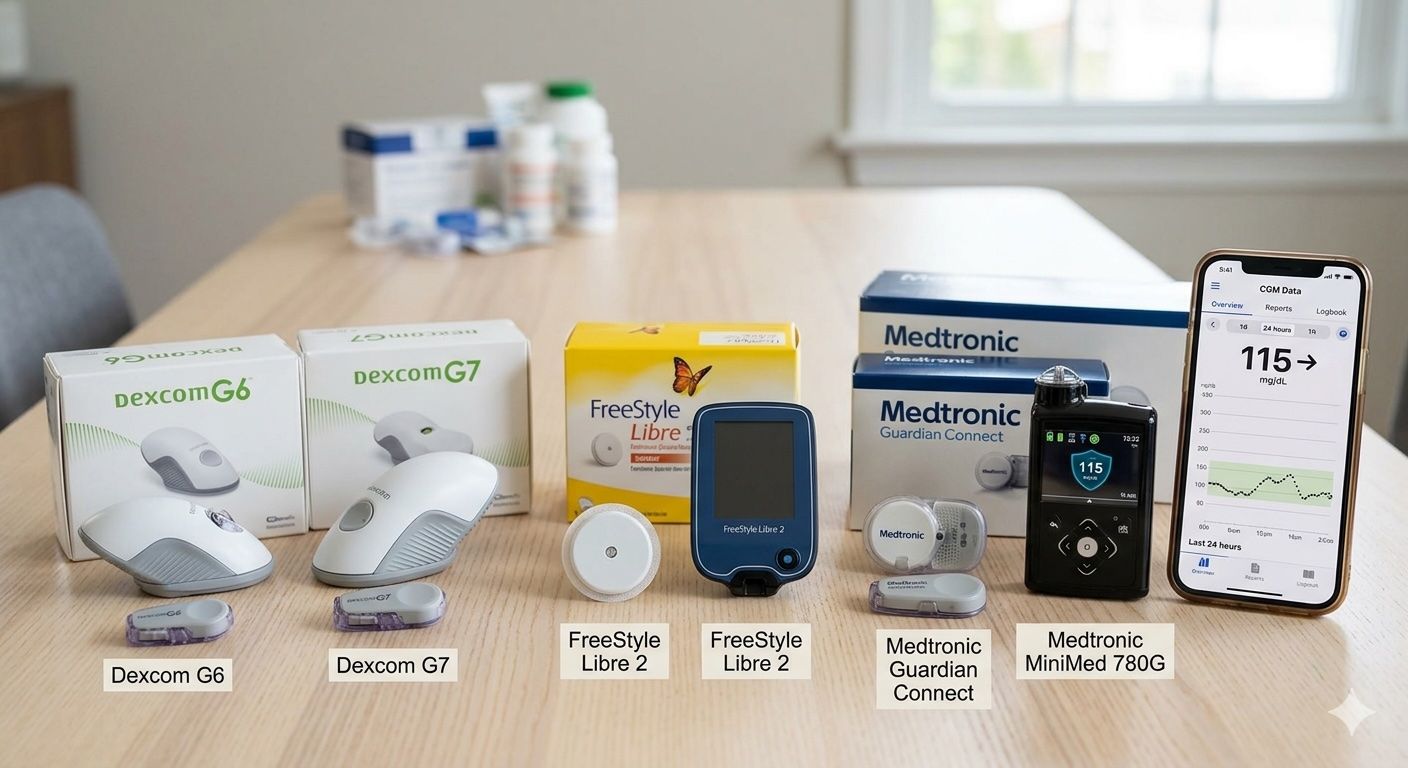
Top Medical-Grade Devices: Dexcom G7 & FreeStyle Libre 3 Plus
When it comes to precision, the industry measures accuracy using the Mean Absolute Relative Difference (MARD). A lower MARD percentage indicates a more accurate device. For those comparing CGM accuracy MARD ratings for 2026 models, the Dexcom G7 remains a gold standard.
Dexcom G7 Spec Card
- MARD Rating: 8.2%
- Sensor Wear Time: up to 15.5 days (including grace period)
- Warm-up Period: 30 minutes
- Compatibility: Apple Watch, Garmin, and major insulin pumps (T:Slim X2, Omnipod 5)
- Calibration: Factory-calibrated; no finger sticks required
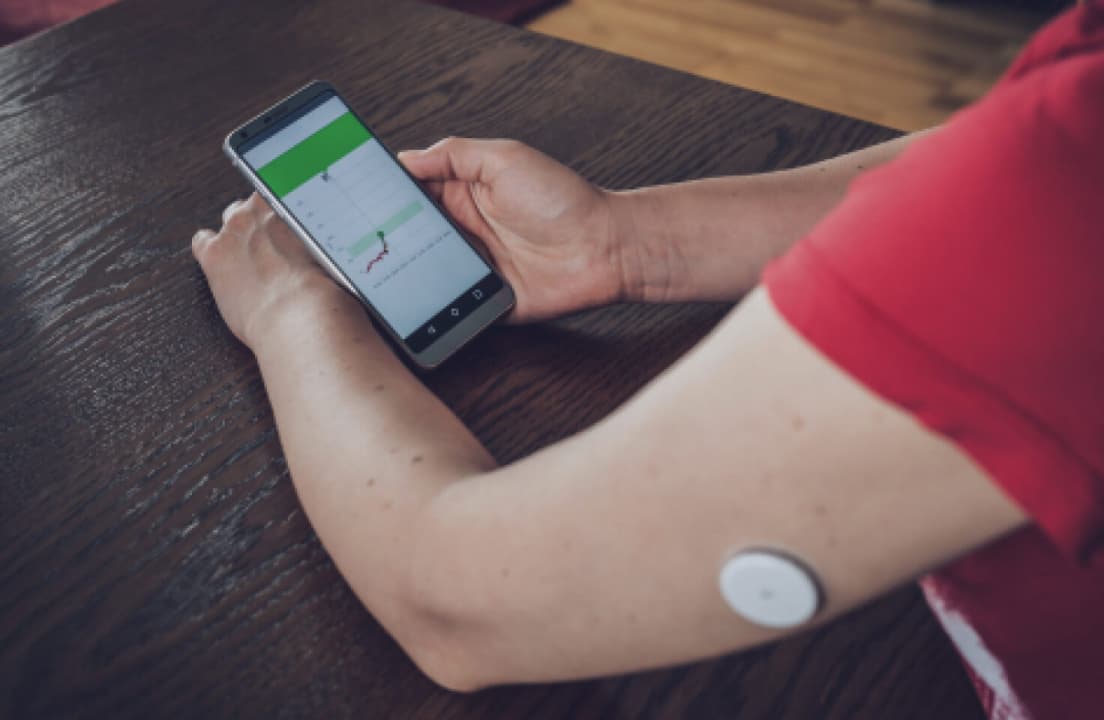
The G7 is a favorite for its "Direct to Watch" capability, allowing users to see their levels on an Apple Watch without needing their phone nearby. It is a powerful tool for those who need to manage dexcom stelo vs g7 for type 2 diabetes considerations, especially if insulin is part of their daily routine.
Abbott FreeStyle Libre 3 Plus Spec Card
- MARD Rating: 9.0%
- Sensor Wear Time: 15 days
- Warm-up Period: 60 minutes
- Key Feature: Smallest and thinnest sensor globally
- Alerts: Real-time hypoglycemia alerts and hyperglycemic notifications
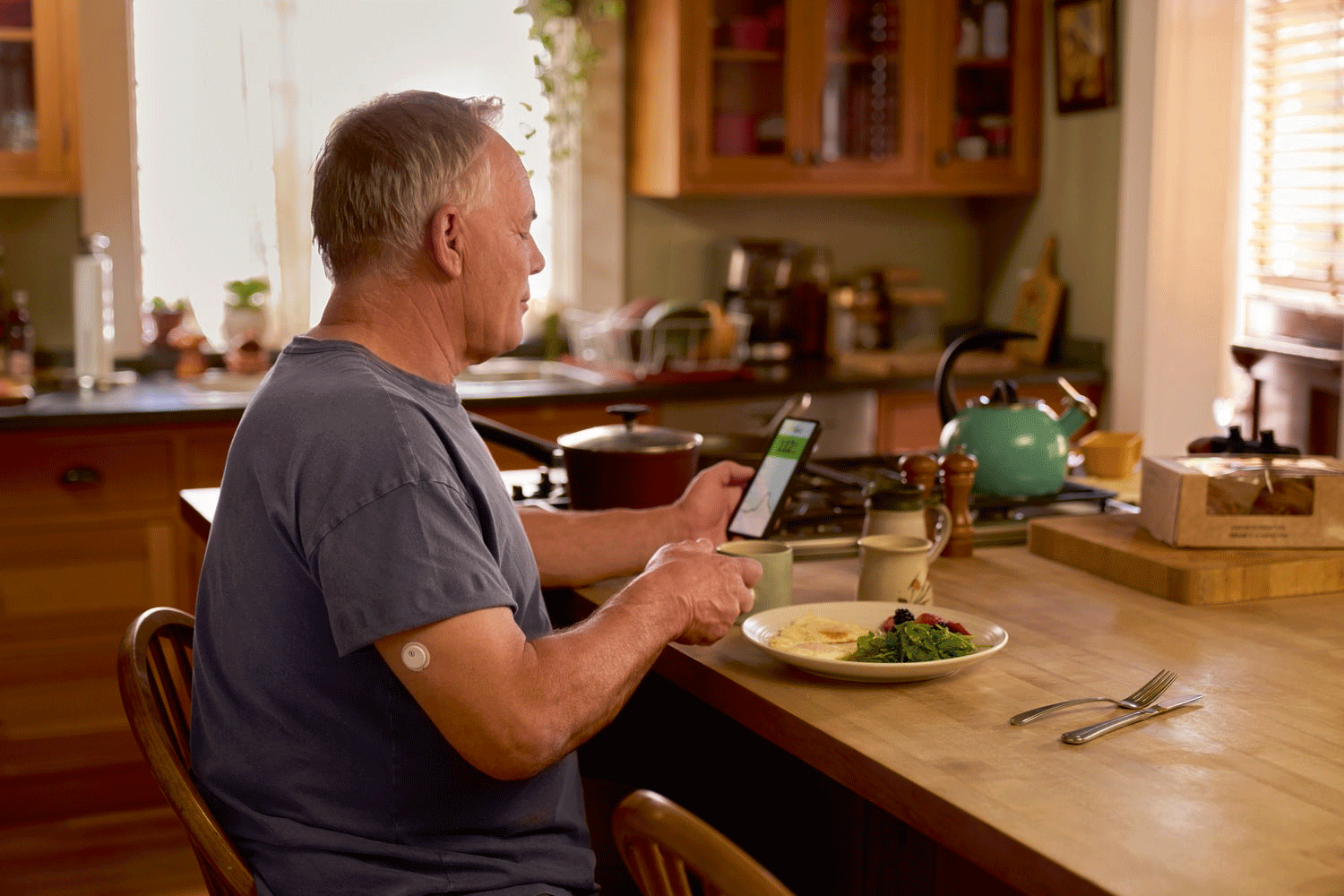
The FreeStyle Libre 3 Plus is often preferred by users who prioritize discretion. It is roughly the size of two stacked pennies. It is important to note that as of February 4, 2026, users should verify their specific sensor lot numbers following previous Abbott recalls to ensure device safety and reliability. For most, the seamless data synchronization with mobile apps makes this a top contender for daily management.
The Longevity Revolution: Wellness & Long-Term Sensors
The biohacking community has embraced wearable glucose monitors as the ultimate tool for optimizing mitochondrial health and slowing aging. By minimizing glycemic variability—the "spikes and crashes" caused by high-carb meals—users can reduce oxidative stress and systemic inflammation.
One of the most exciting developments for 2026 is the Eversense 365. This is a subcutaneous biosensor that is implanted under the skin of the upper arm by a healthcare provider. Unlike other sensors that must be replaced every 10 to 15 days, the Eversense 365 lasts for a full year.
Felix’s Tip: If you hate the "adhesive fatigue" or the "sensor anxiety" of wondering if your wearable will catch on a doorframe, a long-term implantable sensor is the ultimate set-it-and-forget-it longevity tool.

For those who don't want an implant but still want to avoid the doctor's office, the rise of affordable over the counter glucose monitors without prescription has been a game-changer. The Dexcom Stelo and Abbott’s Lingo offer simplified interfaces. They remove the complex medical alerts that non-diabetics don't need and instead focus on how your morning coffee or evening run impacts your metabolic curve.
Data Literacy: Interpreting Your Glucose Trends
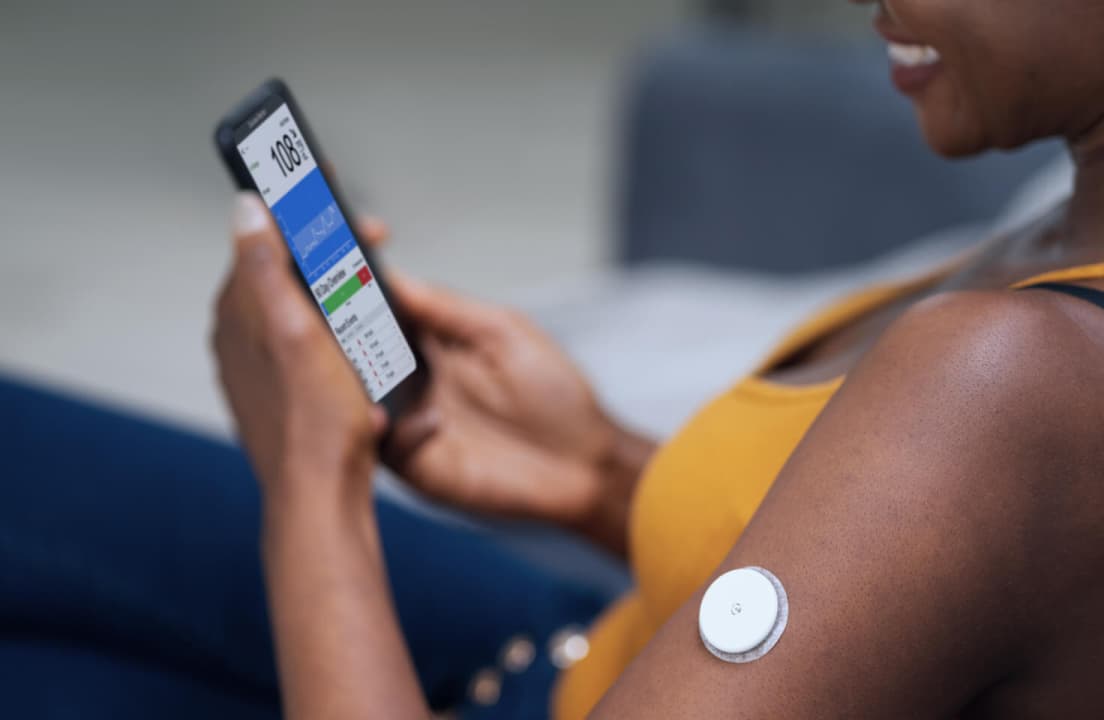
Wearing the sensor is only half the battle; the real value lies in interpreting glucose sensor data. In 2026, we have moved beyond focusing solely on HbA1c, which is just a three-month average. Instead, clinicians and biohackers focus on Time in Range (TIR).
Time in Range refers to the percentage of time a person spends within a target glucose range, typically 70 to 180 mg/dL. Research suggests that for longevity, maintaining a TIR of 70% or higher is a key benchmark.
| Metric | Target Goal (General Health) | Longevity Protocol Goal |
|---|---|---|
| Time in Range (TIR) | > 70% | > 90% |
| Glycemic Variability | < 36% | < 20% |
| Average Glucose | < 114 mg/dL | < 100 mg/dL |
When interpreting CGM data for exercise and diet changes, look for patterns rather than isolated incidents. A single spike after a pizza night is less concerning than a consistent rise in your fasting glucose over a week of poor sleep. High-quality apps now use AI to correlate your food logs with your glucose curves, providing a personalized "Metabolic Score."
Cost, Insurance, and Accessibility
Price remains a significant factor in CGM device selection guide decisions. Historically, insurance only covered these devices for individuals with Type 1 diabetes or Type 2 on intensive insulin therapy. However, the surge in the market has led to more competitive pricing for everyone.
Over-the-counter options like the Dexcom Stelo are typically priced between $89 and $99 for a pack of two sensors (a 30-day supply). This makes it much more accessible than the $300+ per month costs seen in previous years. Furthermore, most of these devices are eligible for FSA and HSA reimbursement, allowing you to use pre-tax dollars to fund your metabolic health tracking.
For medical-grade sensors, insurance coverage has expanded to include many non-insulin-using Type 2 patients, provided they have a history of hypoglycemia. Always check with your provider, as many now offer "patient assistance programs" to cap monthly out-of-pocket costs at $60 or less.
FAQ
How does a wearable glucose monitor work?
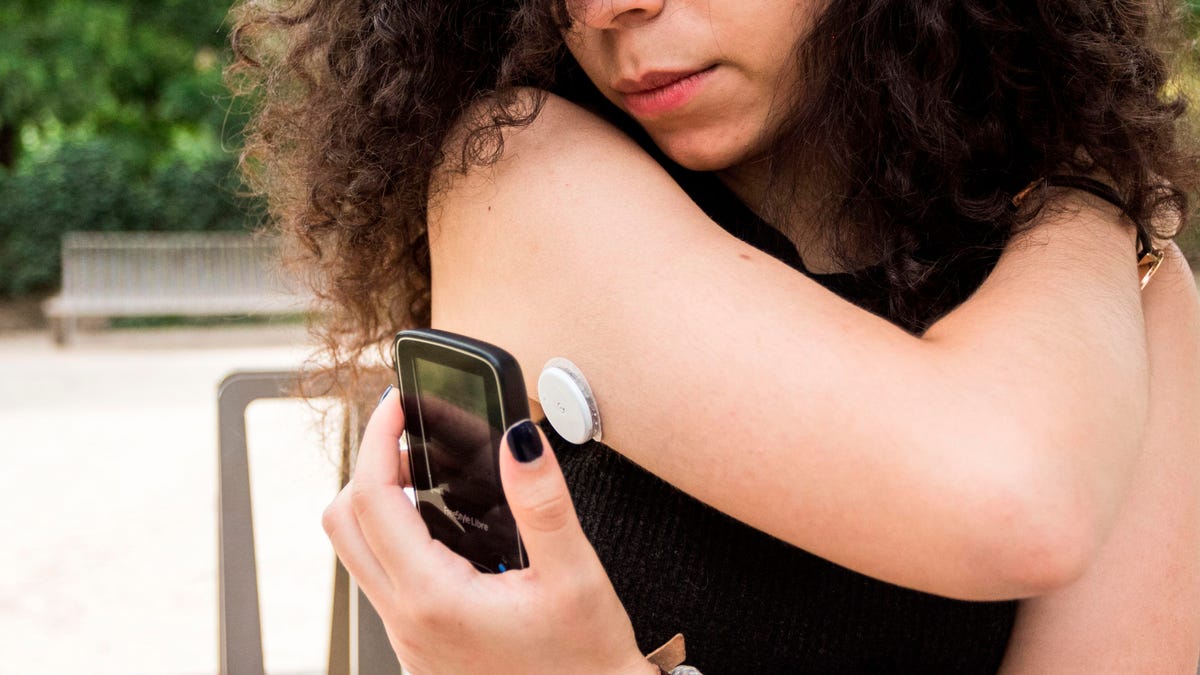
These devices use a tiny, flexible filament inserted just under the skin. This filament contains an enzyme that reacts with glucose in the interstitial fluid, generating a small electrical signal. A transmitter sitting on top of the sensor converts this signal into a glucose reading and sends it wirelessly to your smartphone or watch.
Do you need a prescription for a continuous glucose monitor?
As of 2026, no. While medical-grade systems like the Dexcom G7 still require a prescription for insurance coverage and specific high-risk features, over-the-counter models like the Dexcom Stelo and Abbott Lingo are available to any adult over the age of 18 without a doctor's note.
How accurate are wearable glucose monitors compared to finger sticks?
Modern CGMs are highly accurate, with MARD ratings between 8% and 10%. While finger sticks remain the gold standard for absolute accuracy during rapid glucose changes, the continuous nature of a wearable provides much better insight into trends and patterns than a single point-in-time blood drop.
Can someone without diabetes wear a glucose monitor?
Yes, and many do. Biohackers and athletes use these sensors to understand how their bodies respond to specific foods, stress, and different types of exercise. It is a powerful tool for preventing the onset of insulin resistance and optimizing energy levels throughout the day.
Does health insurance typically cover wearable glucose sensors?
Coverage varies. Almost all Type 1 patients are covered. For Type 2, coverage often depends on whether you use insulin. For non-diabetics using the device for wellness, insurance rarely covers the cost, but the new OTC options have made the out-of-pocket expense much more manageable.
How long can you wear a glucose monitor sensor before replacing it?
Standard wearable sensors like the FreeStyle Libre 3 and Dexcom G7 last between 10 and 15 days. After this period, the enzyme on the filament degrades, and the sensor must be discarded. The exception is the Eversense 365, which is a specialized implantable sensor that lasts for 365 days.