Quick Facts
- Top OTC Pick: Dexcom Stelo ($98/month)
- Best for Athletes: Abbott Lingo ($44 entry)
- Best Accuracy: Dexcom G7 (8.2% MARD)
- Innovation: Eversense 365 (1-year implantable)
- Direct Answer: A continuous glucose monitor is a wearable biosensor that measures glucose levels in the interstitial fluid in real-time. By 2026, these devices have become the gold standard for metabolic health tracking, offering insights into insulin sensitivity and postprandial spikes that traditional fingerstick testing cannot capture.
Continuous glucose monitors (CGMs) have transitioned from medical necessities to essential tools for metabolic health tracking. By providing real-time data on how food, exercise, and sleep affect blood sugar levels, these wearables allow individuals to optimize their nutrition and energy. This data-driven approach helps users minimize postprandial spikes and improve long-term insulin sensitivity through personalized lifestyle adjustments.
Why CGMs are the Ultimate Wearable in 2026
The landscape of personal health has shifted from reactive care to proactive wellness optimization. We no longer wait for a diagnosis to start caring about our internal chemistry. This shift is reflected in the explosive market growth, where the global continuous glucose monitoring system market is valued at approximately $6.28 billion in 2024 and is projected to grow to nearly $23 billion by 2032, representing a compound annual growth rate of 22.7%.
What was once a tool reserved for those managing Type 1 diabetes has become a biohacking essential for longevity. The major turning point occurred in March 2024, when the U.S. Food and Drug Administration cleared the Dexcom Stelo Glucose Biosensor System as the first continuous glucose monitor available over-the-counter for adults not using insulin. This opened the floodgates for non-diabetics to explore how blood sugar wearable benefits can enhance cognitive function, weight management, and stable energy throughout the day.
In the longevity community, we view glycemic variability as a primary driver of systemic inflammation and accelerated aging. High-frequency monitoring allows us to see the "hidden" spikes caused by stress or poor sleep, which a single morning finger prick could never reveal. By stabilizing these fluctuations, we can reduce the risk of metabolic syndrome and preserve mitochondrial health.
Choosing a CGM Device: OTC vs. Prescription
When you are choosing a CGM device, the first question is whether you need medical-grade monitoring or wellness-focused insights. The market is now clearly bifurcated into prescription systems and Over-the-Counter (OTC) options designed specifically for metabolic health tracking with continuous glucose monitors.
Prescription vs. OTC
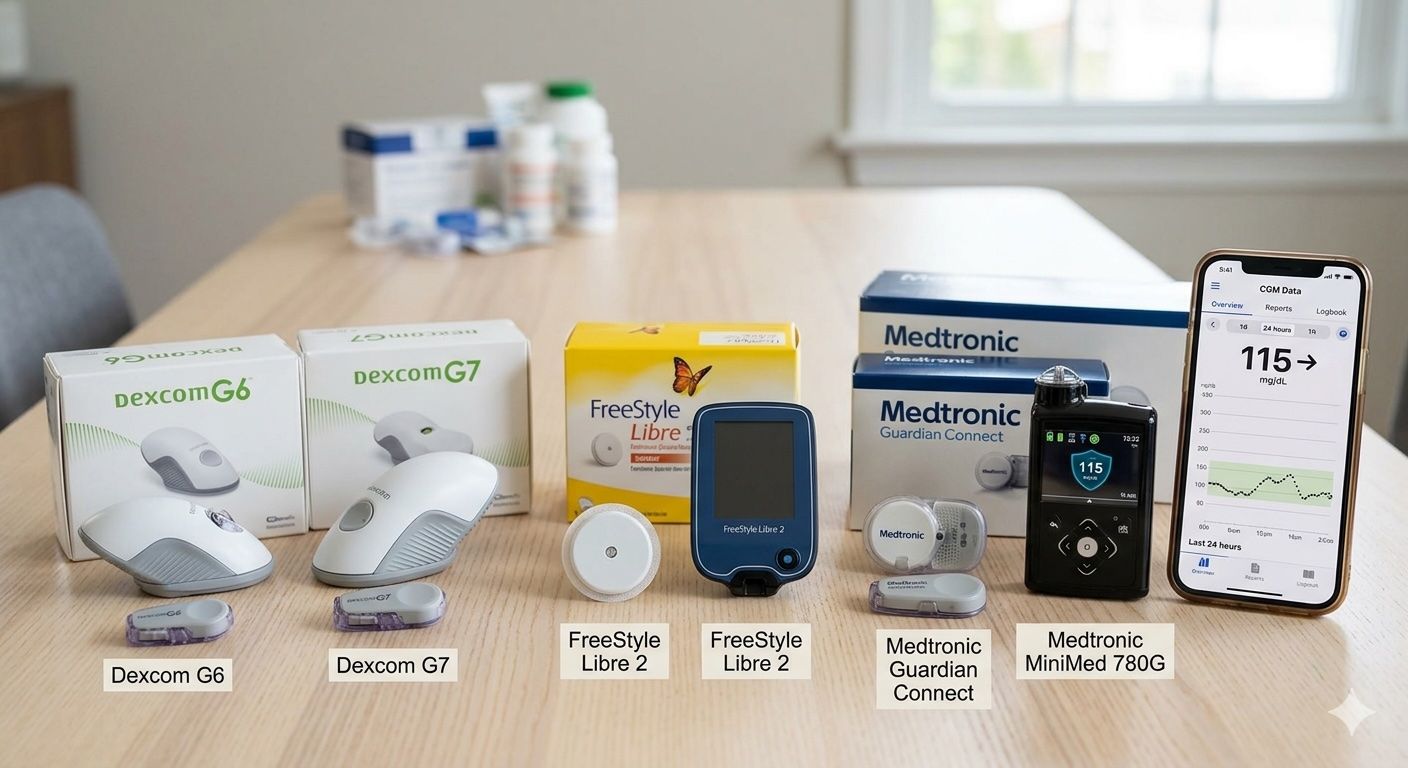
Choosing a continuous glucose monitor requires understanding your specific goals. If you are focused on medical management or have Medicare eligibility requirements, prescription models like the Dexcom G7 and Freestyle Libre 3 are the gold standards. These provide safety-critical alarms for hypoglycemia that the OTC versions often lack.
For those interested in how to choose a continuous glucose monitor for non-diabetics, the new wave of OTC biosensors like Abbott Lingo and Dexcom Stelo are optimized for habit tracking. These devices remove the friction of getting a doctor’s sign-off while providing the same underlying sensor technology. Choosing a cgm device for personalized nutrition means looking for software that translates raw numbers into actionable scores, helping you understand if that "healthy" oatmeal is actually causing a massive glucose excursion.
Technical Benchmarks: MARD and Sensor Life
As an editor focused on functional health, I prioritize data integrity. The most critical metric for any continuous glucose monitor is MARD, or Mean Absolute Relative Difference. A lower MARD percentage indicates higher accuracy when compared to laboratory blood tests.
- Dexcom G7: Features a MARD of 8.2%, currently leading the industry in wearable accuracy.
- Freestyle Libre 3: Offers a MARD of 9.2% with a tiny, discreet form factor.
- Sensor Lifespan: Most current sensors last 10 to 15 days, which accounts for why the sensors segment represented more than 60% of the market share in 2024.
- Eversense 365: This represents a leap in longevity, offering a one-year implantable sensor that eliminates the need for bi-weekly adhesive changes.
When evaluating the best wearable blood sugar monitors for fitness tracking, look for devices with a short warm-up time. The Dexcom G7 warms up in 30 minutes, whereas some older models can take up to two hours, leaving a gap in your data.

Integrating Data for Better Metabolic Health
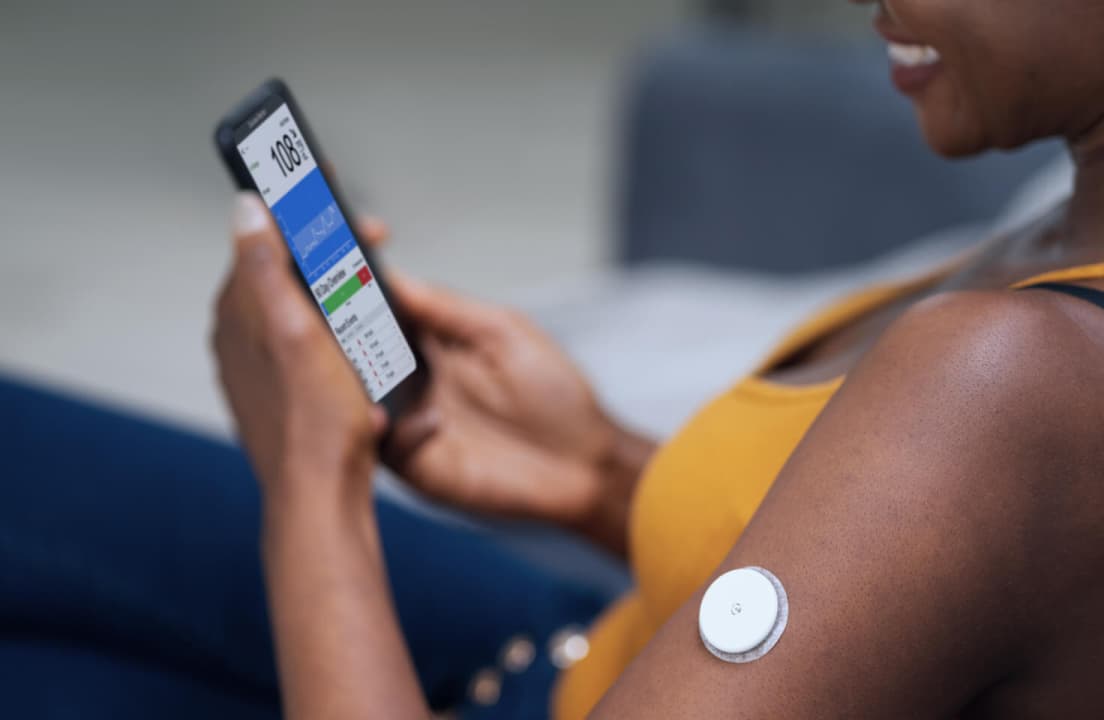
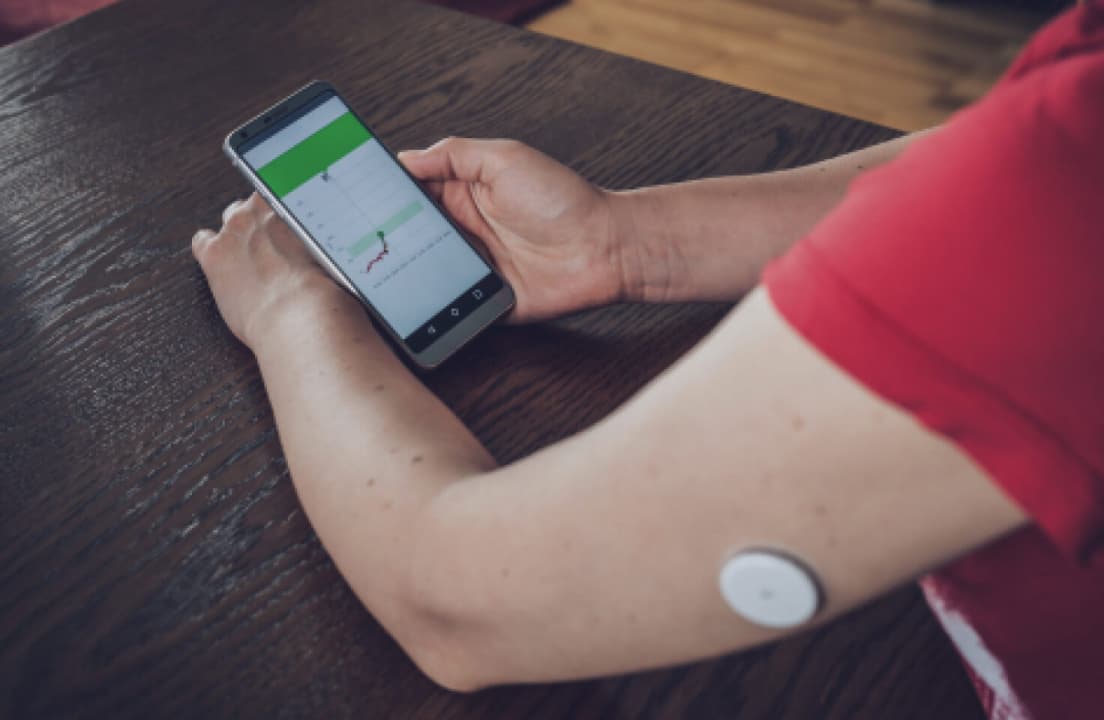
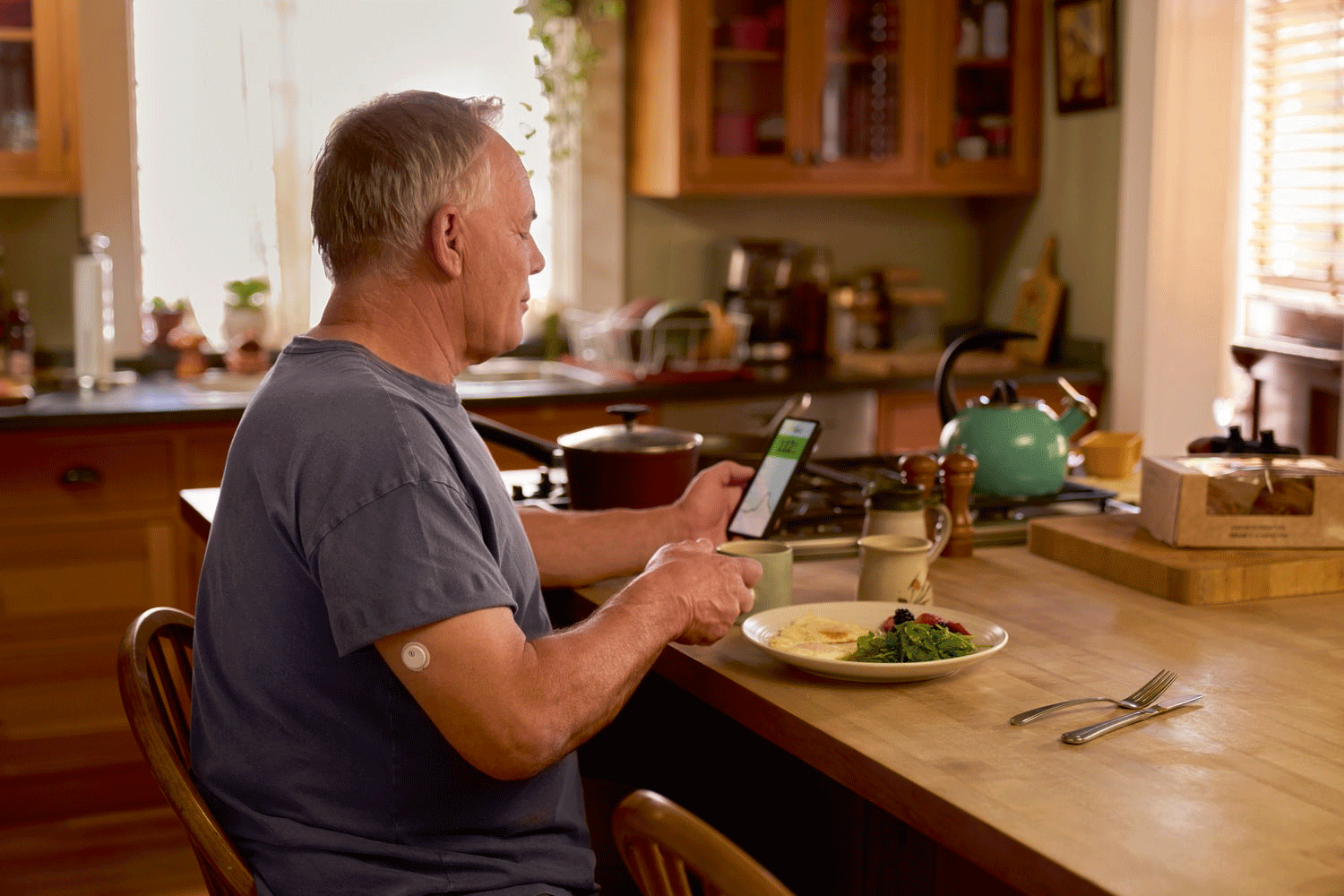
Hardware is only half the battle; the real value lies in interpreting cgm data for better metabolic health. In 2026, the ecosystem of health wearables has become deeply integrated. The best cgm with apple watch integration 2026 allows you to see your glucose levels with a flick of the wrist, alongside your heart rate and activity levels.
This real-time telemetry is vital for understanding your Time in Range (TIR). For longevity, we aim for a TIR that stays between 70–140 mg/dL for as much of the day as possible, rather than the broader medical range of 70–180 mg/dL.
By monitoring your body's response in real-time, you can implement immediate lifestyle fixes:
- The Post-Meal Walk: If you see a spike starting after lunch, a 10-minute walk can significantly blunt that rise by increasing non-insulin mediated glucose uptake.
- Food Sequencing: Use the sensor to see how eating fiber and protein before carbohydrates helps stabilize your insulin sensitivity.
- Stress Detection: Sudden rises in glucose without food intake often signal a cortisol spike, prompting the need for breathwork or a recovery protocol.
A continuous glucose monitor offers a comprehensive view of glycemic variability that traditional fingerstick testing cannot capture. Unlike one-time snapshots, CGMs measure glucose in the interstitial fluid every few minutes, revealing trends and nocturnal fluctuations. This granular data allows for better interpretation of metabolic patterns, helping users make immediate decisions to stabilize blood sugar and prevent long-term health complications.
FAQ
How does a continuous glucose monitor work?
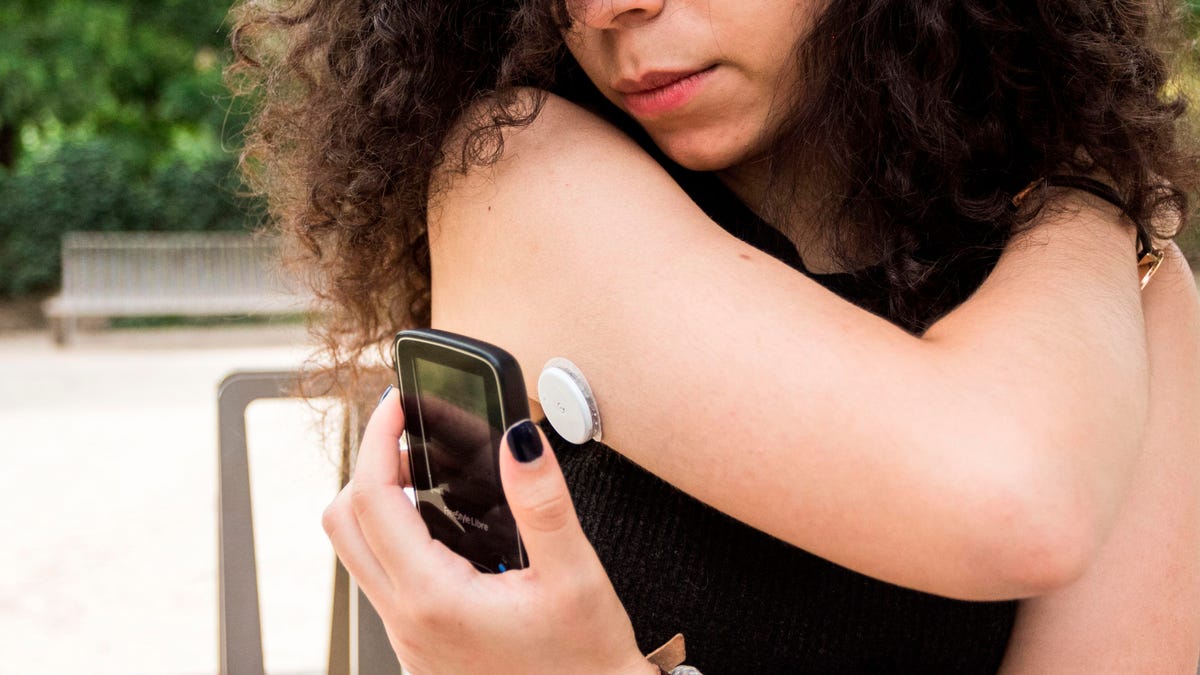
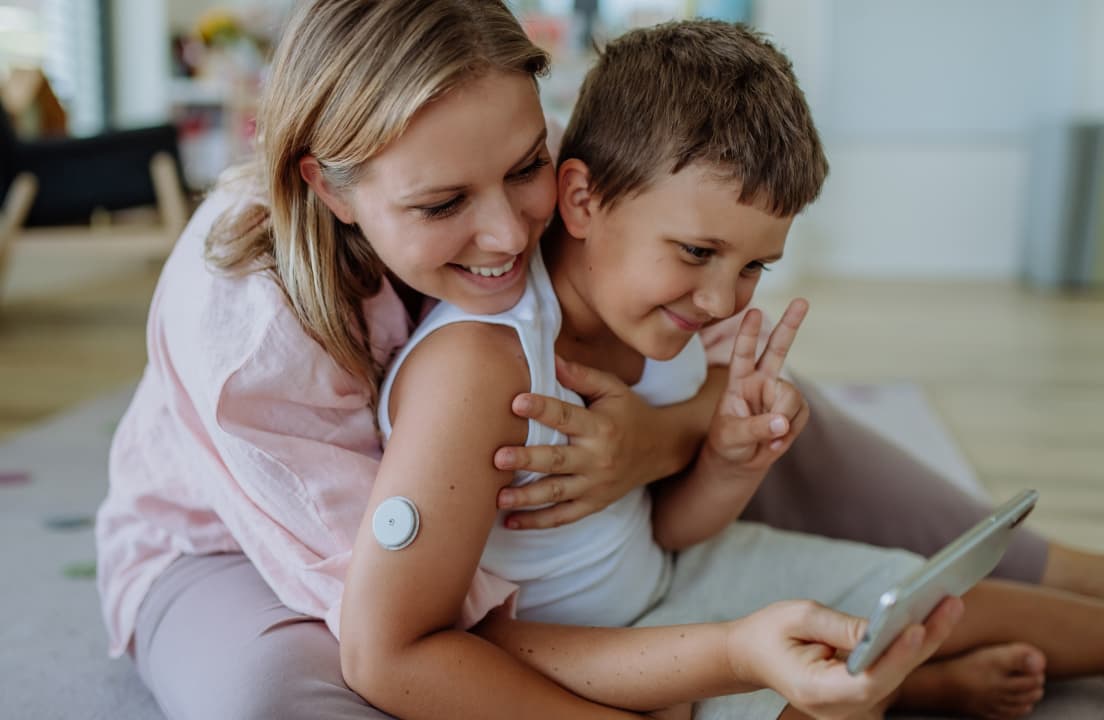
A continuous glucose monitor uses a tiny filament inserted under the skin to measure the glucose levels in the interstitial fluid, which is the fluid surrounding your cells. A transmitter on the sensor sends this data wirelessly to a smartphone or dedicated receiver every few minutes, providing a constant stream of information rather than a single point in time.
Do you need a prescription for a continuous glucose monitor?
It depends on the model. While high-end clinical devices like the Dexcom G7 still typically require a prescription for medical use, newer biosensors like the Dexcom Stelo and Abbott Lingo were cleared by the FDA for over-the-counter sale to adults not using insulin. This allows anyone to purchase a sensor for general wellness and metabolic tracking.
Can non-diabetics use a continuous glucose monitor?
Yes, non-diabetics increasingly use continuous glucose monitors to optimize their athletic performance, manage weight, and prevent future metabolic disease. By seeing how different foods and stressors affect their blood sugar, healthy individuals can make more informed choices about their daily habits to maintain high energy levels and long-term health.
How accurate are continuous glucose monitors compared to finger pricks?
Continuous glucose monitors are very accurate but measure glucose in the interstitial fluid rather than the blood. Because of this, there is usually a 5 to 15-minute delay in the readings compared to a finger prick. Most modern CGMs have a MARD (accuracy rating) of under 10%, making them highly reliable for tracking trends and patterns.
How long does a continuous glucose monitor sensor last?
The lifespan of a sensor varies by brand and model. Most disposable sensors, like those from Dexcom or Abbott, last between 10 and 15 days before they need to be replaced. However, long-term implantable options like the Eversense system can now last up to 365 days with a single insertion.
In conclusion, the continuous glucose monitor is no longer just a medical device—it is the ultimate window into your unique biology. Whether you are an athlete looking for the best wearable blood sugar monitors for fitness tracking or someone simply looking to age gracefully, the real-time feedback provided by these sensors is the most powerful tool we have in 2026 for taking control of our metabolic destiny.