5 Best CGM Wearables: 2026 Reviews & Comparison
Quick Facts
- Top Overall Performance: Dexcom G7 leads with an 8.2% MARD and seamless app integration.
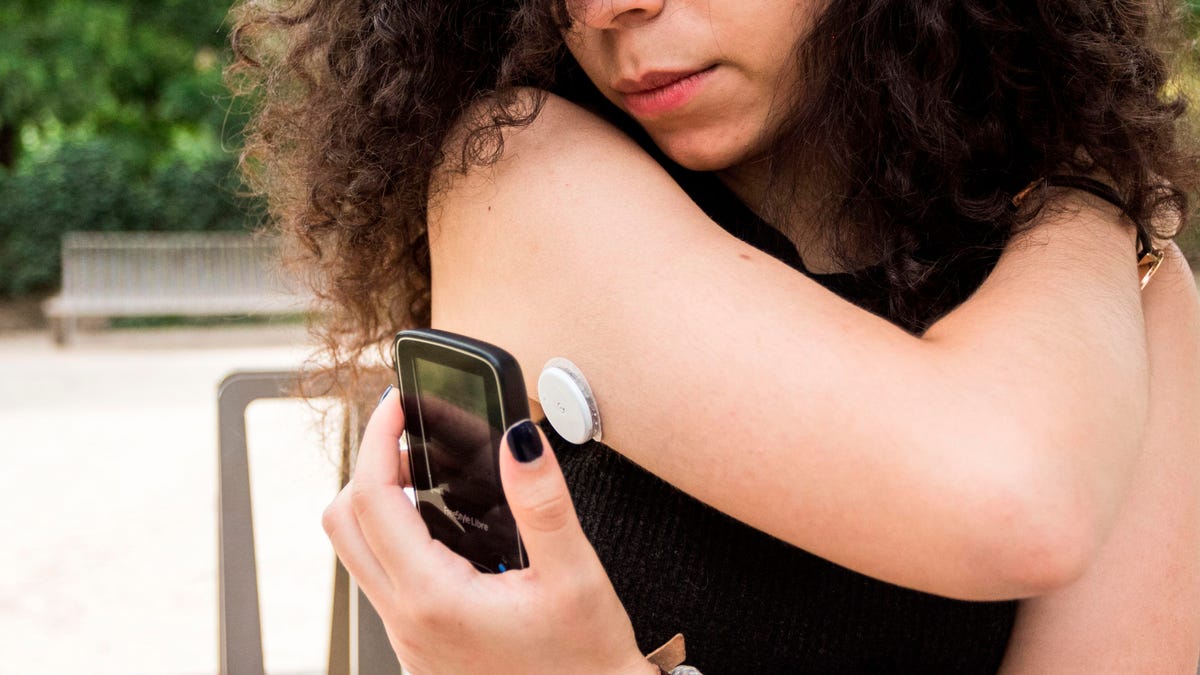
- Most Discrete Design: FreeStyle Libre 3+ remains the world's smallest and thinnest sensor.
- Longest Wear Duration: Eversense 365 is a long term implantable CGM sensors choice, lasting a full year.
- Best Non-Prescription Option: Dexcom Stelo is the primary non prescription glucose monitors for metabolic health for non-insulin users.
- Accuracy Leader: FreeStyle Libre 3+ holds a slight edge with a 7.9% MARD accuracy score.
- Safety Alert: Be aware of the February 2026 Libre 3+ batch recall affecting specific serial numbers.
- Budget Friendly: Abbott Lingo and Dexcom Stelo offer the most affordable over the counter CGM pricing for wellness seekers.
The best CGM wearables in 2026 include the Dexcom G7 for overall accuracy and the FreeStyle Libre 3+ for those seeking the smallest, thinnest sensor. The Eversense 365 is the top choice for a long-term implantable solution lasting a full year, while the Dexcom Stelo and Abbott Lingo provide accessible over-the-counter options for type 2 diabetes and metabolic health tracking.

In the pursuit of human longevity, few data points are as vital as your glycemic variability. As a longevity editor, I view metabolic health as the bedrock of biological age management. By 2026, the market for wearable technology has shifted from basic step counting to sophisticated biowearable technology that offers a window into our internal chemistry. Continuous glucose monitors (CGMs) have transitioned from essential medical tools for type 1 diabetes into powerful diagnostic frameworks for anyone looking to optimize their performance, sleep, and fat metabolism.
Choosing the right device requires understanding the nuance between prescription-grade medical devices and the newer wave of wellness-focused sensors. While they all measure glucose in the interstitial fluid—the fluid surrounding your cells—the differences in alert systems, data depth, and integration with your digital ecosystem are significant.
Top Prescription CGMs: Accuracy & Integration
For those managing insulin-dependent diabetes or those who want the highest level of clinical oversight, prescription CGMs remain the gold standard. These top rated CGM sensors provide real-time data and, crucially, include hypoglycemia warnings that can be life-saving. In the world of continuous glucose monitor reviews, the conversation almost always centers on two heavyweights: Dexcom and Abbott.
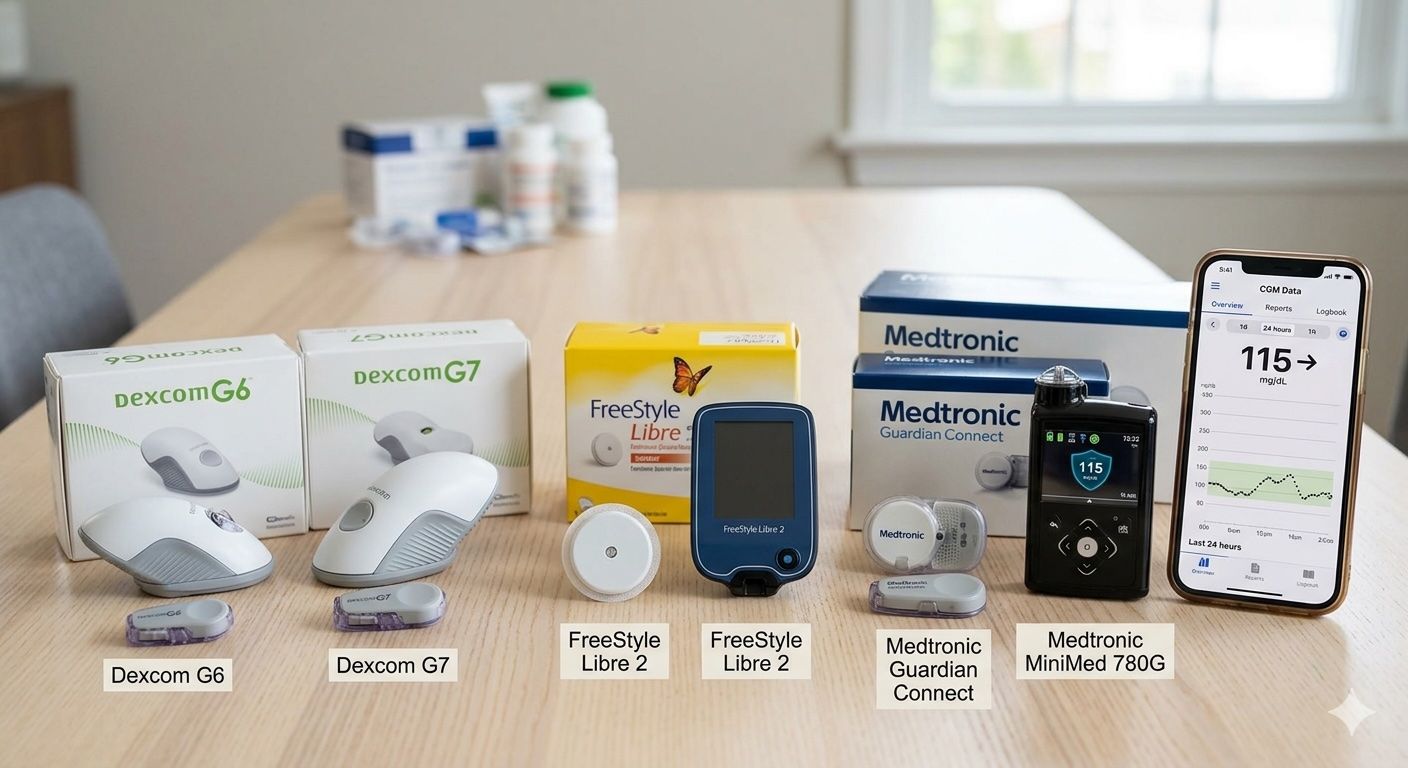
The Dexcom G7 has solidified its position as a favorite for its ease of use and rapid warm-up period of just 30 minutes. It maintains an overall MARD of 8.2% for adult users, which is a key benchmark for accuracy. In our 2026 evaluation, we’ve found that the G7’s 15.5-day wear time (including a 12-hour grace period) provides a seamless transition between sensors. One of its greatest strengths is its direct-to-watch feature, making it a leader for CGM sensors with smartwatch compatibility without needing a phone nearby.
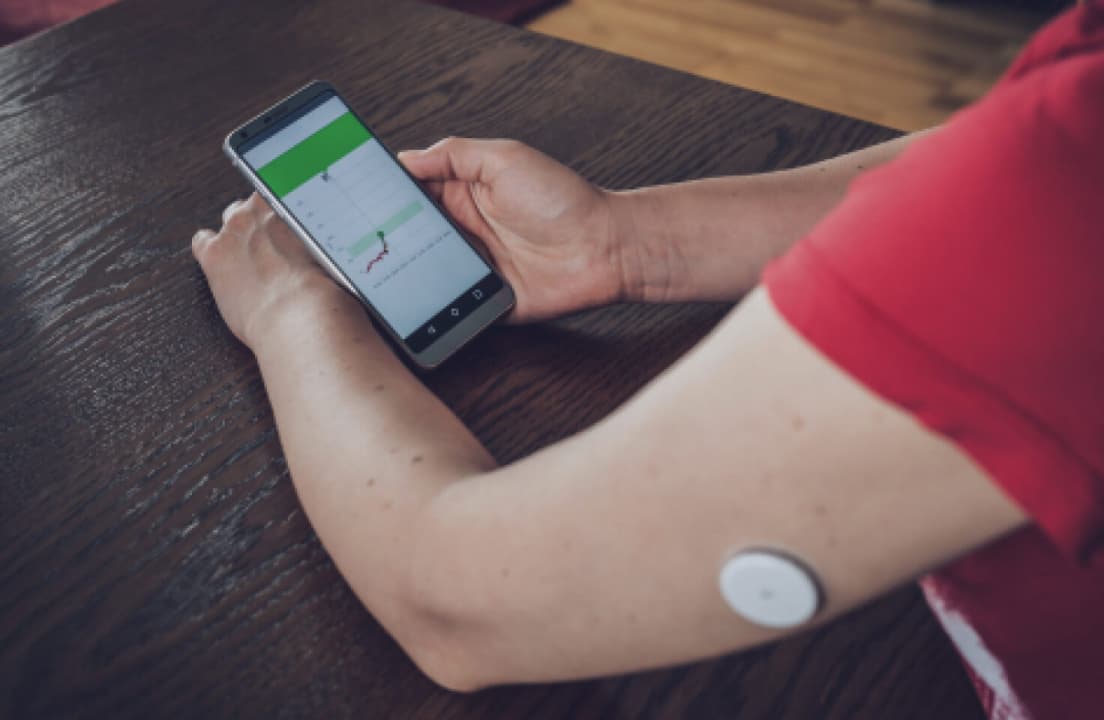
Dexcom G7 vs Freestyle Libre 3 accuracy comparison
When we look at the Dexcom G7 vs Freestyle Libre 3 accuracy comparison, the numbers are incredibly tight. The Abbott FreeStyle Libre 3 is recognized as the world's smallest and thinnest continuous glucose monitor and features a Mean Absolute Relative Difference (MARD) of 7.9%. This makes it technically more "accurate" than the Dexcom G7, though both are well within the margin of error for safe insulin dosing.
FreeStyle Libre 3+ Pros & Cons
- Pros: Smallest and thinnest CGM wearables profile; extremely affordable cash price; 15-day sensor life; no manual calibration required.
- Cons: The sensor applicator is slightly bulkier than the G7; app interface is more clinical and less "lifestyle" oriented.
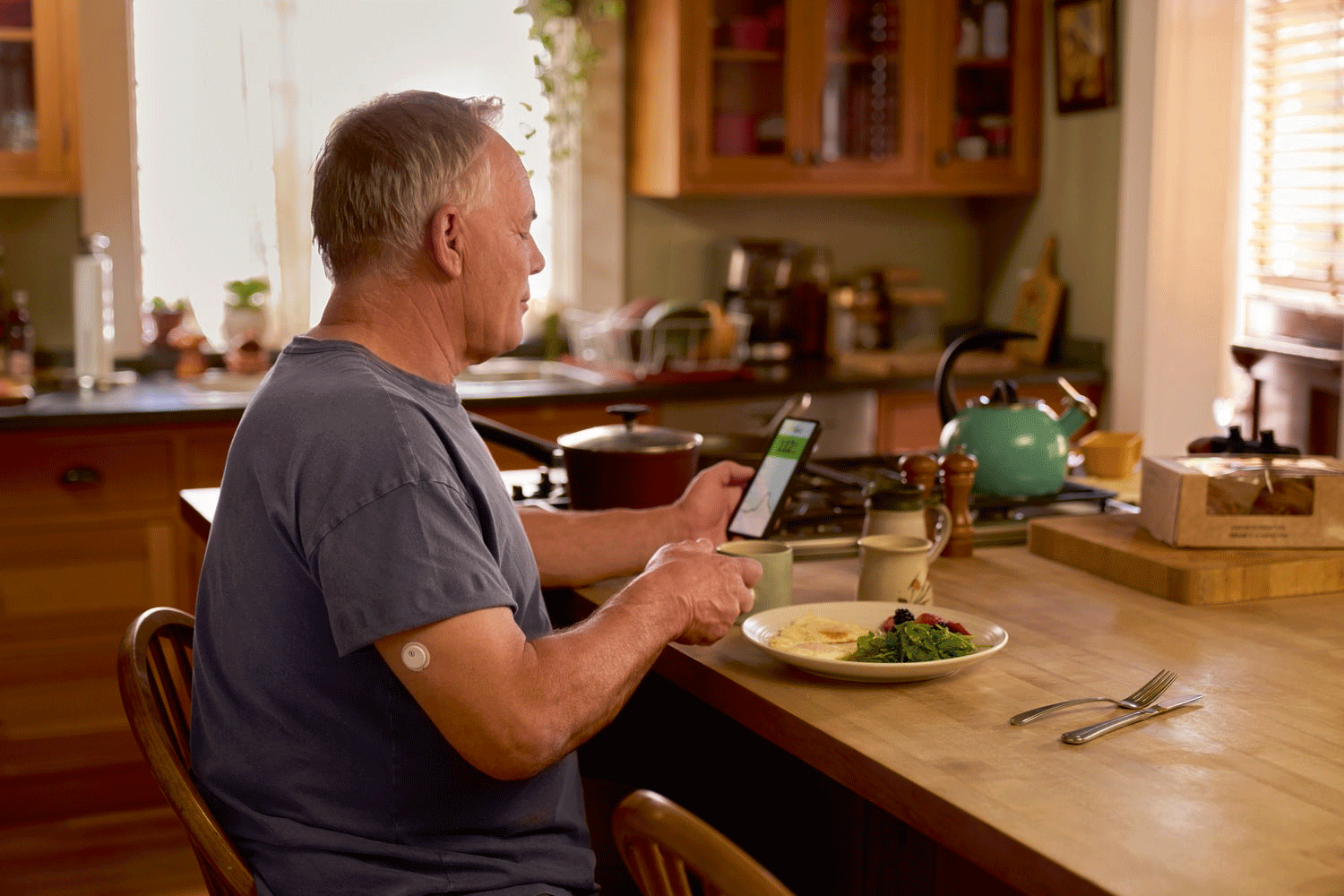
Beyond these two, the Eversense 365 offers a unique value proposition as the best long term implantable CGM sensors. Unlike the "patch" style sensors, this is a tiny grain-of-rice sized filament placed under the skin of the upper arm by a healthcare professional. It lasts an entire year, eliminating the waste and hassle of bi-weekly sensor changes. For the longevity-focused user who wants set-it-and-forget-it data, this is the pinnacle of the current market.
Best Over-the-Counter (OTC) Sensors for Wellness
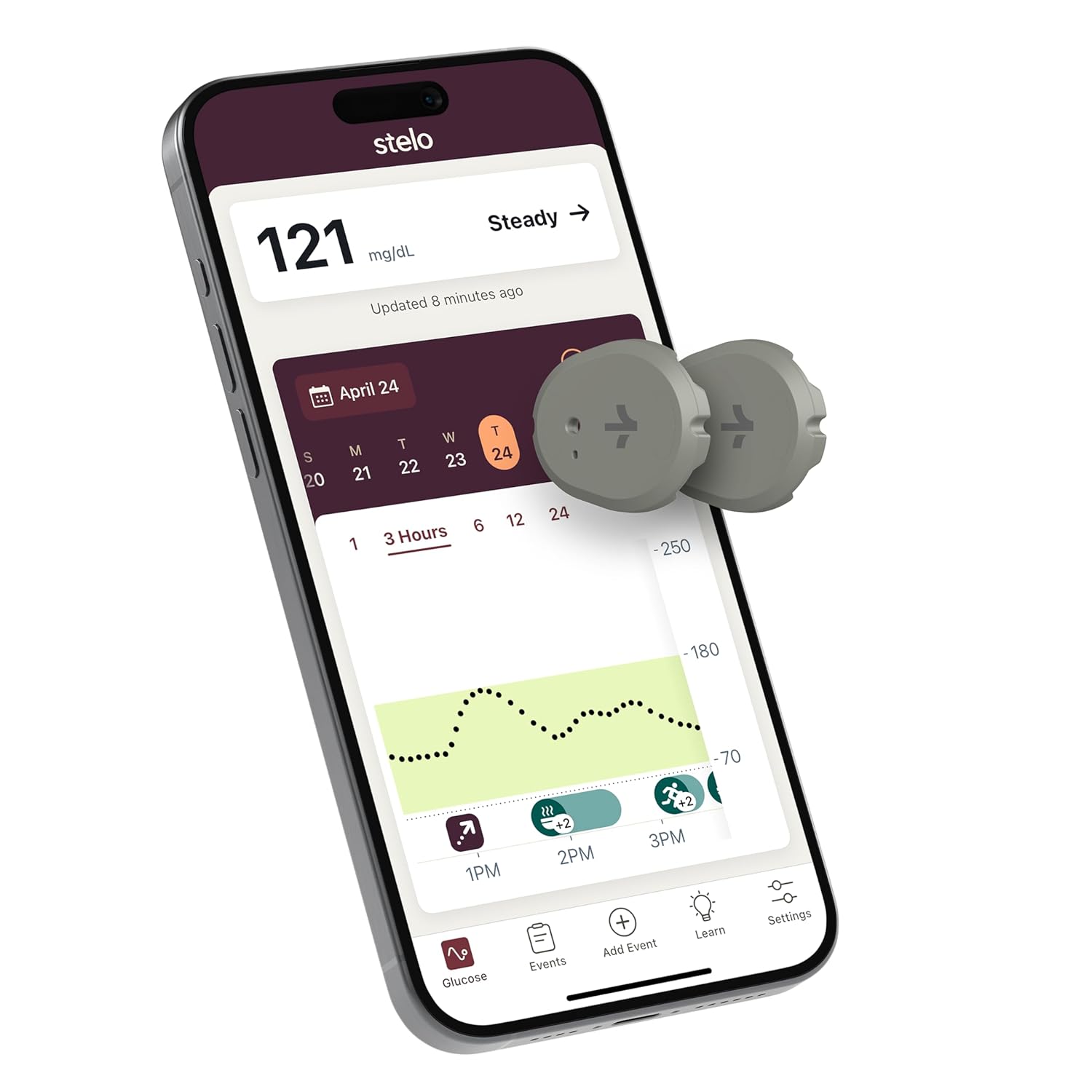
The most significant shift in the 2026 landscape is the mainstreaming of non prescription glucose monitors for metabolic health. These devices are designed for adults who are not using insulin but want to understand how their lifestyle impacts their blood sugar. In 2024, the Dexcom Stelo became the first over-the-counter continuous glucose monitor to receive FDA clearance in the United States, and by 2026, it has become a staple for biohackers and health enthusiasts.
The Dexcom Stelo is essentially a modified G7 sensor with a 15-day wear duration. However, it lacks the high and low glucose trend arrows and real-time hypoglycemia warnings found in the prescription version. This is an intentional design choice to prevent "alarm fatigue" in healthy users. Its software focuses on "Spike Detection," helping you see if that bowl of oatmeal or the late-night glass of wine is wreaking havoc on your metabolic stability.
Abbott’s entry into this space, the Abbott Lingo, takes a more "coaching" approach. It uses the Libre technology but wraps it in an app that provides a "Lingo Count"—a simplified metric to help you stay within your target range. It is often cited as the most affordable over the counter CGM when purchased in multi-month bundles.
But is the smallest sensor always the best choice? Not necessarily. While the OTC models are easier to obtain without a doctor, they do not integrate with automated insulin delivery systems. If you have Type 1 diabetes, the safety features of a prescription sensor are non-negotiable. For the rest of us, the OTC market provides the best CGM wearables for identifying "silent" metabolic dysfunction long before it shows up on a standard fasted lab test.
Technical Comparison: MARD Scores & Financial Impact
To make an informed decision, we must look at the data. This CGM device comparison guide highlights the key performance metrics that matter most to the end-user. The MARD accuracy score is our primary benchmark; the lower the percentage, the closer the device is to a lab-grade blood draw.
| Device | MARD Score | Wear Duration | Prescription? | Key Integration |
|---|---|---|---|---|
| Dexcom G7 | 8.2% | 10.5 Days | Yes | Apple Watch, Tandem Pump |
| Libre 3+ | 7.9% | 15 Days | Yes | OmniPod 5, MySugr |
| Eversense 365 | 8.5% | 365 Days | Yes | Dedicated App |
| Dexcom Stelo | ~9.0% | 15 Days | No (OTC) | Oura Ring, HealthKit |
| Abbott Lingo | ~9.0% | 14 Days | No (OTC) | Proprietary Coaching App |
Financially, the landscape is complex. While the retail price of OTC sensors sits around $89-$99 per month, many prescription users utilize the $75 coupon hack provided by manufacturers to bring the cost of a 30-day supply of Dexcom G7 or Libre 3+ down to a lower price point than the OTC versions. This requires a willing physician but can result in better hardware for less money.
Safety First: Understanding Recalls & Calibration
As with any medical-grade wearable technology, safety and accuracy are paramount. Most modern sensors are now factory-calibrated, meaning the need for daily finger-stick checks has been almost entirely eliminated. However, if your symptoms don't match your sensor readings—for example, if you feel shaky but the app shows you are stable—a manual check is always recommended.
Safety Alert: February 2026 Recall Users of the FreeStyle Libre 3+ should check their sensor lot numbers immediately. Abbott issued a voluntary recall for specific batches manufactured in late 2025 due to potential for higher-than-actual glucose readings. While the incidence rate is low, it highlights the importance of staying in contact with your pharmacist or provider.
Adhesive longevity is another factor often overlooked. The "warm-up period" is the time it takes for the sensor to stabilize in the interstitial fluid after insertion. During this time, the device won't provide data. While the G7 has a lightning-fast 30-minute warm-up, the Eversense and Libre models can take up to 60 minutes or longer. For active users, ensure you are using a medical-grade overpatch to prevent the sensor from catching on clothing or peeling off during high-intensity workouts.

FAQ
What are the top-rated continuous glucose monitors currently available?
The top-rated devices in 2026 include the Dexcom G7 for its accuracy and smartwatch integration, the FreeStyle Libre 3+ for its compact size, and the Eversense 365 for those who want a year-long implantable solution. For those without a prescription, the Dexcom Stelo and Abbott Lingo are the leading choices for wellness and metabolic tracking.
Can non-diabetics use CGM wearables for health tracking?
Yes, non-diabetics increasingly use CGM wearables to understand their metabolic health. By tracking how different foods, stress levels, and exercise routines affect their blood sugar, healthy individuals can optimize their energy levels, improve athletic performance, and potentially reduce the risk of developing insulin resistance or metabolic syndrome later in life.
Do I need a prescription to buy a CGM wearable?
It depends on the model. Clinical-grade sensors like the Dexcom G7, FreeStyle Libre 3+, and Eversense 365 require a prescription from a healthcare provider. However, the newest category of sensors, such as Dexcom Stelo and Abbott Lingo, are available over-the-counter and do not require a doctor's visit, though they lack certain medical-grade features like low-glucose alarms.
How accurate are wearable glucose monitors compared to finger sticks?
Most modern CGM wearables are highly accurate, with MARD scores ranging from 7.9% to 9%. While finger sticks measure capillary blood, CGMs measure glucose in the interstitial fluid. Because of this, there can be a 5-15 minute lag in CGM readings compared to blood during rapid changes. However, for most users, factory-calibrated CGMs are accurate enough to replace daily finger sticks.
How long can you wear a CGM sensor before it needs replacement?
Most disposable CGM sensors are designed to be worn for 10 to 15 days. The Dexcom G7 offers 10 days of wear plus a 12-hour grace period, while the FreeStyle Libre 3+ lasts for 15 days. The Eversense 365 is a notable exception, as it is a long-term implantable sensor that only needs replacement once every 365 days.