Quick Facts
- Diarrhea Definition: Characterized by the passage of 3 or more loose or liquid stools per day.
- Immediate Action: Prioritize hydration with Oral rehydration salts rather than plain water to ensure proper Mineral replenishment.
- Zinc Power: Taking Zinc supplements can reduce the duration of a diarrhea episode by 25% and is associated with a 30% reduction in stool volume.
- Recovery Timeline: It typically takes approximately 30 days for the gut microbiome to fully recover its original diversity after an episode.
- Medication Rule: Avoid anti-motility drugs like Loperamide if you have bloody stools, a high fever, or if the patient is under 18.
- Global Impact: There are nearly 1.7 billion cases of childhood diarrheal disease annually, making it a critical health issue to manage properly.
To manage diarrhea quickly at home, prioritize hydration using oral rehydration salts or water to replenish electrolytes. Focus on a bland diet consisting of low-residue foods like bananas, rice, and toast to stabilize stool consistency and soothe the intestinal lining while avoiding common triggers like caffeine or fatty foods.
Assessing Severity and Identifying Red Flags
When you are dealing with a sudden disruption in your Gastrointestinal tract, the first step is to categorize the severity. Most people experience acute diarrhea, which typically lasts less than 14 days and is often the result of a viral or bacterial infection. However, if symptoms persist for 14 to 30 days, it is classified as persistent, and anything beyond 30 days is considered chronic. Understanding this timeline is the foundation of how to manage diarrhea effectively.
While many cases resolve on their own, you must stay vigilant for specific warning signs. Post-infection issues are common; in fact, research suggests that up to 50% of Irritable Bowel Syndrome (IBS) cases may be linked to previous gastrointestinal infections. Knowing the signs you should see a doctor for diarrhea can prevent a temporary issue from becoming a long-term complication.
? Red Flag Callout: When to Call a Doctor
Seek immediate medical attention if you experience any of the following:
- Blood or mucus in the stool
- A high fever (above 102°F or 39°C)
- Signs of extreme dehydration (dark urine, dizziness, extreme thirst)
- Severe Abdominal cramping or pain that does not improve after a bowel movement
- Symptoms that persist beyond 48 hours without improvement
Mastering Hydration and Mineral Replenishment
One of the most common mistakes people make when trying to stop diarrhea symptoms is drinking only plain water. While water is essential, your body is losing more than just fluid; it is losing critical salts and minerals. Relying solely on water can actually dilute the remaining electrolytes in your system, potentially leading to a condition called hyponatremia.
This is where Oral rehydration salts (ORS) become your most valuable tool. These solutions contain a specific ratio of glucose and salts that optimizes the absorption of water in the small intestine. For parents struggling to keep children hydrated, an expert hack is to freeze electrolyte drinks into popsicles, making the hydration process less daunting for a sick child.
Beyond fluids, Mineral replenishment through specific supplementation is highly effective. According to the World Health Organization, Zinc supplements reduce the duration of a diarrhea episode by 25% and are associated with a 30% reduction in stool volume. Using these hydration strategies for managing diarrhea symptoms ensures that your body has the raw materials it needs to maintain cellular function while the infection clears. If you are wondering how to restore electrolyte balance after diarrhea, starting with small, frequent sips of ORS is the gold standard.
The BRAT Diet and Stabilization
Once the initial "flush" of the illness has peaked, your focus shifts to stabilizing your Stool consistency. This is where the Bland diet—specifically the BRAT acronym—comes into play. BRAT stands for Bananas, Rice, Applesauce, and Toast. These are low-residue foods that are easy for the Gastrointestinal tract to process because they are low in fiber and fat.
However, the BRAT diet is meant to be a short-term bridge, not a long-term solution. As soon as you can tolerate more, you should introduce other foods for digestive balance. Lean proteins like boiled chicken or white fish provide necessary amino acids without the irritation of heavy oils. You should also focus on Soluble fiber sources. Unlike insoluble fiber (found in wheat bran or veggie skins), Soluble fiber absorbs excess water in the colon, acting like a sponge to help firm up loose stools.
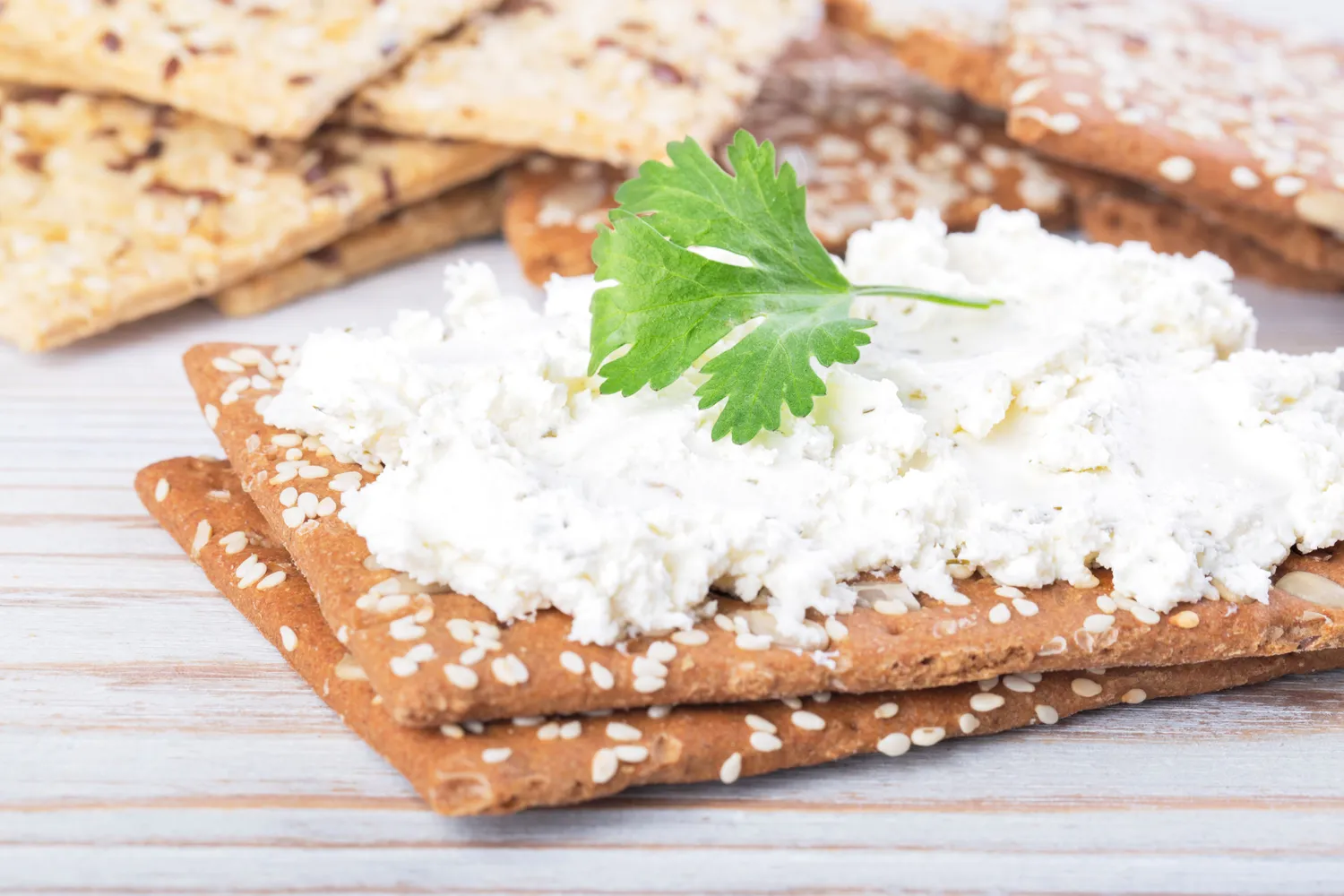
To help you navigate this transition, use the following table as a guide for the best foods for gut health recovery after diarrhea.
| Category | Safe Recovery Foods | Gut Irritants to Avoid |
|---|---|---|
| Grains | White rice, white toast, plain crackers | Whole wheat, bran, popcorn, brown rice |
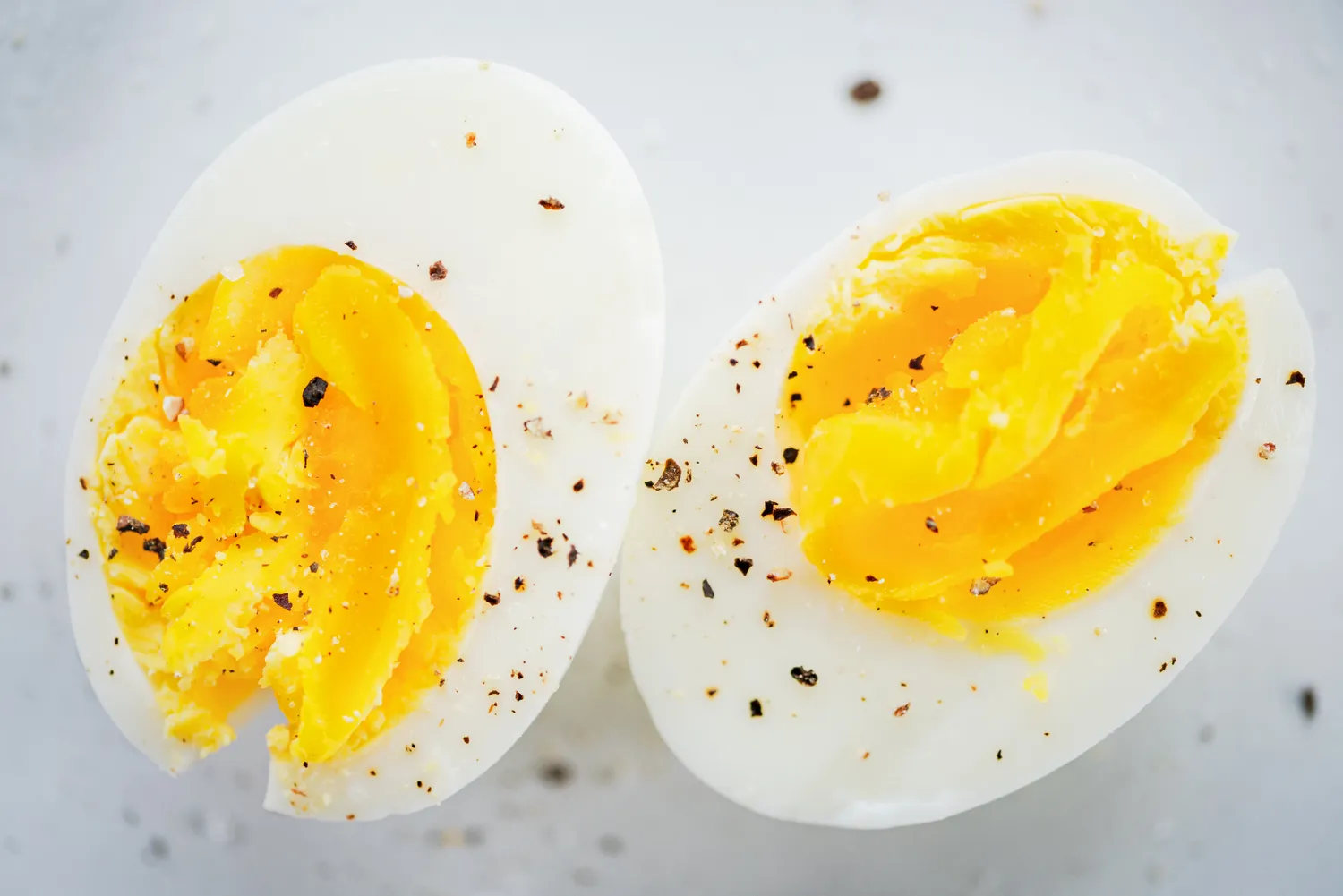
| Proteins | Boiled chicken, eggs, white fish | Fried meats, spicy sausage, fatty cuts |
| Fruits | Bananas, peeled apples, melons | Prunes, berries with seeds, citrus juices |
| Vegetables | Boiled carrots, peeled potatoes | Broccoli, cauliflower, cabbage, raw salad |
| Beverages | ORS, weak herbal tea, coconut water | Coffee, soda, alcohol, milk (if lactose intolerant) |
Restoring Microbiome Diversity and Gut Lining
The end of symptoms does not mean your gut is back to 100%. Research indicates that it typically takes approximately 30 days for the gut microbiome to fully recover its complex community and original Microbiome diversity following a diarrhea episode. This "recovery gap" is a vulnerable time where you might feel "off" or experience lingering bloating.
To accelerate gut health recovery, you should strategically reintroduce beneficial bacteria. Using probiotics for restoring gut flora after stomach flu is highly recommended, particularly strains of Lactobacillus. These "friendly" bacteria help crowd out any remaining pathogens and stimulate the repair of the Intestinal lining.
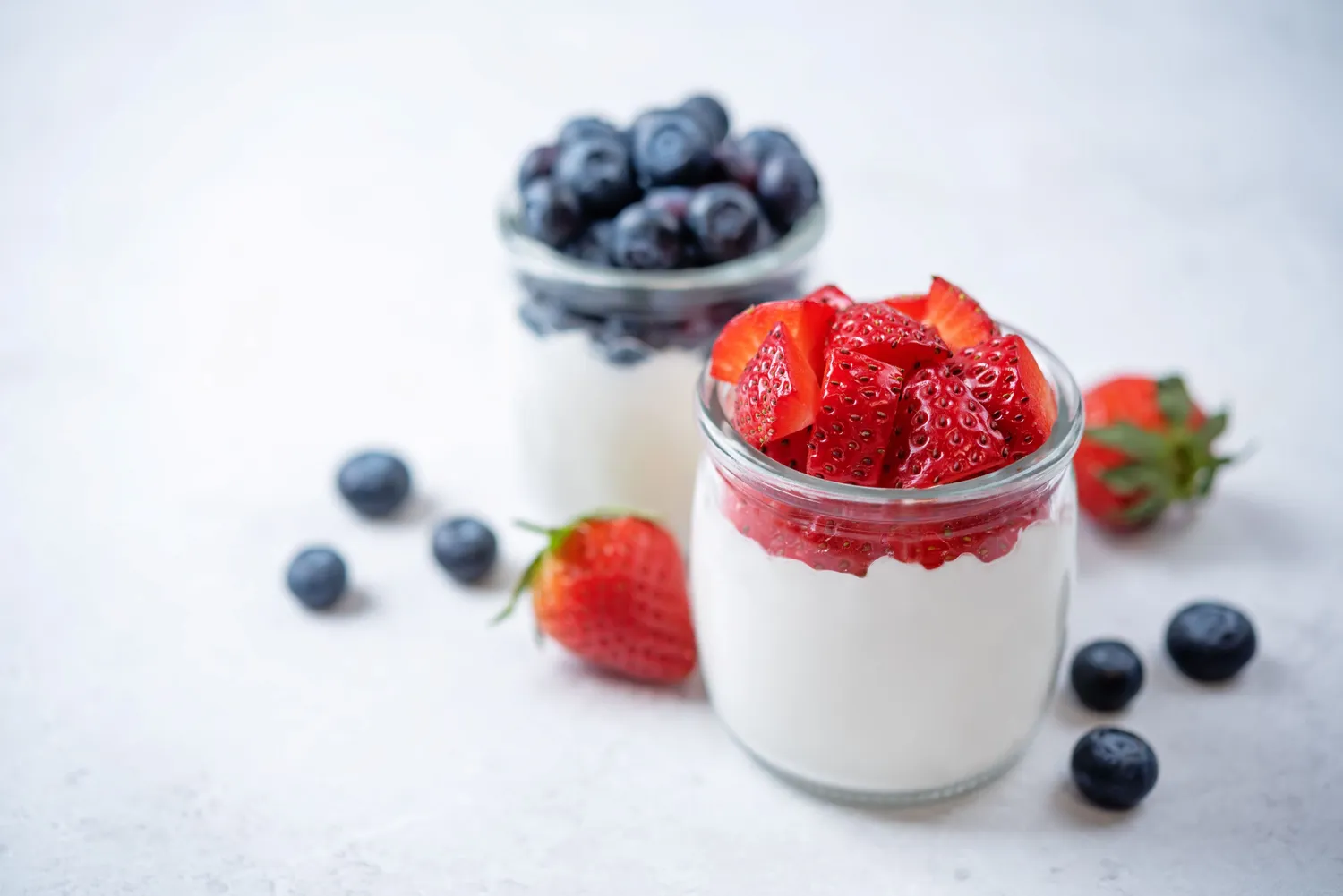
If your diarrhea was caused by a bacterial infection and you were prescribed antibiotics, remember the 2-hour rule: take your probiotic supplement at least two hours after your antibiotic dose to ensure the medication doesn't kill the beneficial microbes you're trying to introduce.
Finally, focus on healing the Intestinal lining itself. Amino acids like glutamine are the primary fuel source for the cells lining your gut. Incorporating glutamine-rich foods can help seal the "leaky" junctions that often occur during inflammation.
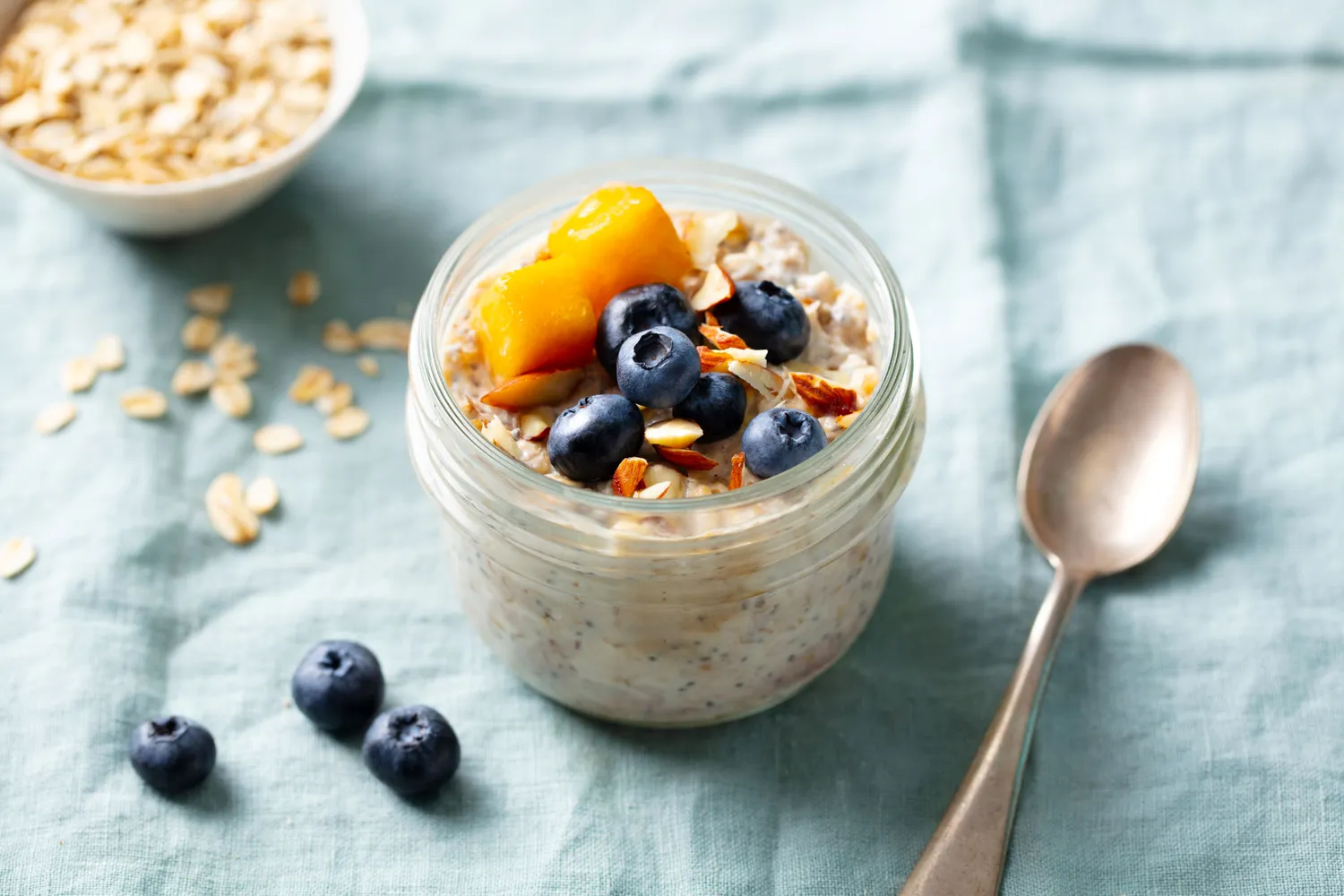
As you move through this 30-day window, gradually increase the variety of your fiber intake. While you started with white rice, you will eventually want to return to complex carbohydrates like oats to feed the newly restored bacteria.
FAQ
What is the fastest way to stop diarrhea?
The fastest way to stop symptoms is a combination of resting the bowel and using over-the-counter anti-motility agents like Loperamide, provided there is no fever or blood in the stool. However, "stopping" the movement doesn't mean the underlying cause is gone. You must prioritize hydration with oral rehydration salts to help the body flush the irritant while maintaining Mineral replenishment.
What foods should I eat when I have diarrhea?
Stick to the Bland diet during the acute phase. Focus on bananas, white rice, applesauce, and plain toast (the BRAT diet). As you begin to feel better, introduce low-residue foods like boiled potatoes, skinless chicken, and crackers. These foods are easy to digest and help provide bulk to the stool without irritating the Gastrointestinal tract.
When is diarrhea considered a medical emergency?
It becomes an emergency if you show signs of severe dehydration, such as an inability to keep fluids down, lack of urination, or sunken eyes. Other emergency triggers include high fever, severe Abdominal cramping, bloody stools, or if the episode lasts longer than two days for an adult or 24 hours for a child. Globally, diarrheal disease is the second leading cause of death in children under five, so never hesitate to seek clinical intervention for young children.
What should I drink to stay hydrated during diarrhea?
The best choice is an Oral rehydration salts solution, which provides the perfect balance of sugar and electrolytes. Coconut water and diluted fruit juices are secondary options, but you should avoid caffeine, alcohol, and very sugary sodas, as these can actually pull more water into the gut and worsen the condition.
How long does it take for diarrhea to go away?
Most cases of acute diarrhea caused by viral infections or food poisoning resolve within 2 to 4 days. However, while the active symptoms may disappear quickly, the internal Microbiome diversity can take up to a full month to return to its baseline state. Consistent gut health recovery practices during this 30-day window are key to preventing future issues.
Conclusion
Managing a digestive upset is a multi-phase process that begins with safety and ends with restoration. By prioritizing hydration through Oral rehydration salts, stabilizing your system with a Bland diet, and supporting your Microbiome diversity with targeted probiotics like Lactobacillus, you can significantly reduce your recovery time. Remember that your gut is a resilient ecosystem, but it requires patience and the right nutrients to return to peak performance. If you find your symptoms aren't improving or if you spot any red flags, always consult a healthcare professional to ensure there isn't a more serious underlying cause.