Quick Facts
- Prevalence: Hypertrophic cardiomyopathy affects approximately 1 in 500 adults globally.
- Top Symptom: Shortness of breath is the most common indicator, affecting 89% of symptomatic patients.
- Undiagnosed Rate: Roughly 85% of the 700,000 people with HCM in the U.S. do not know they have it.
- Diagnostic Threshold: A myocardial wall thickness of 15 mm or greater typically confirms the condition.
- Sudden Cardiac Death: HCM is the leading identifiable cause of sudden cardiac death in athletes under 35.
- 2026 Treatments: Advanced cardiac myosin inhibitors like Myqorzo (aficamten) and Camzyos (mavacamten) are now primary management options.
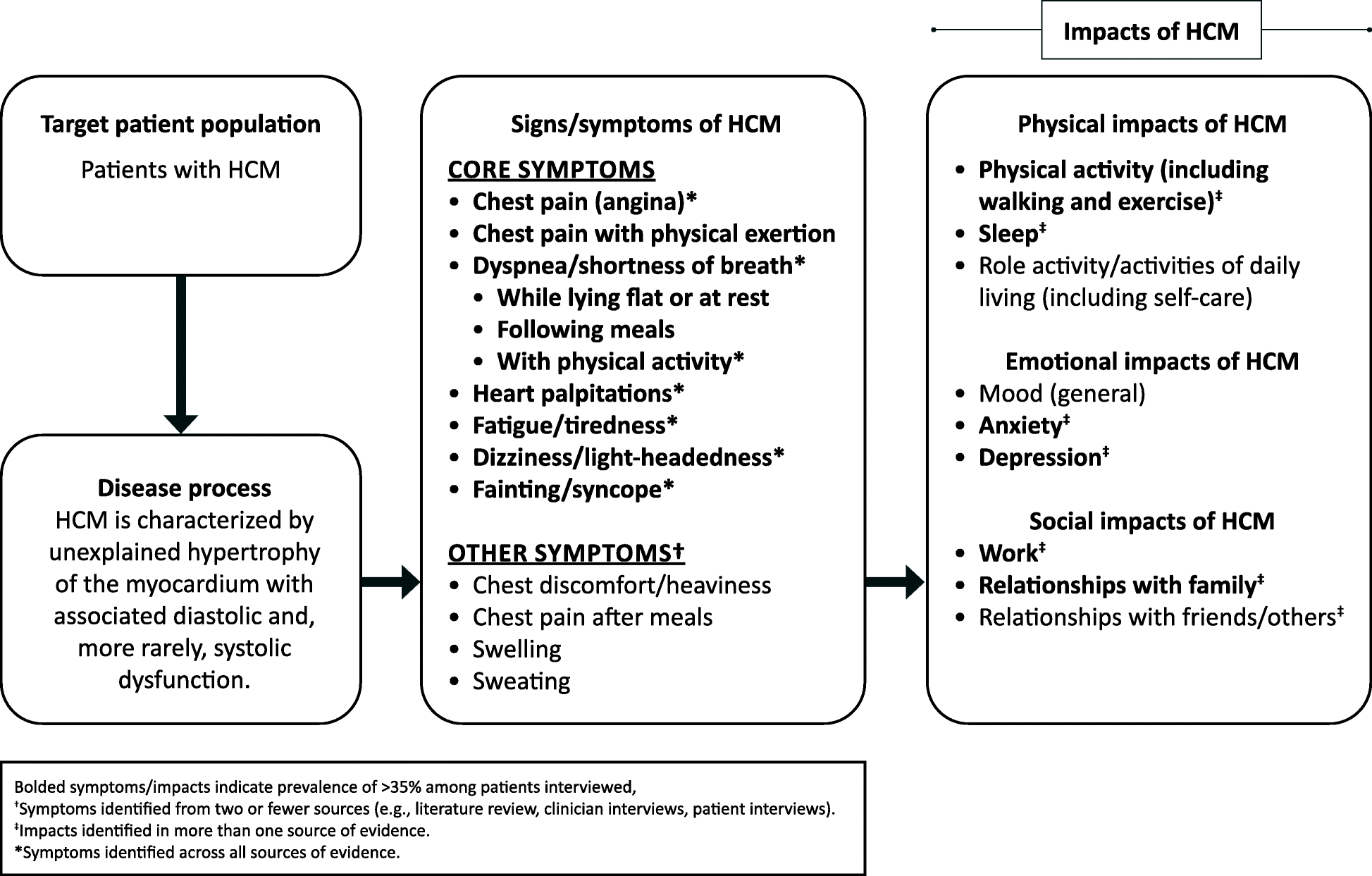
Hypertrophic cardiomyopathy (HCM) affects 1 in 500 adults, yet 85% remain undiagnosed. Recognizing hypertrophic cardiomyopathy symptoms early—like shortness of breath or dizziness—is vital for preventing complications. Common hypertrophic cardiomyopathy symptoms include shortness of breath during exertion, chest pain, and heart palpitations. Patients often experience lightheadedness or fainting, known as syncope, especially during or after physical activity. These signs occur because the thickened heart muscle restricts blood flow and affects the heart's electrical system, potentially leading to arrhythmias or heart failure.
Red Flag 1: Shortness of Breath (Dyspnea) and Fatigue
For many, the first sign of trouble is not a sharp pain but a fading sense of stamina. Shortness of breath in HCM, medically known as dyspnea, is the most prevalent symptom, occurring in roughly 89% of symptomatic patients. Unlike the breathlessness one might feel after a sprint, this feeling often arrives with minimal exertion—climbing a single flight of stairs or walking the dog can feel like running a marathon.
This happens because the thickened heart walls become stiff, making it difficult for the heart to fill with blood. When the heart cannot relax properly, pressure builds up in the lungs, leading to that gasping sensation. Doctors often use the NYHA Functional Classification to track this. Class I patients might feel fine during normal activities, while Class IV patients may feel breathless even while resting.
Another subtle but critical indicator is unexplained fatigue as a sign of HCM. This is not just "feeling tired" after a long day at work; it is a deep, systemic exhaustion that does not resolve with sleep. In obstructive HCM, the heart has to work much harder to pump blood past the thickened septum. This extra workload drains the body’s energy reserves, leading to a persistent state of weariness that can interfere with daily life.
Red Flag 2: Fainting (Syncope) and Dizziness During Exercise
Perhaps the most alarming of the HCM warning signs is syncope, or fainting. While many people attribute dizziness to dehydration or low blood sugar, in the context of heart health, it is a major red flag. This is particularly true for younger individuals and athletes. Because HCM is the most common identifiable cause of sudden cardiac death in athletes and individuals under age 35, with approximately 70% of these deaths occurring in people who had not been previously diagnosed, any loss of consciousness must be treated as a medical emergency.
HCM fainting and dizziness typically occur during or immediately after intense physical activity. When you exercise, your heart beats faster and more forcefully. In a heart with HCM, this increased force can cause the thickened muscle to temporarily block the path where blood exits the heart. This is known as a dynamic obstruction. When the brain doesn't receive enough oxygenated blood for a few seconds, you lose consciousness.
Even if you don't fully faint, experiencing lightheadedness or hypertrophic cardiomyopathy symptoms during exercise is a reason for concern. These HCM warning signs for athletes are often ignored because of a "push through the pain" mentality. However, a sudden drop in blood pressure or an abnormal heart rhythm triggered by exertion is a high-risk signal that requires a formal cardiac evaluation, likely starting with an echocardiogram.
Red Flag 3: Chest Pain (Angina) and Tightness
Chest pain associated with HCM can be confusing because it doesn’t always look like the Hollywood version of a heart attack. Instead of a sharp, stabbing sensation, many patients describe it as a heavy pressure, squeezing, or a dull ache in the center of the chest. This discomfort, known as angina, occurs because the thickened heart muscle requires more oxygen than the coronary arteries can provide.
When you are learning how to describe HCM chest pain to a doctor, it is important to note when it happens. Does it occur when you walk uphill? Does it happen after a heavy meal? Interestingly, shortness of breath after eating HCM is a known phenomenon. When the body diverts blood to the digestive system, the heart may struggle to maintain its output, leading to chest tightness or breathlessness shortly after lunch or dinner.

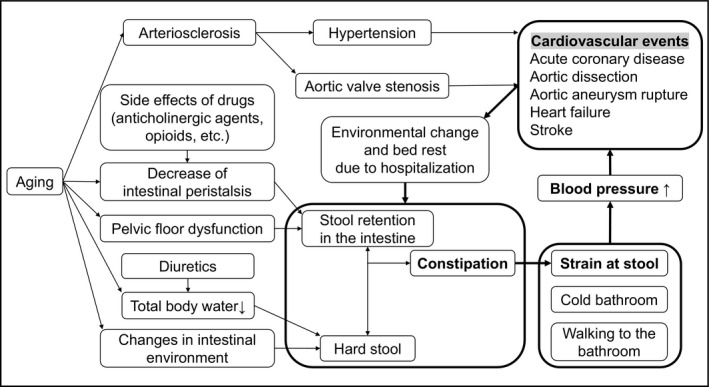
Identifying obstructive HCM symptoms at home involves paying attention to the Valsalva maneuver—which is essentially any straining, such as lifting a heavy box or even during a bowel movement. If these actions cause chest pain or a feeling of fullness in the throat, it may be due to the thickened Myocardial wall thickness creating a temporary blockage. This "squeezing" sensation is a hallmark of the disease that distinguishes it from other types of non-cardiac chest pain.
Red Flag 4: Heart Palpitations and Racing Pulse
Many people experience an occasional "skipped beat" or a flutter in their chest when they are nervous or have had too much caffeine. However, there is a distinct difference between HCM symptoms and normal heart palpitations. In patients with HCM, palpitations are often more frequent, more sustained, and accompanied by other symptoms like dizziness or chest pressure.
The structural changes caused by Left ventricular hypertrophy don't just affect how the heart pumps; they disrupt the heart's electrical wiring. As the muscle fibers become scarred and disorganized, the electrical signals can get "trapped" or loop back on themselves. This can lead to a cardiac arrhythmia, such as atrial fibrillation (AFib) or ventricular tachycardia.
Recognizing HCM palpitations and heart racing is vital because these arrhythmias significantly increase the risk of stroke and heart failure. If your heart feels like it is "flopping" in your chest or racing for no reason while you are sitting still, it is not just anxiety. It is a sign that the heart's architecture is under stress. Doctors will often use a Holter monitor—a portable EKG—to catch these irregular rhythms over a 24-to-48-hour period to see if they correlate with your physical symptoms.
Red Flag 5: The Silent Sign - Family History and Genetic Risk
Not every red flag is a physical sensation. Sometimes, the most important warning sign is your family tree. Hypertrophic cardiomyopathy is a genetic condition, usually inherited in an autosomal dominant pattern. This means that if one parent has the gene mutation, each child has a 50% chance of inheriting it.
While statistics show that 85% of the 700,000 individuals living with the condition in the United States remain undiagnosed, a family history of unexplained sudden death, especially in relatives under the age of 50, is a massive red flag. Even if you feel perfectly healthy today, your genetics might tell a different story. Common mutations involve the MYH7 and MYBPC3 genes, which provide instructions for making proteins involved in muscle contraction.
Knowing when to seek medical help for HCM symptoms is often a matter of connecting the dots between your family medical history and minor physical cues. If a sibling or parent has been diagnosed with an enlarged heart or "athletic heart syndrome," you should request an echocardiogram diagnosis and genetic screening. Modern medicine allows us to identify these "silent" carriers long before the heart muscle reaches a dangerous level of thickness, allowing for preventative care that can literally save lives.
Beyond the Signs: 2026 Diagnosis and Treatment
In the past, an HCM diagnosis often meant a life of strict limitations and heavy medications that simply masked the symptoms. As we move through 2026, the landscape has changed dramatically. The primary tool for identifying the condition remains the echocardiogram, which allows doctors to measure Myocardial wall thickness and visualize blood flow through the mitral valve. If the wall is 15 mm or thicker, it usually points toward HCM.
However, the real revolution is in how we treat it. For decades, we relied on beta-blockers and calcium channel blockers. While helpful, they didn't address the underlying cause of the disease. Today, a new class of drugs called cardiac myosin inhibitors has become the gold standard for many. Medications like Camzyos (mavacamten) and the more recently approved Myqorzo (aficamten) work by targeting the heart muscle at the molecular level. They reduce the number of myosin-actin cross-bridges, which helps the heart relax more effectively and reduces the obstruction in obstructive HCM.
For those at high risk for dangerous heart rhythms, an implantable cardioverter-defibrillator (ICD) can provide a safety net, automatically shocking the heart back into a normal rhythm if a life-threatening arrhythmia occurs. The goal of modern HCM care is no longer just survival; it is about restoring quality of life so that shortness of breath and fatigue are no longer the defining features of a patient's day.
FAQ
What are the first signs of hypertrophic cardiomyopathy?
The earliest signs are often subtle, such as feeling more winded than usual during exercise or experiencing mild chest pressure when walking uphill. Many people also report a "fluttering" in the chest or unexplained fatigue that doesn't go away with rest. Because the heart muscle thickens slowly over time, these symptoms may develop so gradually that patients subconsciously adapt by avoiding physical activity.
What does hypertrophic cardiomyopathy chest pain feel like?
HCM chest pain is usually described as a feeling of heaviness, pressure, or squeezing in the center of the chest. It is often triggered by physical exertion or emotional stress. Unlike the sharp pain of a muscle strain, HCM angina feels deep within the chest and may be accompanied by a feeling of being unable to catch one's breath. Some patients also notice it occurs specifically after eating a large meal.
Can HCM symptoms be mistaken for anxiety?
Yes, it is very common for HCM symptoms to be misdiagnosed as anxiety or panic attacks. Heart palpitations, shortness of breath, and a racing pulse are symptoms of both conditions. However, if these sensations are consistently triggered by physical movement or if they lead to fainting, they are more likely to be cardiac in nature. A simple EKG or echocardiogram can usually distinguish between the two.
Is fainting a common symptom of hypertrophic cardiomyopathy?
Fainting, or syncope, is a major red flag for HCM, especially when it happens during or right after exercise. While it doesn't happen to every patient, it is a high-risk sign that the thickened heart muscle is obstructing blood flow to the brain or that the heart is experiencing a dangerous rhythm. Any episode of unexplained fainting requires an immediate cardiac workup.
Do symptoms of HCM get worse over time?
HCM is often a progressive condition. While some people remain asymptomatic for their entire lives, others find that their shortness of breath and fatigue worsen as the heart muscle continues to thicken or scar. Age-related changes can also make the heart stiffer, leading to more frequent symptoms. Early diagnosis and modern treatments like myosin inhibitors are now used to slow this progression and manage symptoms more effectively.
What are the red flag symptoms of HCM to watch for?
The five critical red flags are persistent shortness of breath during mild activity, fainting or severe dizziness during exercise, chest pain or pressure, heart palpitations that feel like a racing or irregular pulse, and a family history of sudden cardiac death. If you have two or more of these signs, or a known family history, you should speak with a cardiologist about a formal evaluation.