Quick Facts
- Prevalence: In clinical settings, the prevalence of popliteal cysts, known as Baker's cysts, is approximately 25.8%.
- Weight Impact: For every 1 lb of weight lost, approximately 4 lbs of pressure is removed from the knee joint during daily activities.
- Recovery Time: Minor muscle strains typically resolve in 2-4 weeks, while complex meniscus tears may require 3-6 months for full recovery.
- Success Rate: Surgical intervention for cyst removal via arthroscopic resection boasts a 98.2% success rate when conservative measures fail.
- Key Marker: The Foucher Sign helps identify a cyst; the mass becomes firm when the leg is fully extended and softens during flexion.
- Injury Frequency: Hamstring injuries account for approximately 12% of all injuries in field-based team sports.
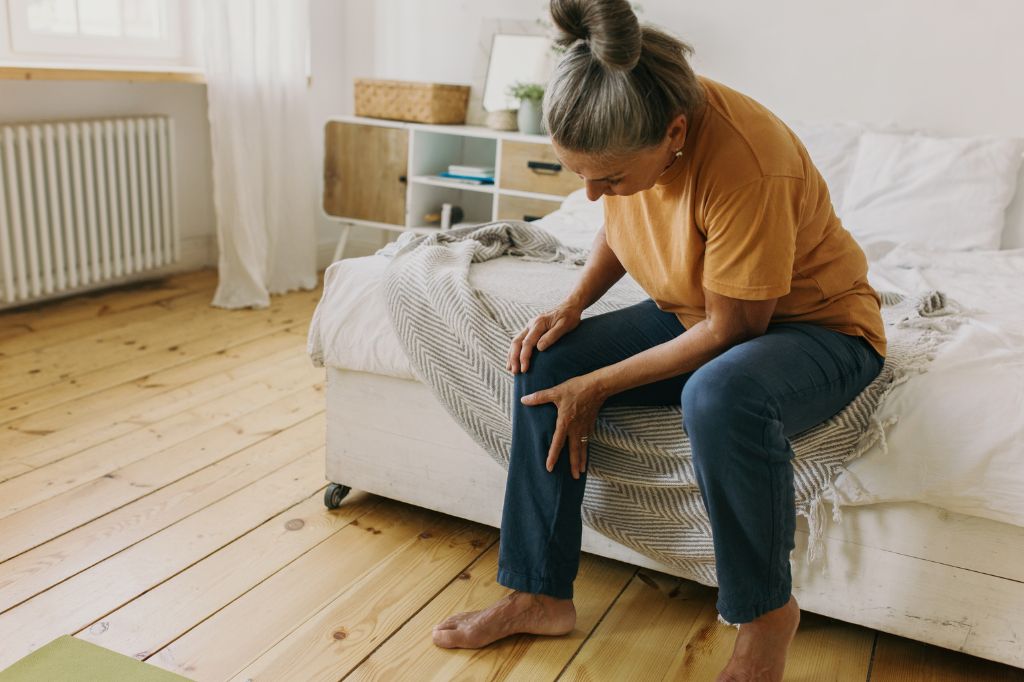
Posterior knee pain when straightening the leg often stems from structural issues like a Baker's cyst, meniscus tears, or osteoarthritis. These conditions can cause fluid buildup or mechanical blocks in the popliteal fossa, leading to stiffness and sharp pain during full knee extension. Identifying whether the pain is sharp or dull helps determine if the cause is joint-related or muscular.
Red Flags: Is It a Blood Clot?
Before exploring mechanical or muscular causes, it is vital to rule out a medical emergency. While most pain behind knee when straightening leg is related to the musculoskeletal system, pain in this area can occasionally signal Deep Vein Thrombosis (DVT), which is a blood clot in the deep veins.
Unlike a standard muscle pull, DVT often presents with specific inflammation signals that require immediate medical attention. If you experience the following symptoms, seek emergency care:
- Sudden, significant swelling in the calf or thigh.
- Skin that feels warm to the touch in a localized area.
- Redness or visible discoloration of the skin.
- Sharp pain that worsens when you pull your toes toward your shin.
If your discomfort is chronic or linked to a specific movement like locking your leg, the cause is likely one of the orthopedic issues detailed below.
1. Baker’s Cyst (Popliteal Cyst)
A Baker's cyst is a common source of posterior knee pain characterized by a fluid-filled sac behind the knee. It is not a cyst in the traditional sense but rather an accumulation of synovial fluid that has escaped the joint capsule. This usually happens because of an underlying joint issue, such as arthritis or a meniscus tear, which triggers the knee to produce excess fluid to protect itself.
The knee joint has a one-way valve mechanism. When internal pressure increases, fluid is pushed into the popliteal fossa. When you attempt full knee extension, the space in the back of the joint tightens, compressing the cyst. This is why many people experience a feeling of tightness or a visible bulge when their leg is straight. Clinicians often use the Foucher Sign to confirm this: the cyst feels hard when the leg is locked straight but disappears or softens when the knee is bent.
How to tell if back of knee pain is a baker's cyst often comes down to the sensation of a "fullness" in the joint. It rarely causes sharp pain unless it ruptures, in which case the fluid drains into the calf, causing sudden swelling and bruising.
2. Meniscus Tears (The Mechanical Block)
The meniscus is a C-shaped piece of articular cartilage that acts as a shock absorber. When a tear occurs in the posterior horn—the back portion of the meniscus—it can create a physical barrier. If a fragment of the torn cartilage flips into the joint space, it acts like a doorstop, preventing the leg from reaching full extension.
This cause of posterior knee pain often results in a sharp, catching sensation. You might find yourself unable to reach those last few degrees of straightness without significant discomfort. Unlike the dull ache of a cyst, meniscus tear symptoms back of knee straightening are often mechanical. You may feel like the joint is "locked" or hear a distinct clicking sound when trying to force the leg straight.
3. Muscular Strains: Hamstrings and Calves
Because the hamstrings and gastrocnemius muscle both cross the back of the knee joint, they are frequent culprits of posterior knee pain. The hamstrings, particularly the semimembranosus muscle, attach directly to the posterior joint capsule. If these muscles are tight or strained, they pull on the back of the knee during the terminal phase of knee extension.
Tightness or injury in the hamstrings, calf muscles, or popliteus tendon frequently causes pain behind the knee during extension. Hamstring muscle group injuries represent more than one-third of all muscle strains in athletes. When these tissues are inflamed, the act of locking the leg straight puts them under maximum tension.
| Pain Characteristic | Likely Cause | Sensation |
|---|---|---|
| Sharp/Stabbing | Meniscus Tear or PCL Injury | Mechanical "locking" or sudden catching. |
| Dull/Aching | Baker's Cyst or Arthritis | General fullness, stiffness, and pressure. |
| Burning/Pulling | Hamstring or Calf Strain | Tightness that increases as the leg straightens. |
| Throbbing/Warm | Inflammation or DVT | Persistent pain unrelated to movement. |
If you are looking for hamstring strain relief, the focus should be on gentle eccentric loading and soft tissue mobilization rather than aggressive static stretching, which can sometimes irritate the neural pathways in the popliteal area.
4. Popliteus Tendinitis and Knee Locking
The popliteus is a small, triangular muscle located deep in the popliteal fossa. It is often referred to as the "key" to the knee because its primary job is to "unlock" the joint from a fully straightened position so it can begin to bend.
Popliteus tendinitis can cause a very specific type of posterior knee pain when locking leg straight. It is a common complaint among hikers or runners who spend a lot of time on downhill grades. If you have ever wondered why is the back of my knee stiff after sitting for long periods, it is often because the popliteus has tightened in a shortened position and struggles to facilitate the rotation required for the knee to move smoothly.
5. Knee Osteoarthritis
Knee osteoarthritis involves the gradual wearing away of articular cartilage. As the joint space narrows, the body often responds by producing more synovial fluid and developing bone spurs (osteophytes). This degeneration leads to a chronic state of inflammation and joint effusion.
For those with arthritis, posterior knee pain is usually worse in the morning or after periods of inactivity. The joint becomes "gummed up" with fluid, making the act of straightening the leg feel like trying to move through thick molasses. Over time, the lack of full movement can lead to a permanent loss in range of motion.
6. PCL Injuries
The Posterior Cruciate Ligament (PCL) is the strongest ligament in the knee, responsible for preventing the shinbone from sliding too far backward. While less common than ACL tears, a PCL injury can cause significant instability and deep-seated pain in the back of the joint.
A PCL injury often occurs from a direct blow to the front of the knee while it is bent, such as hitting the dashboard in a car accident. This leads to a dull, persistent posterior knee pain that becomes sharp when the joint is put under stress or fully extended. Physical therapy is the primary treatment for PCL tears, focusing on strengthening the quadriceps to compensate for the ligamentous laxity.
Recovery: Movement Snacks and Treatment
Recovery from posterior knee pain requires a tiered approach, moving from initial protection to active rehabilitation. While the P.R.I.C.E. method (Protection, Rest, Ice, Compression, Elevation) is excellent for the first 48 hours, long-term relief comes from restoring mobility.
One of the most effective strategies is the implementation of "Movement Snacks"—short, frequent bursts of activity designed to prevent the joint from stiffening.
Movement Snack: The Heel Slide Sit on a firm surface with your legs extended. Slowly slide one heel toward your buttocks, bending the knee as far as comfortable, then slowly slide it back out until the leg is straight. Perform 10 repetitions every two hours to maintain synovial fluid circulation and range of motion.
In addition to movement, addressing calf muscle tightness and back of knee pain relief often involves strengthening the front of the leg. Strengthening the quadriceps helps offload the posterior structures and provides better support for the joint. Furthermore, keeping an eye on your weight can drastically reduce the mechanical load; even modest weight loss significantly reduces the crushing forces on the articular cartilage.

FAQ
What causes pain in the back of the knee?
Pain in this area is generally caused by one of three things: a fluid-filled Baker's cyst, a mechanical issue like a meniscus tear, or tension in the muscles that cross the joint, such as the hamstrings or calves. Less commonly, it can be caused by ligament injuries or vascular issues like a blood clot.
Can a Baker's cyst cause posterior knee pain?
Yes, a Baker's cyst is one of the most frequent causes of discomfort in the popliteal fossa. It typically creates a feeling of pressure or a physical bulge that makes it difficult and painful to fully straighten or fully bend the leg.
What are the symptoms of a meniscus tear in the back of the knee?
Symptoms include sharp, localized pain, a "catching" or "locking" sensation when moving the joint, and difficulty reaching full knee extension. You might also notice swelling that appears several hours after the initial injury.
Could pain in the back of the knee be a blood clot?
It is possible. If the pain is accompanied by warmth, redness, and significant swelling in the calf, it may be Deep Vein Thrombosis. This is a medical emergency and requires immediate evaluation by a doctor to prevent the clot from traveling to the lungs.
What stretches are best for posterior knee pain?
Gentle dynamic stretches are often better than static ones. Focus on calf pumps, where you flex and extend your ankles, and standing hamstring stretches where you keep a slight bend in the knee to avoid over-tensioning the nerves. Stretches for tight hamstrings causing posterior knee pain should never be forced into a "painful" range.
When should I see a doctor for pain in the back of my knee?
You should consult a professional if the pain is severe enough to cause a limp, if the joint feels unstable or "gives out," if you have visible swelling that doesn't improve with rest, or if you experience any of the red flags associated with a blood clot.