Quick Facts
- Blood Pressure: Ideal targets are below 120/80 mmHg to prevent arterial damage.
- A1c Levels: Monitoring for a blood glucose target below 6.4% reduces the risk of metabolic damage.
- Body Mass Index: Maintaining a BMI below 25 is a key marker for reducing cardiovascular strain.
- Sleep Duration: Aiming for 7 to 9 hours of quality rest per night is now considered a vital health metric.
- Prevalence: Nearly 47% of U.S. adults currently live with high blood pressure, a leading contributor to stroke and heart failure.
- Prevention: Research shows that 80% of cardiovascular events can be avoided through early detection and lifestyle intervention.
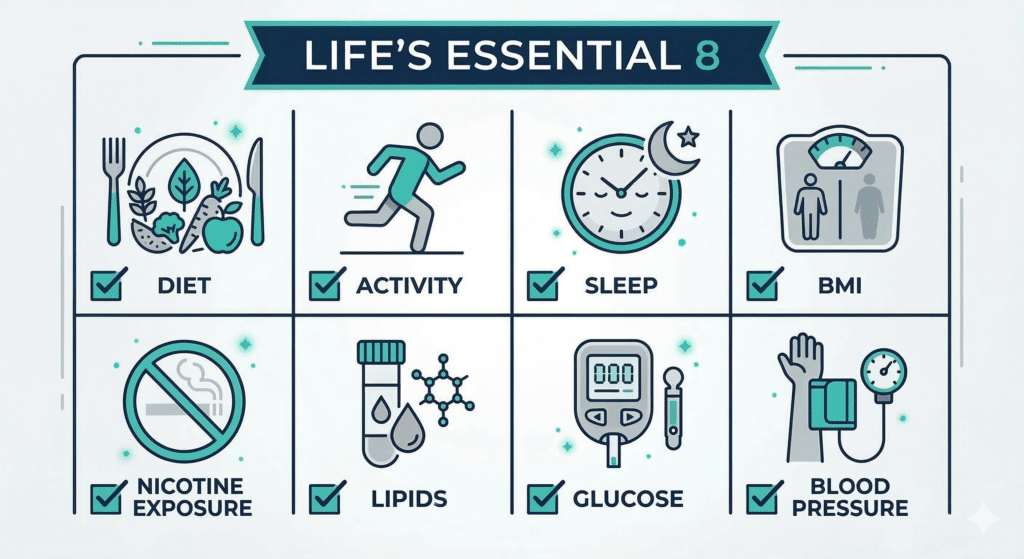
Heart disease remains a leading global health threat, but 80% of cases are preventable. Monitoring specific heart disease risk factors is the first step toward longevity. The primary heart disease risk factors include hypertension, high cholesterol, and elevated blood glucose levels. Lifestyle-related factors such as smoking, physical inactivity, and obesity also play critical roles. Additionally, modern health guidelines like Life's Essential 8 now formally recognize sleep duration and quality as vital markers for assessing overall cardiovascular health and long-term mortality risk.
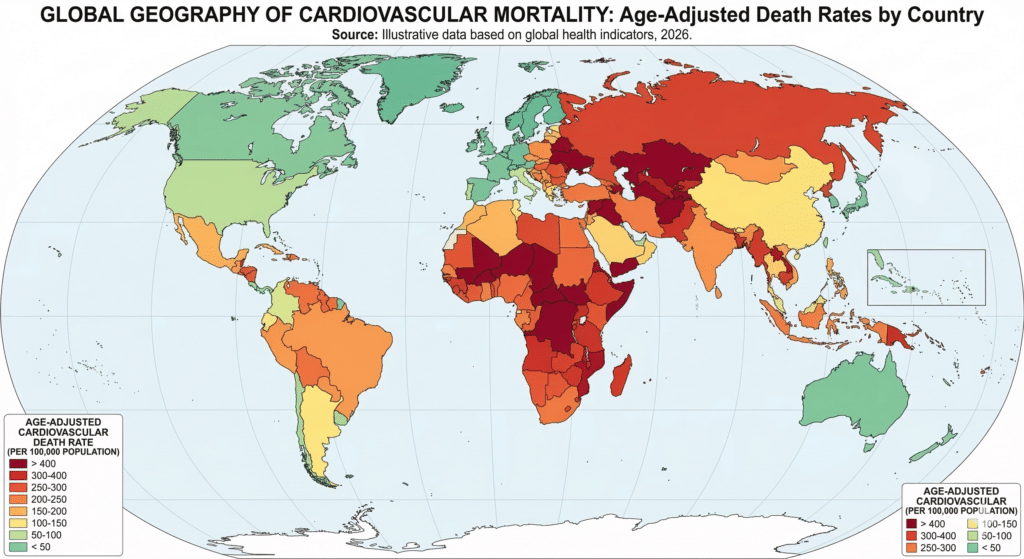
Understanding your personal health profile is not just about checking boxes at an annual physical; it is about recognizing the subtle signals your body sends before a crisis occurs. According to data from the American Heart Association, one person dies every 33 seconds from cardiovascular disease in the United States. This staggering statistic underscores the importance of staying vigilant. When we look at the adult population, 99% of people have at least one of the seven primary cardiovascular health risks, ranging from poor diet to high blood pressure.
1. Hypertension: The Silent Killer
Hypertension, or high blood pressure, is often called the silent killer because it rarely presents obvious symptoms until significant damage has been done to the heart and arteries. It is the single most significant contributor to the development of atherosclerosis, where the inner walls of the arteries become thick and stiff. When the force of blood against your artery walls is consistently too high, it creates microscopic tears that act as magnets for plaque buildup.
Managing heart disease risk starts with knowing your numbers. For most adults, a healthy reading is less than 120/80 mmHg. If your numbers consistently climb above 130/80, your heart is working overtime to pump blood, which can lead to an enlarged heart muscle and eventual failure.
To take control, consider these preventive heart care tips for hypertension management:
- Reduce Sodium: Aim for a limit between 1,500mg and 2,400mg per day. Excess salt causes the body to retain fluid, which increases blood pressure.
- Increase Potassium: Foods like bananas, spinach, and sweet potatoes help the body ease tension in the blood vessel walls.
- Monitor at Home: Clinical settings can sometimes cause white-coat hypertension; home monitoring provides a more accurate daily average.
Implementing dietary changes to lower high blood pressure naturally can be as effective as some medications for those in the early stages of hypertension.
2. Cholesterol and Lipid Profiles
Your lipid profile is a comprehensive look at the fats in your blood, and it is a cornerstone of interpreting cardiovascular health markers for adults. While we often talk about cholesterol as a single number, it is actually a complex system of transporters. LDL (low-density lipoprotein) is often labeled the bad cholesterol because it deposits fat in the arteries, while HDL (high-density lipoprotein) acts as a scavenger, carrying fat away to the liver.
Beyond just the standard cholesterol count, many experts now look at C-Reactive Protein as a marker for systemic inflammation. High levels of this protein suggest that your arteries are inflamed, which makes plaque more likely to rupture and cause a heart attack or stroke.
- HDL (Good): Ideally above 40 mg/dL for men and 50 mg/dL for women.
- LDL (Bad): Ideally below 100 mg/dL, or lower if other risk factors are present.
- Triglycerides: These should be below 150 mg/dL. High triglycerides are often a sign of metabolic syndrome.
Editor's Note: A healthy lipid profile is not just about avoiding butter. It is about replacing saturated fats with unsaturated versions, like those found in olive oil, avocados, and walnuts, to actively improve heart disease risk factors.
3. Blood Glucose and Diabetes Link
The connection between blood sugar and the heart is profound. When blood glucose levels remain high, the excess sugar can damage the blood vessels and the nerves that control your heart. This is why people with diabetes are significantly more likely to develop coronary artery disease at a younger age.
When conducting essential screenings for monitoring coronary heart disease risk, the A1c test is vital. It measures your average blood sugar over the past three months. An A1c level below 5.7% is considered normal, while levels above 6.4% typically indicate diabetes. Persistent high glucose leads to insulin resistance, which is a major driver of metabolic syndrome, a cluster of conditions that increase your risk of heart disease, stroke, and type 2 diabetes.
4. Body Mass Index (BMI) and Obesity
While the scale doesn't tell the whole story, your body mass index is a useful screening tool to identify weight categories that may lead to health problems. Obesity is a primary driver for several other heart disease risk factors, including high blood pressure and diabetes. However, where you carry the weight matters just as much as how much you weigh.
Central adiposity, or excess fat around the waist, is particularly dangerous. This visceral fat wraps around internal organs and releases inflammatory chemicals into the bloodstream.
- Waist Circumference Risk: Men with a waist over 40 inches and women with a waist over 35 inches are at a significantly higher risk for cardiovascular disease.
- BMI Targets: A range between 18.5 and 24.9 is generally considered optimal for heart health.
Effective lifestyle intervention involves a combination of caloric balance and regular physical activity. Even a modest weight loss of 5% to 10% of your total body weight can lead to significant improvements in blood pressure and cholesterol levels.
5. Sleep Health: The Modern Essential
For decades, we focused almost exclusively on diet and exercise. However, the American Heart Association recently updated its guidelines to include sleep as a core component of cardiovascular health. This inclusion stems from research showing a U-shaped risk curve: both too little and too much sleep can be detrimental to the heart.
The Goldilocks zone is 7 to 9 hours of quality rest. Improving sleep health for heart disease prevention is critical because poor sleep can disrupt the body’s ability to regulate stress hormones and glucose. One of the most significant hidden threats is sleep apnea, a condition where breathing repeatedly stops and starts. This places an immense strain on the heart, as oxygen levels drop and the heart must work harder to compensate.
If you find yourself waking up exhausted or if a partner notices heavy snoring followed by gasps, it is time to seek a professional evaluation. Addressing sleep issues is a foundational step in managing heart disease risk.
6. Tobacco Use and Smoking Cessation
Tobacco use is perhaps the most avoidable of all heart disease risk factors. Smoking damages the lining of your arteries, leading to the buildup of fatty material (atherosclerosis) that narrows the artery. It also reduces the amount of oxygen in your blood, meaning your heart has to pump faster to supply the body with what it needs.
The good news is that the body begins to heal almost immediately after your last cigarette. Understanding the heart health benefits timeline after quitting smoking can be a great motivator:
- 20 Minutes: Your heart rate and blood pressure drop.
- 12 Hours: The carbon monoxide level in your blood drops to normal.
- 1 Year: Your risk of coronary heart disease is about half that of a smoker's.
- 15 Years: Your risk of coronary heart disease is that of a non-smoker.
Quitting tobacco is the single most impactful lifestyle intervention you can undertake for your cardiovascular system. It immediately reduces systemic inflammation and begins the process of repairing the vascular system.
7. Environmental Noise and Stress
Recent research has highlighted a factor often overlooked in traditional check-ups: environmental noise. Living or working in environments with consistent noise levels above 50dB can trigger a physiological stress response. This chronic activation of the "fight or flight" system increases cortisol and adrenaline, which in turn raises blood pressure and promotes inflammation.
This stress response can significantly increase the risk of myocardial infarction (heart attack). Below is a comparison of common noise levels and their potential impact on heart health:
| Source of Noise | Decibel Level (dB) | Impact on Cardiovascular Stress |
|---|---|---|
| Quiet Library | 30 dB | Negligible / Restorative |
| Urban Traffic / Dishwasher | 60-70 dB | Possible elevation in stress hormones |
| Shouting / Power Tools | 90 dB | Acute stress response; dangerous over long periods |
| Car Horn / Jet Takeoff | 110+ dB | Immediate physiological strain |
Early detection of stress-related heart strain involves monitoring your heart rate variability and ensuring you have "quiet zones" in your daily life to allow the nervous system to reset.
The ABCDEs of Managing Heart Disease Risk
To make cardiovascular health easier to manage, many specialists use the ABCDE framework. This provides a structured approach to preventive heart care tips that anyone can follow.
The ABCDE Framework
- A - Assessment and Aspirin: Work with a doctor to assess your 10-year risk. Aspirin is no longer recommended for everyone, so only take it if prescribed.
- B - Blood Pressure: Keep it below 120/80 mmHg through diet and, if necessary, medication.
- C - Cigarettes and Cholesterol: Stop all tobacco use and maintain a healthy lipid profile.
- D - Diet and Diabetes: Follow a heart-healthy eating plan like the DASH or Mediterranean diet to manage blood glucose.
- E - Exercise: Aim for at least 150 minutes of moderate-intensity aerobic activity per week.

Managing heart disease risk is a lifelong journey, but it is one where every small change adds up. By focusing on these seven critical markers, you are not just preventing disease; you are optimizing your body for a longer, more vibrant life.
FAQ
What are the top 5 risk factors for heart disease?
The top risk factors include high blood pressure, high cholesterol, and smoking, which are often considered the primary trio. However, when we look at modern clinical guidelines, we must also include diabetes (high blood glucose) and obesity (unhealthy BMI) as critical contributors that directly damage the cardiovascular system.
Can heart disease be prevented?
Yes, roughly 80% of premature heart disease and stroke cases are preventable. This is achieved through a combination of lifestyle choices such as maintaining a healthy diet, engaging in regular physical activity, and avoiding tobacco. Early detection through regular screenings of blood pressure and cholesterol is also essential for stopping the progression of atherosclerosis.
What are modifiable risk factors for cardiovascular disease?
Modifiable factors are those you have the power to change or manage through behavior and medical treatment. These include your diet, physical activity levels, tobacco use, and sleep habits. Clinical markers like hypertension, high cholesterol, and blood sugar levels are also considered modifiable because they can be controlled with lifestyle intervention or medication.
What medical conditions increase heart disease risk?
Several conditions act as major red flags for future heart issues. These include diabetes, which damages blood vessels; obesity, which strains the heart muscle; and clinical depression, which can affect heart rate and blood pressure. Additionally, sleep apnea is a significant medical condition that increases the risk of heart failure and arrhythmias.