Our Top Picks
- Best Overall: OLLY Kids Sleep provides a low-dose formula with L-theanine and botanicals, making it a well-rounded choice for occasional use.
- Best Budget-Friendly: Nested Naturals Luna Kids offers a gentle 0.2 mg dose in a chewable format that is easy on the wallet and the digestive system.
- Best Liquid: MaryRuth’s Melatonin Liquid Drops allow for precise, micro-dosed adjustments for children who cannot swallow pills or chew gummies.
- Best Third-Party Tested: Nature Made Kids First is USP verified, ensuring the label accurately reflects what is inside the bottle.
Choosing the best melatonin for kids requires more than just picking a flavor; it’s about safety, dosage, and purity. When selecting melatonin for kids, prioritize third-party tested products with USP or NSF certification to ensure purity and accurate labeling. Dietitians recommend starting with low dosages, such as 0.5mg, and choosing supplements free from excessive sugar or artificial additives. Many top-rated options also include calming botanicals like L-theanine, chamomile, and lemon balm to support the sleep-wake cycle.
Quick Facts
- Certification: Look for NSF International or USP labels to ensure ingredient accuracy.
- Initial Dosage: Experts suggest starting with a low 0.5mg dose under medical supervision.
- Format Options: Available in pectin-based gummies, liquid drops, and fast-dissolving tablets.
- Safety Data: Reports of pediatric melatonin ingestions to U.S. poison control centers increased by 530% between 2012 and 2021.
- Prevalence: A 2023 study found approximately 18.5% of children aged 5 to 9 used melatonin in the previous 30 days.
- Timing: Administer the supplement 30 to 60 minutes before bed for maximum efficacy.
- Usage: Intended for short-term relief of circadian rhythm disruptions, not as a long-term solution.
| Product Name | Certification | Primary Dosage | Price per Serving |
|---|---|---|---|
| OLLY Kids Sleep | NSF Certified | 0.5 mg | ~$0.25 |
| Nested Naturals Luna Kids | Third-Party Tested | 0.2 mg | ~$0.18 |
| Vicks Pure ZZZs Kids | Third-Party Tested | 0.5 mg | ~$0.22 |
| Nature Made Kids First | USP Verified | 1 mg | ~$0.15 |
| MaryRuth’s Liquid | Clean Label Project | 0.5 mg | ~$0.30 |
| Zarbee’s Naturals | Third-Party Tested | 1 mg | ~$0.20 |
| Natrol Kids Melatonin | NSF Certified | 1 mg | ~$0.12 |
| Carlson Kid’s Melatonin | Third-Party Tested | 0.3 mg | ~$0.28 |
How We Chose: Our Dietitian-Led Selection Process
When evaluating safe sleep aids for children, our editorial team prioritizes transparency and clinical evidence. The supplement industry is notoriously under-regulated, which is why we place heavy emphasis on third party tested melatonin for children. Products that carry the NSF International or USP certification seal are prioritized because these organizations verify that the product contains the ingredients listed on the label without harmful contaminants.
We specifically looked for pectin-based gummies over gelatin-based ones to accommodate various dietary needs and excluded products with high-fructose corn syrup or excessive added sugars. Furthermore, our selection process involves a heavy focus on the safety-first mindset. Before starting any new supplement, a pediatrician consultation is non-negotiable to rule out underlying medical conditions or potential drug interactions. Our goal is to provide parents with natural pediatric sleep supplements that support the sleep-wake cycle without relying on high dosages.
The 8 Best Melatonin Supplements for Kids
1. OLLY Kids Sleep
OLLY has become a household name by balancing efficacy with a kid-friendly experience. Their sleep formula uses a very low dose of melatonin combined with L-theanine and a botanical blend of chamomile, passionflower, and lemon balm. This multi-ingredient approach aims to calm the mind rather than just "knocking out" the body.
- Pros: NSF Certified, includes calming amino acids, low sugar content.
- Cons: Contains multiple botanicals which may be a concern for children with specific allergies.
2. Nested Naturals Luna Kids
For parents seeking a very gentle entry point, Nested Naturals Luna Kids is an excellent choice. It features a micro-dose of 0.2 mg of melatonin. This is ideal for younger children or those who are highly sensitive to supplements. It also includes valerian root and lemon balm to encourage a natural transition to sleep.
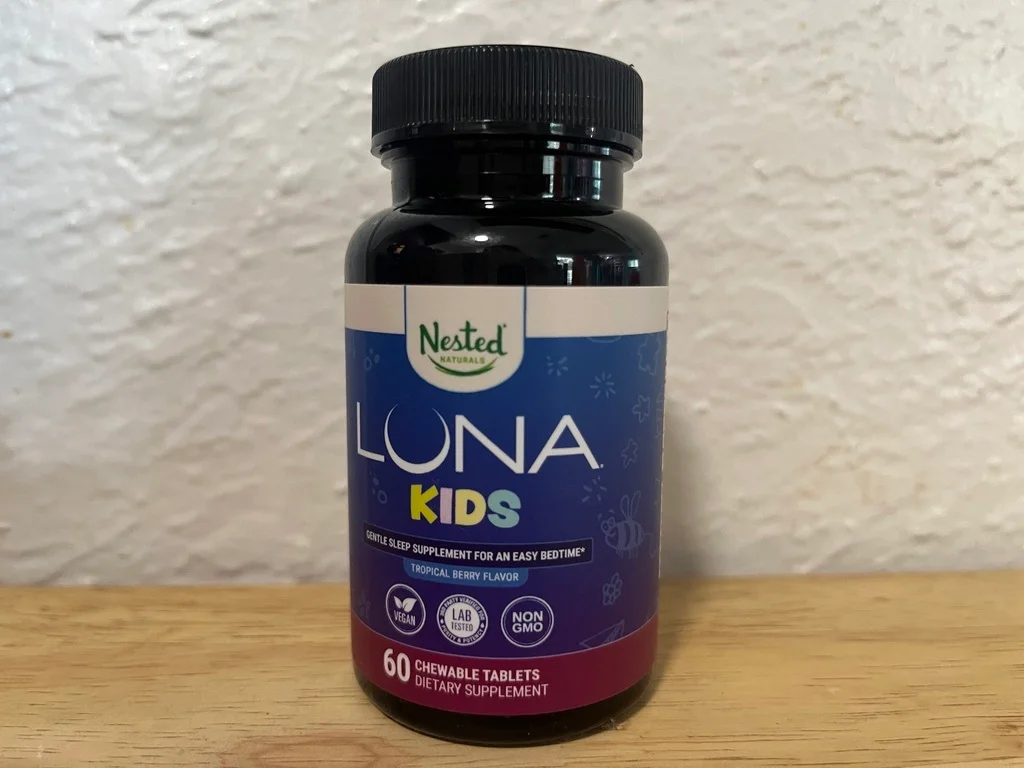
- Pros: Extremely low dose, easy-to-chew tablets, non-GMO.
- Cons: The taste may be slightly more "herbal" than standard gummies.
3. Vicks Pure ZZZs Kids
Vicks Pure ZZZs Kids is formulated specifically for children and is free from artificial flavors, dyes, and gluten. This product is widely accessible and uses a drug-free blend that emphasizes the natural sleep-wake cycle. It is a popular choice for parents looking for a gummy format that children enjoy while still adhering to a low-dose protocol.
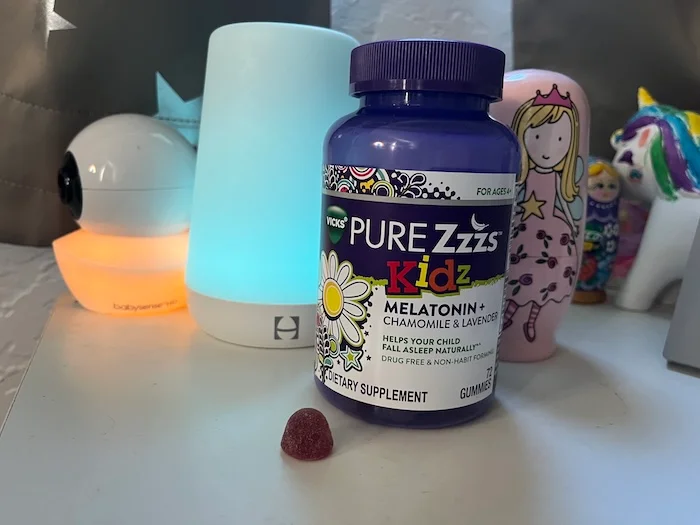
- Pros: No synthetic colors, easy to find in local pharmacies, pleasant berry flavor.
- Cons: Contains slightly more sugar than the tablet-based alternatives.
4. Nature Made Kids First Melatonin
Nature Made is one of the most trusted names in the vitamin industry, largely due to its commitment to USP certification. Their Kids First Melatonin provides 1 mg per gummy. While this is slightly higher than our 0.5 mg starting recommendation, the gummies can be easily halved for a custom dose.
- Pros: USP Verified, no high fructose corn syrup, very affordable.
- Cons: Dose is 1 mg, which might be too high for toddlers.
5. MaryRuth’s Melatonin Liquid Drops
For kids who can't swallow pills, liquid melatonin for kids who can't swallow pills is the most versatile solution. MaryRuth’s offers a glass dropper that allows parents to measure out exactly 0.5 mg or even less. The liquid is raspberry-flavored and can be mixed into a small amount of water or juice.
- Pros: Highly customizable dosage, vegan, sugar-free.
- Cons: Glass bottle requires careful handling; more expensive per serving.
6. Zarbee’s Naturals Sleep with Honey
Zarbee’s was founded by a pediatrician, and their sleep product reflects that clinical background. These gummies are sweetened with honey and use pectin rather than gelatin. They are non-habit forming and focus on providing short-term insomnia relief during periods of travel or schedule changes.
- Pros: No artificial sweeteners, pectin-based, widely recommended by pediatricians.
- Cons: 1 mg dose may require cutting the gummy in half for smaller children.
7. Natrol Kids Melatonin
Natrol is known for its fast-dissolving technology. These tablets melt on the tongue without the need for water, making them a great option for older children who are over the "gummy phase" but still struggle with tablets. They are NSF Certified and 100% drug-free.
- Pros: NSF International certified, fast-acting, no water needed.
- Cons: Contains sugar alcohols (xylitol), which may cause digestive upset in some children.
8. Carlson Kid’s Melatonin Gummies
Carlson specializes in high-quality oils and minerals, and their melatonin for kids is no exception. At 0.3 mg per gummy, it sits in the "sweet spot" for many dietitians who prefer starting with the lowest possible effective dose.
- Pros: Vegetarian-friendly, very low dose, third-party lab tested.
- Cons: Harder to find in big-box retail stores.
Melatonin Safety & Dosage Guide for Parents
As a vitamins and minerals editor, I cannot stress enough the importance of caution. Melatonin is a hormone produced by the pineal gland to regulate the circadian rhythm. It is not a sedative. Using it incorrectly can lead to morning grogginess, vivid dreams, or even a disruption in the body's natural hormone production.
Safety Warning: CDC Data Reports of pediatric melatonin ingestions to U.S. poison control centers increased by 530% between 2012 and 2021, totaling more than 260,000 cases during that 10-year period. Always store these supplements in a locked cabinet out of children's reach. Poison Control Number: (800) 222-1222
When determining the safe melatonin dosage for toddlers or older children, weight and age are key factors. While there is no universal "standard," many pediatricians suggest the following ranges:
- Children under 88 lbs (40 kg): 0.5 mg to 3 mg.
- Children over 88 lbs (40 kg): 1 mg to 5 mg.
- Toddlers (under age 3): Melatonin is generally not recommended unless specifically directed by a specialist. Always seek professional advice for melatonin dosage for toddlers.
Watch for signs your child is taking too much melatonin, such as daytime sleepiness, headaches, or increased irritability. If these occur, discontinue use and speak with your doctor.
Timing & Usage: How to Maximize Sleep Hygiene
Melatonin is most effective when used as a bridge to better sleep hygiene, not a permanent crutch. To maximize the benefit, give the supplement 30 to 90 minutes before the intended bedtime. This allows the hormone to enter the bloodstream and signal to the brain that it is time to wind down.
However, the supplement will struggle to work if the environment is counterproductive. Blue light from tablets and televisions suppresses the natural release of melatonin from the pineal gland. For the best results, turn off all screens at least one hour before bed. Ensure the bedroom is cool, dark, and quiet. When used alongside these behavioral interventions, melatonin for kids can successfully reset a shifted sleep-wake cycle caused by jet lag or daylight savings time.
FAQ
Is melatonin safe for children to take every night?
Melatonin is generally considered safe for short-term use to help reset a sleep cycle. However, most health experts recommend against nightly use for more than a few weeks. Long-term use has not been extensively studied in children, and there is a risk that the body may begin to rely on the external supplement rather than producing its own hormone.
How much melatonin is appropriate for a child's age?
Dosage is often based more on weight and individual sensitivity than age. Generally, school-aged children start with 0.5 mg to 1 mg. Pre-teens and teens may require 1 mg to 3 mg. You should always start with the lowest possible dose and increase only if necessary and under the guidance of a pediatrician.
How long before bedtime should I give my child melatonin?
The ideal window is 30 to 60 minutes before bed. This allows the supplement to be metabolized and coincide with the natural "dim light melatonin onset" that happens in the body. Giving it too late may result in your child feeling groggy the next morning.
Does melatonin affect puberty or hormone development?
This is a common concern among parents. Because melatonin is a hormone, there have been theoretical concerns about its impact on other hormonal systems, including those involved in puberty. While current human studies have not found a definitive link to delayed or altered puberty, many experts advise a cautious approach and suggest using it only for short-term insomnia relief.
Is melatonin safe for toddlers?
Melatonin should be used with extreme caution in toddlers and only under the direct supervision of a pediatrician. Most sleep issues in toddlers are behavioral or related to developmental milestones. It is always better to address sleep hygiene and routines before introducing hormonal supplements to children under the age of three.
Can melatonin cause nightmares in children?
Yes, some parents report that their children experience more vivid dreams or nightmares after taking melatonin. This is often a sign that the dosage is too high. If your child experiences distressing dreams, try reducing the dose or discontinuing use to see if the symptoms resolve.
A Final Note for Parents
While the best dietitian approved melatonin for kids 2026 can be a life-saver for a weary household, it is only one piece of the puzzle. We encourage all parents to look at sleep holistically. If your child’s sleep struggles persist, it may be worth investigating other factors like iron or magnesium levels, or consulting a sleep specialist. Use these supplements as a targeted tool, and always keep safety at the forefront of your decisions.