Safety Alert: Critical Precautions for Parents
- Never give Aspirin: Giving aspirin to children with viral symptoms can lead to Reye’s Syndrome, a rare but life-threatening condition.
- Age Restrictions: Avoid using Promethazine in children under the age of 2 due to risks of severe respiratory depression.
- Emergency Red Flags: Seek immediate medical attention if your child has bilious (bright green) vomit, severe pain in the lower right abdomen, or signs of severe dehydration like no urination for over 8 hours.
Quick Facts
- Top Natural Remedy: A specific 10 mg dose of ginger root is clinically proven to reduce vomiting in children with gastroenteritis.
- Hydration Strategy: Oral rehydration therapy using half-strength apple juice is as effective as IV fluids for mild dehydration.
- Dietary Shift: While the BRAT diet is useful initially, the American Academy of Pediatrics recommends returning to a normal diet within 24 hours.
- Comfort Measure: A simple warm compress can relax gastrointestinal muscles and provide significant stomach ache relief for children.
- Safety Priority: Always avoid anti-diarrheal medications unless specifically prescribed by a pediatrician, as they can trap infections in the gut.
Finding an effective way to manage an upset stomach in kids requires a balance of safety and comfort. Whether it's childhood nausea remedies or home remedies for kids stomach pain, parents need reliable solutions that address the root cause while supporting the body's natural healing process. To treat an upset stomach in kids, focus on oral rehydration therapy and natural remedies like ginger or chamomile while monitoring for red-flag symptoms like high fever or severe pain.
1. Safety First: Recognizing the Red Flags
When your child complains of a tummy ache, the first instinct is to reach for a soothing remedy. However, as an herbal editor with a focus on clinical safety, I always emphasize that knowing when not to treat at home is the most important skill a parent can have. Understanding when to call a doctor for child stomach pain and nausea is crucial for preventing complications.
The location and nature of the pain are your best diagnostic tools. If a child points to their belly button, it is often related to constipation or a mild viral bug. However, persistent, sharp pain that migrates to the lower right side could indicate appendicitis. You should also watch for "bilious" vomiting, which is a bright, fluorescent green color. This is often a sign of a bowel obstruction and is considered a surgical emergency.
Furthermore, medication safety is paramount. We must avoid certain over-the-counter fixes that adults use. Aspirin is strictly off-limits due to the risk of Reye’s Syndrome. Similarly, many anti-nausea medications like Promethazine are contraindicated for very young children. In most cases of pediatric gastroenteritis, the body needs to clear the pathogen, and "stopping" the symptoms with medication can sometimes prolong the illness.
2. Essential Hydration: The Power of Oral Rehydration Therapy
The greatest risk during a bout of vomiting or diarrhea isn't the stomach pain itself, but dehydration. Maintaining an electrolyte balance is the cornerstone of pediatric care. For years, the gold standard was pediatric electrolyte solutions, but modern research has provided more accessible options for parents.
For children with mild dehydration due to an upset stomach or gastroenteritis, oral rehydration therapy using solutions like half-strength apple juice has been shown to be as effective as intravenous rehydration in preventing hospitalization. This is excellent news for parents who struggle to get their children to drink salty-tasting medical rehydration drinks.
When administering the best fluids for kids with nausea and upset stomach, the "low and slow" method is best. Offer one teaspoon (5ml) every five to ten minutes. If the child keeps this down for an hour, you can slowly increase the amount. This prevents the stomach from becoming over-distended, which often triggers the gag reflex and leads to more vomiting.
Age-Based Hydration Guidance
| Age Group | Recommended Fluid Intake (Small Sips) | Fluids to Avoid |
|---|---|---|
| Infants (0-12 months) | Breast milk or formula; Pedialyte if advised by a doctor. | Water (in large amounts), juice, soda. |
| Toddlers (1-3 years) | Half-strength apple juice, electrolyte solutions, water. | High-sugar sports drinks, caffeinated tea. |
| School Age (4-10 years) | Diluted fruit juices, clear broths, coconut water. | Dairy, heavy milkshakes, soda. |
3. The BRAT Diet and Modern Recovery
We have all heard of the BRAT diet—Bananas, Rice, Applesauce, and Toast. These are classic home remedies for kids stomach pain because they are low in fiber and easy on the digestive tract. They help bind the stool and provide gentle calories when the stomach is sensitive.
However, our understanding of gastrointestinal recovery has evolved. While the BRAT diet is a great way to start toddler upset stomach relief after vomiting, it shouldn't be the only thing they eat for days. The American Academy of Pediatrics recommends that children with an upset stomach resume a normal, well-balanced diet appropriate for their age within 24 hours of falling ill.
The reason for this shift is that the traditionally restrictive BRAT diet lacks sufficient nutrients—like protein and healthy fats—needed for the gut lining to repair itself. Once your child can keep down bland foods, try to introduce natural ways to soothe a child's upset stomach by adding small amounts of yogurt with live cultures or lean proteins. Avoid fried foods, heavy spices, and excessive sugar, as these can aggravate intestinal gas and lead to further abdominal bloating.
4. Herbal Heroes: Ginger, Peppermint, and Chamomile
As someone who evaluates botanical extracts through a clinical lens, I find the evidence for ginger root particularly compelling for childhood nausea remedies. It isn't just an "old wives' tale"; it is a scientifically backed intervention.
A double-blind trial involving 141 children with acute gastroenteritis found that a 10 mg dose of ginger significantly reduced subsequent vomiting episodes compared to a placebo. In the study, 66.7% of the ginger group continued to vomit versus 86.7% of the placebo group. You can provide this through a weak ginger tea made from fresh ginger root or high-quality, kid-friendly ginger chews.
Other herbal infusions are also highly effective:
- Peppermint tea: This is excellent for stomach ache relief for children who are experiencing cramping. Menthol, the active compound in peppermint, acts as a natural antispasmodic, relaxing the muscles of the digestive system.
- Chamomile infusion: Known for its calming properties, chamomile can soothe both the nervous system and the gut. It is particularly helpful if the upset stomach kids are experiencing is related to stress or anxiety.
When using herbs, ensure the infusion is weak and served at a lukewarm temperature. Intense flavors or very hot liquids can sometimes trigger a sensitive stomach.
5. Physical Comfort: Warm Compresses and Positioning
Sometimes the best stomach ache relief for children doesn't come from a bottle, but from physical comfort. If your child is experiencing cramping or gas, a warm compress applied to the abdomen can work wonders. The heat increases blood flow to the area and helps the smooth muscles of the gut relax.
Positioning is also a key factor in how to help a child with stomach pain at night. If the child is dealing with acid reflux or nausea, elevating the head of the bed or using extra pillows can prevent stomach acid from rising. If the pain is caused by gas, having the child lie on their left side or gently bringing their knees toward their chest can help move gas through the digestive system and alleviate pressure.
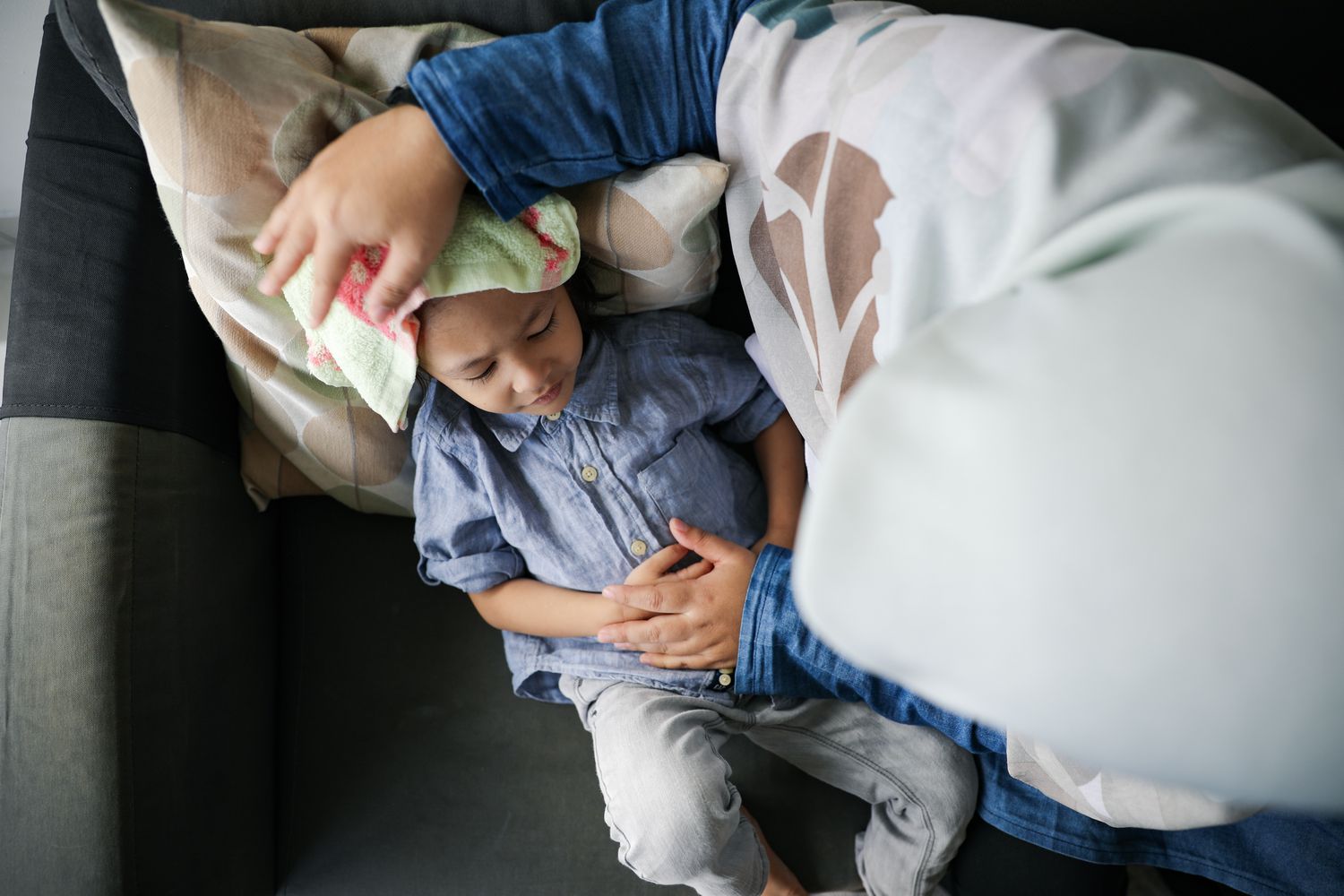
Rest is the final piece of the physical comfort puzzle. When the body is fighting off a virus or dealing with a digestive upset, it diverts energy away from the muscles and brain toward the immune and digestive systems. Encouraging quiet activities like reading or listening to an audiobook allows the body to focus on recovery.
6. Understanding the Pain: Diagnostic Cues for Parents
Identifying causes of child stomach ache and nausea can be a bit like detective work. Children, especially younger ones, often struggle to describe exactly what they feel. As parents, we have to look for clues.
One of the most common causes of an upset stomach kids experience is actually constipation. If the pain is intermittent and located around the navel, and the child hasn't had a bowel movement in a day or two, this is likely the culprit. Probiotic supplements can be helpful long-term for maintaining digestive system health and preventing these types of aches.
We must also consider the mind-body connection. Can anxiety or stress cause stomach pain in children? Absolutely. The gut is often called the "second brain" because it is densely packed with neurons. If a child’s stomach ache consistently happens before school or a big event, it may be a physical manifestation of stress. In these cases, gentle chamomile tea and open conversations about their feelings are the best remedies.
FAQ
What is the best way to soothe a child's upset stomach?
The best way to soothe an upset stomach in kids is to start with small, frequent sips of oral rehydration therapy to prevent dehydration. Natural remedies like a weak ginger root tea or a warm compress on the abdomen can help reduce nausea and cramping. Providing a calm environment and encouraging rest allows the digestive system to recover without further irritation.
When should I be worried about my child's stomach pain?
You should be concerned and call a healthcare provider if the stomach pain is severe, persistent, or localized in the lower right abdomen. Other red flags include high fever, blood in the stool, or signs of dehydration like a dry mouth and decreased urination. If the vomit is bright green or if the child seems unusually lethargic, seek medical attention immediately.
What foods are good for a child with an upset stomach?
Once vomiting has subsided, start with bland foods like the BRAT diet: bananas, rice, applesauce, and toast. These are easy to digest and help stabilize the digestive tract. However, you should aim to return the child to a normal, well-balanced diet within 24 hours to ensure they get the nutrients needed for recovery. Avoid high-fat, sugary, or spicy foods during the initial recovery phase.
How can you tell if a child's stomach ache is serious?
A serious stomach ache is often accompanied by other systemic symptoms. If the pain is so severe that the child cannot walk or is doubled over, it requires a professional evaluation. Additionally, look for a "rigid" abdomen that is hard to the touch or pain that occurs when you release pressure from the belly. These can be signs of more serious issues like appendicitis or an obstruction.
Can anxiety or stress cause stomach pain in children?
Yes, anxiety and stress are very common causes of stomach pain in children. The gut and the brain are closely linked, and emotional distress can lead to real physical symptoms like nausea, cramping, and bloating. If the pain seems linked to specific events, focusing on relaxation techniques, deep breathing, and soothing herbal teas like chamomile can be very effective.