Quick Facts
- Emergency Risk: Roughly 15% to 20% of patients presenting with acute abdominal pain in emergency settings require surgical or interventional treatment.
- Common Diagnoses: Gastroenteritis and non-specific pain are the leading causes, each representing about 10% of emergency department cases.
- Volume of Care: Abdominal pain is a primary reason for medical consultation, accounting for up to 10% of annual emergency room visits in the U.S.
- Chronic Definition: Under the Rome IV criteria, chronic pain is defined by continuous symptoms lasting at least three months without structural explanation.
- Imaging Gold Standard: CT scans are preferred for undifferentiated adult pain, while ultrasound is the first-line choice for pediatric and pregnant patients.
- Treatment Shift: Modern management for chronic gastrointestinal pain focuses on neuromodulators and lifestyle changes rather than opioid use.
Abdominal pain is a complex symptom originating from various gastrointestinal or systemic conditions, necessitating a systematic approach to diagnosis. Whether dealing with acute discomfort or managing chronic abdominal issues, understanding the underlying causes and appropriate diagnostic tests is crucial for effective treatment.
Emergency Red Flags: When to Go to the ER
Determining whether a stomach ache is a passing digestive hiccup or a medical crisis is the first and most critical step in triage. Statistics show that abdominal pain is one of the most common reasons for seeking urgent care, making up approximately 5% to 10% of all emergency department visits in the United States every year. While many cases resolve with minimal intervention, knowing when to go to the er for abdominal pain can be life-saving.
Clinicians look for alarm features that suggest an acute surgical emergency or a severe systemic infection. In clinical studies, it was found that gastroenteritis and non-specific abdominal pain are the most frequent diagnoses, but we cannot ignore the 15% to 20% of patients who require immediate surgery or intervention.
Emergency Checklist: Immediate Medical Attention Required
- Severe Fever: A high temperature accompanied by localized pain.
- Bloody Stools: Bright red blood or dark, tarry stools indicating gastrointestinal bleeding.
- Persistent Vomiting: Inability to keep fluids down, leading to dehydration.
- Rebound Tenderness: Sharp pain that occurs specifically when pressure is released from the abdomen.
- Signs of Shock: Rapid heart rate, low blood pressure, or confusion.
- Pediatric Triage: For children, look for pediatric abdominal pain red flags for parents such as sudden changes in bowel habits, green-colored vomit (bile), or inconsolable crying.
If a patient exhibits any of these features, an immediate emergency medical evaluation is necessary to rule out life-threatening conditions like a perforated organ or acute appendicitis.
Common Causes and the Abdominal Quadrant Map
To narrow down the potential causes of stomach discomfort, healthcare providers often use a spatial mapping technique. By dividing the abdomen into four quadrants, we can associate the pain with the specific organs located in those regions. This differential diagnosis approach helps a gastroenterologist or primary care physician determine which tests to prioritize.
| Quadrant | Potential Organ Source | Common Conditions |
|---|---|---|
| Right Upper (RUQ) | Gallbladder, Liver, Bile Ducts | Cholecystitis, Hepatitis, Gallstones |
| Left Upper (LUQ) | Spleen, Stomach, Pancreas | Gastritis, Splenic Infarct, Pancreatitis |
| Right Lower (RLQ) | Appendix, Cecum, Right Ovary | Appendicitis, Crohn’s Disease, Ectopic Pregnancy |
| Left Lower (LLQ) | Sigmoid Colon, Left Ovary | Diverticulitis, Ovarian Cysts, IBS |
| Periumbilical (Center) | Small Intestine, Aorta | Early Appendicitis, Bowel Obstruction, Aneurysm |
Understanding the abdominal pain quadrant map and causes is essential because pain is rarely "just" a stomach ache. For instance, pain in the lower left abdomen often suggests diverticulitis in older adults, while pain that migrates from the belly button to the right lower side is a classic sign of appendicitis.
Furthermore, clinicians must distinguish between visceral pain—originating from the gastrointestinal tract—and issues within the abdominal wall itself. A common diagnostic challenge is separating abdominal wall hernia vs muscle strain symptoms. While a strain often feels like a localized, superficial ache that worsens with movement, a hernia may present as a palpable bulge that requires surgical repair.
Diagnostic Procedures: Blood Tests and Imaging
Once the location of the pain is identified, the next step involves objective clinical investigation methods. This usually begins with a thorough physical examination followed by blood tests to diagnose stomach issues. These initial labs look for inflammatory markers like C-reactive protein (CRP) and a complete blood count (CBC) to check for elevated white blood cell counts, which signal infection. Liver function tests and lipase levels are also standard if pain is concentrated in the upper quadrants to rule out gallbladder or pancreatic involvement.
However, blood tests only tell part of the story. Imaging is the cornerstone of modern stomach ache diagnostic procedures. The choice between a ct scan vs ultrasound for stomach pain depends heavily on the patient's age and the suspected cause.
- CT Scans: This is the preferred tool for adults with non-specific or undifferentiated acute pain. It offers high diagnostic accuracy for identifying issues like a bowel obstruction or an abscess.
- Ultrasound: Because it avoids radiation, ultrasound is the primary imaging tool for pediatric patients and pregnant women. It is also excellent for evaluating the hepatobiliary system (gallbladder) and pelvic organs.
- MRI: While less common in emergency settings, MRI is often recommended for specialized cases, such as identifying an occult groin hernia where an ultrasound was inconclusive. Research indicates MRI sensitivity for such conditions can be as high as 94.5%.
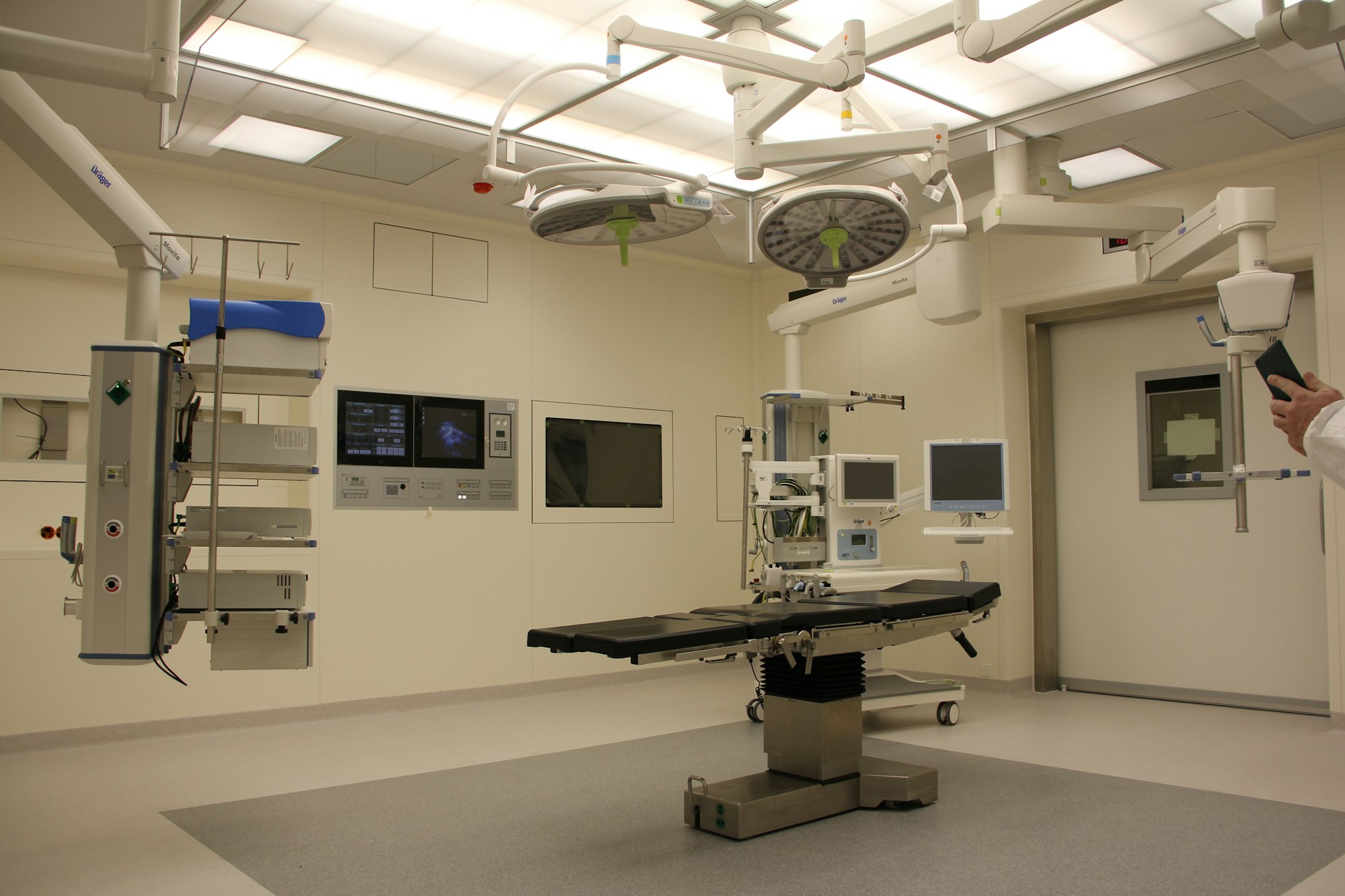
Preparing for abdominal imaging tests usually involves fasting for a few hours or, in the case of a CT scan, drinking a contrast dye to help the radiologist see the gastrointestinal tract more clearly.
Managing Chronic Abdominal Issues and DGBI
When abdominal pain persists for months rather than days, the focus shifts from acute emergency triage to managing chronic abdominal issues. For many, these long-term symptoms are categorized as Disorders of Gut-Brain Interaction (DGBI), such as Irritable Bowel Syndrome (IBS).
To provide a standardized diagnosis, clinicians use the rome iv criteria for chronic abdominal pain. According to these guidelines, significant chronic pain is defined as symptoms occurring at least one day a week for the last three months, with an onset at least six months prior, which cannot be explained by other structural or biochemical abnormalities.
A helpful way to understand chronic pain is through the metaphor of a "malfunctioning alarm." In cases of visceral hypersensitivity, the nerves in the gut become overly sensitive. Even normal digestion—the movement of food or gas—is interpreted by the brain as intense pain. This explains why many patients experience managing abdominal pain that worsens after eating, even when there is no visible inflammation.
Treatment for chronic pain has evolved significantly:
- Lifestyle Modifications: Stress management and dietary changes (like the Low FODMAP diet) are often the first line of defense.
- Antispasmodics: Medications that relax the muscles in the gut wall can provide quick relief for cramping.
- Neuromodulators: Low doses of medications like amitriptyline are increasingly used. These do not treat depression in this context; rather, they "turn down the volume" on the overactive pain signals traveling from the gut to the brain.
- Avoiding Opioids: It is crucial to avoid using opioids for chronic gastrointestinal pain. These medications can slow the gut and lead to Narcotic Bowel Syndrome, which actually increases abdominal pain over time.
By using a biopsychosocial approach, patients can find relief through a combination of medical therapy and behavioral strategies that address the complex relationship between the mind and the digestive system.
FAQ
When should I be concerned about abdominal pain?
You should be concerned if the pain is sudden, severe, and progressively worsening. Specific warning signs include the inability to pass gas or stool, a rigid or "board-like" abdomen, and pain that makes it impossible to find a comfortable position. If the pain follows a traumatic injury, seek immediate help.
What are the most common causes of abdominal pain?
The most frequent causes found in medical settings are gastroenteritis (stomach flu) and non-specific abdominal pain that often resolves on its own. Other common causes include Irritable Bowel Syndrome, acid reflux, gallstones, and muscle strains.
What does pain in the lower left abdomen mean?
Pain in the lower left quadrant is most frequently associated with diverticulitis, which is an inflammation of small pouches in the colon. Other possibilities include constipation, kidney stones, or, in women, conditions related to the left ovary such as cysts or endometriosis.
When is abdominal pain considered a medical emergency?
It becomes a medical emergency when it is accompanied by alarm features like a high fever, persistent vomiting, bloody stools, or signs of dehydration. Additionally, if the pain is localized and causes rebound tenderness, it may indicate a surgical condition like appendicitis or a bowel perforation.
Why does my stomach hurt after I eat?
Pain after eating, known as postprandial pain, can be caused by several factors including indigestion, gallstones (especially after a fatty meal), or stomach ulcers. It is also a common symptom of functional disorders like Irritable Bowel Syndrome, where the act of eating triggers an exaggerated nerve response in the digestive tract.