Quick Facts
- Direct Answer: ACV and lemon water both support digestion via different organic acids; ACV is superior for blood sugar regulation and stomach acid stimulation, while lemon water excels in hydration and vitamin C delivery.
- Top Pick for Bloating: Apple cider vinegar is generally more effective for reducing post-meal gas and bloating.
- Top Pick for Immunity: Lemon water wins for its high concentration of ascorbic acid and antioxidants.
- Key Safety Rule: Both must be diluted in at least eight ounces of water to protect tooth enamel and the esophagus.
- Best Timing: Consume these tonics 15 to 20 minutes before a meal to prime the digestive system.
- Gut Health Bonus: Raw ACV with the mother provides live cultures, while lemon pulp offers pectin as a prebiotic source.
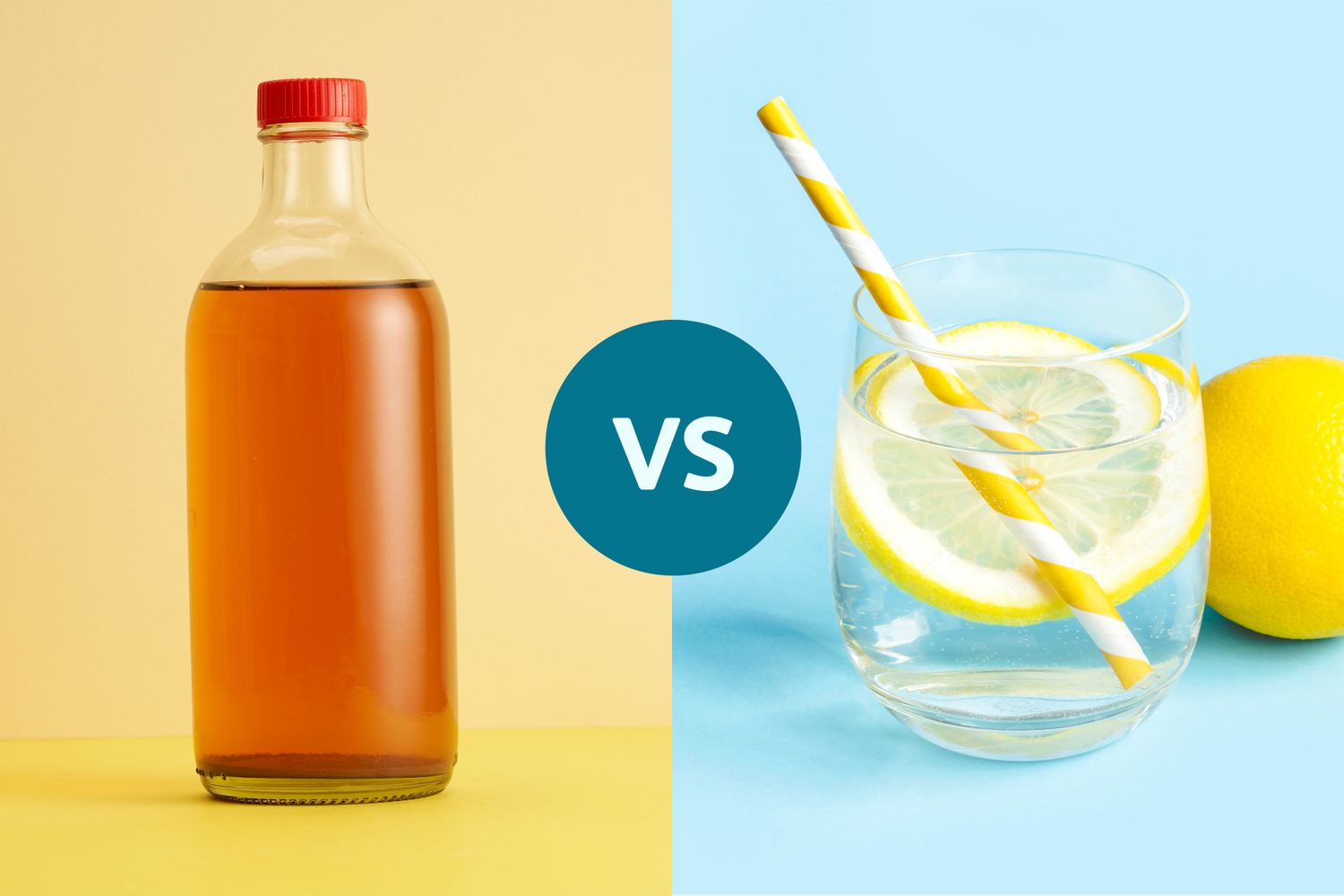
When comparing ACV vs lemon water for digestive wellness, the choice depends on your specific metabolic and gastrointestinal goals. Apple cider vinegar and lemon water both offer distinct digestive benefits. ACV contains acetic acid, which stimulates stomach acid production to aid food breakdown and regulate blood sugar levels. Raw ACV with the mother also provides live cultures that support the gut microbiome. Lemon water, while less impactful on blood sugar, provides citric acid and vitamin C, which enhance hydration and help prevent kidney stones by increasing urinary citrate.
Winner at a Glance: ACV vs. Lemon Water
| Category | Winner | Key Benefit |
|---|---|---|
| Blood Sugar Management | Apple Cider Vinegar | Acetic acid slows gastric emptying and improves insulin sensitivity. |
| Bloating & Reflux | Apple Cider Vinegar | Increases stomach acidity to ensure efficient protein breakdown. |
| Vitamin C & Immunity | Lemon Water | Provides over 20% of daily vitamin C per glass. |
| Hydration & Kidneys | Lemon Water | Citric acid increases urinary citrate, reducing stone risk. |
| Microbiome Support | Apple Cider Vinegar | Contains live enzymes and bacteria if raw and unfiltered. |
The Biochemical Breakdown: Acetic Acid vs. Citric Acid
To understand which tonic is right for you, we have to look at the chemistry. The primary functional component in apple cider vinegar is acetic acid. High-quality options like Bragg are often standardized to 750mg of acetic acid per serving. This specific acid is a short-chain fatty acid that plays a significant role in metabolic health. When you choose raw ACV, you also benefit from the mother, which is the cloudy string of proteins, enzymes, and friendly bacteria that develop during the fermentation process. These live cultures provide a small but beneficial contribution to your microbiome.
On the other side of the glass, lemon water relies on citric acid. While both acids can aid in stomach acid stimulation, citric acid is generally milder and gentler on the gastric lining. Lemon juice is also a powerhouse of ascorbic acid, more commonly known as vitamin C. While ACV focuses on metabolic shifts, lemon water focuses on antioxidant support and hydration.
One often-overlooked detail is the role of pectin. While the juice itself is mostly water and acid, lemon pulp contains the soluble fiber pectin, which acts as a prebiotic to stimulate the growth of beneficial gut bacteria such as Bifidobacterium, whereas raw apple cider vinegar containing the mother provides a source of actual beneficial bacteria and enzymes.
Digestion and Bloating: Which Tonic Wins?
If your primary concern is the feeling of heaviness or gas after a meal, the ACV vs lemon water for bloating debate has a clear frontrunner. For many people, bloating is caused by low stomach acid (hypochlorhydria), which leads to incomplete food breakdown and fermentation by bacteria in the small intestine. By introducing acetic acid before a meal, you assist in stomach acid stimulation, ensuring that proteins are properly denatured and the gallbladder is signaled to release bile.
Drinking lemon water vs ACV on an empty stomach can also be beneficial, but the mechanisms differ. Lemon water is an excellent way to jumpstart bile production and hydrate the digestive tract after a night of sleep. However, it lacks the specific ability of ACV to significantly slow gastric emptying. By slowing down how quickly food leaves the stomach, ACV ensures a more controlled digestive process, which can drastically reduce the occurrence of bloating.
For those with a very sensitive stomach lining, lemon water for digestion benefits might be the safer entry point. It provides a similar acidic environment to help with the initial stages of digestion without the pungency or intensity that can sometimes aggravate those prone to gastritis or ulcers.
Metabolic Health and Nutrient Density
Beyond the immediate gut feel, these tonics have long-term implications for your metabolic health. Consuming apple cider vinegar before high-carbohydrate meals has been shown in clinical trials to improve insulin sensitivity and significantly reduce post-meal blood glucose spikes by slowing gastric emptying. This makes ACV vs lemon water for blood sugar and digestion a frequent topic for those managing insulin resistance. By dampening the glucose curve, ACV helps prevent the energy crashes that often follow a heavy lunch.
Lemon water shines in its nutrient density. Statistics show that a single glass of lemon water containing 48 grams of juice provides approximately 21 percent of the daily recommended value of vitamin C, which acts as an antioxidant to support immune health and may reduce gut inflammation. Furthermore, the high concentration of citric acid in lemons has a protective effect on the kidneys. It increases urinary citrate, which helps prevent the formation of calcium oxalate stones. If you are looking for a daily tonic that supports both the immune system and renal health, lemon water is the superior choice.

Safe Usage: Dilution, Timing, and Side Effects
The most critical factor for both tonics is safety. Because they are highly acidic, the primary risk is enamel erosion and potential esophageal irritation. You should never drink ACV or lemon juice as a "shot." The gold standard is a 1:8 dilution—roughly one tablespoon of the tonic in eight to ten ounces of filtered water. Using a straw can also help bypass the teeth and protect your enamel.
When considering the best time to drink apple cider vinegar for gut health, aim for a window of 15 to 20 minutes before your largest meal. This timing allows the acetic acid to prepare the stomach environment before food arrives. If you prefer a more comprehensive approach, many of my readers ask: can I mix apple cider vinegar and lemon water together? The answer is yes. Mixing the two allows you to combine the metabolic benefits of acetic acid with the hydrating and antioxidant properties of citric acid.
If you are looking for a simple apple cider vinegar and lemon water drink recipe for digestion, try this:
- 1 tablespoon raw apple cider vinegar (with the mother)
- Juice from half a fresh lemon
- 10 ounces of warm (not boiling) water
- A pinch of ginger or cinnamon to further support motility
Be mindful of the side effects of apple cider vinegar vs lemon water for gut health. ACV can occasionally cause nausea if taken on a completely empty stomach or if the dilution is too low. If you experience burning or discomfort, switch to a more diluted lemon water until your gut lining feels more resilient.

FAQ
Is it better to drink apple cider vinegar or lemon water in the morning?
Drinking lemon water in the morning is often better for general hydration and a gentle immune boost. However, if you are planning a high-carb breakfast and want to manage blood sugar, apple cider vinegar is the more effective choice.
Can I mix apple cider vinegar and lemon water together?
Yes, you can mix them. Combining the two provides a broader range of organic acids (acetic, citric, and ascorbic) and may offer a more comprehensive boost to both digestion and metabolic health in a single drink.
Is apple cider vinegar better than lemon water for digestion?
For most people specifically targeting digestive efficiency and protein breakdown, apple cider vinegar is slightly better due to its higher impact on stomach acid stimulation and its content of live enzymes from the mother.
Can lemon water or ACV help with bloating?
Both can help, but ACV is typically more effective for bloating caused by low stomach acid. It helps ensure food is processed quickly and efficiently, preventing the fermentation that causes gas.
Can drinking ACV or lemon water daily damage tooth enamel?
Yes, the acidity in both can cause enamel erosion over time. To minimize risk, always dilute the tonic in at least eight ounces of water, use a straw, and rinse your mouth with plain water afterward. Avoid brushing your teeth for at least 30 minutes after consuming acidic drinks.