Our Top Picks
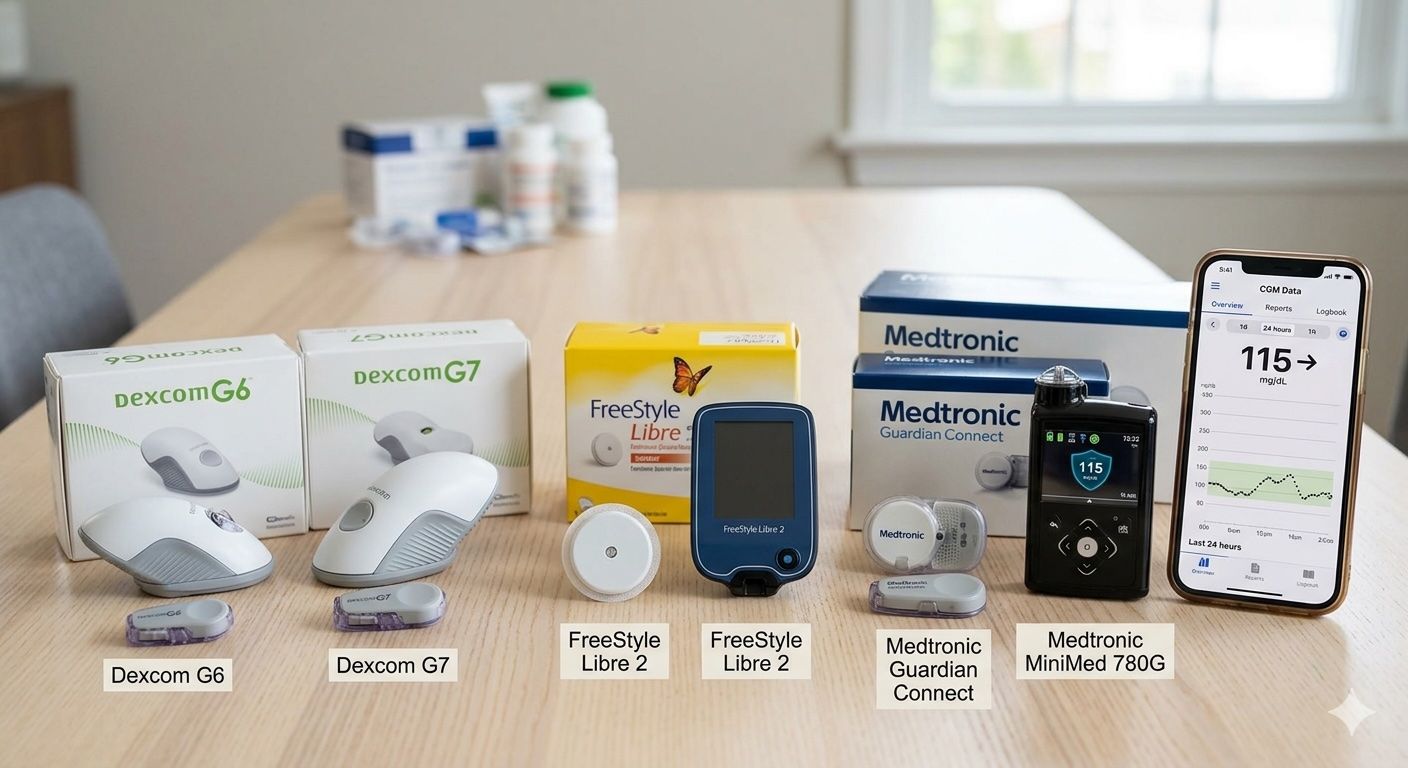
- Best Overall: Dexcom G7 – Offers the fastest 30-minute warm-up and industry-leading insulin pump integration for a seamless user experience.
- Best Value & Wear Time: Abbott FreeStyle Libre 3 Plus – Provides a 15-day sensor life with the highest clinical accuracy and a smaller, eco-friendly footprint.
- Best for Non-Insulin Users: Dexcom Stelo – The first FDA-cleared over-the-counter option tailored specifically for Type 2 management without a prescription.
- Best Long-Term Option: Eversense 365 – An implantable subcutaneous biosensor that provides continuous monitoring for an entire year with a single insertion.
Identifying the best CGM wearables in 2026 requires looking at MARD accuracy, sensor life, and real-time data integration. Whether you are managing diabetes or optimizing metabolic health, the latest sensors like the Dexcom G7 and FreeStyle Libre 3 Plus offer unprecedented precision for those seeking reliable real-time blood sugar tracking technology.
The Precision Leaders: Dexcom G7 vs. FreeStyle Libre 3 Plus
In the realm of metabolic health, the Mean Absolute Relative Difference, or MARD percentage, is the gold standard for measuring how closely a wearable tracks actual blood glucose. As we evaluate the landscape in 2026, two titans continue to lead the market through iterative hardware refinements and sophisticated algorithms.
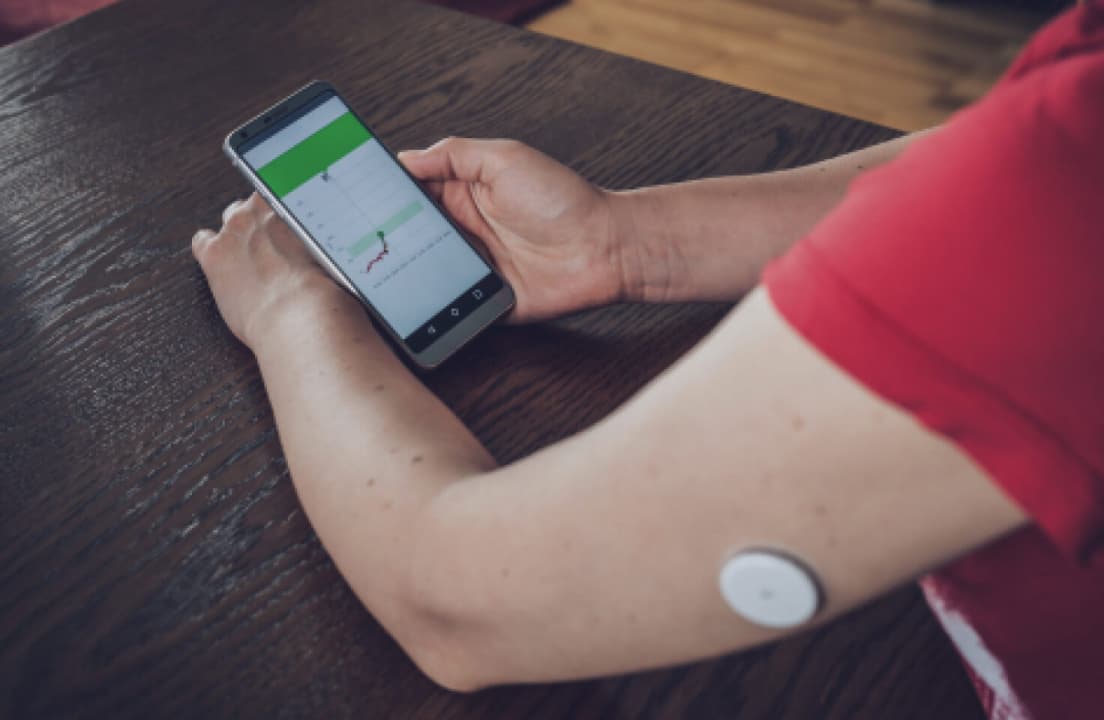
The Dexcom G7 has become the benchmark for convenience. Its most significant advantage is a 30-minute sensor warm-up time, which is effectively twice as fast as the 60-minute warm-up period required by its primary competitor. For patients using Automated Insulin Delivery (AID) systems, this minimized downtime is critical for maintaining consistent Time-in-Range (TIR). The device transmits data every five minutes via Bluetooth Low Energy (BLE), ensuring your phone or smartwatch stays updated without heavy battery drain.
On the other hand, the Abbott FreeStyle Libre 3 Plus focuses on high-frequency data and longevity. While the G7 updates every five minutes, the Libre 3 provides real-time glucose readings every minute, offering a more granular look at how interstitial fluid glucose reacts to immediate stressors like a high-intensity workout or a rapid-acting carbohydrate. Clinically, the Libre 3 Plus edges ahead in precision, reporting a MARD of 7.9% for adults, compared to an 8.2% MARD for the Dexcom G7.
Both devices utilize clear glucose trend arrows to help users predict where their levels are headed, which is essential for hypoglycemia prevention. When considering the best CGM for insulin pump integration 2026, the G7 remains the most widely compatible with systems like Tandem and Omnipod, though the Libre 3 Plus is rapidly closing that gap with new firmware updates.
Long-Term Solutions: The Eversense 365 Advantage
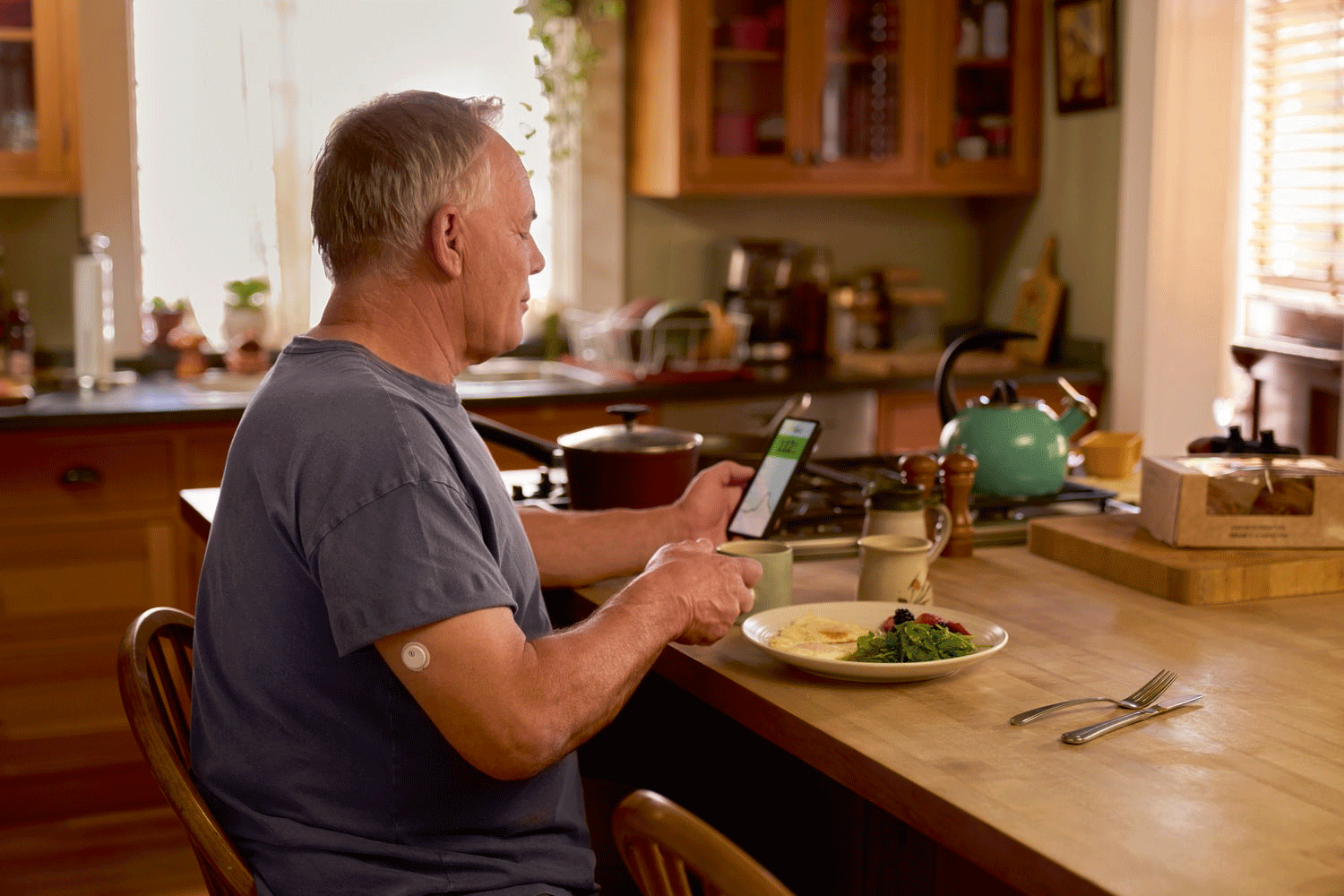
For many users, the primary friction point of continuous glucose monitor reviews for accuracy 2026 is the "wearable fatigue" associated with changing a sensor every 10 to 15 days. This is where the Eversense 365 changes the narrative. Unlike surface-worn patches, this system uses a tiny subcutaneous biosensor implanted by a healthcare provider.
The standout feature of this device is its 365-day lifespan. By opting for a long term implantable CGM vs daily wearables, users eliminate the weekly ritual of adhesive application and the risk of a sensor being knocked off during contact sports or heavy sleep. The system still requires a removable transmitter worn over the site, but this can be taken off for a shower or a formal event without wasting a sensor.
Despite being an implantable device, its accuracy remains competitive with a MARD of approximately 8.8%. It is specifically designed for robust hypoglycemia prevention, featuring on-body vibration alerts that notify the wearer of dangerous lows even if their phone is in another room. For the longevity-focused individual, this "set it and forget it" approach provides a massive boost to quality of life while maintaining high-fidelity metabolic data.

The 2026 Wellness Shift: Best OTC Glucose Monitors
We have seen a massive paradigm shift in 2026 as the medical community embraces the role of glucose tracking for metabolic health optimization in the general population. The arrival of over-the-counter (OTC) options has opened the door for those who are not on insulin but want to understand their glycemic variability.
The Dexcom Stelo is the premier choice for those looking for the best OTC glucose monitors for non insulin type 2 patients. It strips away the complex (and sometimes stressful) high/low urgent alarms required for Type 1 patients, focusing instead on digestible insights and lifestyle trends. It is an ideal tool for CGM for fitness and weight loss tracking, as it visualizes how a 20-minute post-dinner walk can dramatically flatten a glucose spike.
Abbott has entered this space with the Lingo biosensor and the Libre Rio. While the Rio is targeted at non-insulin Type 2 patients to help manage their condition via diet, the Lingo is a pure consumer wellness product. It translates raw glucose data into a "Lingo Count," a simplified metric that helps users gamify their metabolic health. These devices are pivotal for identifying which specific foods cause individual inflammation or energy crashes, moving nutrition from guesswork to hard data.
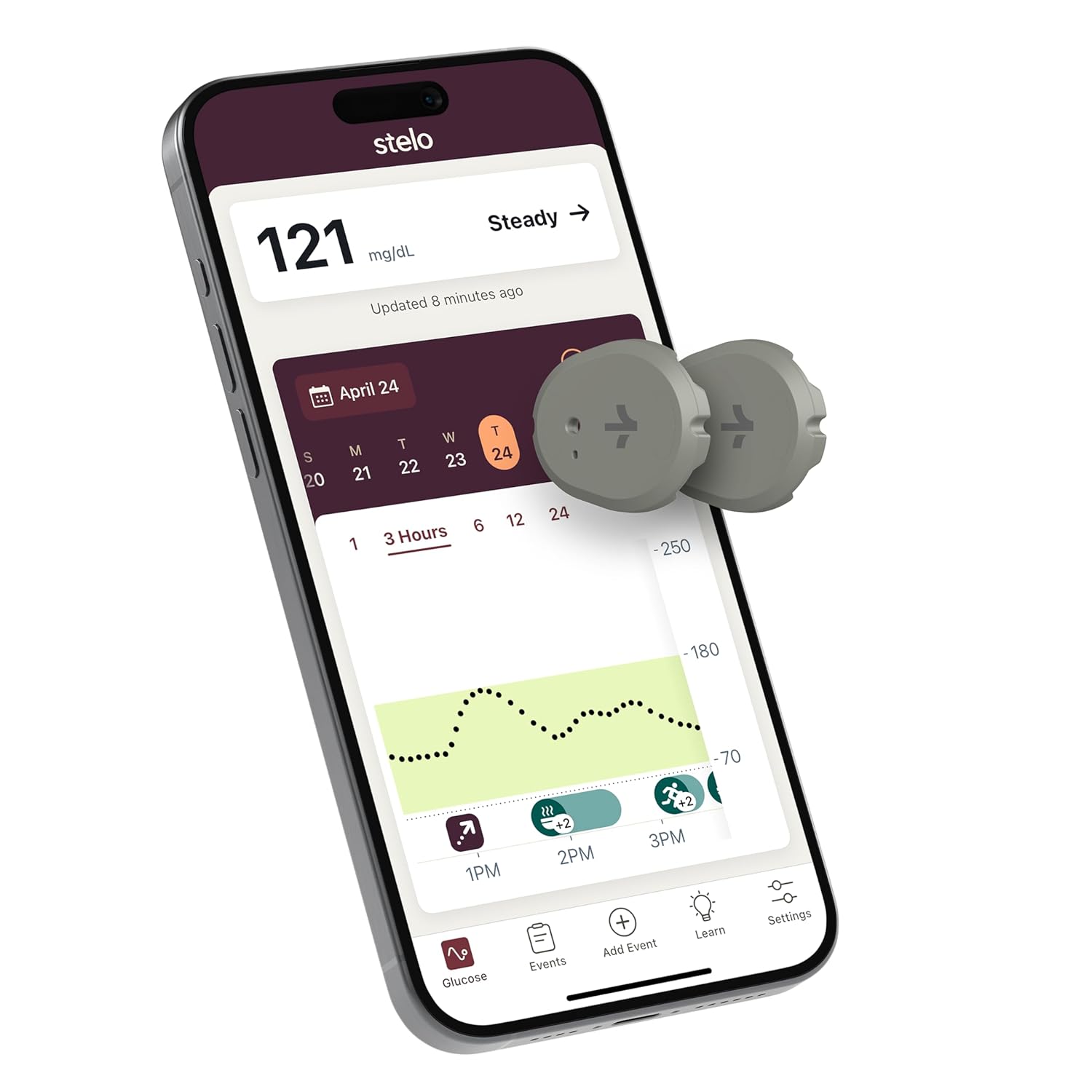
Using these tools for nutritional optimization allows for a level of personalization previously unavailable. You might find that while oats spike your colleague’s glucose, your body handles them with minimal impact. This bio-individuality is why real-time blood sugar tracking technology has moved from the clinic to the kitchen.

Buyer’s Guide: Comfort, Cost, and Lifestyle
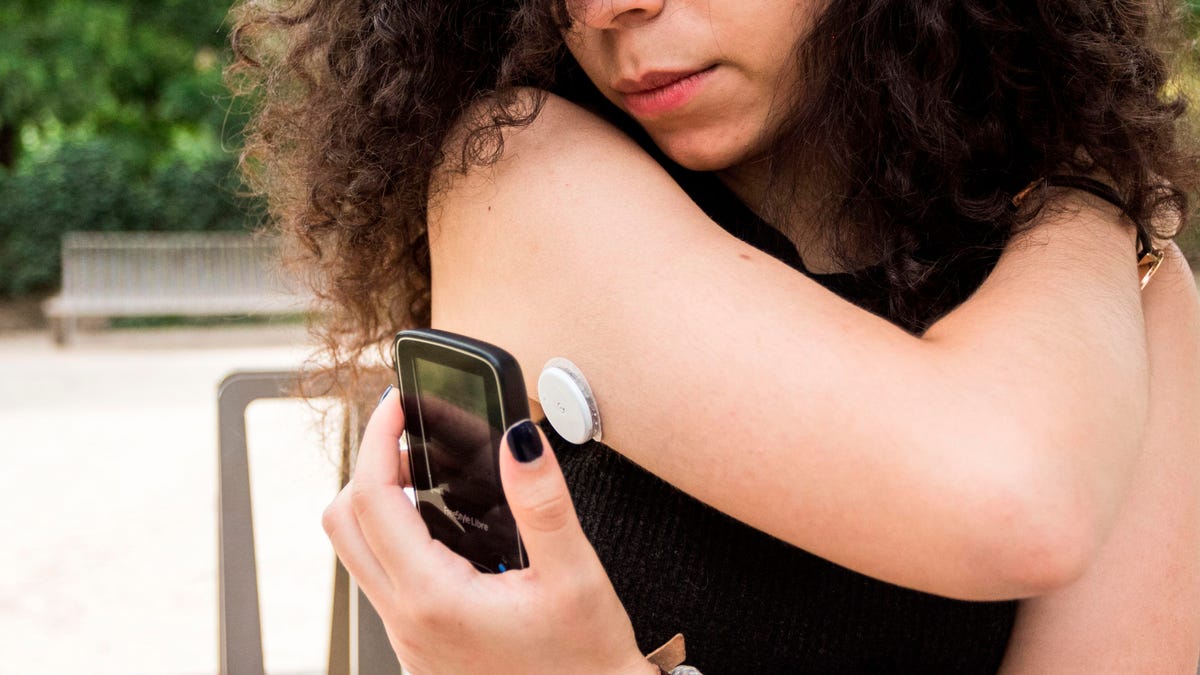
When choosing between the best CGM wearables, the "best" device is the one you will actually wear. CGM sensor comfort and wearability are subjective but critical. The Libre 3 Plus is currently the thinnest and smallest sensor on the market, roughly the size of two stacked pennies, making it one of the most comfortable CGM sensors for active lifestyles.
The following table breaks down the 2026 2026 continuous glucose monitor reviews by their practical ownership metrics:
| Device | MARD (Accuracy) | Wear Time | Monthly Cost (Est. Out-of-Pocket) | Best For |
|---|---|---|---|---|
| Dexcom G7 | 8.2% | 10 Days (+12hr grace) | $170 - $350 | Insulin Pump Users |
| Libre 3 Plus | 7.9% | 15 Days | $130 - $160 | Budget & Accuracy |
| Eversense 365 | 8.8% | 365 Days | $400+ (Sensor + Procedure) | Long-term Wear |
| Dexcom Stelo | ~9.0% | 15 Days | $89 - $99 | Non-Insulin/Wellness |
| Abbott Lingo | ~9.0% | 14 Days | $49 - $89 | Biohacking/Fitness |
Cost remains a significant factor. While insurance often covers these devices for Type 1 and insulin-dependent Type 2 patients, those using them for general health often pay out-of-pocket. The move toward OTC models like Stelo has significantly lowered the barrier to entry, with monthly costs now often under $100.
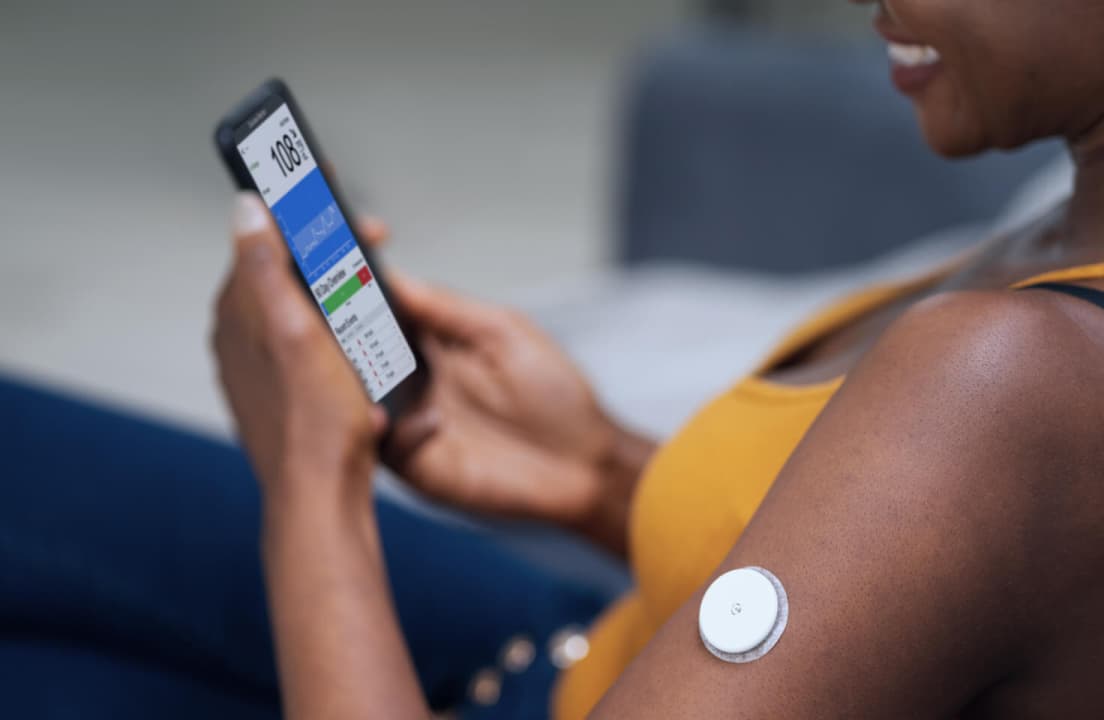
For those with highly active lifestyles—swimmers, triathletes, or heavy sweaters—the adhesive longevity is as important as the tech. While all major sensors are water-resistant, secondary patches (like those from Lexcam or ExpressionMed) are often recommended to ensure the sensor survives the full wear period.
FAQ
What is the best continuous glucose monitor for non-diabetics?
For those without diabetes looking to optimize their health, the Dexcom Stelo and Abbott Lingo are the top choices in 2026. These devices are specifically designed for the wellness market, offering a streamlined app experience that focuses on how lifestyle choices impact glucose levels without the constant medical alarms required for insulin-dependent users.
Do I need a prescription for a CGM wearable?
In 2026, you no longer need a prescription for all models. While medical-grade sensors like the Dexcom G7 and FreeStyle Libre 3 Plus still typically require a doctor's sign-off for insurance purposes, new over-the-counter options like the Dexcom Stelo can be purchased directly by consumers to monitor their metabolic health.
How much do CGM wearables cost without insurance?
Costs vary significantly based on the technology. OTC sensors like Stelo or Lingo generally cost between $50 and $99 per month. Medical-grade systems can range from $130 to over $350 per month if paid entirely out-of-pocket, though many manufacturers now offer subscription programs to lower the financial impact for long-term users.
Are continuous glucose monitors more accurate than finger pricks?
CGMs measure glucose in the interstitial fluid rather than the blood, meaning there is often a slight lag of 5 to 15 minutes. However, with MARD scores now consistently below 9%, modern CGMs are incredibly precise. While a finger prick is a "snapshot" in time, a CGM provides the "movie," which is often more valuable for identifying dangerous trends and patterns.
Which CGM wearable is the most comfortable to wear?
The Abbott FreeStyle Libre 3 Plus is widely considered the most comfortable due to its remarkably small size and thin profile. It is about the size of two pennies and is less likely to catch on clothing or be felt during sleep. For those who want to avoid frequent applications entirely, the Eversense 365 implantable sensor is the ultimate comfort choice after the initial healing period.
Can CGM wearables help with weight loss?
Yes, by providing a real-time feedback loop, CGMs help users identify which foods cause high insulin-spiking glucose surges. By choosing foods that keep glucose levels stable and minimizing glycemic variability, users can more effectively manage hunger hormones and stay in a fat-burning state, making CGMs a powerful tool for sustainable weight management.