Our Top Picks
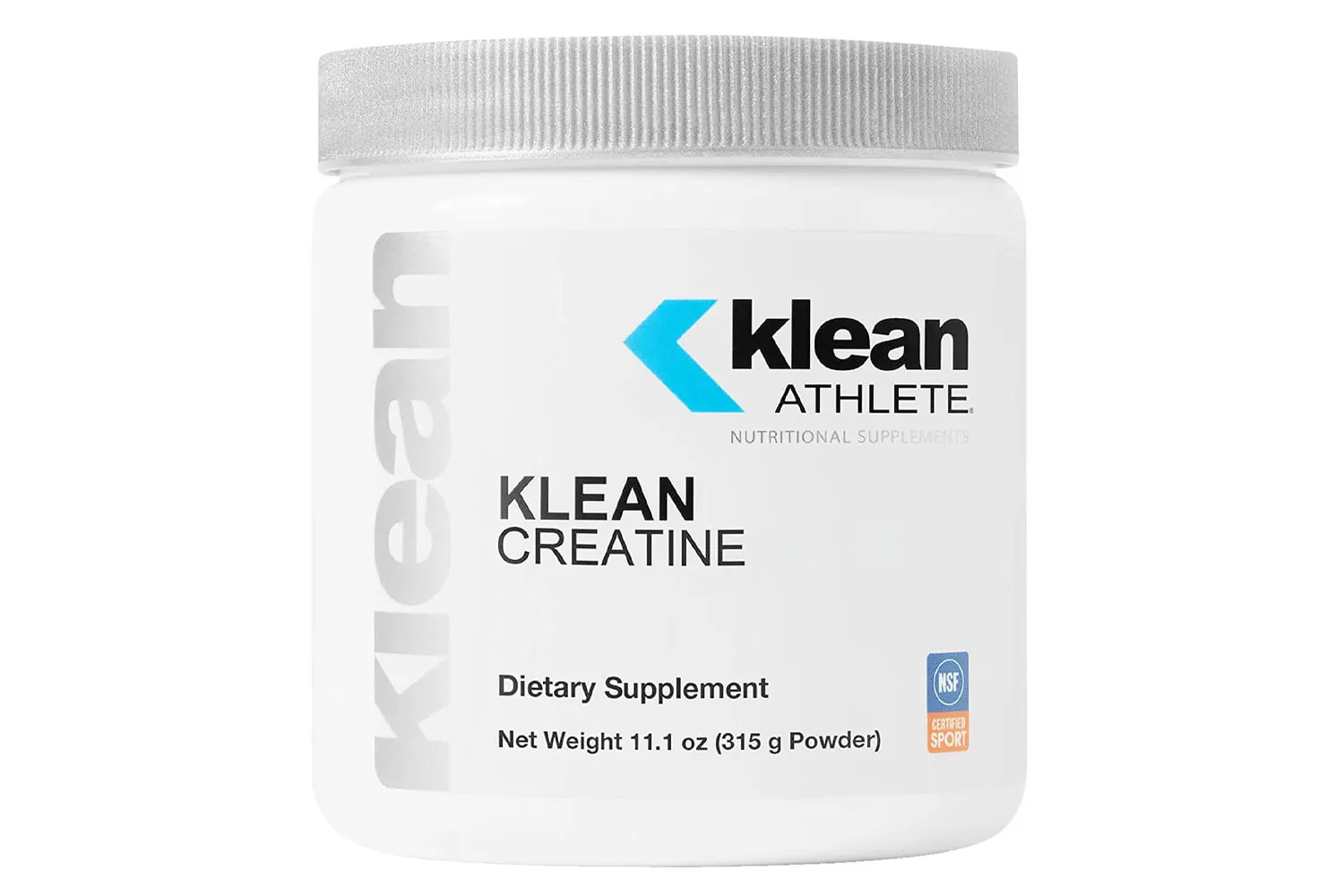
- Best Overall: Klean Athlete Klean Creatine – A pure, single-ingredient formula that sets the standard for quality and transparency.
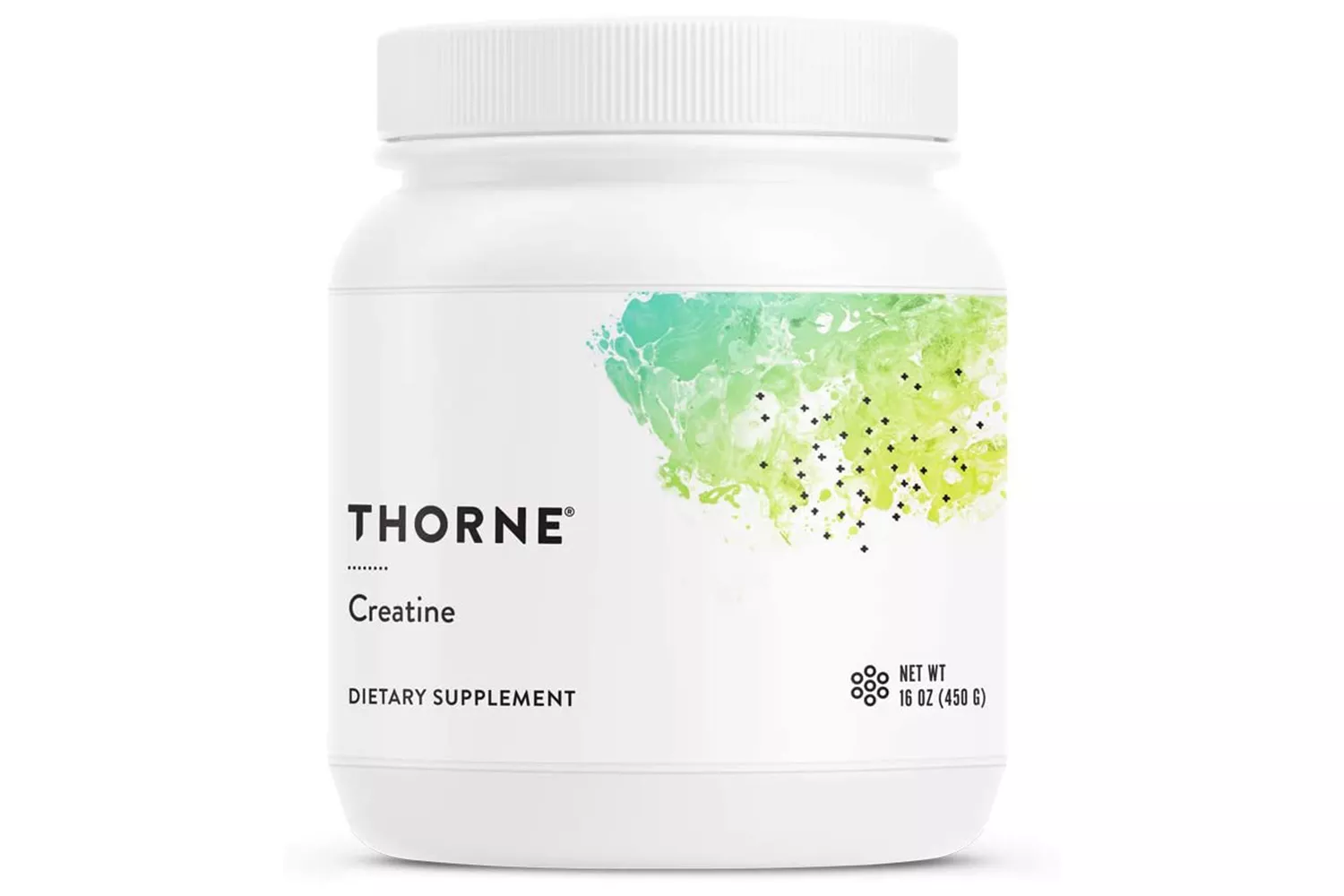
- Best for Professional Athletes: Thorne Creatine – Highly bioavailable, easy to mix, and carries the highest level of third-party certification.
- Best Value: Nutricost Creatine Monohydrate – An affordable micronized creatine for beginners that doesn't compromise on purity.
- Best for Convenience: On-the-go capsules – Ideal for maintaining phosphocreatine stores without the mess of powders while traveling.
The best creatine supplements for building strength typically feature pure creatine monohydrate, the most researched form for increasing phosphocreatine stores and ATP production. Dietitians recommend products with third-party certifications like NSF Certified for Sport or Informed Choice to ensure purity and safety, providing athletes with the explosive power needed for high-intensity training.
Why Trust Our Dietitian-Led Review
In the world of sports performance, data is everything. When evaluating the best creatine supplements, we don’t just look at the marketing on the tub; we look at the science in the lab. My team and I prioritize a rigorous vetting process led by registered dietitians who understand how muscle protein synthesis and energy metabolism actually function during a heavy lifting session. We focus heavily on third-party verification because the supplement industry is a bit like the Wild West.
Third-party testing is crucial because the FDA minimally regulates dietary supplements. Independent certifications from organizations like NSF or ConsumerLab verify that a product contains the ingredients listed on the label without harmful contaminants or prohibited substances. This is especially vital for competitive athletes who must comply with strict anti-doping regulations and for anyone seeking assurance of a supplement's quality and label accuracy. In our reviews, we also standardize the cost by calculating the price per 5g serving. This allows for an honest comparison of value across different brands and formats, ensuring you get the most bioavailability for your buck.
The Science: Creatine Monohydrate Benefits for Strength
Creatine is one of the most studied supplements in history, and the consensus is clear: it works. The primary mechanism involves increasing your phosphocreatine stores. This, in turn, allows for faster ATP production, which is the primary energy currency for short, explosive bursts of movement—think of a one-rep max squat or a 40-yard dash. When you have more ATP readily available, you can push out that extra rep or add a few more pounds to the bar.
The data supports these claims with impressive consistency. A meta-analysis of 22 studies demonstrated that the average increase in muscle strength following creatine supplementation is 8% greater than the gains achieved through resistance training alone. Furthermore, clinical research shows that supplementing with creatine monohydrate during resistance training can result in an average strength increase of 4.43 kg for upper-body exercises and 11.35 kg for lower-body exercises compared to a placebo. Beyond just moving weight, creatine monohydrate benefits for strength include supporting muscle protein synthesis and hypertrophy, helping you build lean muscle mass that performs as good as it looks.
Best Overall: Klean Athlete & Thorne Creatine
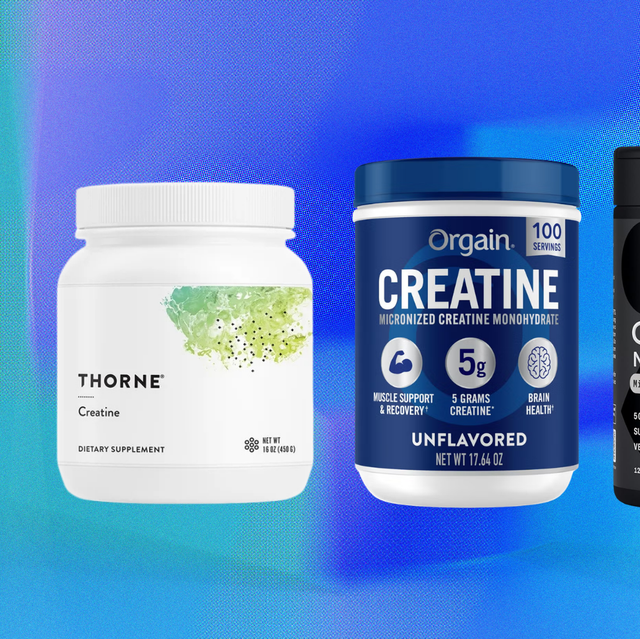
When we talk about the gold standard for high-performance athletes, we are looking for two things: purity and evidence. Both Klean Athlete and Thorne represent the pinnacle of NSF certified creatine supplements for athletes. They offer single-ingredient monohydrate powders that strip away the fillers and artificial sweeteners often found in pre-workout blends.
Klean Athlete Klean Creatine
Klean Athlete has built a reputation on providing exactly what is on the label and nothing else. Their creatine is unflavored, making it incredibly versatile for stacking with a post-workout protein shake or even just mixing with water. It is a micronized powder, which means the particles are smaller, allowing for better solubility and a smoother texture that isn't gritty.
- Who it’s for: Serious athletes who need a clean, reliable source of creatine without any added fluff.
- Pros: NSF Certified for Sport, dissolves easily, no aftertaste.
- Cons: Slightly higher price point than generic brands.
Price per 5g serving: $0.45 – $0.55
Thorne Creatine
Thorne is a brand frequently used by professional sports teams and Olympic athletes. Their creatine stands out because of its high bioavailability and meticulous manufacturing process. Like Klean Athlete, it uses Creapure, a branded form of creatine monohydrate known for its exceptional purity. It mixes well in cold liquids, which is a common pain point for many athletes who don't want to drink a "sandy" shake.
- Who it’s for: Anyone prioritizing brand reputation and laboratory-verified purity for lean muscle mass goals.
- Pros: Extensive third-party verification, high solubility, no fillers.
- Cons: Often out of stock due to high demand.
Price per 5g serving: $0.50 – $0.60
Best Vegan & Budget Options
A common misconception is that you need to pay a premium for high-quality supplements. While some boutique brands charge a lot for fancy packaging, the actual molecule of creatine monohydrate is relatively inexpensive to produce. For those looking for affordable micronized creatine for beginners, you can find excellent options that still meet the necessary safety standards.
It is also important to note that while creatine is found naturally in red meat and fish, almost all commercially available creatine monohydrate is synthetic and naturally vegan. However, vegan creatine options can sometimes be tricky if you are looking at capsules or gummies, as these may contain gelatin or carmine. Sticking to a pure powder is usually the safest bet for plant-based athletes.
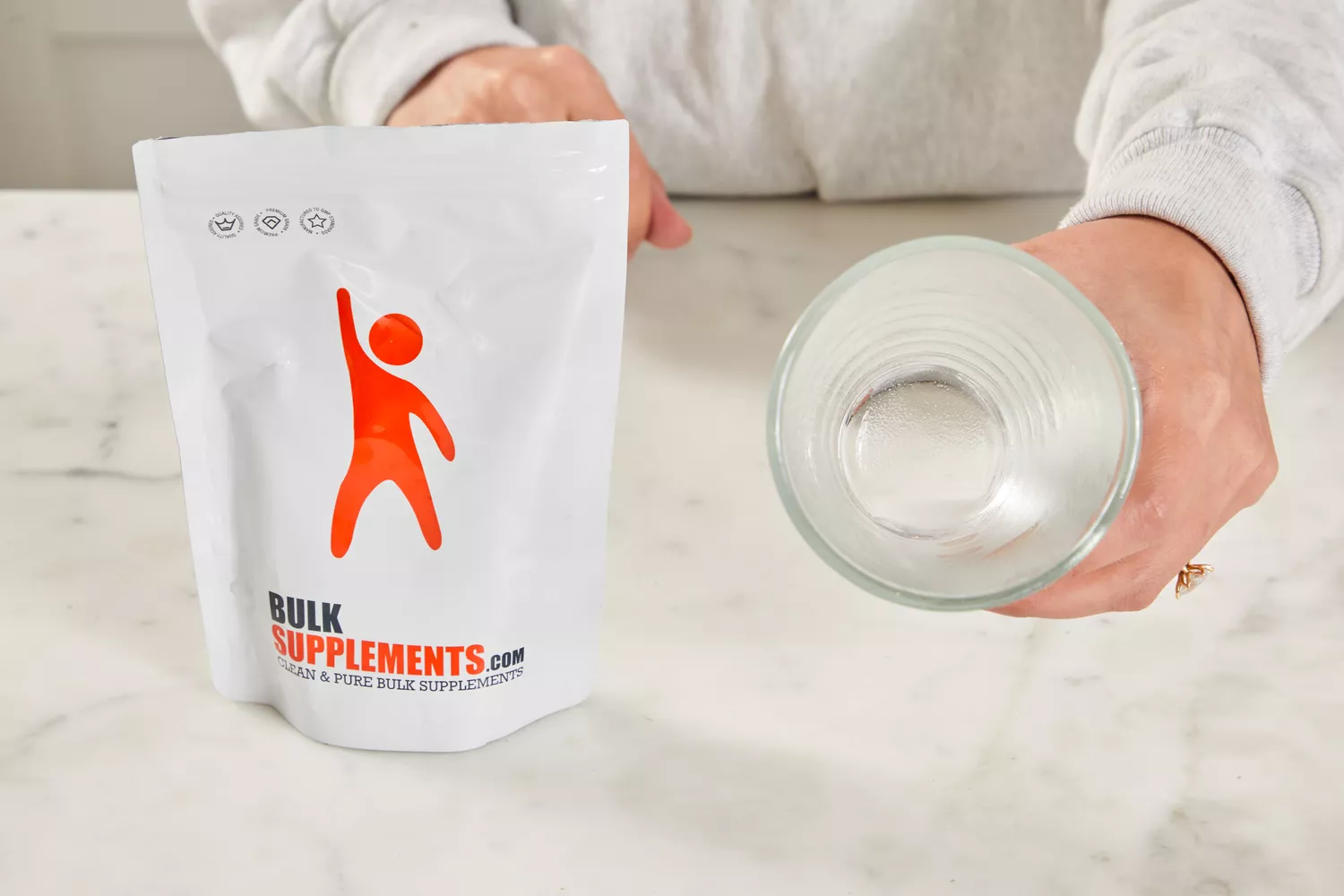
Nutricost Creatine Monohydrate
Nutricost offers a no-frills approach that is perfect for anyone on a budget. By buying in bulk, you can significantly drive down the cost per day while still getting a product that is third-party tested. It is an unflavored, micronized powder that serves as a perfect baseline for anyone just starting their journey into strength supplementation.
- Who it’s for: Budget-conscious lifters and those looking for best vegan creatine monohydrate powders in bulk.
- Pros: Extremely affordable, large serving sizes available, third-party tested.
- Cons: Packaging is basic; the scoop can sometimes be buried at the bottom.
Price per 5g serving: $0.15 – $0.25
Best On-the-Go: Capsules & Chews
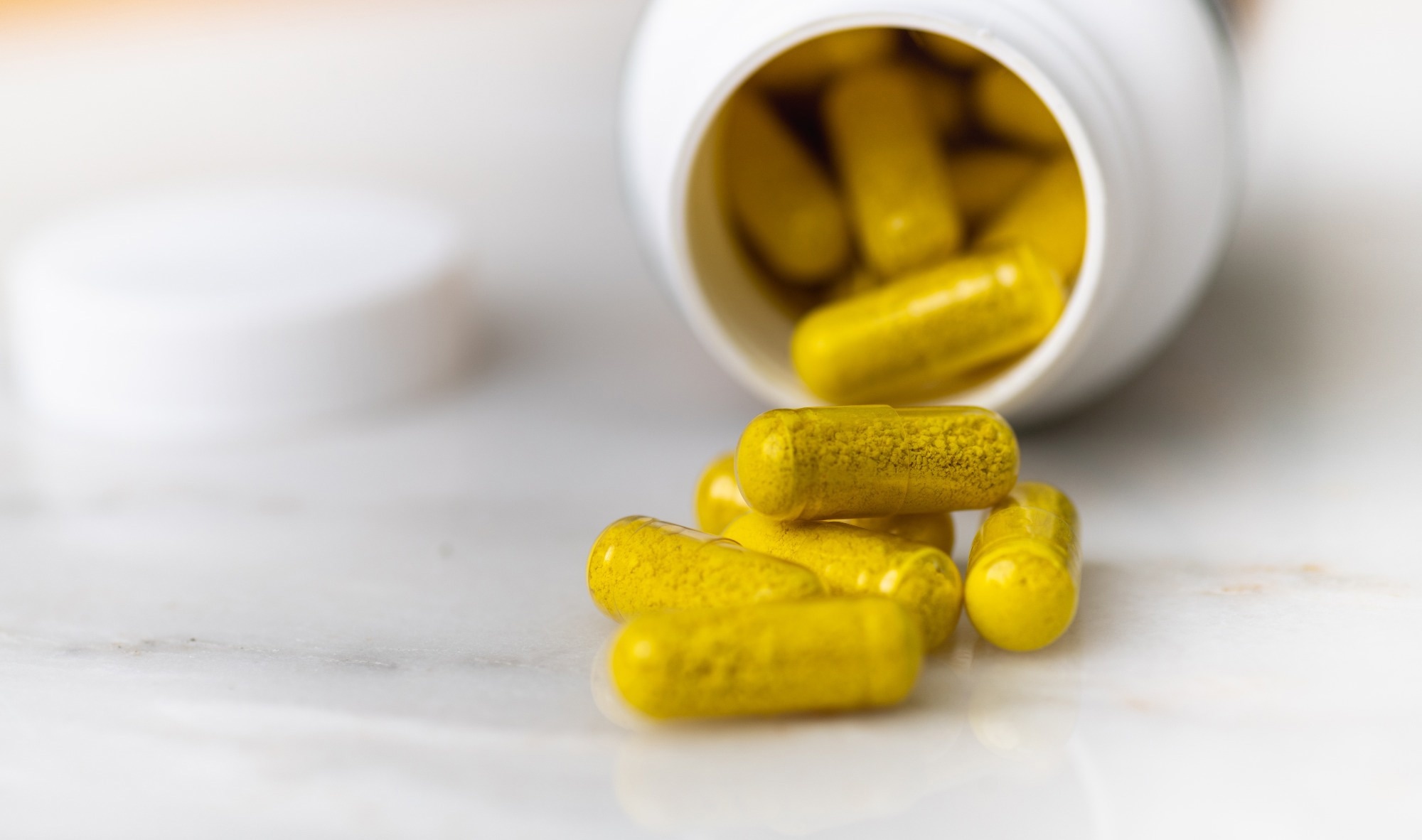
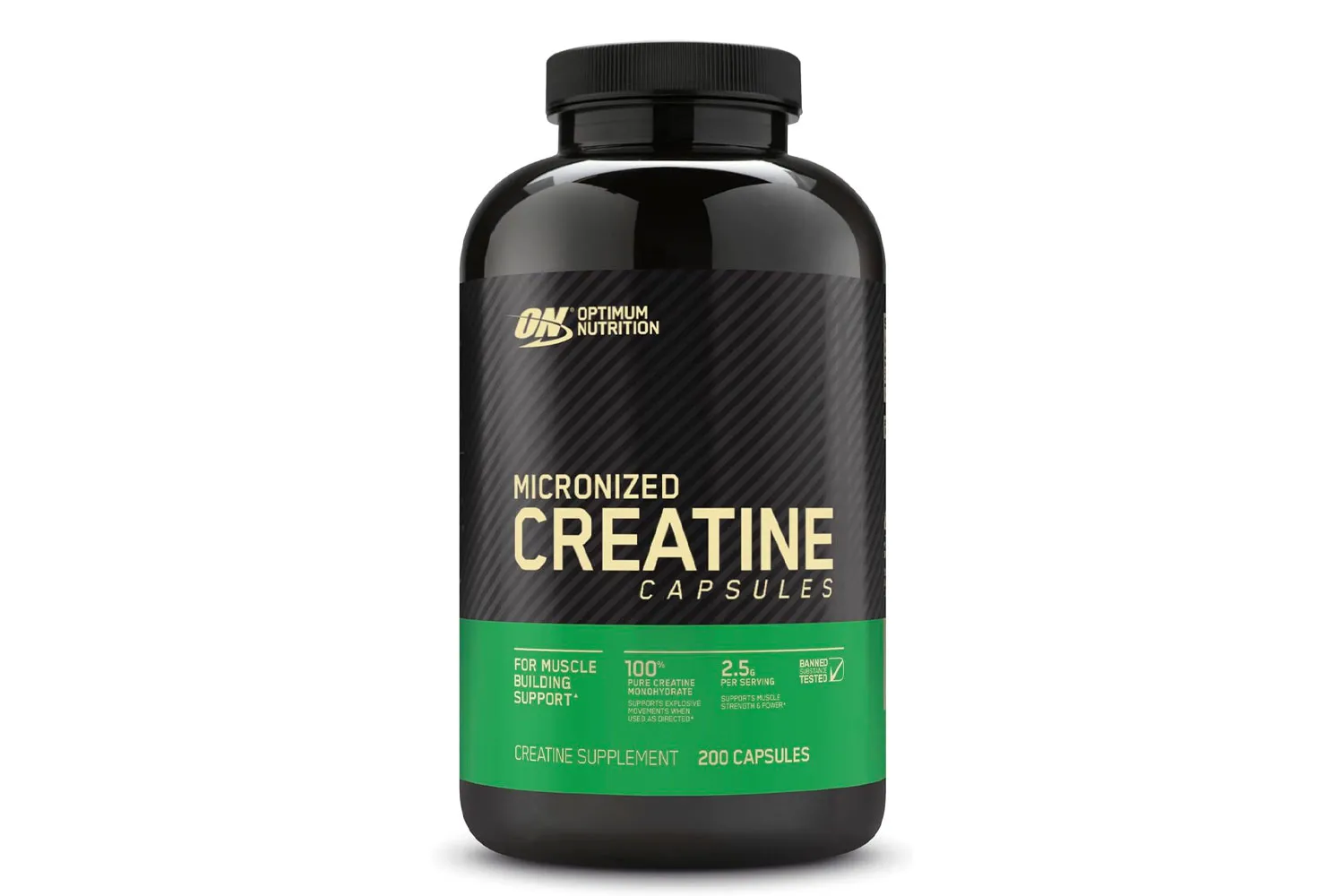
For many of my clients, the biggest hurdle isn't the science—it's the habit. If you travel frequently or have a chaotic schedule, lugging a tub of powder and a shaker bottle might not be feasible. This is where best creatine monohydrate capsules for on the go become a game changer.
Capsules provide a precise dose without the need for mixing or measuring. The downside is that you typically need to swallow 5 to 7 large capsules to reach the standard 5g dose. Creatine gummies are another rising trend, but be cautious: many gummies are under-dosed, providing only 1 to 1.5g per serving. You would have to eat half the jar to get a clinical dose, which also means consuming a lot of unnecessary sugar. If you choose a chewable or capsule, ensure it still uses monohydrate for the best results in hypertrophy and strength.
- Who it’s for: Frequent travelers and those who hate the taste or texture of powders.
- Pros: No mess, no mixing required, easy to track dosage.
- Cons: More expensive per gram than powder, requires swallowing multiple pills.
How to Use: Loading Phase vs. Maintenance
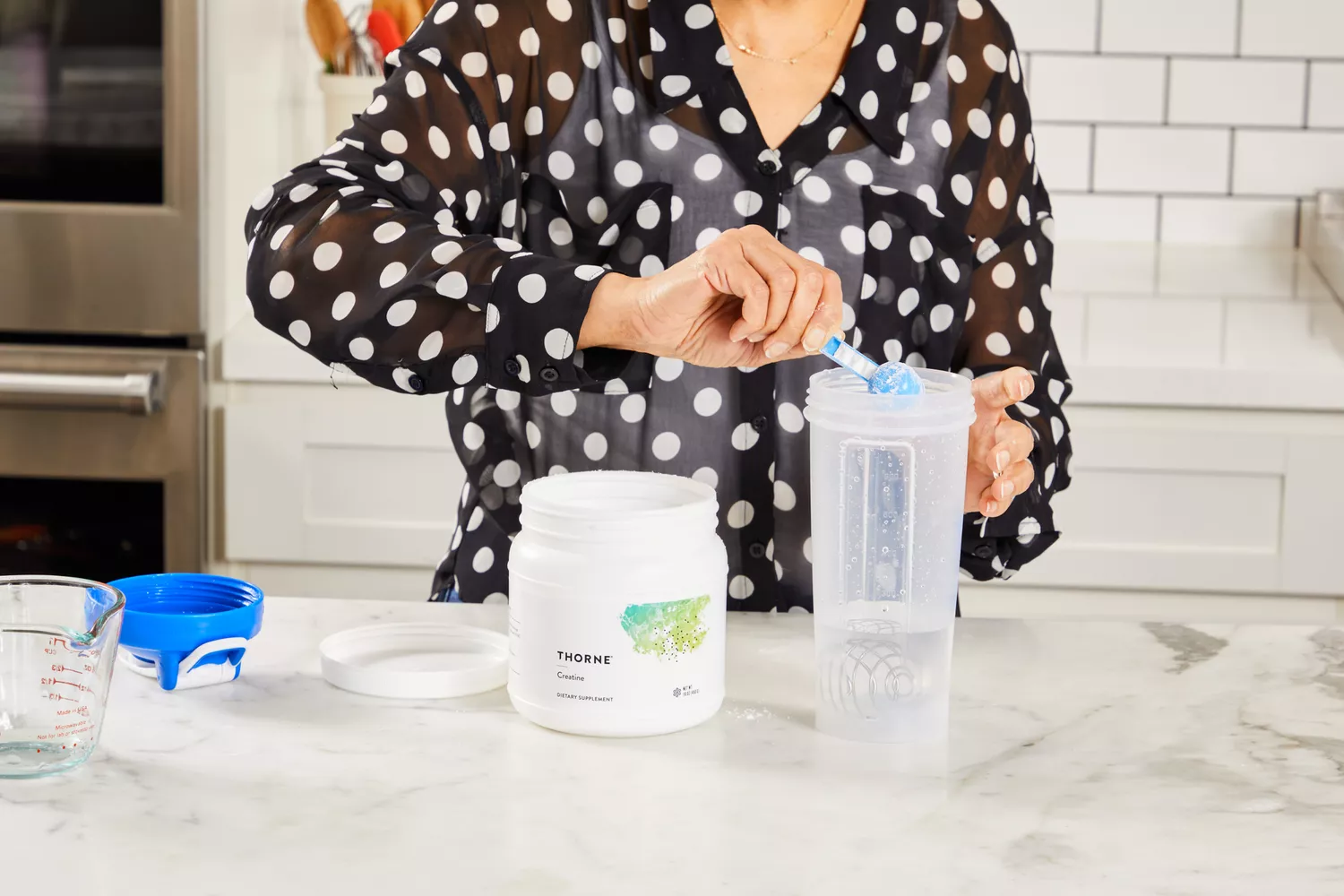
There are two primary ways to start using creatine. The first is a loading phase, which is designed to saturate your muscle stores as quickly as possible. This involves taking 20g of creatine per day, split into four doses, for 5 to 7 days. Once your stores are full, you move to a maintenance dose.
The second option is to skip the loading and simply start with a daily maintenance dose. While this takes longer to reach full saturation (about 3 to 4 weeks), it is often easier on the digestive system. Registered dietitians and sports nutrition organizations recommend a daily maintenance dose of 3 to 5 grams of creatine monohydrate to maintain muscle creatine stores at 20% to 40% above baseline levels.
| Protocol | Daily Dosage | Duration | Goal |
|---|---|---|---|
| Loading Phase | 20g (4x 5g doses) | 5–7 Days | Rapid saturation for quick results |
| Maintenance | 3–5g | Indefinite | Sustain elevated phosphocreatine stores |
| Slow Build | 3–5g | 28+ Days | Gradual saturation; easier on stomach |
Regardless of the method you choose, hydration is paramount. Creatine draws water into the muscle cells, which is beneficial for muscle protein synthesis, but it means you need to increase your overall fluid intake. Aim for an extra 8 to 12 glasses of water daily to prevent any potential bloating or cramping. Learning how to start a creatine loading phase for strength can give you a jumpstart, but consistency is what ultimately drives long-term hypertrophy.
FAQ
What is the best type of creatine to take?
Creatine monohydrate is the undisputed winner. It is the most researched form of the supplement and has been shown time and again to be effective for increasing strength and muscle mass. Other forms often claim to be more soluble or better absorbed, but they lack the decades of clinical evidence that support monohydrate.
Is creatine monohydrate better than HCL?
While creatine hydrochloride (HCL) is more soluble in water, there is no strong evidence to suggest it is more effective at building muscle than monohydrate. Most athletes choose monohydrate because it is more affordable and has a much larger body of research confirming its safety and efficacy for explosive power.
Do I need a loading phase for creatine?
You do not strictly need a loading phase. While a loading phase will saturate your muscles in about a week, taking a standard 3 to 5g dose daily will achieve the same level of saturation within about a month. Many people skip the loading phase to avoid potential stomach upset or bloating.
When is the best time to take a creatine supplement?
Timing is less important than consistency. The goal of creatine is to keep your muscle stores saturated over time. Some studies suggest taking it post-workout with a carbohydrate source might slightly improve uptake due to the insulin spike, but the most important factor is simply taking your 3 to 5g every single day.
Does creatine cause water retention or bloating?
Creatine does cause water retention, but it is "intracellular," meaning the water is drawn into the muscle cells, not under the skin. This can make your muscles look fuller. Actual bloating or digestive distress is usually a result of taking too much at once during a loading phase or not drinking enough water. If you experience this, try switching to a 3 to 5g daily dose without loading.