Quick Facts
- Adoption Rate: 83% of healthcare providers now utilize telehealth services in their daily practice.
- CMS Rule: A minimum of 16 days of monthly vital sign measurements is required for remote patient monitoring reimbursement.
- Top Telemedicine (Budget): Doxy.me is the leading budget choice at $35/month for private practices.
- Top Telemedicine (Enterprise): Zoom for Healthcare remains the gold standard for enterprise integration at roughly $200/month.
- Market Value: The remote patient monitoring market is projected to reach USD 34.41 billion in 2025.
- Implementation Gap: On average, it takes hospitals 23 months to fully scale new digital health solutions.
- AI Integration: Approximately 71% of healthcare organizations are utilizing generative AI tools in 2025.
Digital health tools encompass technologies like remote patient monitoring technology, telemedicine software, and wearable sensors that allow providers to manage care outside traditional settings. These tools facilitate real-time data access and enhance engagement by giving patients direct access to their health metrics through mHealth applications and EHR-integrated portals.

Telemedicine Software Comparison: Top Picks for Private Practices
Choosing the right virtual care platform is no longer just about seeing a patient on a screen; it is about how that interaction fits into your broader clinical workflow. For many private practices, the choice often boils down to a telemedicine software comparison between browser-based simplicity and deep-system integration. Browser-based platforms are generally favored by smaller clinics because they require no software installation for the patient, significantly reducing the "I can't log in" hurdles that often plague virtual visits.
When we look at the best telemedicine software comparison for private practices, security and ease of use remain the top priorities. Most practitioners today require HIPAA compliance and a signed Business Associate Agreement (BAA) as a baseline. Beyond that, the focus shifts to how the tool handles data security and whether it can talk to your existing medical records.
| Feature | Doxy.me (Professional) | Zoom for Healthcare | SimplePractice |
|---|---|---|---|
| Primary Use Case | Budget-friendly private practice | Enterprise-level integration | Specialized clinical workflow |
| Monthly Cost | $35/month | ~$200/month | Starts at $29/month |
| Installation | Browser-based (None) | App-based | Browser/App |
| EHR Integration | Limited | Robust (Epic/Cerner) | Built-in EHR |
| Data Security | End-to-end encryption | End-to-end encryption | End-to-end encryption |
While Doxy.me is often the go-to for its simplicity, Zoom for Healthcare provides the infrastructure needed for larger organizations that require interoperability with systems like Epic or Cerner. By using these tools, clinics can move toward a model of value-based care where outcomes are prioritized over the number of in-person visits.


Remote Patient Monitoring Technology: Connectivity and Reimbursement
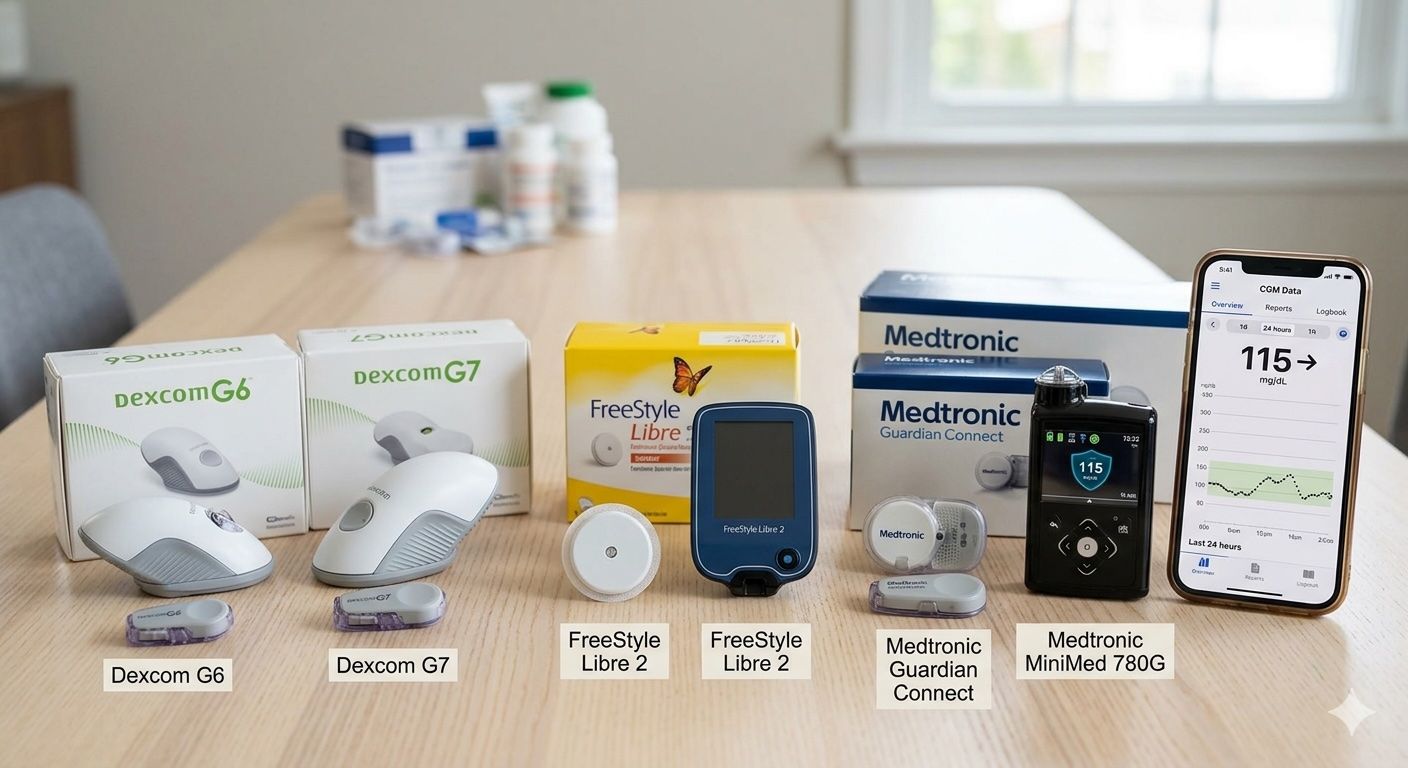
One of the most significant shifts in modern care is the move from reactive visits to continuous observation. This is where remote patient monitoring technology shines. By utilizing wearable sensors, providers can track chronic conditions like hypertension or diabetes in real-time. However, the success of these programs often hinges on the "16-day rule" established by the Centers for Medicare & Medicaid Services (CMS). To qualify for reimbursement under codes like 99453 and 99454, a patient must upload at least 16 days of device readings within a 30-day period.
For remote patient monitoring technology for elderly patient care, the choice of connectivity is vital. We generally see two options: Cellular and Bluetooth. Cellular devices are often preferred for older populations because they work right out of the box without requiring a smartphone or a complicated pairing process. Bluetooth devices are more common for younger, tech-savvy patients who already use mHealth applications to track their fitness.
The role of artificial intelligence in this space cannot be overstated. Modern systems now use predictive analytics to scan incoming data and flag patients who are at risk of a clinical event before it happens. This proactive approach is one of the best digital health tools for reducing provider burnout, as it allows clinicians to focus their energy on the patients who need them most rather than sifting through thousands of normal data points.

Implementing Digital Health Solutions: A 10-Step Roadmap
Simply buying a piece of software does not mean you have a digital health program. Successful organizations follow a structured path for implementing digital health solutions to ensure long-term ROI and staff buy-in. According to the AMA Digital Health Implementation Playbook, the process starts not with the technology, but with the people.
A common mistake is skipping the formation of a cross-functional team. You need more than just an IT person; you need a "Core Team" to drive the project, a "Leadership Team" to provide the budget, an "Advisory Team" of patients and staff to give feedback, and an "Implementation Team" to handle the day-to-day training.
- Identify the Need: What specific clinical problem are you solving?
- Form the Team: Assign the four key stakeholder roles.
- Define Success: Establish clear metrics (e.g., reduced readmissions).
- Evaluate Vendors: Ensure they meet HIPAA compliance and interoperability standards.
- Establish Workflow: When integrating remote patient monitoring technology into clinical workflow, decide who reviews the data and when.
- Plan for Data: Ensure your EHR integration is seamless to avoid duplicate entry.
- Train the Staff: Conduct hands-on workshops.
- Patient Onboarding: Create simple guides for using mHealth applications.
- Pilot Program: Start with a small group of 10-20 patients.
- Scale and Optimize: Use the pilot data to refine your remote patient monitoring implementation steps for hospitals or larger networks.
Stakeholder Checklist
- Clinical Lead: Ensures the tool meets medical necessity.
- IT Specialist: Manages interoperability and EHR integration.
- Billing Coder: Verifies CMS 16-day rule compliance for reimbursement.
- Patient Advocate: Tests the user interface of mHealth applications.
This strategic deployment focuses on population health management and helps ensure that digital health tools for patient engagement and data access actually lead to better health equity. When tools are implemented correctly, they bridge the gap between rural patients and urban specialists.

FAQ
What are examples of digital health tools?
Digital health tools include a wide range of technologies such as telemedicine software for virtual visits, wearable sensors for tracking vitals, mobile health (mHealth) applications for patient communication, and remote patient monitoring technology for chronic disease management. They also encompass electronic health records (EHR) and artificial intelligence platforms used for predictive analytics and population health management.
How do digital health tools improve patient outcomes?
These tools improve outcomes by providing clinicians with real-time data access, allowing for faster intervention. By using remote patient monitoring technology, providers can catch symptoms of heart failure or uncontrolled hypertension early, preventing emergency room visits. Additionally, digital health tools for patient engagement and data access empower patients to take a more active role in their own care plans.
What are the benefits of using digital health technology?
The benefits include increased access to care for remote populations, improved efficiency for clinical staff, and enhanced data accuracy. For the healthcare organization, these tools support the transition to value-based care by focusing on preventive health. For patients, they offer the convenience of receiving professional care from the comfort of home.
Are digital health tools secure and private?
Most reputable digital health tools are designed with strict HIPAA compliance in mind. They use end-to-end encryption to protect sensitive patient information during transmission and storage. However, providers must always perform due diligence by signing a Business Associate Agreement (BAA) with vendors to ensure data security standards are maintained according to federal regulations.
How do digital health tools help healthcare providers?
These tools are among the best digital health tools for reducing provider burnout because they automate routine tasks like data collection and administrative documentation. By utilizing generative AI and interoperable systems, providers can spend less time on paperwork and more time on direct patient care, while also receiving clinical decision support from predictive analytics.
Why is digital health important in modern healthcare?
Digital health is essential because it addresses the growing demand for healthcare services amidst a global shortage of clinical staff. It enables more scalable care models, improves health equity by reaching underserved communities, and provides the data infrastructure necessary for modern population health management. Without these tools, the healthcare system would struggle to keep up with the complexity of managing chronic diseases in an aging population.
Final Thoughts for Healthcare Leaders
As we move through 2025, the conversation around digital health tools is shifting from "why" to "how." The technology has matured, and the reimbursement pathways are now well-established. Your success will depend on your ability to select tools that prioritize interoperability and user experience.
Start with a pilot program. Focus on a specific patient population—such as those with chronic hypertension—and use that experience to refine your workflows. By prioritizing tools that offer seamless EHR integration and clear real-time data access, you can build a sustainable digital health ecosystem that serves both your patients and your providers for years to come.