Quick Facts
- Top Pick for Athletes: Garmin Forerunner / Enduro series for deep data and GPS.
- Best for Recovery: WHOOP 5.0 and Oura Ring Gen 3 for recovery and strain analysis.
- Best for Everyday Health: Apple Watch Series 10 for holistic health monitoring features.
- Best Budget Value: Amazfit Band 7 / Xiaomi Smart Band 10 for basic tracking.
- Key Metric to Watch: Heart Rate Variability (HRV) has become the gold standard for readiness.
- Subscription Warning: Devices like WHOOP require a monthly fee to access any data.
The best fitness wearables for 2024 include the Garmin Forerunner series for runners, which offers advanced metrics like ground contact time and VO2 Max, and the WHOOP strap for athletes prioritizing recovery and strain analysis. For a holistic lifestyle approach, the Apple Watch and Oura Ring provide comprehensive health monitoring, while the Fitbit Charge 6 serves as a balanced option for daily activity tracking and heart rate monitoring.
Elite Performance: Fitness Tracker Comparison for Athletes
Choosing a device for high-level training requires more than just a step counter. For those pushing their limits, wearable technology was officially named the top global fitness trend for 2024 by the American College of Sports Medicine (ACSM). This reflects a shift toward using precise data to drive performance rather than relying on gut feeling.
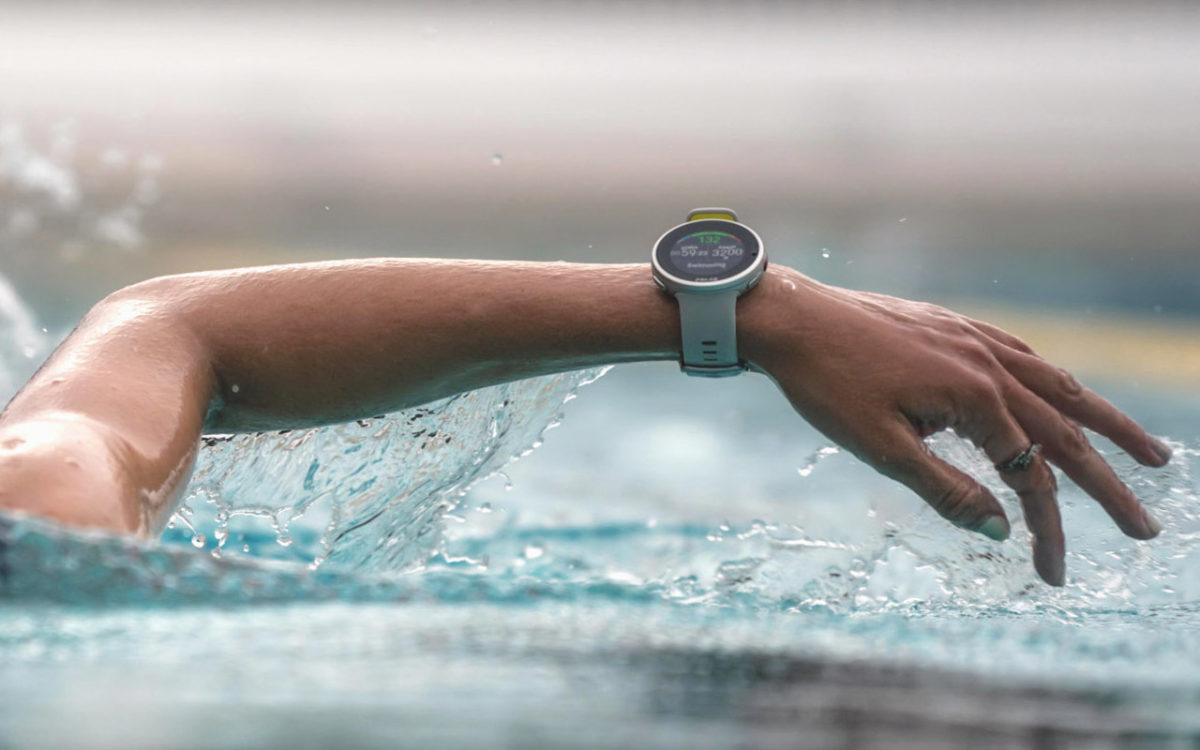
The Garmin Enduro 3 and the Polar Vantage V2 represent the pinnacle of this category. If you are looking for a fitness tracker comparison for athletes, these devices stand out by offering specific metrics like VO2 Max estimation and training load balance. These tools help you understand if you are overtraining or if your current routine is effectively building fitness. Garmin devices, in particular, are favored for their solar charging capabilities and advanced running dynamics such as ground contact time.
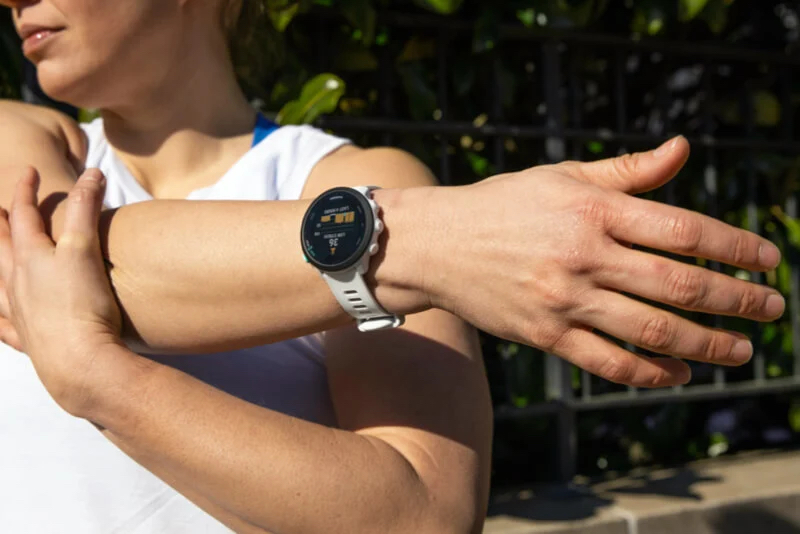
We are also seeing a massive rise in varied training types. Recent data indicates that high-intensity interval training (HIIT) was the fastest-growing fitness activity heading into 2024, with user participation increasing by 112% year-on-year. For these athletes, a device that can handle rapid heart rate spikes and provide accurate multisport profiles is essential. This makes the fitness tracker comparison for professional athletes particularly focused on sensor responsiveness and the ability to pair with external chest straps for maximum accuracy. If you are looking for the best gps wearables for marathon training, the dual-band GPS found in higher-end models is a non-negotiable feature for city runners or trail explorers.
Recovery and Readiness: Smart Rings and Screenless Trackers
Not every athlete wants a bright screen buzzing on their wrist all day. A new wave of best recovery trackers for fitness focuses on what happens between workouts. The WHOOP 5.0 and the Oura Ring Generation 3 have pioneered this space by analyzing biometric data to tell you when to push and when to rest.
The WHOOP system is unique because it lacks a screen entirely, reducing distractions. It focuses heavily on Heart Rate Variability and sleep stage tracking to calculate activity strain scores and daily readiness. This helps athletes avoid burnout by highlighting when their body is physically stressed, even if they feel fine mentally.

Meanwhile, fitness tracking smart rings for sleep quality are becoming the preferred choice for those who find watches uncomfortable at night. The Oura Ring uses skin temperature sensing to predict illness and even menstrual cycles, providing a more nuanced view of health than a standard wristband. These are widely considered the best recovery trackers for muscle recovery because they emphasize the "readiness" score over the "hustle" culture of 10,000 steps.
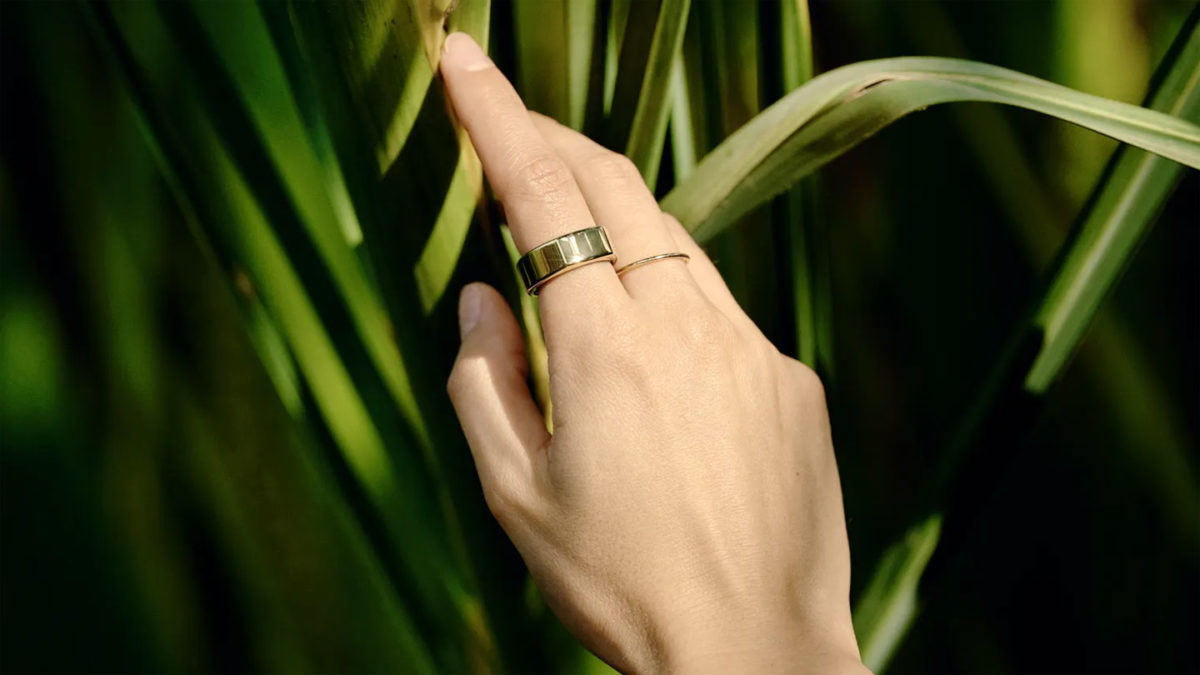
However, keep in mind that these devices often come with ongoing costs. The WHOOP model is subscription-only, meaning the hardware is technically "free" but the data access is not. When looking for best recovery trackers for muscle recovery, you must weigh the monthly fee against the value of the insights provided.
Daily Health: Wearables for Advanced Health Monitoring Features
For the average user, the best fitness wearables are the ones that blend seamlessly into daily life while keeping a watchful eye on long-term health. The Apple Watch Series 10 and Samsung Galaxy Watch 8 are leading the charge here. These are no longer just extensions of your phone; they are medical-grade tools capable of sophisticated Biometric data analysis.
Both platforms offer features like ECG (electrocardiogram) for heart rhythm checks and blood oxygen saturation monitoring. Samsung has even integrated body composition analysis into the watch, allowing users to estimate body fat percentage and skeletal muscle mass from their wrist. These wearables for advanced health monitoring features are powered by high-resolution AMOLED touchscreen displays and deep integration with mobile app ecosystems.
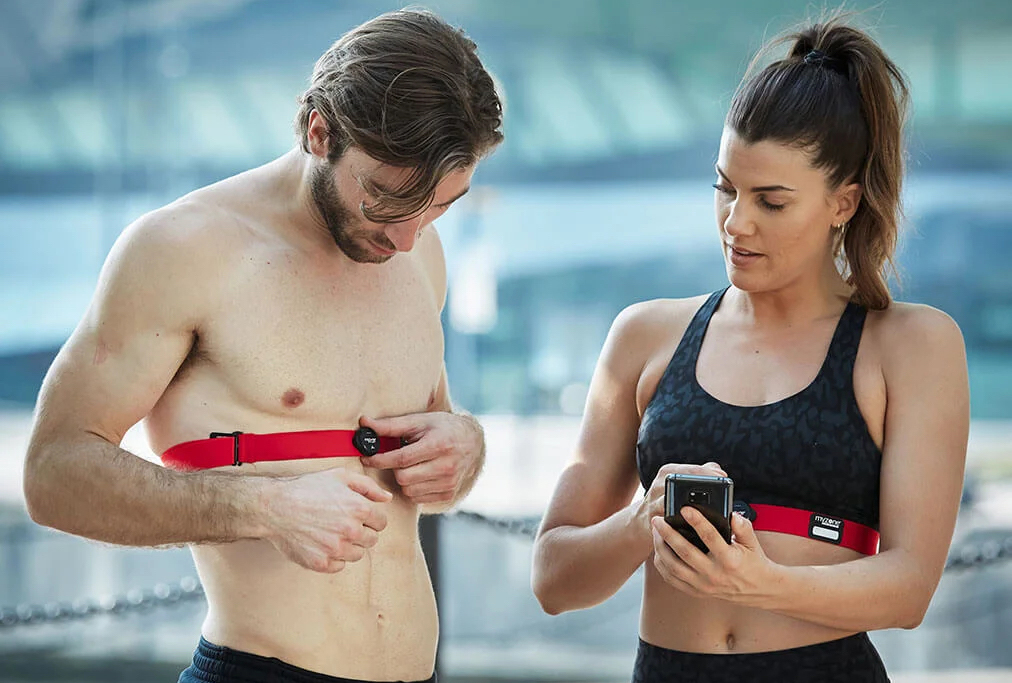
One interesting trend for 2024 is the inclusion of AI coaching. Samsung now uses health data to provide personalized "Energy Scores," while the Apple Watch uses its Vitals app to alert you when metrics like resting heart rate trends or respiratory rate deviate from your personal baseline. This proactive approach makes them the best fitness wearables for those who want a holistic view of their wellbeing rather than just a workout log.
Entry-Level Excellence: Best Value Fitness Trackers
You don't need to spend $500 to start tracking your health. In fact, some of the best fitness wearables for beginners are incredibly affordable. The Fitbit Inspire 3 and Amazfit Band 7 are fantastic entry points that offer all the essential tracking features without the overwhelming complexity of a professional sports watch.
Even at a lower price point, these devices provide bright AMOLED touchscreen displays and excellent battery life—often lasting 10 to 20 days on a single charge. Beginners will benefit most from monitoring simple metrics like steps, calories burned, and resting heart rate trends. These basic insights can be a powerful motivator for someone starting a new fitness journey.
If you need a bit more tech, the Amazfit Active 2 is often cited as the best value fitness trackers with built-in gps. It allows you to track runs and bike rides without carrying your phone, a feature usually reserved for more expensive models. For most people, these "budget" options are more than enough to improve daily activity levels.
How to Choose: Ecosystem, Battery, and Subscriptions
When deciding which device to purchase, the hardware specs are only half the story. You need to consider the total cost of ownership and how the device fits into your digital life. Use the table below to compare the three main factors that influence long-term satisfaction.
| Category | High-Performance (Garmin/Polar) | Recovery-Focused (WHOOP/Oura) | Lifestyle Smart (Apple/Samsung) |
|---|---|---|---|
| Battery Life | 7 - 30+ Days | 5 - 7 Days | 18 - 48 Hours |
| Subscription | No (Free App) | Required ($20+/mo) | Optional (Fitness+) |
| Best For | Training for an event | Optimization & Sleep | Daily health & Connectivity |
| OS Synergy | Both iOS/Android | Both iOS/Android | Locked to iOS/Android |
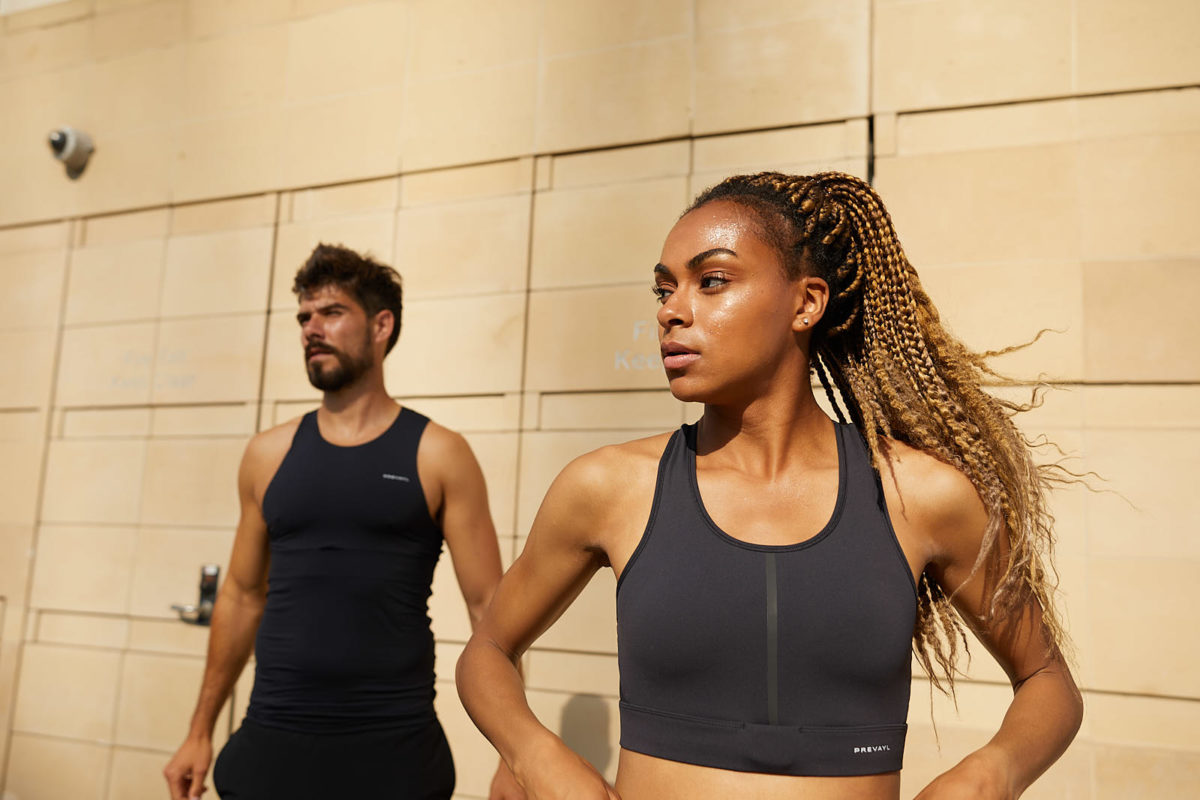
One emerging trend to watch is the integration of sensors into clothing. Devices like Prevayl are moving sensors off the wrist and into smart activewear. This reflects a desire for more discreet data collection, ensuring that the best fitness wearables for beginners or pros don't always have to look like a watch.
Ultimately, the right choice depends on your 2024 fitness resolution. If you want to run a marathon, get a Garmin. If you are constantly tired and want to fix your sleep, look at the Oura Ring or WHOOP. If you just want to be generally healthier and stay connected, the Apple Watch is hard to beat.
FAQ
What is the difference between a smartwatch and a fitness tracker?
A smartwatch is designed to be a companion to your phone, offering apps, notifications, and LTE connectivity alongside health features. A fitness tracker is more focused on biometric data and activity, usually offering longer battery life and a smaller form factor but fewer productivity tools.
Can fitness trackers accurately monitor sleep quality?
While they cannot replace a professional sleep study, modern trackers are very good at identifying sleep stages and disruptions using heart rate and movement. They are best used to track long-term trends rather than looking at a single night in isolation.
Do fitness wearables require a monthly subscription?
It depends on the brand. Garmin, Apple, and Samsung offer most features for free after you buy the hardware. WHOOP requires a subscription to function, and Oura and Fitbit have "Premium" tiers that unlock deeper data analysis for a monthly fee.
How do I choose the right fitness wearable for my needs?
Start by identifying your primary goal. If you need GPS for outdoor sports, look at dedicated sports watches. If you want something discreet for 24/7 wear, consider a smart ring. If budget is your main concern, look for an entry-level band with a high-quality app ecosystem.
Which features should I look for in a fitness wearable?
At a minimum, look for heart rate monitoring, water resistance, and at least 5 days of battery life. For more advanced needs, prioritize built-in GPS, Heart Rate Variability (HRV) tracking, and an AMOLED screen for visibility in sunlight.