Our Top Picks
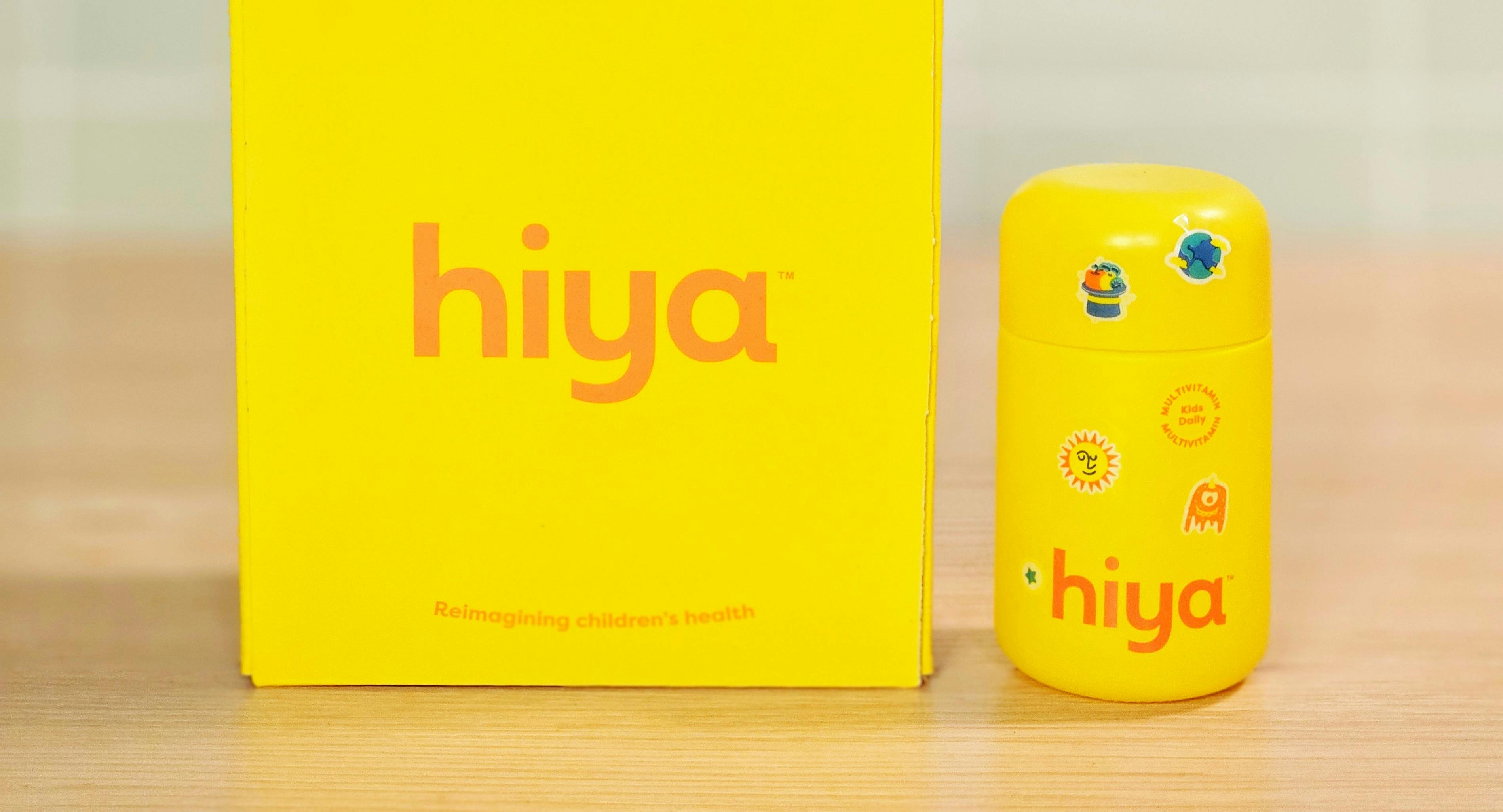
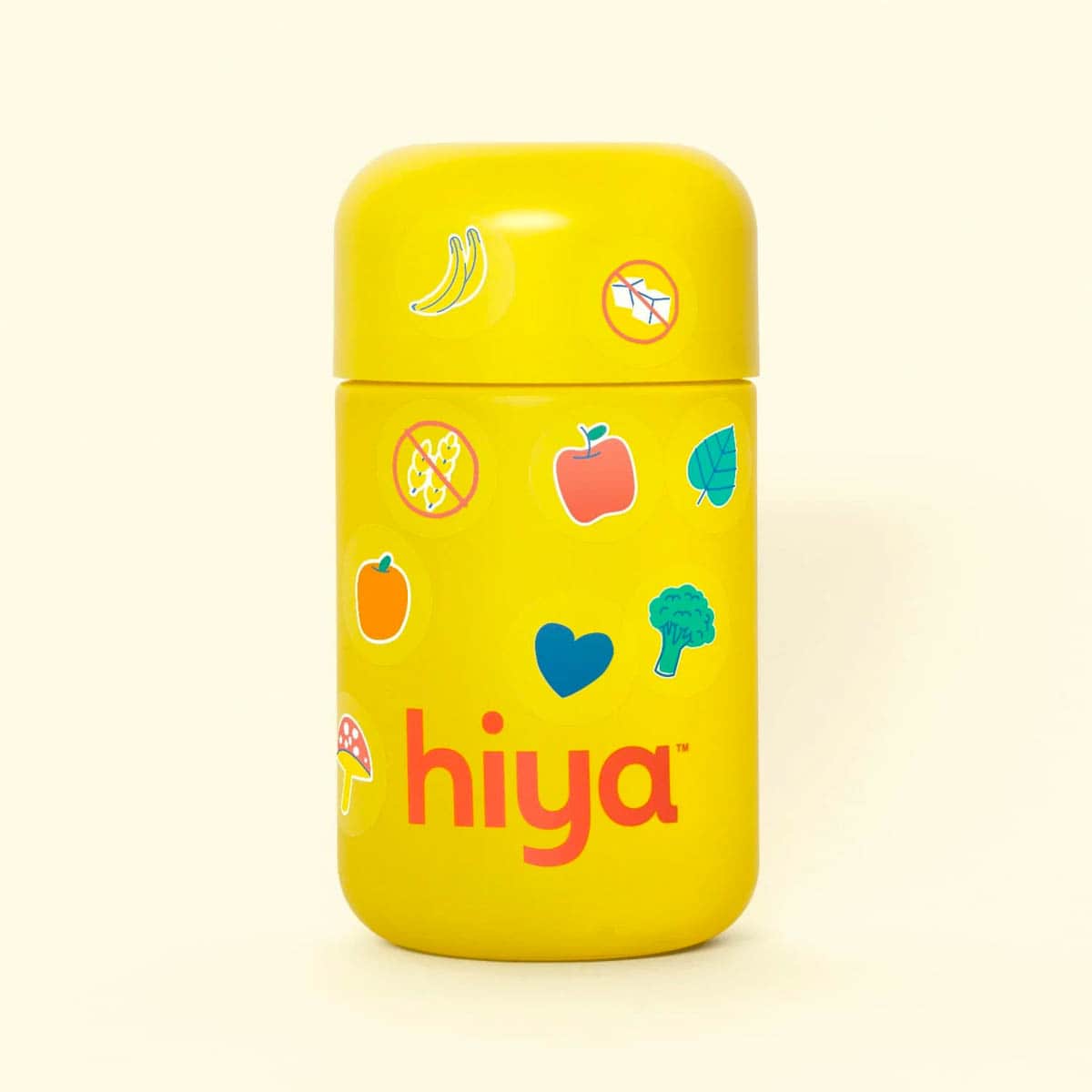
Top Recommendation: Hiya Kids Daily Multivitamin. Key Benefit: Zero added sugar and 15 essential nutrients derived from a blend of organic fruits and vegetables. Best For: Picky eaters and health-conscious parents seeking a clean, sustainable alternative to traditional gummy vitamins.
When selecting the best kids multivitamins, many parents prioritize sugar-free and clean label options to avoid synthetic dyes and excessive glucose. Traditional gummy vitamins often contain significant amounts of sugar, which can impact dental health and overall wellness. Clean alternatives use natural sweeteners like monk fruit and mannitol to provide essential nutrients without the fillers or artificial additives found in standard supplements.
The Sugar Trap: Why Traditional Gummy Vitamins Fail
Walk down any supplement aisle and you will see shelves lined with brightly colored gummy vitamins. To a child, they look like candy; to a parent, they look like a solution. However, as an editor focused on micronutrient science, I find the composition of these products deeply concerning. Most traditional gummy vitamins are formulated with 2 to 5 grams of sugar per serving. While that may seem small, it often includes glucose syrup and cane sugar, which are effectively the primary ingredients.
This creates a "sugar trap" where parents unknowingly contribute to dental decay and glucose spikes in an effort to improve their child's health. Furthermore, gummies often lack essential minerals—like iron—because the metallic taste is difficult to mask without even more sugar. Hiya takes a different approach by using a blend of monk fruit and mannitol. These are natural sweeteners that do not contribute to tooth decay, making them a superior choice for sugar free kids vitamins.
The transition from a sticky gummy to a chewable vitamins for children format also improves nutrient stability. Many vitamins are sensitive to the heat and moisture required to manufacture gummy bears, leading to degradation before the bottle is even opened. When comparing hiya vitamins vs traditional gummy vitamins, the stability and clean ingredient profile of a dry-pressed chewable consistently win out.
| Feature | Standard Gummy Vitamin | Hiya Kids Daily Multivitamin |
|---|---|---|
| Sugar Content | 2-5g per serving | 0g (Sugar-Free) |
| Sweeteners | Glucose syrup, cane sugar | Monk fruit, Mannitol |
| Synthetic Dyes | Red #40, Blue #1, Yellow #6 | None (Natural fruit/veg colors) |
| Nutrient Count | Often 7-10 vitamins | 15 essential vitamins & minerals |
| Eco-Impact | Single-use plastic bottles | Refillable glass bottle |
Deep Dive into Hiya: 15 Essential Nutrients for Growth
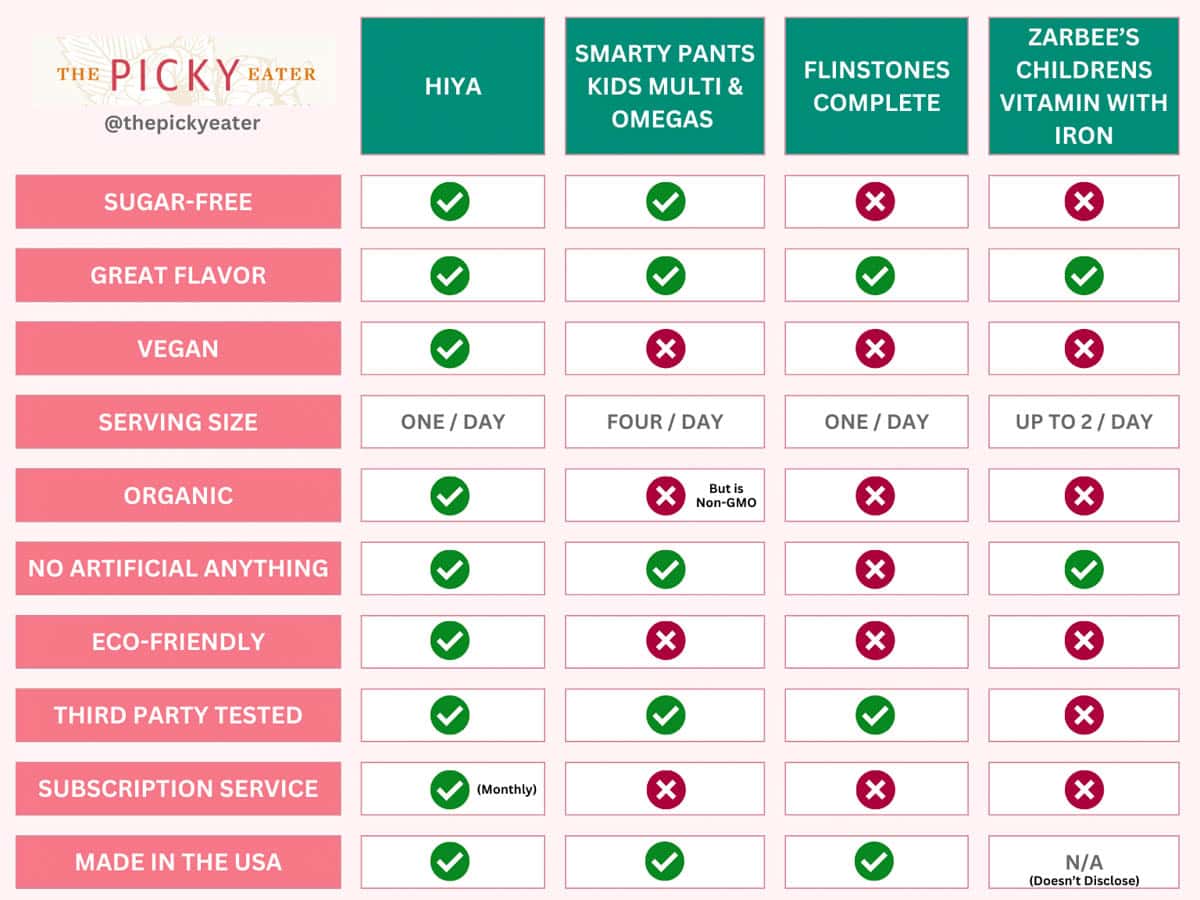
A high-quality multivitamin should do more than just provide a token amount of Vitamin C. Hiya is formulated with 15 essential vitamins and minerals and a blend of 12 organic fruits and vegetables, containing zero grams of added sugar. This formula is specifically designed to fill the most common nutritional gaps in kids diet, such as Vitamin D, B12, and Zinc.
For younger children, the density of these nutrients is particularly impressive. For children aged two to three, Hiya's multivitamin provides 100% or more of the recommended Daily Value for 11 essential nutrients, including Vitamin A, Vitamin C, and Zinc. This ensures that even during a "beige food" phase, a child's basic biological requirements are met.
Key components of the Hiya formula include:
- Vitamin D3: Crucial for bone density and immune system support. Many children are deficient, especially in northern climates.
- Vitamin B12: Essential for cognitive development and energy metabolism. Hiya uses a bioavailable form that is easily absorbed.
- Zinc: A powerhouse for immune health and cellular repair.
- Organic Fruit and Veggie Blend: Includes kale, broccoli, spinach, apple, and blueberry to provide a broader spectrum of phytonutrients.
By focusing on bioavailability and clean label children's vitamins without synthetic dyes, Hiya ensures that the body can actually utilize the nutrients provided. It is a plant based vegan multivitamins for kids that adheres to modern Recommended Dietary Allowance guidelines without the use of gelatin or animal byproducts.
Expert Safety Tip: While multivitamins are helpful, always store them out of reach of children. Even sugar free chewable multivitamins for toddlers can be dangerous if consumed in large quantities, particularly if they contain fat-soluble vitamins like A and D which can build up in the body.
Safety and Sustainability: Refillable Glass & Clean Labels
In the world of supplements, "clean label" isn't just a marketing term; it is a commitment to purity. Hiya emphasizes third-party testing to ensure their products are free from heavy metals, allergens, and contaminants. This level of transparency is what the American Academy of Pediatrics suggests parents look for when navigating the unregulated supplement market.
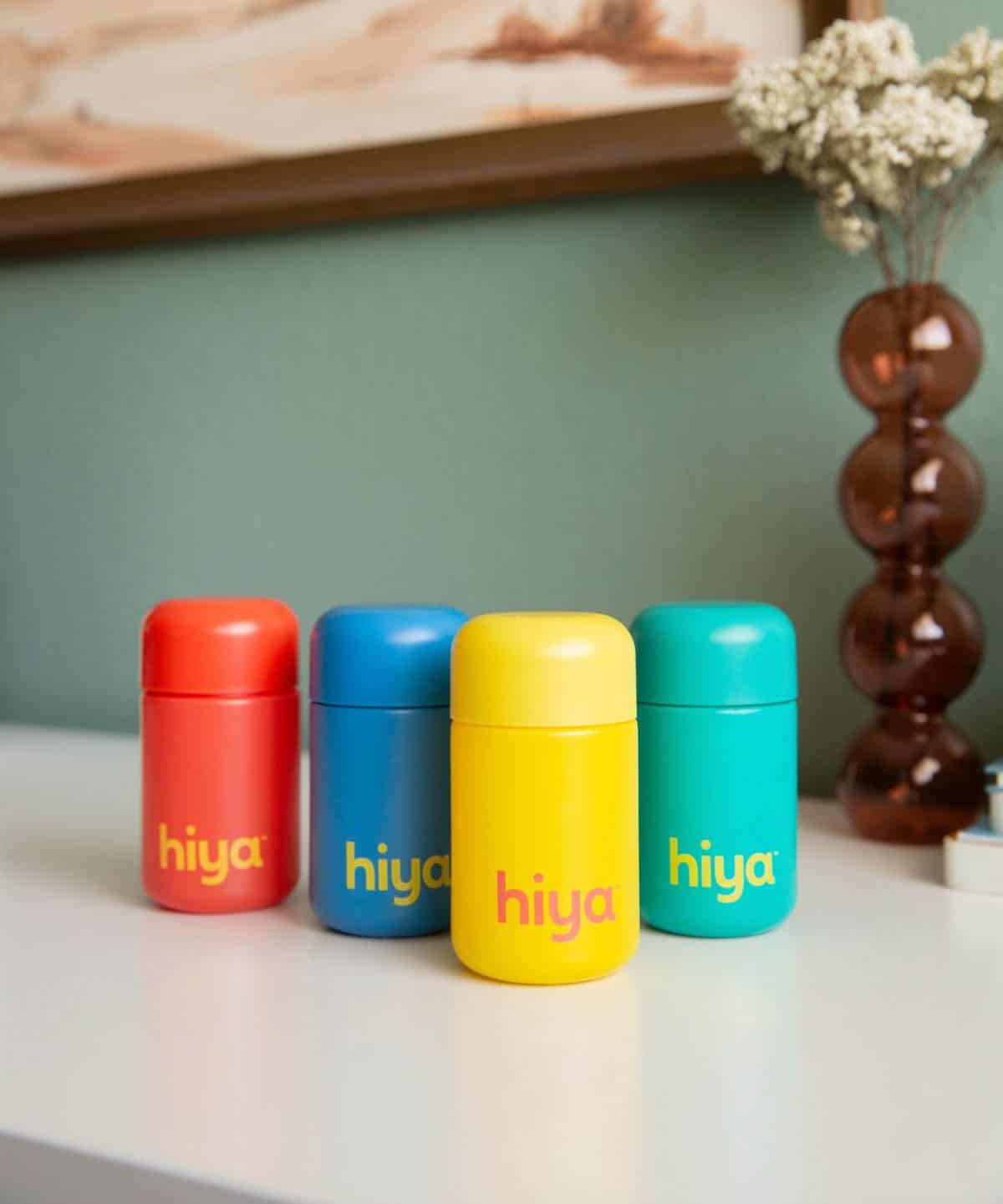
Sustainability is another area where Hiya disrupts the industry. Traditional vitamin brands rely on single-use plastic bottles that end up in landfills every 30 days. Hiya uses an eco friendly refillable kids multivitamin subscription model. Your first order arrives in a reusable glass bottle, and subsequent months arrive in plastic-free pouches. This zero-waste packaging approach reduces the carbon footprint of your child's daily health routine significantly.
Who is Hiya Best For? Picky Eaters and Toddlers
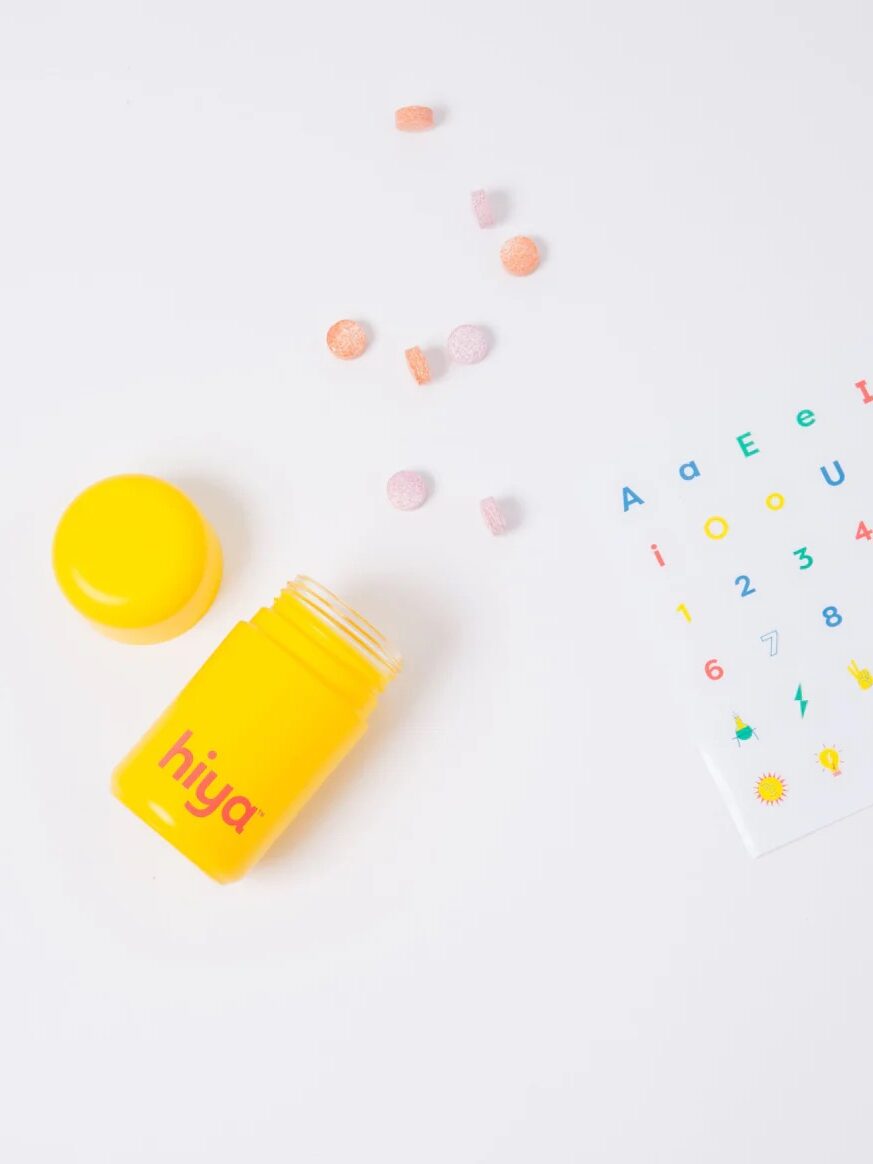
If you have a child who refuses anything green, Hiya is often the best vitamins for picky eaters kids. The flavor is described as a "sweet-tart" blend, which appeals to children accustomed to candy but without the lingering sugar film on their teeth. Because it is a chewable, it avoids the sticky texture that many children with sensory sensitivities dislike.
The dosing is straightforward: one tablet per day. For toddlers aged 2-3, it provides a robust nutrient floor, while for children 4 and older, it serves as a reliable insurance policy against a modern diet. The brand has built significant trust within the parenting community, maintaining a customer satisfaction rating of 4.5 out of 5 stars based on over 2,000 reviews on Trustpilot as of early 2026.
FAQ
Do kids really need to take a multivitamin?
While a perfectly balanced diet is the ideal source of nutrition, many children go through phases of picky eating or have dietary restrictions that create micronutrient deficiencies. In these cases, a multivitamin serves as a nutritional safety net to ensure they meet their Recommended Dietary Allowance for growth and development.
What should I look for when choosing a kids' multivitamin?
Look for products that are sugar-free, free from synthetic dyes and fillers, and have undergone third-party testing for purity. It is also important to choose a formula that aligns with modern nutritional standards rather than one packed with 2000% of the daily value of vitamins that the body simply excretes.
Are gummy vitamins as effective as tablets?
Gummy vitamins are often less stable because the manufacturing process involves heat and moisture, which can degrade certain vitamins. Additionally, they frequently exclude essential minerals like iron and calcium because these minerals affect the taste and texture of the gummy. High-quality chewable tablets are generally more nutrient-dense and stable.
Should I choose sugar-free vitamins for my kids?
Yes. Many children's vitamins contain as much sugar as a gummy worm. Choosing sugar-free options helps protect dental health and prevents unnecessary glucose spikes, ensuring that the "health supplement" isn't counteracting its own benefits with inflammatory sugars.
How do I know if my child is vitamin deficient?
Deficiencies can manifest as fatigue, frequent illness, poor concentration, or skin issues. However, the only way to be certain is through a blood test and consultation with a pediatrician. Many parents choose a clean label kids vitamins brand like Hiya as a proactive measure to prevent gaps before they become symptomatic.
Can a child get too many vitamins from a supplement?
Yes, particularly with fat-soluble vitamins like A, D, E, and K, which are stored in the body's fat tissues. It is vital to follow the dosage instructions on the label and ensure the multivitamin does not provide excessive amounts that exceed the Tolerable Upper Intake Levels for your child's age group.