Quick Facts
- Prevalence: Approximately 45% of Americans are estimated to be magnesium deficient.
- Intake Gap: Roughly 60% of adults do not meet the recommended average dietary intake of 320 to 420 mg per day.
- Top Goal: Focus on elemental magnesium content, not just total pill weight.
- Quality Standard: Look for NSF, USP, or Informed Sport certifications.
- Bioavailability Pick: Magnesium Glycinate for sleep; Citrate for digestion.
- Safety Limit: The supplemental upper intake level is generally 350mg daily.
- Key Point: To find high-quality magnesium supplements, prioritize products with third-party certifications like USP or NSF to ensure purity. Look for chelated forms like magnesium glycinate for superior bioavailability and gastrointestinal tolerance.
To find the best magnesium supplements in 2026, you must look beyond the front of the bottle and examine the specific chemical form and third-party verification. High-quality options prioritize magnesium supplement bioavailability by using organic salts or chelated minerals that the body can actually absorb. By focusing on elemental magnesium and ensuring the product is USP Verified or NSF certified, you can avoid the common pitfalls of low-quality fillers and poor absorption rates that plague many retail brands.
Understanding Magnesium Supplement Bioavailability
When you walk down the supplement aisle, every bottle claims to be the best. However, the micronutrient science tells a different story. The effectiveness of a supplement is almost entirely dependent on its form. In my years as an editor, I have seen many consumers buy a massive bottle of magnesium oxide because it is inexpensive, only to realize later that they are not getting the benefits they expected.
The bioavailability of magnesium supplements depends heavily on their chemical form. Research shows that magnesium oxide has an absorption rate of only about 4% compared to significantly higher rates for organic forms. This means that if you take 500mg of magnesium oxide, only about 20mg might actually reach your bloodstream. The rest stays in your intestines, where it often causes a laxative effect. For those dealing with clinical hypomagnesemia, this low absorption rate is a major hurdle.
To maximize magnesium supplement bioavailability, you should look for chelated minerals. Chelation is a process where magnesium is bound to an organic molecule, like an amino acid or an organic salt. This helps the mineral pass through the intestinal wall more efficiently. Common bioavailable compounds include magnesium citrate, magnesium glycinate, and magnesium malate. These forms are much more likely to improve your mineral status without causing the digestive upset associated with inorganic salts.

The Great Debate: Magnesium Glycinate vs Citrate
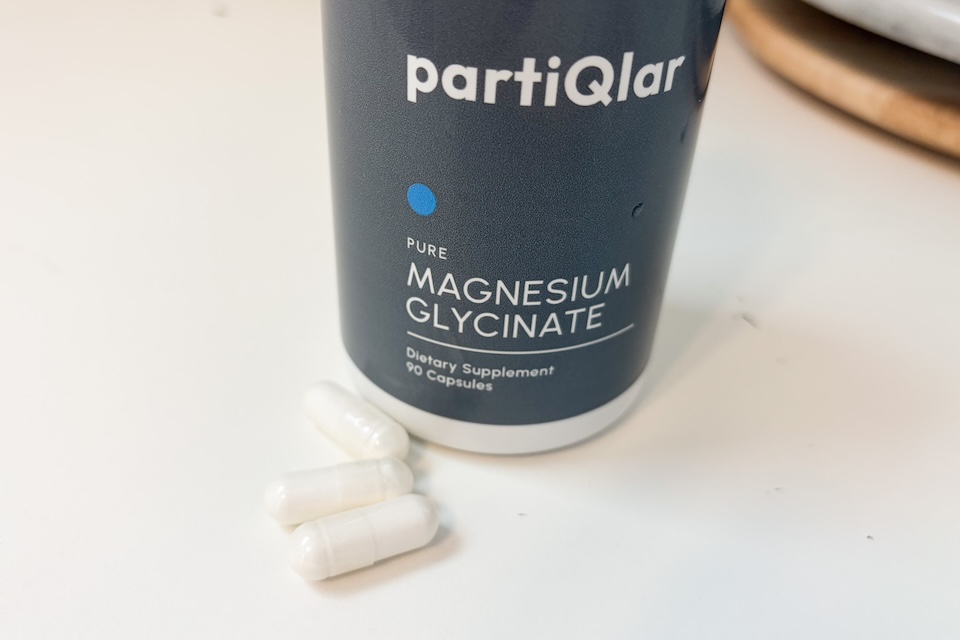
Choosing between magnesium glycinate vs citrate for absorption and specific health benefits is the most common question I receive. Both are far superior to oxide, but they serve different purposes. Magnesium glycinate is a chelated form where the mineral is bound to glycine, an amino acid known for its calming properties. This makes it arguably the best magnesium supplement for sleep and muscle relaxation. Because the glycine bond is so stable, it is incredibly gentle on the digestive tract, offering high gastrointestinal tolerance even at higher doses.
On the other hand, magnesium citrate is an organic salt that is also very well absorbed. However, it has a natural osmotic effect, meaning it pulls water into the intestines. This makes it the preferred choice for people looking to support digestive regularity or address occasional constipation. If your goal is strictly to raise your systemic magnesium levels and you have a sturdy stomach, citrate is an affordable and effective option.
| Feature | Magnesium Glycinate | Magnesium Citrate |
|---|---|---|
| Primary Use | Sleep, Anxiety, Relaxation | Digestion, Regularity |
| Absorption Rate | Very High | High |
| Digestive Impact | Very Gentle | Mild Laxative Effect |
| Best Time to Take | Evening | Anytime |
When we look at magnesium glycinate vs citrate, the "best" choice is the one that aligns with your lifestyle. If you are prone to loose stools, stay far away from citrate and stick with glycinate. If you find yourself struggling with sluggish digestion, citrate might provide a two-for-one benefit.
How to Find Third Party Tested Magnesium
The supplement industry is often described as the "Wild West," but you can find safety by looking for specific seals of approval. Identifying clean label magnesium supplements without fillers starts with third-party testing. Because the FDA does not approve supplements for safety and efficacy before they hit the market, independent labs fill that gap.
To find third party tested magnesium supplements, look for the USP Verified, NSF, or Informed Sport marks on the label. These organizations verify that what is on the label is actually in the bottle and that the product is free from harmful levels of contaminants. Specifically, heavy metal testing is crucial for minerals like magnesium, which can sometimes be contaminated with lead or arsenic during the mining or manufacturing process.
A truly high-quality brand will also provide a Certificate of Analysis upon request. This document is the laboratory "report card" for that specific batch of supplements. It confirms that the product has been tested for purity and potency. If you are an athlete, looking for the Informed Sport seal is non-negotiable, as it ensures the product is free from banned substances.
For those interested in cognitive health, you might see Magnesium L-threonate. This is a newer form of magnesium that has shown promise in crossing the blood-brain barrier. While it is often more expensive, it is a high-value option for those prioritizing neurological benefits. Regardless of the form, always check for "other ingredients." A clean label should have minimal binders and should ideally be free of artificial colors or unnecessary stearates. While a small amount of flow agents like magnesium stearate is common and generally safe, a high-quality brand keeps these to a minimum to ensure the focus remains on the bone mineral density and nervous system support you are paying for.

Getting Started: Dosage and Safety Protocols
Once you have identified the best magnesium supplements for your needs, the next step is implementation. The Recommended Dietary Allowance for magnesium is generally 400-420mg for men and 310-320mg for women. However, it is important to distinguish between total magnesium and supplemental magnesium. The official upper limit for supplemental magnesium is set at 350mg for most adults to prevent diarrhea.
When reading a label, ignore the "total milligrams" of the compound (e.g., 2,000mg of magnesium bisglycinate) and look specifically for the elemental magnesium weight. This is the actual amount of the mineral being delivered to your body. For example, a capsule might weigh 1,000mg but only provide 120mg of elemental magnesium. Knowing this distinction is one of the key signs of high quality magnesium bisglycinate products; they are transparent about these numbers.
Timing also matters. If you are taking magnesium for sleep, taking it about 30 to 60 minutes before bed is ideal. If you are taking it for general health or bone mineral density, you can split your doses throughout the day to further improve absorption. Always take your magnesium with a small amount of food to reduce the risk of stomach upset.
Safety is paramount. While magnesium is safe for most people, those with kidney issues must be extremely cautious, as the kidneys are responsible for clearing excess magnesium from the body. Always consult with a healthcare professional before starting a new regimen, especially if you are taking medications for blood pressure or antibiotics, as magnesium can interfere with their absorption. High-quality manufacturers follow Good Manufacturing Practices to ensure consistency, but your personal health history is the ultimate guide.

FAQ
What is the best form of magnesium to take?
The best form depends on your health goal, but generally, magnesium glycinate and magnesium citrate are the most recommended due to their high magnesium supplement bioavailability. Glycinate is best for those with sensitive stomachs or those seeking relaxation, while citrate is effective for those needing digestive support.
Which type of magnesium is best for sleep and anxiety?
Magnesium glycinate is widely considered the best magnesium supplement for sleep and muscle relaxation. The magnesium is bound to glycine, an amino acid that has calming effects on the brain and helps the body transition into a restful state.
What is the difference between magnesium glycinate and magnesium citrate?
The main difference is the molecule the magnesium is attached to. Magnesium glycinate is bound to an amino acid, making it highly absorbable and very gentle on the stomach. Magnesium citrate is bound to citric acid; it is also well-absorbed but has a mild laxative effect, making it better for digestive regularity.
Are there any side effects to taking magnesium?
The most common side effect is digestive upset or diarrhea, particularly if you take inorganic forms like magnesium oxide or take too much at once. Choosing chelated minerals and staying under the 350mg supplemental limit can usually prevent these issues.
Is it safe to take magnesium supplements every day?
For most healthy adults, taking a daily magnesium supplement within the Recommended Dietary Allowance is considered safe and often beneficial given the high rates of deficiency. However, individuals with kidney disease should consult a doctor first, as their bodies may struggle to process excess magnesium.
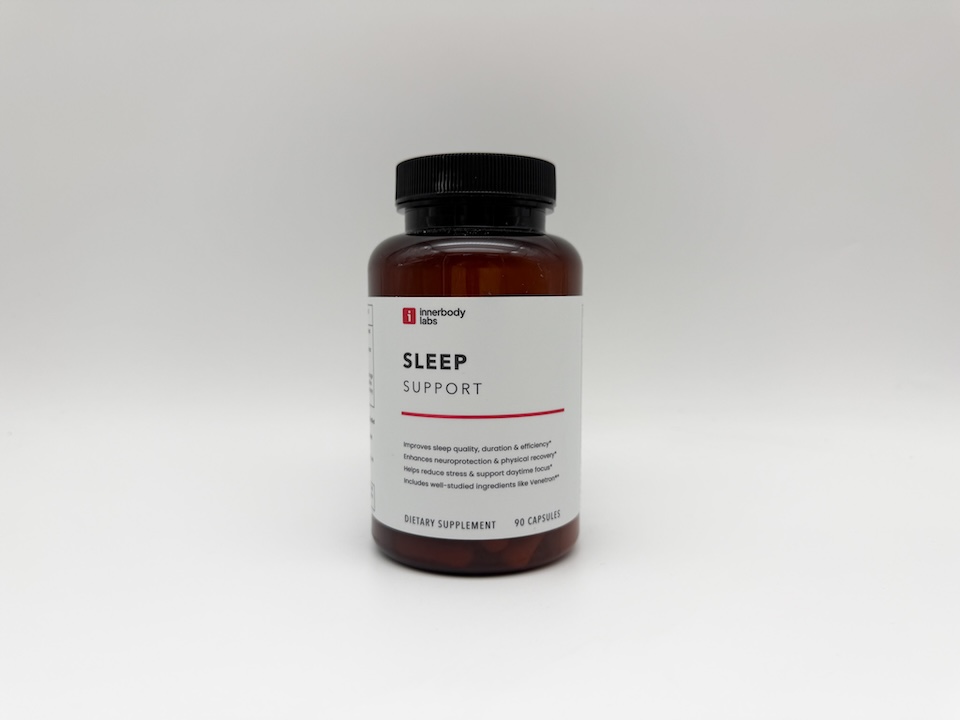
By prioritizing elemental magnesium and looking for best magnesium brands with NSF or Informed Sport certification, you can ensure your supplement routine is backed by science rather than marketing. Remember to look for that Certificate of Analysis and choose a form that matches your unique physiological needs. Proper supplementation isn't just about filling a gap; it's about giving your body the high-quality tools it needs to function at its best.