Quick Facts
- Top Precision: Abbott FreeStyle Libre 3 Plus leads the market with a 7.8% MARD score.
- Best for Type 2 Diabetes: Dexcom Stelo is the first FDA-cleared biosensor for non-insulin-dependent users.
- Best Value: Abbott Lingo offers accessible metabolic health tracking at approximately $49 per sensor.
- Wear Time: Most leading sensors offer a duration of 14 to 15 days per application.
- Key Integrations: Native support for Apple Health, Oura Ring, and Google Fit.
- Target Audience: Designed for 25 million adults with Type 2 diabetes not on insulin and longevity seekers.
As of 2026, the best OTC glucose monitors include the Abbott FreeStyle Libre 3 Plus and Dexcom Stelo. These non-prescription CGM devices offer real-time tracking of glycemic variability and postprandial spikes without a doctor's visit, making them the most accurate otc glucose monitors 2026 for both clinical management and proactive metabolic health optimization.
The OTC Revolution: FDA Clearances and Accessibility
For years, the biohacking community and those managing pre-diabetes were forced to navigate the hurdles of off-label prescriptions to access continuous glucose monitoring technology. That friction vanished following a series of landmark regulatory shifts. The landscape changed fundamentally when the FDA cleared the Dexcom Stelo Glucose Biosensor System on March 5, 2024, marking the first time a continuous glucose monitor became available in the United States without a medical script.
This was quickly followed by another major milestone on June 10, 2024, when the FDA expanded the over-the-counter market by clearing two additional systems from Abbott: the Lingo, designed as a biowearable for general wellness, and the Libre Rio, tailored for adults with type 2 diabetes who do not use insulin. This regulatory opening provides direct access to life-altering technology for an estimated 25 million adults in the United States living with type 2 diabetes who are not on insulin therapy.
The shift toward otc continuous glucose monitor for metabolic health represents a pivot from reactive sick-care to proactive longevity. By utilizing sophisticated biosensor technology, these wearables allow individuals to observe the immediate impact of their lifestyle choices, from a high-carb meal to a high-intensity workout. For the longevity-focused individual, this is not just about avoiding disease; it is about refining pre-diabetes management and achieving peak biological performance.
Head-to-Head: Dexcom Stelo vs. Abbott Lingo
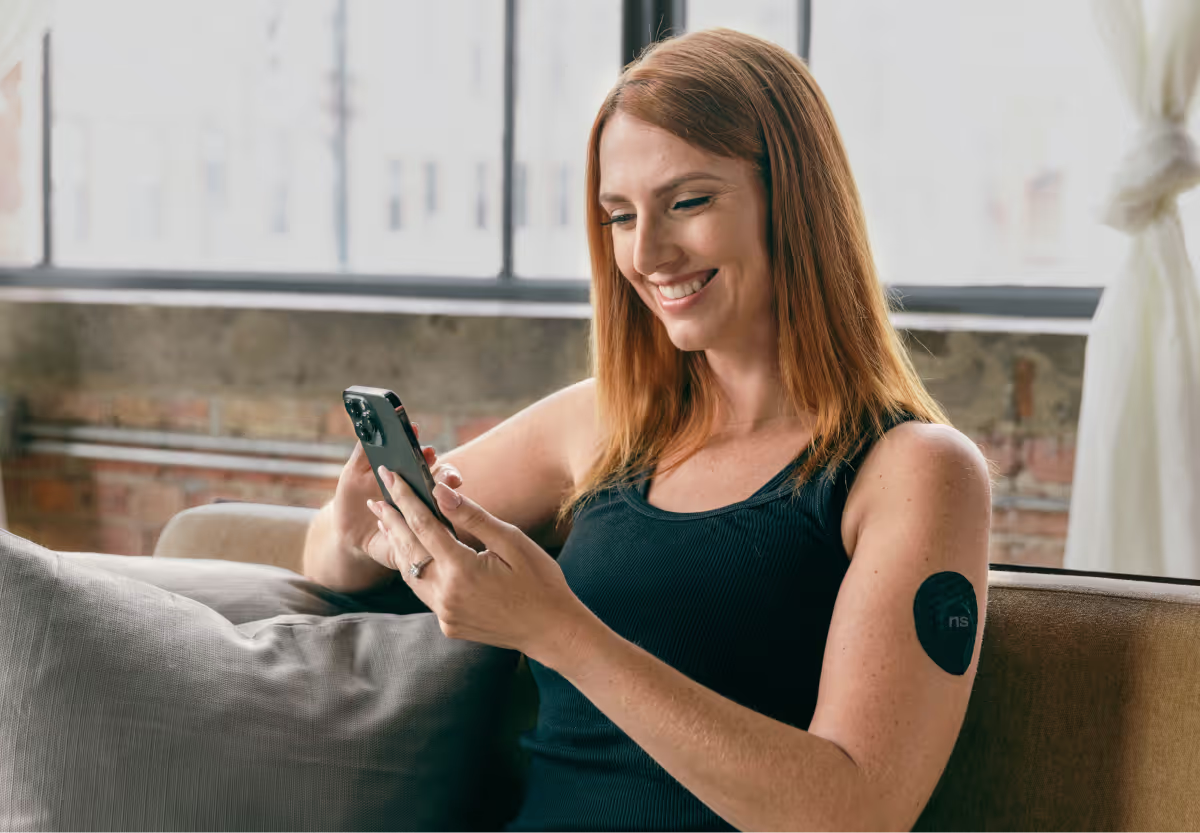
When choosing between the heavyweights of the non-prescription market, the decision often comes down to your specific health objectives. The dexcom stelo vs abbott lingo comparison highlights a divergence in user experience and data philosophy.
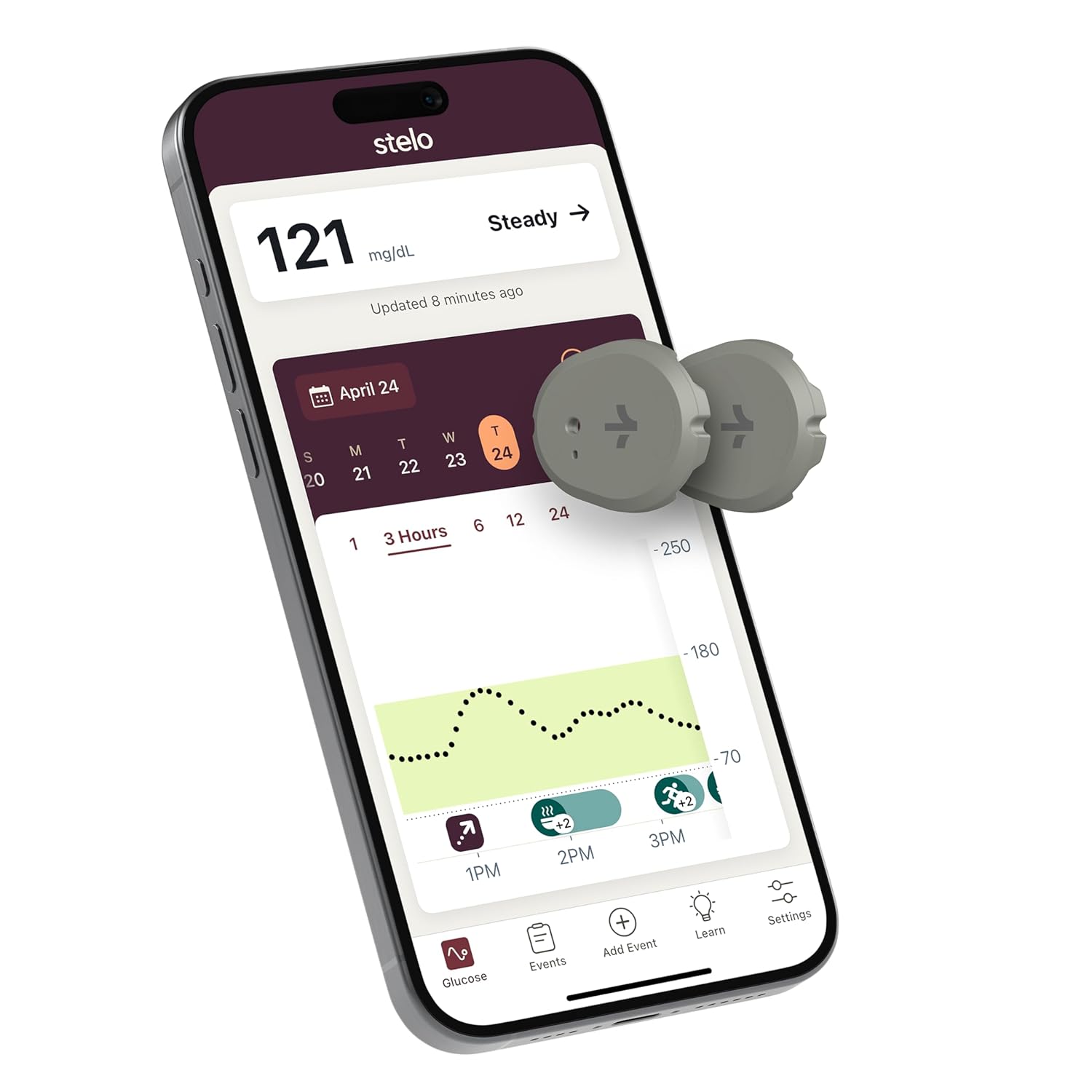
The Dexcom Stelo is a purpose-built tool for those who want a clinical edge. It offers a 15-day wear time and leverages the same high-performance hardware found in Dexcom’s prescription models. However, its software is streamlined to focus on glycemic trends rather than the urgent alarms required by insulin users. It is widely considered the best otc cgm for type 2 diabetes non-insulin because it provides the granular data needed to prevent the progression of metabolic dysfunction.
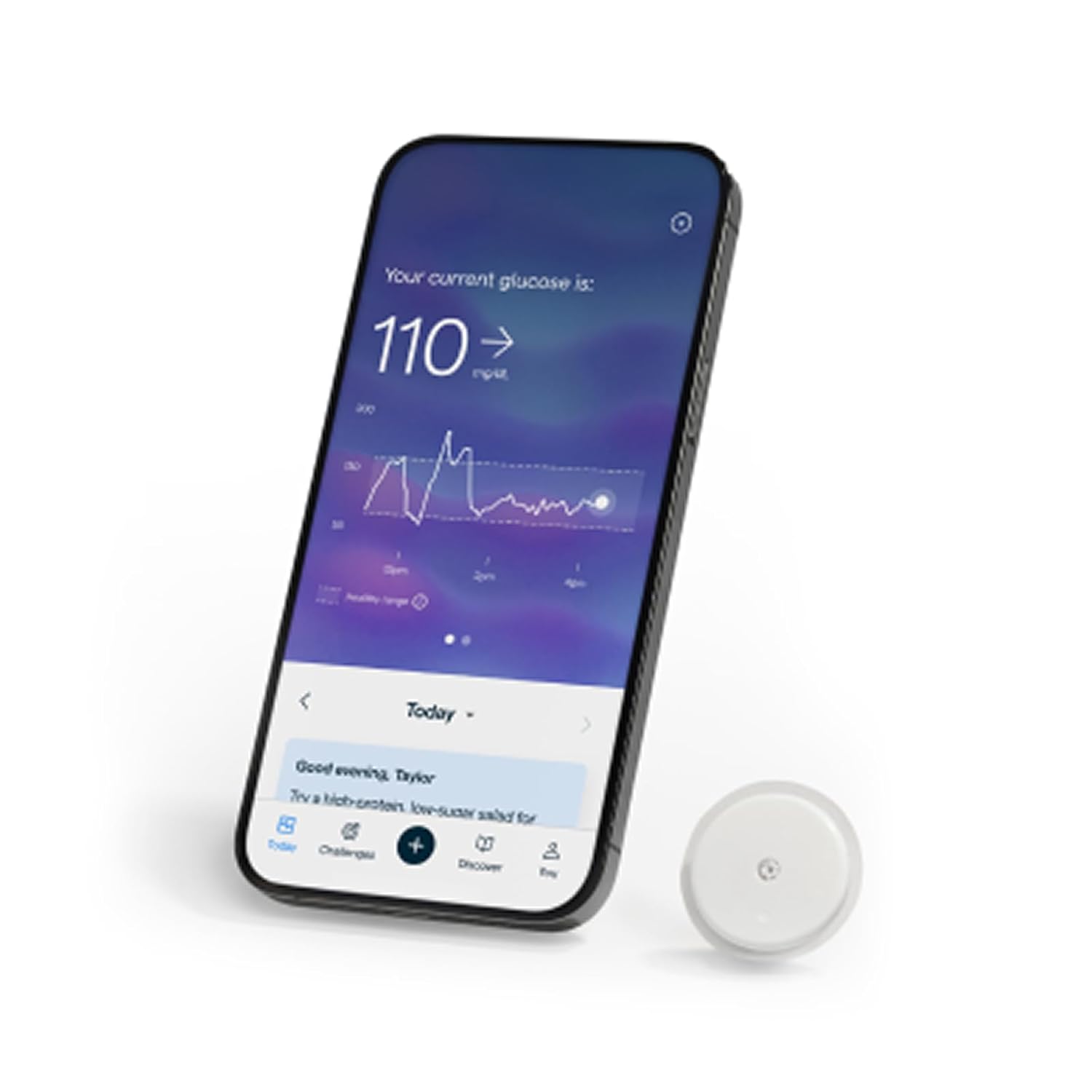
On the other hand, the Abbott Lingo is marketed as a general wellness biowearable. It features a 14-day wear time and focuses heavily on the "Lingo Count," a proprietary metric that translates complex glucose data into a simple daily score. This makes it highly effective for daily blood sugar tracking among individuals who are more interested in weight management and energy optimization than clinical diabetes management.
Comparison of Leading OTC Glucose Monitors
| Feature | Dexcom Stelo | Abbott Lingo | Libre 3 Plus |
|---|---|---|---|
| Wear Time | 15 Days | 14 Days | 15 Days |
| MARD Score | ~9.0% | ~8.2% | 7.8% |
| Primary Use | Non-insulin T2D | General Wellness | Metabolic Health / T2D |
| Calibration | Factory (No fingersticks) | Factory (No fingersticks) | Factory (No fingersticks) |
| Avg. Cost | ~$89-99 / month | ~$49 / sensor | ~$75 / sensor |
Dexcom Stelo
Pros
- First to market with a 15-day sensor life, reducing the frequency of applications.
- Robust integration with metabolic health wearables like the Oura Ring.
- Software designed specifically to highlight the impact of food and exercise on glucose levels.
The Catch
- Lacks the medical-grade urgent low-glucose alerts found in prescription Dexcom models.
- Subscription costs can add up for those tracking year-round.
Abbott Lingo
Pros
- Extremely accessible price point, making it the entry-level choice for biohacking newcomers.
- The Lingo Count system simplifies complex data for easier habit formation.
- Thin, low-profile hardware that is barely noticeable during daily blood sugar tracking.
The Catch
- Data is less clinical and more "wellness-oriented," which may frustrate power users.
- 14-day wear time is slightly shorter than the Stelo.
Accuracy and Science: Understanding MARD and Interstitial Fluid
In the world of OTC glucose monitors, accuracy is measured by the Mean Absolute Relative Difference, or MARD score. A lower MARD percentage indicates a sensor that is more closely aligned with laboratory blood tests. The FreeStyle Libre 3 Plus currently sets the benchmark with a 7.8% MARD, making it exceptionally reliable for detecting subtle postprandial spikes.
It is important for users to understand that these sensors do not measure blood directly. Instead, they use a tiny filament to sample interstitial fluid—the fluid surrounding your cells. While there is a slight "lag" (usually 5 to 15 minutes) between blood glucose levels and interstitial fluid readings, this biosensor technology is more than sufficient for tracking trends and metabolic flexibility.
By observing how your body recovers from a spike, you can determine your level of insulin sensitivity. A body with high metabolic flexibility will see glucose levels return to baseline quickly after a meal, whereas a sluggish metabolism will show prolonged periods of elevated sugar, often leading to systemic inflammation and accelerated aging.
Ecosystem Integration: Apple Health, Oura, and Beyond
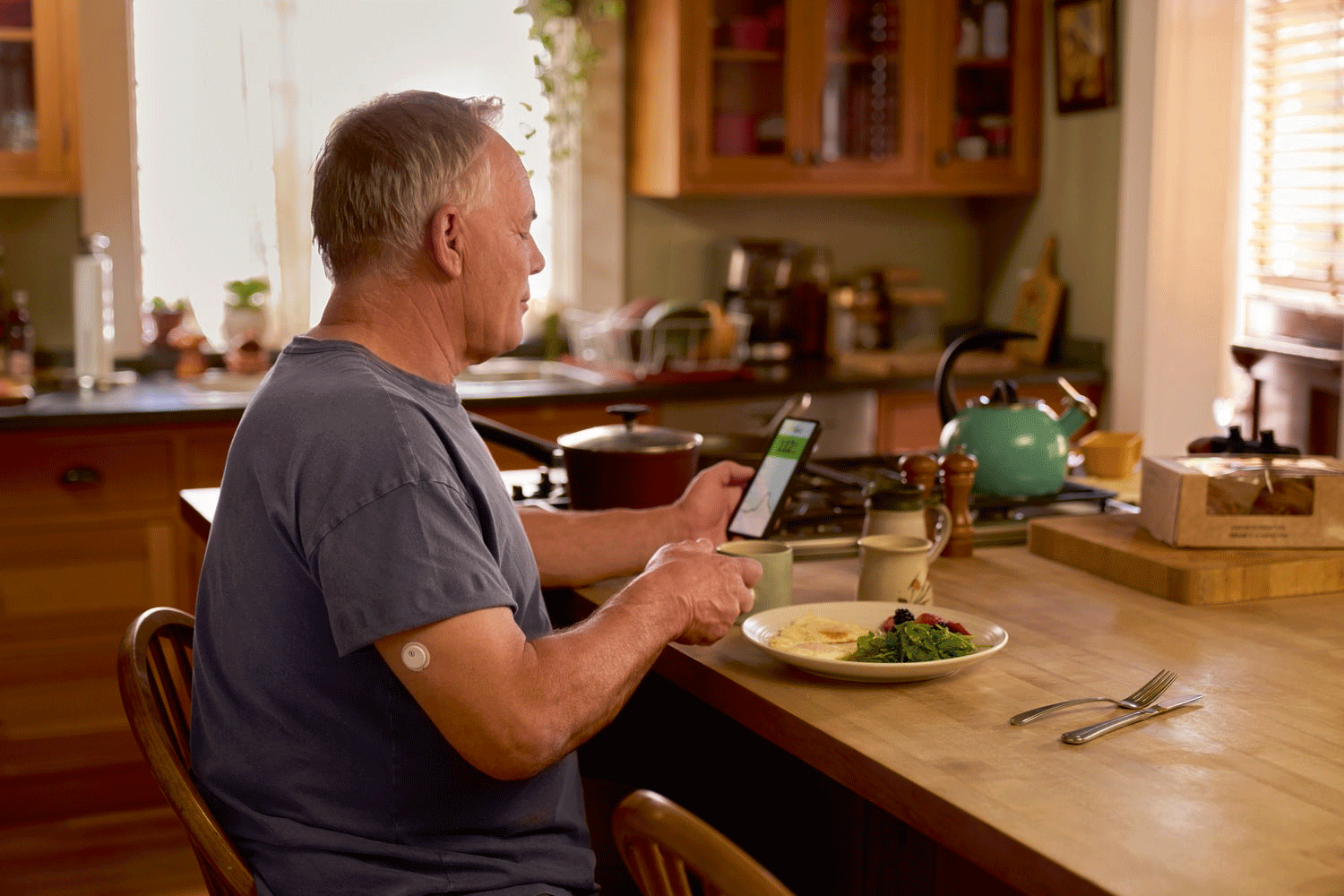
The true power of modern metabolic health wearables lies in their ability to communicate with the rest of your health stack. The otc cgm with apple health and oura ring integration allows for a multi-dimensional view of your biology. For instance, when you sync Dexcom Stelo data with an Oura Ring, you can see how a late-night meal affects your heart rate variability (HRV) and sleep quality the following night.
This level of real-time biofeedback is the holy grail of biohacking. Instead of guessing why you feel fatigued in the afternoon, you can look at your dashboard and see a clear correlation between your lunch choice and a subsequent glucose crash. Consolidating this data into Apple Health or Google Fit provides a centralized "command center" for your longevity protocols, allowing you to track how supplements like berberine or NMN influence your glycemic variability over months.
The Catch: Costs and Clinical Limitations
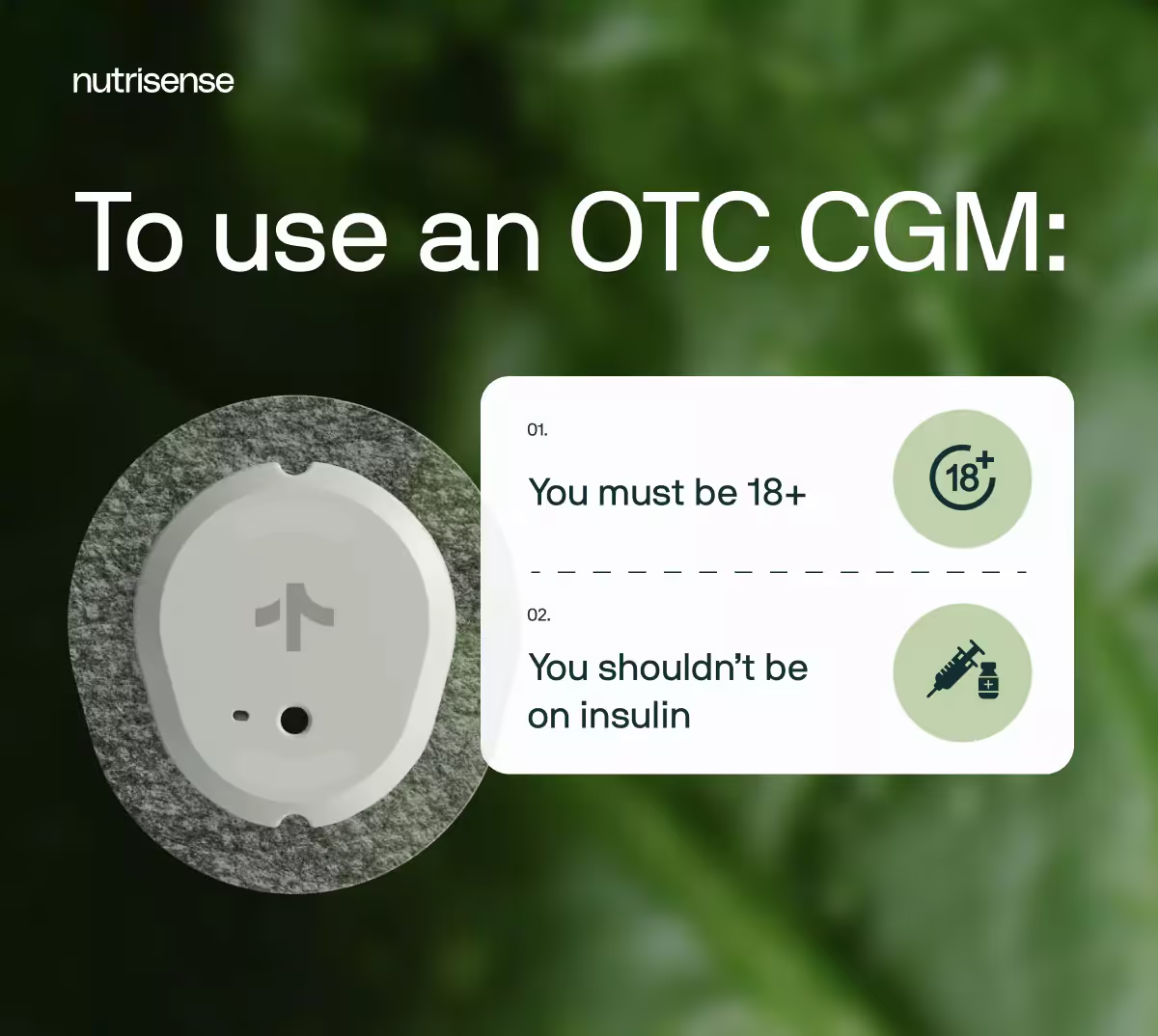
While the accessibility of OTC glucose monitors is a triumph for public health, there are significant caveats. The most critical "catch" is that these devices are not designed for insulin-dependent diabetics. Because they lack medical-grade alarms for hypoglycemia (dangerously low blood sugar), relying on them for life-saving decisions is prohibited.
Furthermore, the cost of over the counter glucose monitors without insurance remains a barrier for some. While prescription CGMs may be covered by insurance for those with medical necessity, OTC versions are almost exclusively out-of-pocket expenses.
Total Cost of Ownership (2026 Estimate)
- Monthly Expense: $98 – $155
- Annual Investment: $1,176 – $1,860
- Pro Tip: Many users find that wearing a sensor for "sprints" (two weeks every quarter) provides 80% of the benefit at 25% of the cost.
FAQ
Can you buy a glucose monitor without a prescription?
Yes, as of 2024, the FDA has cleared several continuous glucose monitors for over-the-counter sale. Devices like the Dexcom Stelo and Abbott Lingo can be purchased directly from manufacturers or authorized retailers without a doctor's prescription.
Are there over-the-counter continuous glucose monitors?
There are now multiple options for over-the-counter continuous glucose monitors, including the Dexcom Stelo, Abbott Lingo, and Libre Rio. These devices use a small wearable sensor to provide constant data to a smartphone app, eliminating the need for traditional fingersticks.
How accurate are over-the-counter glucose monitors?
Over-the-counter models are highly accurate, with MARD scores typically ranging between 7.8% and 9.5%. While they are excellent for tracking trends and metabolic health, users should be aware of the slight lag time inherent in measuring interstitial fluid rather than blood.
How much does an OTC glucose monitor cost?
The cost generally ranges from $49 to $89 per sensor. Since most sensors last 14 to 15 days, a monthly supply typically costs between $98 and $180. These are usually not covered by health insurance.
What is the difference between prescription and OTC glucose monitors?
The primary difference lies in the safety features and target audience. Prescription models include urgent real-time alerts for hypoglycemia and are intended for insulin-dependent diabetics. OTC models are designed for non-insulin users and focus more on lifestyle insights and metabolic trends.
Final Verdict: Choosing Your Bio-Sensor
The shift toward fingerstick-free monitoring is perhaps the most significant advancement in personal health technology this decade. If your goal is to manage Type 2 diabetes without insulin, the Dexcom Stelo offers the most robust clinical pedigree. If you are an athlete or longevity enthusiast looking for the most accurate otc glucose monitors 2026 to fine-tune your diet, the Abbott FreeStyle Libre 3 Plus remains the gold standard for precision.
Regardless of which device you choose, the data provided by these non-prescription CGM devices is a powerful mirror. It reflects the reality of your metabolic health, allowing you to make the micro-adjustments necessary to extend your healthspan and optimize your biological age.