Quick Facts
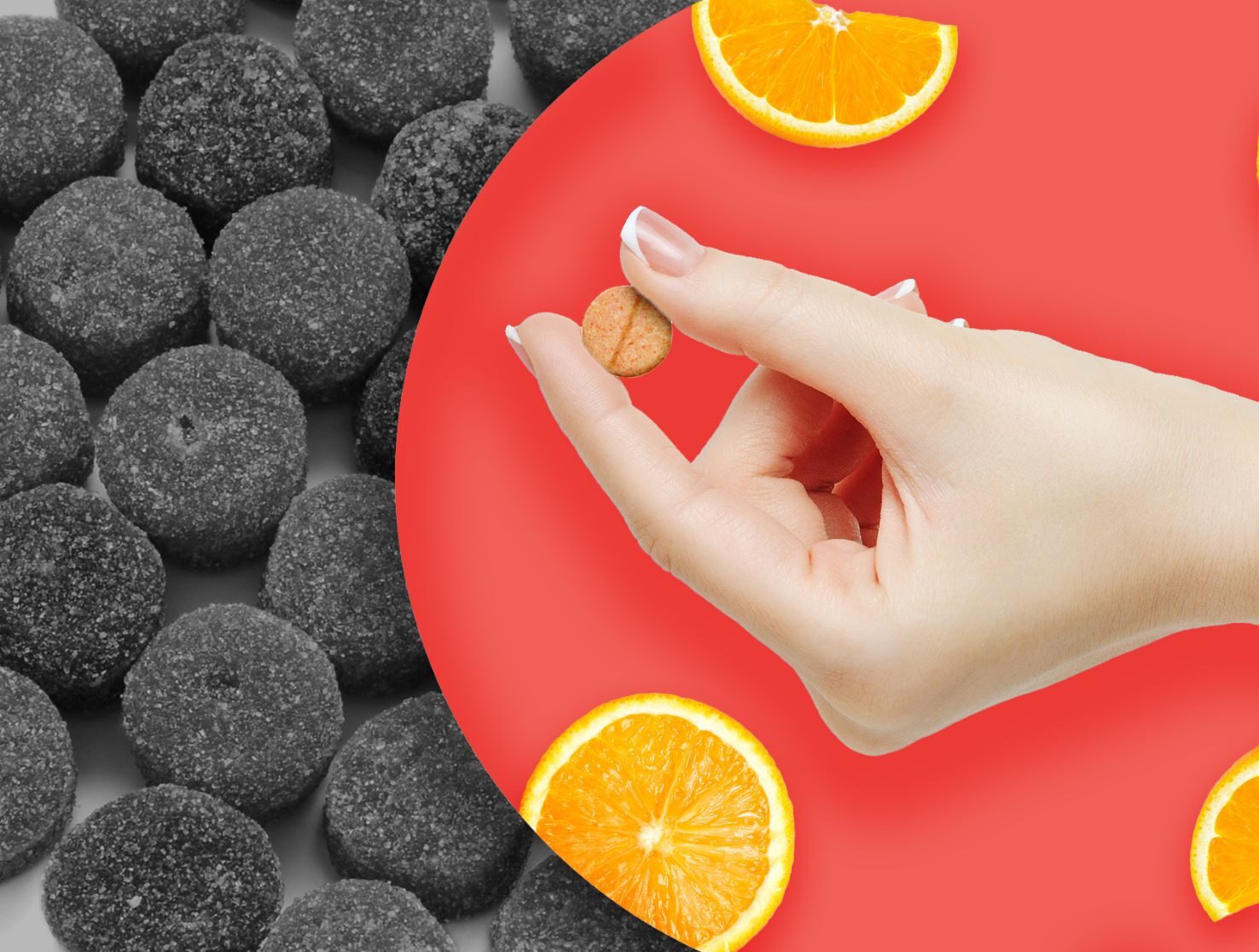
- Top Alternative: Zero-sugar chewable vitamins, such as Hiya, which are pressed instead of molded with gelatin.
- The Sugar Trap: Standard children's vitamins can contain as much sugar as an Oreo cookie, often reaching 5 grams per serving.
- Dental Impact: Sticky gummy vitamins are linked to a twenty-five percent higher rate of tooth decay compared to traditional formats.
- Purity Standard: High-quality alternatives prioritize Third-party purity testing and certifications like the Clean Label Project.
- Metabolic Health: Avoiding high-fructose corn syrup in supplements helps maintain stable blood glucose and prevents early metabolic stress.
- Best for Picky Eaters: Nutrient-dense powders or melt-in-the-mouth tablets offer a sensory-friendly experience without the "gummy junk."
Traditional gummy vitamins are often just candy in disguise, containing up to 5g of sugar. Parents are now searching for the best sugar free kids vitamins that offer real nutrition without the cavities. Pediatrician-formulated chewables have emerged as the top clean label children's vitamins, providing essential micronutrients using natural sweeteners like monk fruit instead of high-fructose corn syrup.
The Gummy Trap: Why Traditional Vitamins Are 'Candy in Disguise'
For decades, the supplement industry has relied on a 1980s manufacturing standard: if a child won't take it, make it taste like a gumdrop. While this solved the compliance problem, it created a metabolic one. Standard children's gummy vitamins typically contain between two and eight grams of added sugar per serving. When you consider that the American Heart Association recommends a daily limit of just twenty-five grams for children, a single serving of vitamins can represent nearly twenty percent of their total daily sugar allowance.
The problem isn't just the calories; it's the delivery mechanism. Most gummies use gelatin and glucose syrup to achieve that signature chew. This combination creates a sticky film that adheres to dental enamel, providing a feast for cavity-causing bacteria. Because of this, many dentists consider these vitamins one of the primary healthy alternatives to gummy vitamins traps in modern diets. Selecting non-sticky children's vitamins for cavity prevention is no longer just a niche preference; it is a clinical recommendation for pediatric oral health.
Furthermore, the sugar in these products can cause rapid spikes in blood glucose, followed by the inevitable crash. For a developing child, these fluctuations in metabolic health can impact mood, focus, and energy levels. By opting for sugar free kids vitamins, parents remove the unnecessary sugar while ensuring that the focus remains entirely on the micronutrient science.
How Dads Reimagined the Multivitamin: The Clean Label Standard
The shift toward better children’s nutrition didn’t start in a corporate boardroom; it started in the kitchens of health-conscious parents. Several leading brands were founded by dads who were shocked to find that their children’s daily vitamins were essentially corn syrup and food dye. This realization led to the rise of pediatrician formulated vitamins for modern childhood diets, which prioritize nutrient density over confectionery appeal.
These modern brands have moved toward a clean label standard. This means moving beyond just being sugar-free; it involves a rigorous look at how vitamins are sourced and manufactured. For example, instead of using synthetic folic acid, high-quality formulations use Bioavailability focused ingredients like Methylated folate. This is the active form of B9 that the body can use immediately, which is particularly important for children with specific genetic variations.
A clean label multivitamin also avoids synthetic preservatives and artificial dyes like Red 40 or Yellow 6, which have been under scrutiny for their potential impact on childhood behavior. Instead, these pediatrician-formulated products use organic fruit and vegetable blends to provide color and flavor. By utilizing a direct-to-consumer subscription model, these brands also ensure that the vitamins aren't sitting on a retail shelf for months, losing potency. This model also allows for eco-friendly practices, like sending a reusable glass bottle with the first order and plastic-free refills thereafter.

Top Gummy Alternatives: Reviews and Recommendations
Finding the best sugar free kids vitamins requires looking past the flashy packaging and diving into the ingredient list. Below are the top-performing alternatives that balance taste, purity, and clinical efficacy.
Best Overall: Hiya Kids Daily Multivitamin
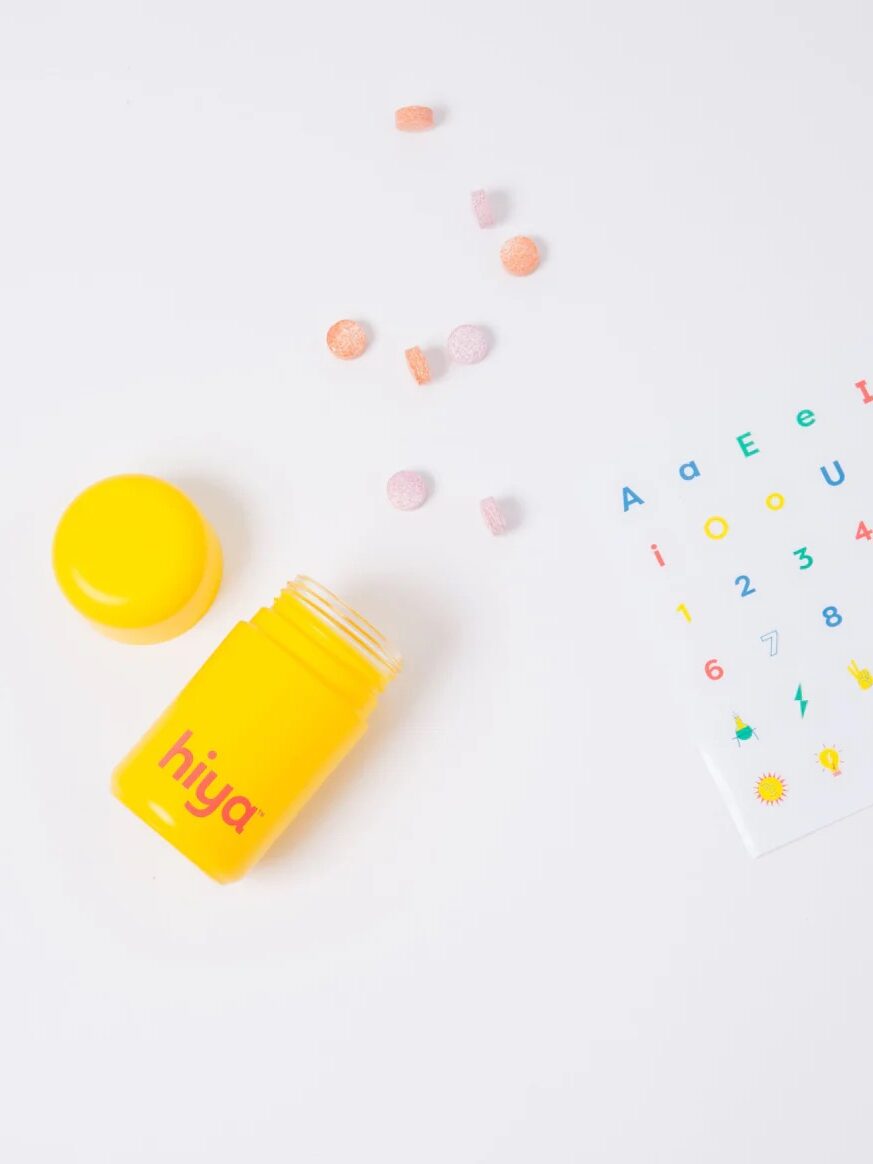
Hiya has set the gold standard for the best chewable vitamins for kids. Instead of sugar, they use a blend of monk fruit and xylitol to create a pleasant sweetness that won't cause tooth decay. Their formula includes 15 essential vitamins and minerals, including Vitamin D for bone health and Zinc for immune support. Because it is a pressed tablet rather than a gummy, it contains zero gelatin and zero added sugar.
- Best For: Parents seeking a comprehensive, eco-friendly daily multivitamin.
- Price per Serving: ~$1.00 (subscription-based).
- Key Sweeteners: Monk fruit and Xylitol.
Best for Picky Eaters: EllaOla Unflavored Multivitamin Powder
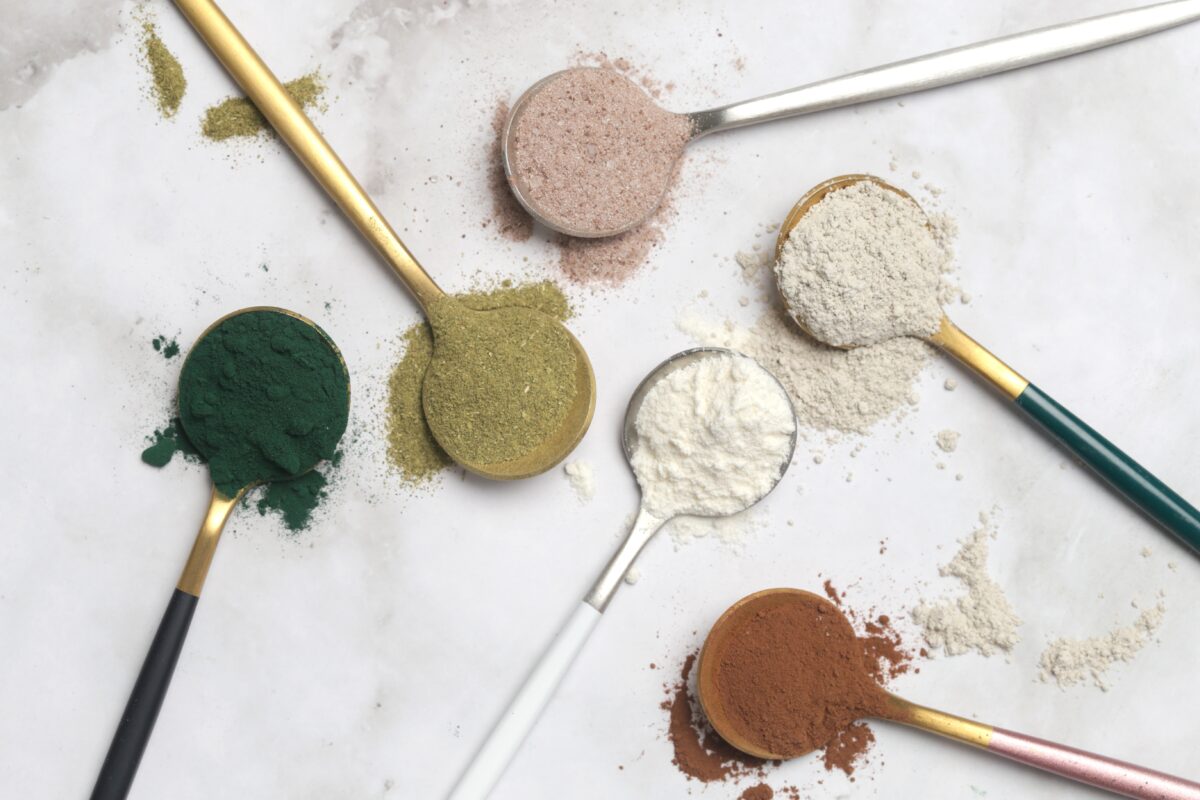
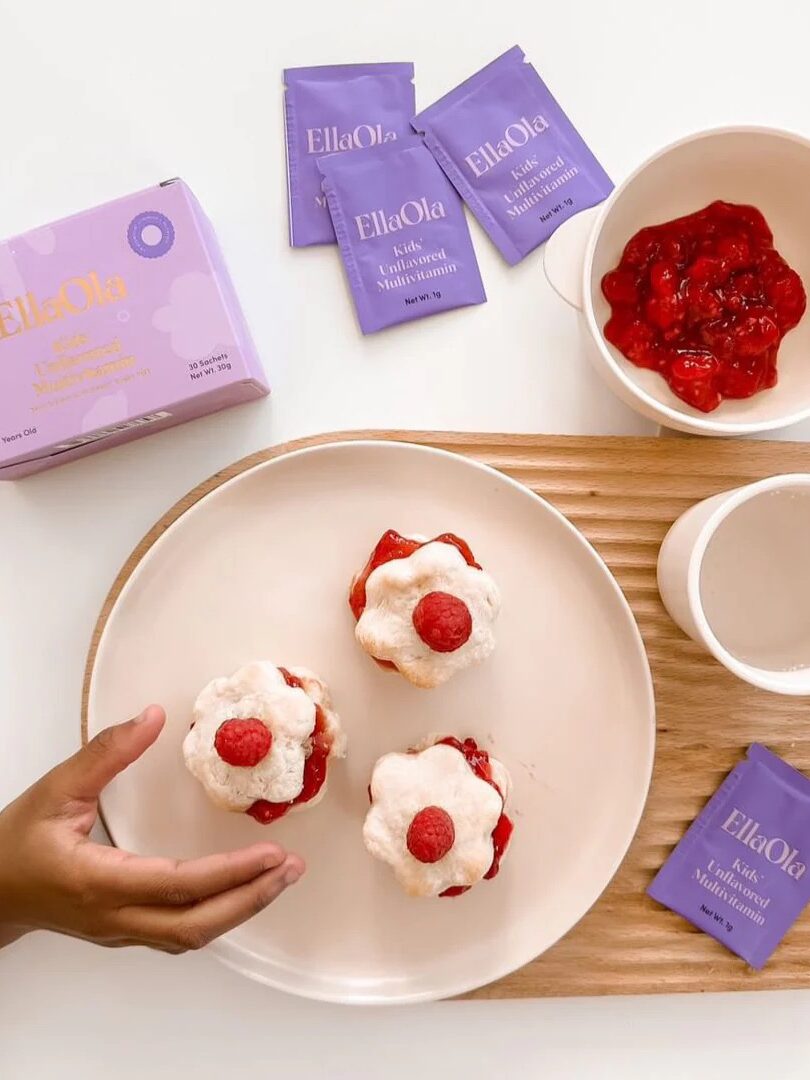
If your child refuses any kind of pill or tablet, unflavored powders are healthier gummy vitamin alternatives for picky eaters. EllaOla provides a clean label children's vitamins option that can be mixed into yogurt, smoothies, or even oatmeal. It is completely tasteless and contains 14 essential nutrients, including Vitamin K2 for calcium absorption.
- Best For: Sensory-sensitive children and toddlers.
- Price per Serving: ~$1.30.
- Key Sweeteners: None (unflavored).
Best for Teens: Ritual Essential for Teens
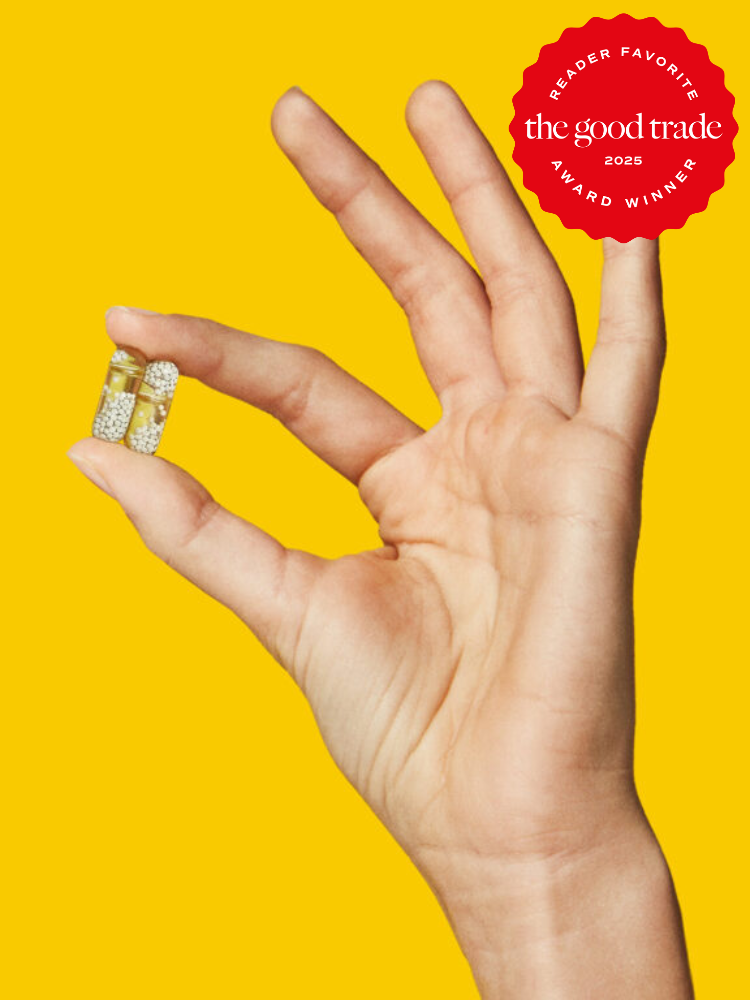
As children grow into their teenage years, their nutritional needs change significantly. Ritual offers gender-specific capsules with a delayed-release design. This ensures the nutrients are absorbed in the small intestine rather than the stomach, which can prevent the "vitamin nausea" many teens complain about. Their focus on traceable ingredients ensures you know exactly where each micronutrient comes from.
- Best For: Growing teenagers with specific developmental needs.
- Price per Serving: ~$1.10.
- Key Format: Delayed-release capsule.
Comparison of Leading Sugar-Free Alternatives
| Brand | Format | Primary Sweetener | Key Highlight | Price/Serving |
|---|---|---|---|---|
| Hiya | Chewable Tablet | Monk Fruit / Xylitol | Eco-friendly, 15+ nutrients | ~$1.00 |
| EllaOla | Powder Stick | None | Best for picky eaters | ~$1.30 |
| Ritual | Capsule | None | Delayed-release for teens | ~$1.10 |
| SmartyPants (SF) | Gummy (Sugar-Free) | Allulose / Stevia | Gummy texture without sugar | ~$0.60 |
When navigating these options, the best kids vitamins sweetened with monk fruit and xylitol are generally preferred by pediatricians over those using artificial sweeteners like sucralose or aspartame. Monk fruit and xylitol provide the sweetness children crave without the glycemic spikes or the potential gut microbiome disruption associated with synthetic alternatives.
Safety First: Dosage and Nutrient Toxicity
As an editor focusing on micronutrient science, I must emphasize that more is not always better. One of the dangers of sugary gummy vitamins is that they are so delicious that children (and sometimes parents) treat them like candy, leading to the risk of over-supplementation.
Fat-soluble vitamins—specifically Vitamin A, D, E, and K—are stored in the body's fat tissues and liver. Unlike water-soluble vitamins (like Vitamin C or B), which are excreted in urine when taken in excess, fat-soluble vitamins can build up to toxic levels if consumed in high doses over time. This is why many clean label children's vitamins intentionally provide 50% to 100% of the Daily Value rather than the 200% or 300% often seen in "marketing-heavy" brands.
There is also the "Iron Nuance." Many gummy vitamins exclude iron because it is difficult to mask the metallic taste without massive amounts of sugar, and because accidental iron overdose is a leading cause of poisoning in young children. If your child has a confirmed iron deficiency, you should look for a specific pediatrician formulated vitamins for modern childhood diets that includes iron under medical supervision, or focus on iron-rich whole foods like lentils and grass-fed beef.
Always verify that your chosen brand utilizes Third-party purity testing. Organizations like the Clean Label Project test for heavy metals, pesticides, and plasticizers (like phthalates) that can inadvertently enter the supply chain. This extra layer of security ensures that while you are filling micronutrient deficiencies, you aren't introducing harmful contaminants.
Editor’s Tip: Look for the Clean Label Project Purity Award on the packaging. This is often a more reliable indicator of safety than a "Natural" label, which is not strictly regulated by the FDA.
Parent's Checklist for Clean Label Vitamins
- Avoid These: Red 40, Yellow 5, Blue 2, High-fructose corn syrup, Glucose syrup, Gelatin (if seeking vegan/vegetarian), Sucralose.
- Look For These: Monk fruit, Xylitol, Methylated folate (5-MTHF), Vitamin D3 (from lichen or lanolin), Third-party testing seals.
- Check the Dosage: Ensure the Vitamin A and D levels are appropriate for your child’s age group.
- Shelf Life: Check the expiration date; vitamins can lose up to 20% of their potency over a year on the shelf.
FAQ
Are sugar-free vitamins better for kids?
Sugar-free vitamins are generally superior because they eliminate unnecessary glucose and fructose that can contribute to metabolic stress and dental issues. By using the best sugar free kids vitamins, you ensure the child receives essential nutrients without the negative side effects of "confectionery" manufacturing.
Are sugar-free gummy vitamins good for teeth?
While sugar-free gummies are better than sugared ones, they can still be problematic if they contain citric acid and gelatin. Citric acid can soften enamel, and the sticky nature of the gummy can trap other food particles against the teeth. Pressed chewables or powders are much safer options for long-term dental health.
Do sugar-free kids vitamins use artificial sweeteners?
It depends on the brand. Some lower-quality brands use sucralose or aspartame, which some parents prefer to avoid. High-quality clean label children's vitamins typically use natural, plant-based sweeteners like monk fruit, stevia, or birch-derived xylitol, which do not have the same health concerns as synthetic sweeteners.
What is the difference between sugar-free and regular kids vitamins?
Regular vitamins often use sugar or corn syrup as a primary ingredient and structural binder. Sugar-free versions replace these with fiber-based binders or natural sweeteners. Additionally, sugar-free versions are less likely to lead to over-consumption because they lack the "addictive" candy-like quality of traditional gummies.
How do I choose the right sugar-free vitamin for my child?
Focus on three pillars: ingredients, testing, and format. Look for pediatrician formulated vitamins for modern childhood diets that avoid artificial dyes, ensure they have Third-party purity testing from groups like the Clean Label Project, and choose a format (chewable, powder, or capsule) that matches your child's sensory preferences.