Quick Facts
- Top Overall: Dexcom G7 (8.2% MARD, 10-15 day wear)
- Best Longevity: Eversense 365 (1-year implantable sensor life)
- Best Value/OTC: Dexcom Stelo (No prescription needed for metabolic health)
- Best for Athletes: FreeStyle Libre 3 Plus (IP28 waterproof, 15-day wear)
- Technical Gold Standard: The best wearable CGMs in 2026 are the Dexcom G7 and SIBIONICS GS1, offering sub-9% MARD values and seamless real-time tracking via mobile apps.
Choosing the best wearable CGMs in 2026 requires balancing clinical MARD value accuracy with daily convenience. Devices like the Dexcom G7 and FreeStyle Libre 3 Plus have revolutionized real-time glucose tracking with longer wear times and direct smartphone integration. These sensors utilize a thin filament to measure glucose levels in interstitial fluid, providing updated readings every few minutes throughout their lifespan.
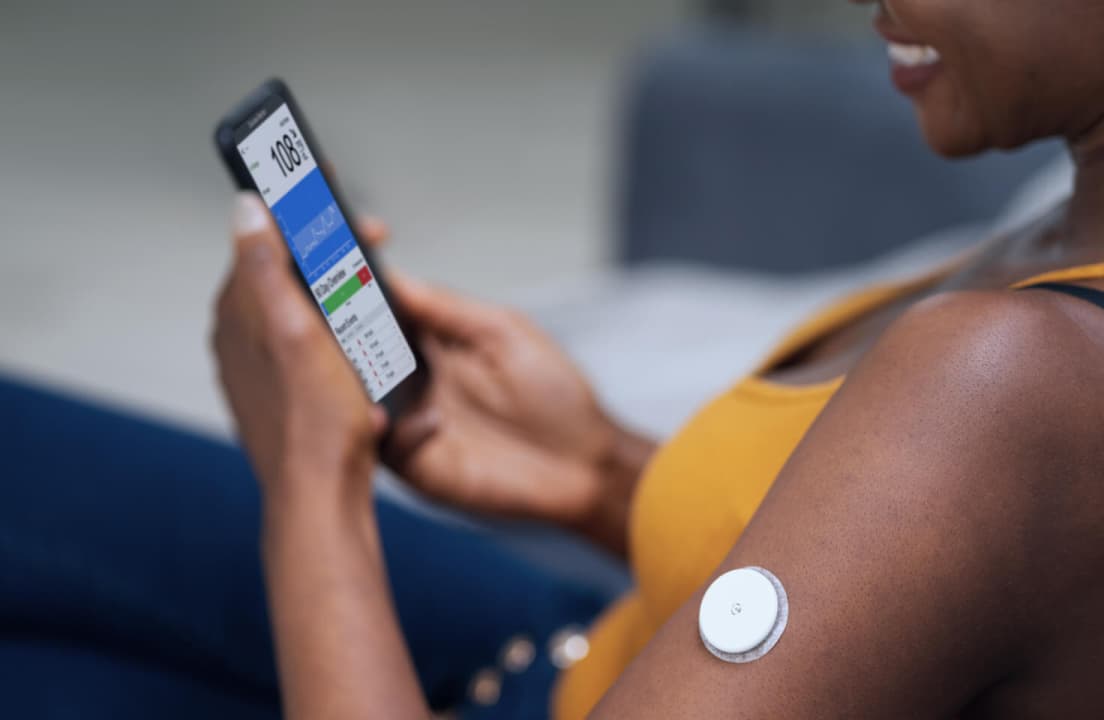
In 2026, the lifespan of a wearable CGM sensor typically ranges from 10 to 15 days. For instance, the Dexcom G7 provides options for both 10-day and 15-day wear cycles, while the SIBIONICS GS1 is designed for 14 days of continuous use. Most sensors utilize a subcutaneous filament to measure glucose levels in interstitial fluid, providing updated readings every few minutes throughout their lifespan. Key features to consider in a real-time CGM include MARD values for accuracy, factory calibration to eliminate fingersticks, and Bluetooth connectivity for smartphone or smartwatch integration. Look for devices offering customizable hypoglycemia alerts, trend arrows for glycemic variability, and water resistance for daily activities. Reliable apps that support Ambulatory Glucose Profile (AGP) reports are also essential for effective management.
The Heavy Hitters: Dexcom G7 vs. FreeStyle Libre 3 Plus
The continuous glucose monitoring market is highly concentrated, with Abbott Laboratories, Dexcom, and Medtronic collectively accounting for approximately 98.8% of global revenue in 2024. As we move through 2026, the rivalry between the Dexcom G7 and the FreeStyle Libre 3 Plus defines the premium landscape for medical-grade tracking.
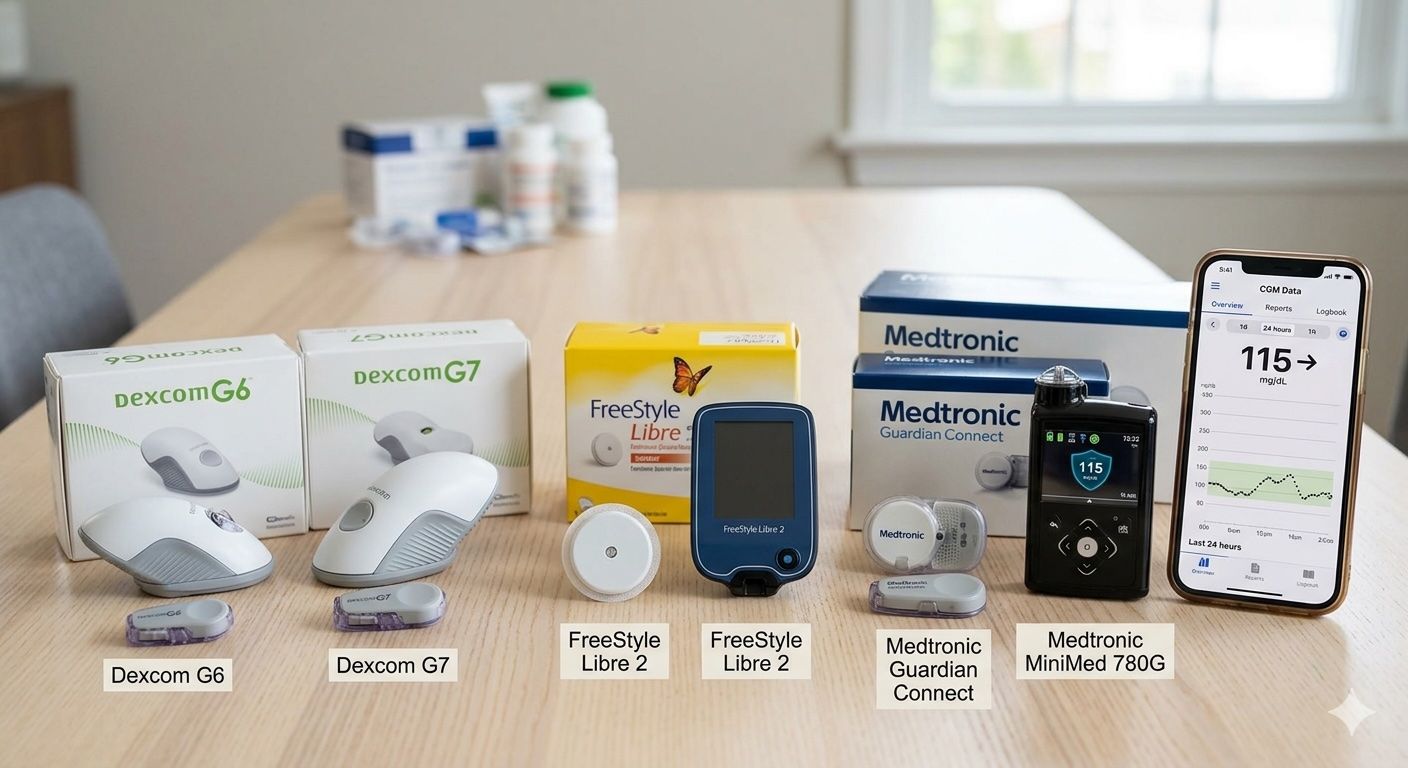
We recommend the Dexcom G7 for users who prioritize rapid data and ecosystem depth. The G7 notably features a 30-minute warm-up period, which is significantly faster than previous generations. Perhaps its most significant upgrade is the direct-to-watch feature. This allows the sensor to communicate directly with an Apple Watch via Bluetooth Low Energy (BLE), meaning you do not need your phone nearby to receive real-time updates.
Dexcom G7 Technical Specs
- Sensor Life: 10 days (with a 12-hour grace period) or 15-day extended versions.
- Data Frequency: Updates every 5 minutes.
- Integration: Direct Apple Watch and Garmin support.
- Accuracy: 8.2% MARD.
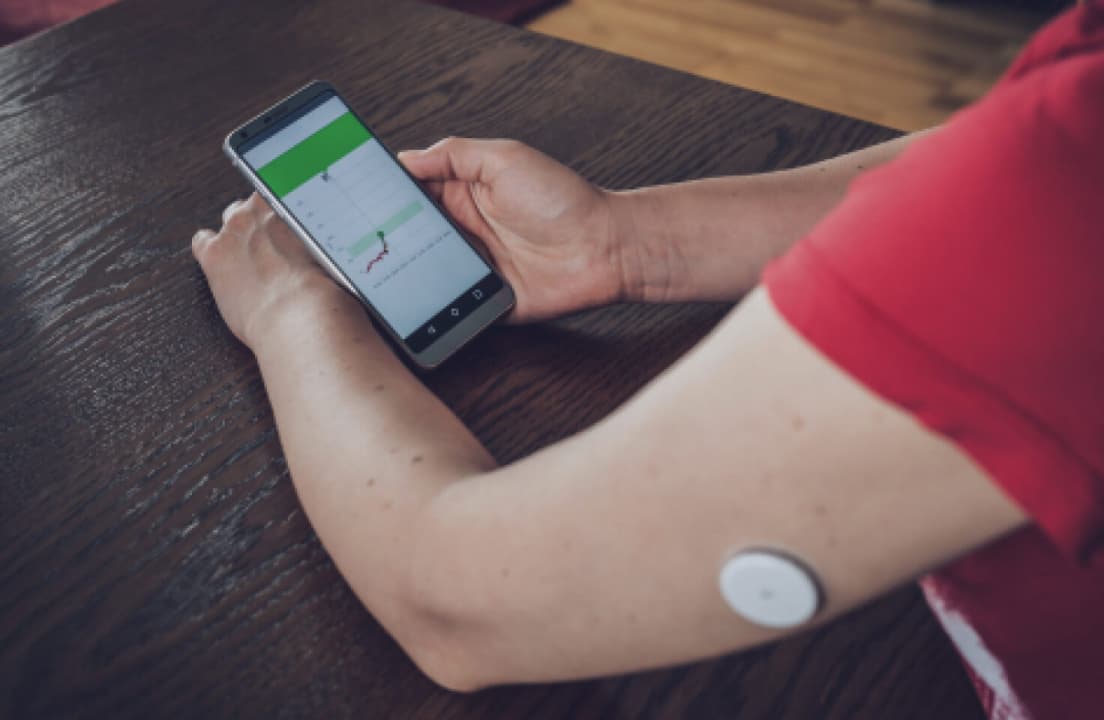
In contrast, the FreeStyle Libre 3 Plus focuses on being the smallest wearable CGM sensors for discreet daily wear. While the Dexcom G7 transmits data every five minutes, the FreeStyle Libre 3 system provides real-time glucose updates every minute. This higher frequency can be helpful for athletes tracking rapid glycemic variability during high-intensity interval training. The Libre 3 Plus also boasts a 15-day continuous glucose monitor sensor life, giving it a slight edge in longevity over the standard G7.
FreeStyle Libre 3 Plus Technical Specs
- Sensor Life: 15 days.
- Data Frequency: Updates every 60 seconds.
- Integration: Extensive blood glucose monitoring mobile apps ecosystem.
- Accuracy: 7.9% MARD.
CGM Sensor Accuracy Comparison: Understanding MARD
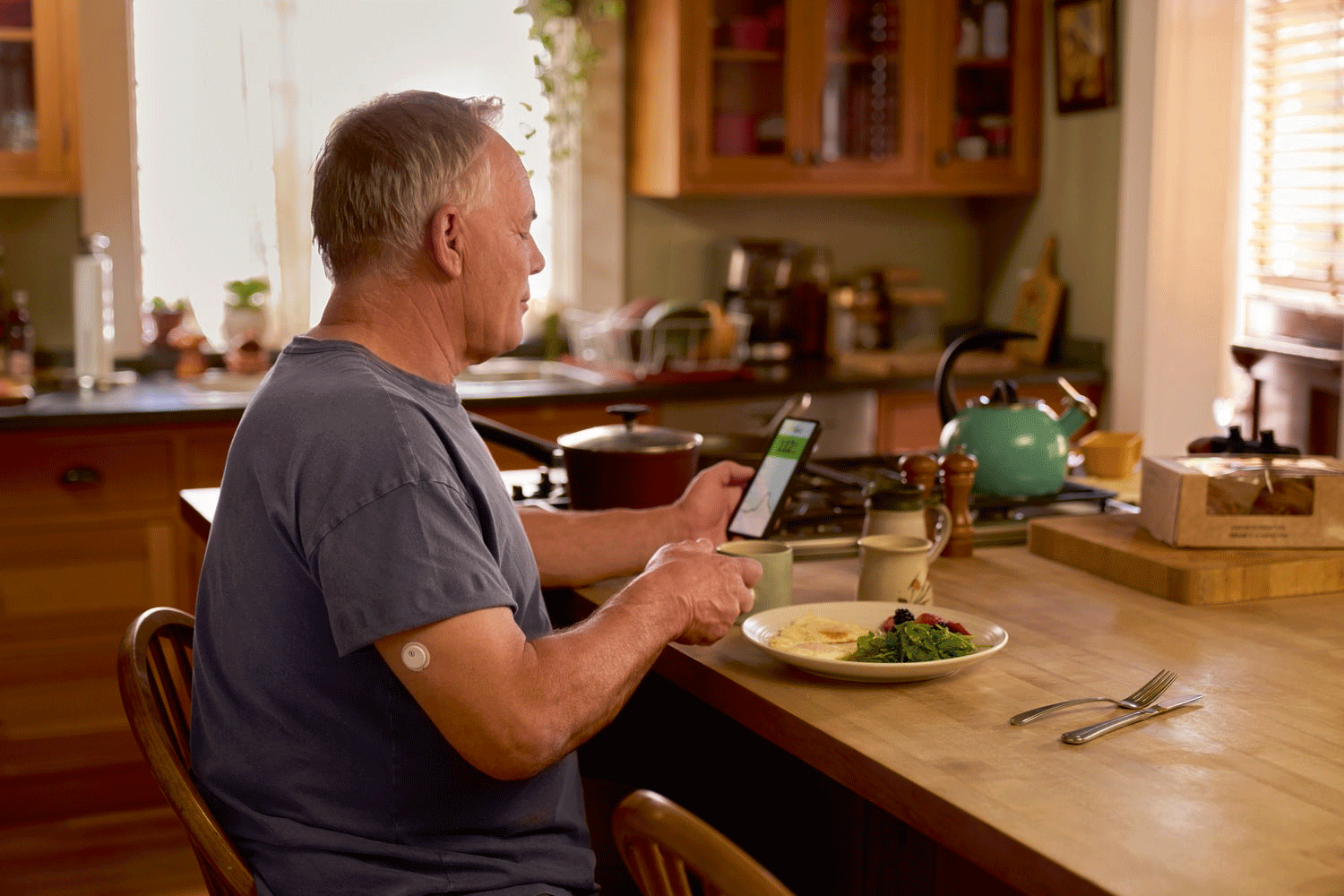
When evaluating the best wearable CGMs, the most critical metric we use is MARD, or Mean Absolute Relative Difference. In simple terms, a lower MARD percentage indicates higher accuracy when compared to a lab-standard blood draw. For any sensor to be considered medical-grade, a MARD under 10% is generally expected.
Clinical evaluations of leading wearable CGMs show Mean Absolute Relative Difference (MARD) accuracy scores of 7.9% for the FreeStyle Libre 3 and 8.2% for the Dexcom G7. It is important to remember that all CGMs measure glucose in the interstitial fluid rather than the blood. This creates a natural biological lag of about 5 to 15 minutes, especially when glucose levels are rising or falling rapidly.
| Device | MARD (Lower is Better) | Sensor Life | Calibration |
|---|---|---|---|
| FreeStyle Libre 3 Plus | 7.9% | 15 Days | Factory calibration |
| Dexcom G7 | 8.2% | 10-15 Days | Factory calibration |
| Eversense 365 | 8.5% - 8.8% | 365 Days | Manual (weekly) |
| SIBIONICS GS1 | 8.83% | 14 Days | Factory calibration |
For those who want to avoid the hassle of frequent sensor changes, the Eversense 365 represents a paradigm shift. It is a long-term implantable sensor placed under the skin by a healthcare provider. While it still requires a removable transmitter to be worn on the arm, it eliminates the need for bi-weekly sensor applications.
The OTC Revolution: CGMs for General Wellness and Performance
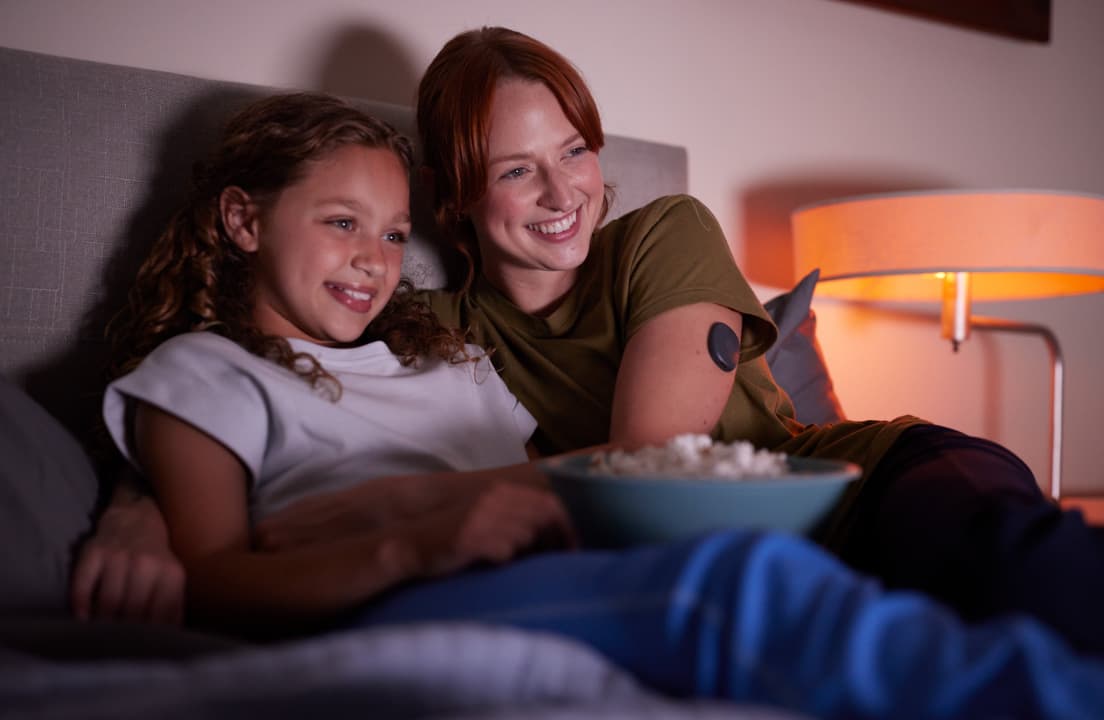
One of the most exciting developments in 2026 is the expansion of the Over-the-counter (OTC) CGM market. These devices, such as the Dexcom Stelo and Abbott Lingo, do not require a prescription and are marketed toward non-diabetics who want to optimize their metabolic health.
As longevity editors, we see these as the easiest wearable CGM sensors to apply for beginners. They focus less on hypoglycemia alerts and more on broader metrics like Time in Range (TIR) and the Ambulatory Glucose Profile (AGP). The goal here isn't just survival—it is performance optimization. By observing how your body reacts to specific foods, you can tailor your diet to avoid energy crashes and long-term insulin resistance.
We have found that the Dexcom Stelo is particularly effective for those starting their journey. It uses the same high-quality hardware as the medical G-series but simplifies the software to focus on lifestyle insights. Similarly, the SIBIONICS GS1 has gained popularity for its 14-day wear time and reliable Bluetooth connectivity, making it a strong contender for those looking for global availability and high-tier water resistance.

Pro-Tips: Maintenance and Troubleshooting for 2026 Sensors
Even with the best wearable CGMs, user error can lead to inaccurate readings or "Signal Lost" notifications. To maximize your continuous glucose monitor sensor life, proper application is vital.
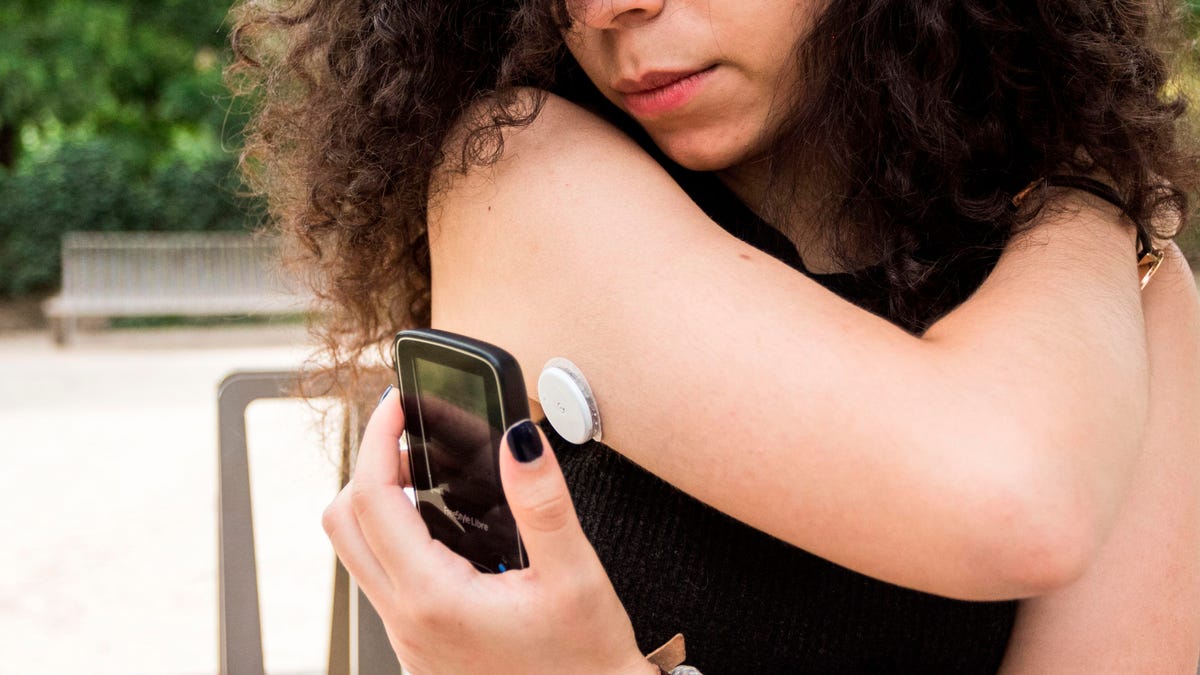
Pro-Tip: The 24-Hour Bonding Window For the strongest adhesion, apply your sensor during a time when you won't be sweating or showering for at least two hours. The first 24 hours are critical for the medical-grade adhesive to bond with your skin. If you are an athlete, consider using an over-patch or medical tape for extra security.
If you are a frequent swimmer, ensure you choose waterproof wearable CGMs for swimming and showering. Most modern sensors like the SIBIONICS GS1 or Libre 3 Plus carry an IP28 rating, meaning they can be submerged in up to 2 meters of water for 30 minutes. However, deep-sea diving or extended hot tub sessions can still degrade the adhesive or the sensor filament.
Another common issue is "compression lows." If you sleep on your sensor, the pressure can temporarily push the interstitial fluid away from the filament, causing the app to trigger false hypoglycemia alerts. We recommend placing the sensor on the back of the arm in a location where you are unlikely to roll onto it during the night.
FAQ
What is the most accurate wearable CGM?
The FreeStyle Libre 3 Plus currently holds the top spot for accuracy with a MARD value of approximately 7.9%. The Dexcom G7 follows closely at 8.2%. Both are considered highly reliable for making treatment decisions without the need for routine fingersticks, thanks to their robust factory calibration.
Do you need a prescription for a continuous glucose monitor?
It depends on the model. Medical-grade sensors like the Dexcom G7 and FreeStyle Libre 3 Plus generally require a prescription in many regions, especially if being used for Type 1 or Type 2 diabetes management. However, new models like the Dexcom Stelo and Abbott Lingo are available over-the-counter for general wellness and metabolic health tracking.
How long do CGM sensors usually last?
In 2026, most wearable sensors last between 10 and 15 days. The FreeStyle Libre 3 Plus and SIBIONICS GS1 provide 14 to 15 days of continuous wear, while the Dexcom G7 offers a 10-day cycle with an additional 12-hour grace period. The implantable Eversense 365 is the outlier, lasting up to an entire year.
Can non-diabetics benefit from using a CGM?
Absolutely. Many people use CGMs for "biohacking" and longevity. Tracking your glucose levels allows you to see the real-time impact of sleep, stress, and specific carbohydrates on your blood sugar. This data helps in maintaining a higher Time in Range (TIR), which is linked to better energy levels, weight management, and reduced long-term health risks.
What is the difference between a CGM and a traditional glucose meter?
A traditional glucose meter (BGM) provides a single snapshot of your blood sugar at the moment of a fingerstick. A CGM provides a continuous stream of data, showing not just your current level but also the direction and speed of change via trend arrows. This allows users to catch spikes or drops before they become dangerous or uncomfortable.