Quick Facts
- Market Growth: The wearable diabetes devices market, including continuous glucose monitoring systems, is projected to grow from an estimated USD 12.10 billion in 2025 to USD 19.49 billion by 2030.
- Clinical Benefit: Research indicates that a 10% increase in Time in Range (TIR) achieved through continuous glucose monitoring is associated with an approximately 0.8% reduction in HbA1c levels.
- Gold Standard Accuracy: Top-tier wearable glucose monitors in 2026 maintain MARD scores between 8.1% and 9.0%, ensuring high clinical accuracy.
- Adoption Gap: While 48% of people with type 1 diabetes use this technology, only 3-4% of those with type 2 diabetes currently utilize continuous glucose monitoring.
- New for 2026: The market has expanded into over-the-counter biosensors for metabolic health and long-term implantable sensors lasting up to a full year.
- Integration: Leading 2026 models feature direct-to-watch connectivity, allowing users to view data on an Apple Watch without needing a smartphone nearby.
Wearable glucose monitors, or CGMs, provide continuous data on blood sugar levels by measuring interstitial fluid via a subcutaneous filament. This technology offers real-time insights into glycemic variability and time-in-range, allowing users to receive immediate hypoglycemia alerts. By visualizing how diet and exercise affect glucose in real-time, these sensors help users proactively manage their metabolic health.
The Evolution of Tracking: Why 2026 is Different
As an editor focusing on longevity and functional health stacks, I have watched the landscape of bio-sensing technology shift from reactive medical tools to proactive wellness essentials. In the past, tracking blood sugar required painful finger pricks that only provided a single snapshot in time. Today, the shift toward continuous glucose monitoring benefits everyone from elite athletes to those managing prediabetes.
The year 2026 marks a significant turning point where wearable glucose monitors have moved beyond simple hardware. We are now in the era of AI-driven predictive analytics. Modern platforms do not just tell you what your sugar is now; they predict where it will be in thirty minutes based on your unique metabolic health profile. This transition from clinical validation to consumer biohacking has democratized access to metabolic data.
While many have waited for non-invasive monitoring using Raman spectroscopy or optical sensors, that technology remains largely in the experimental phase for 2026. Instead, the industry has perfected the minimally invasive wearable sensor for blood sugar by making them smaller, cheaper, and more accurate. We are also seeing the rise of long-term solutions, moving away from 10-day disposables toward more sustainable options.

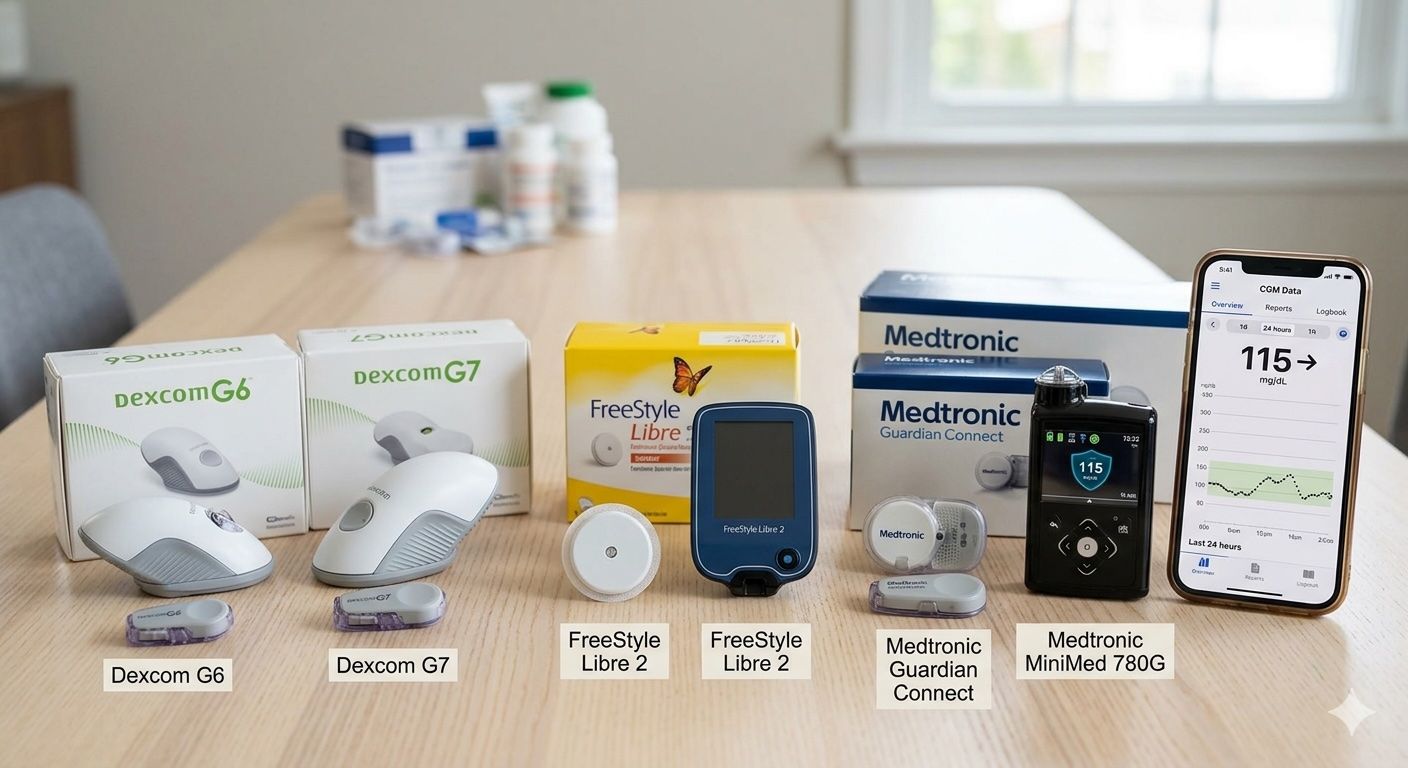
Top Picks: Comparing Dexcom G7 vs FreeStyle Libre 3 Features
When selecting the best CGM devices 2026 has to offer, the choice usually comes down to two industry titans: Dexcom and Abbott. Both have released updated versions that push the boundaries of clinical accuracy.
Technical Definition: MARD Mean Absolute Relative Difference (MARD) is the standard metric for CGM accuracy. A lower percentage indicates a closer match to laboratory blood glucose tests. Most elite sensors now hover around 8% to 9%.
Dexcom G7
The Dexcom G7 remains the gold standard for those who require high-speed data and integration. It features a fast 30-minute warm-up period and an industry-leading MARD score. Its ability to pair with multiple devices simultaneously makes it a favorite for those using insulin pumps or automated insulin delivery systems.
- Pros: Best-in-class accuracy, predictive hypoglycemia alerts, and no finger-prick calibrations required.
- Cons: Slightly larger profile than its main competitor and a higher price point without insurance.
FreeStyle Libre 3 Plus
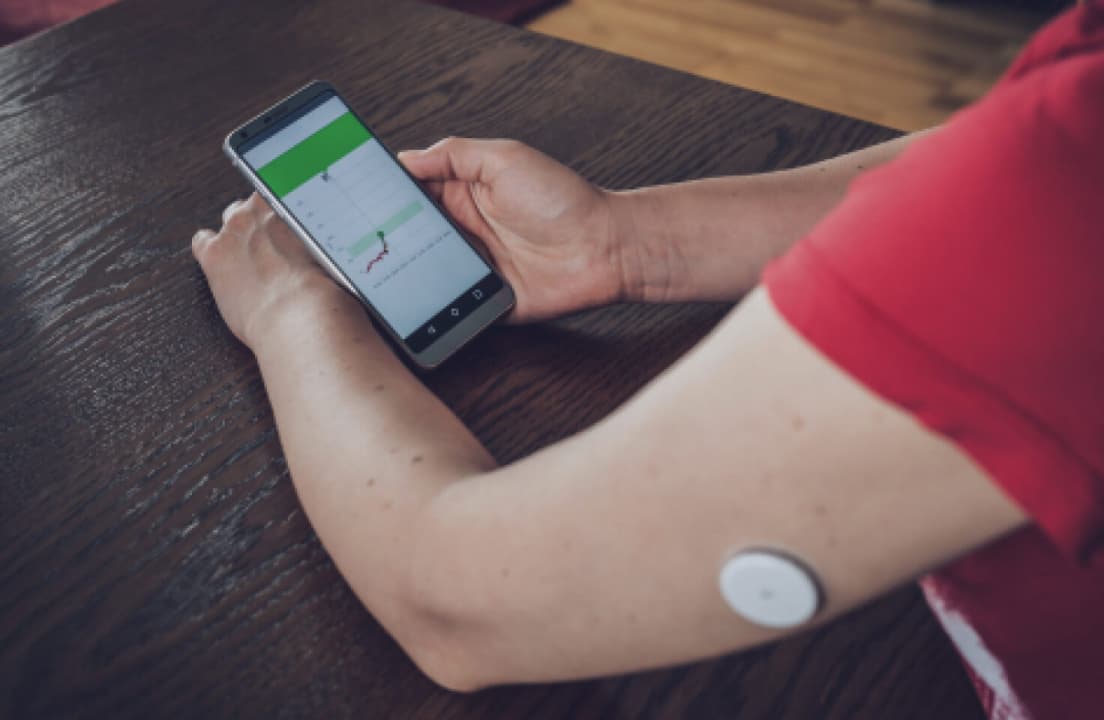
Abbott has countered with the FreeStyle Libre 3 Plus, which focuses on being the most discreet accurate wearable sensors for blood sugar monitoring on the market. It is roughly the size of two stacked pennies and offers a 15-day wear time, outlasting the Dexcom by five days.
- Pros: Smallest form factor, longest sensor life among disposables, and often the most affordable out-of-pocket option.
- Cons: Fewer direct integrations with third-party fitness apps compared to Dexcom.
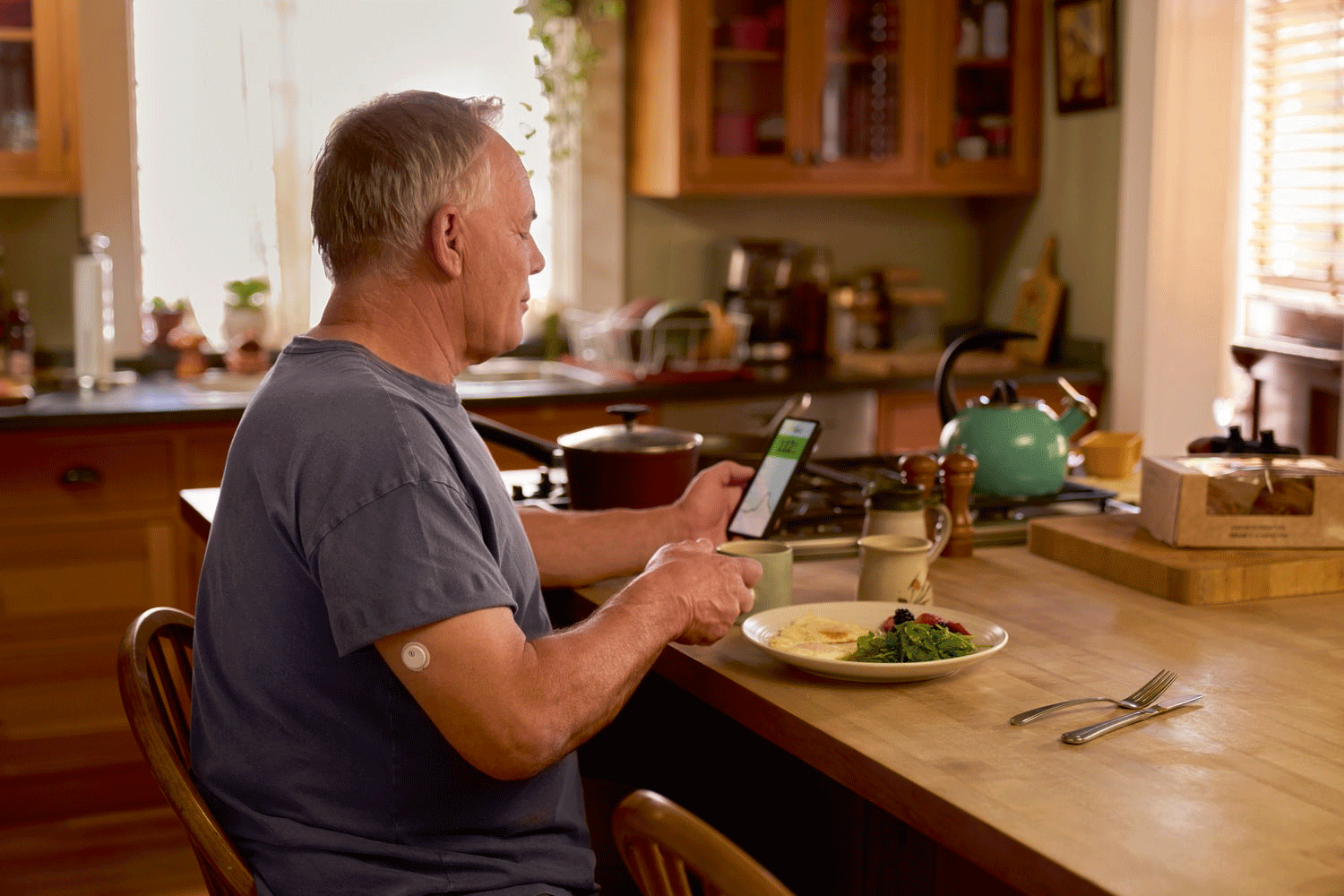
Quick Specs Comparison Table
| Feature | Dexcom G7 | FreeStyle Libre 3 Plus | Dexcom Stelo (OTC) | Eversense 365 |
|---|---|---|---|---|
| Wear Time | 10 Days | 15 Days | 15 Days | 365 Days |
| Warm-up | 30 Minutes | 60 Minutes | 30 Minutes | N/A (Implanted) |
| Direct to Watch | Yes | Yes | Yes | Yes |
| Prescription | Required | Required | Not Required | Required |
| Best For | Type 1 / Insulin users | Type 2 / Budget-conscious | Wellness / Biohacking | Long-term tracking |
Beyond Diabetes: CGMs for Biohacking and Prediabetes
One of the most exciting trends in 2026 is the surge of the best CGM for type 2 diabetes non-insulin users. Products like the Dexcom Stelo and Abbott Lingo have removed the prescription barrier, allowing anyone to purchase a wearable sensor for blood sugar at a retail pharmacy.
The benefits of real-time glucose tracking for prediabetes cannot be overstated. By seeing how a "healthy" oatmeal breakfast causes a massive spike followed by a mid-morning crash, users can make immediate dietary adjustments. This helps in managing glycemic variability, which is increasingly linked to systemic inflammation and cardiovascular risk.
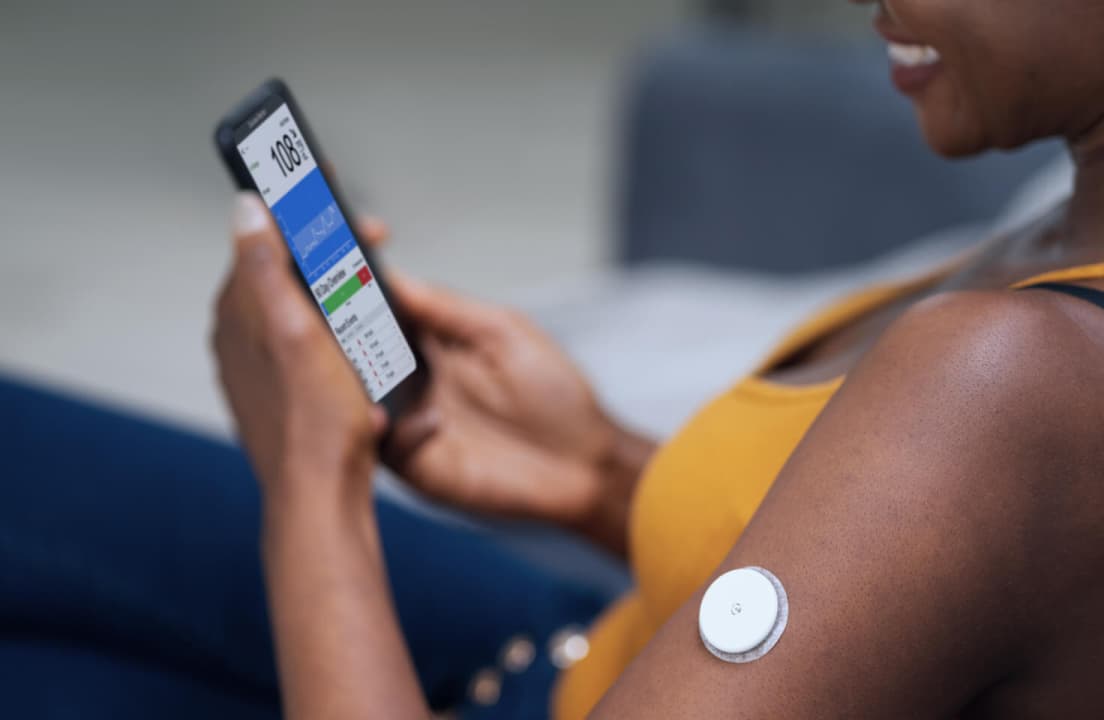
For the longevity-focused individual, these sensors serve as a "fuel gauge." Instead of guessing why you feel sluggish, you can look at your smartphone and see that your levels have dipped. It turns metabolic health from an abstract concept into a tangible, controllable metric. This is why bio-sensing technology has become a cornerstone of modern functional medicine.
Maximizing Performance: App Integration and Exercise
For athletes and fitness enthusiasts, understanding how to choose a continuous glucose monitor for exercise is vital. During high-intensity training, your liver releases stored glucose to fuel your muscles. A wearable glucose monitor allows you to see this process in real-time, helping you time your pre-workout and post-workout nutrition for maximum recovery.
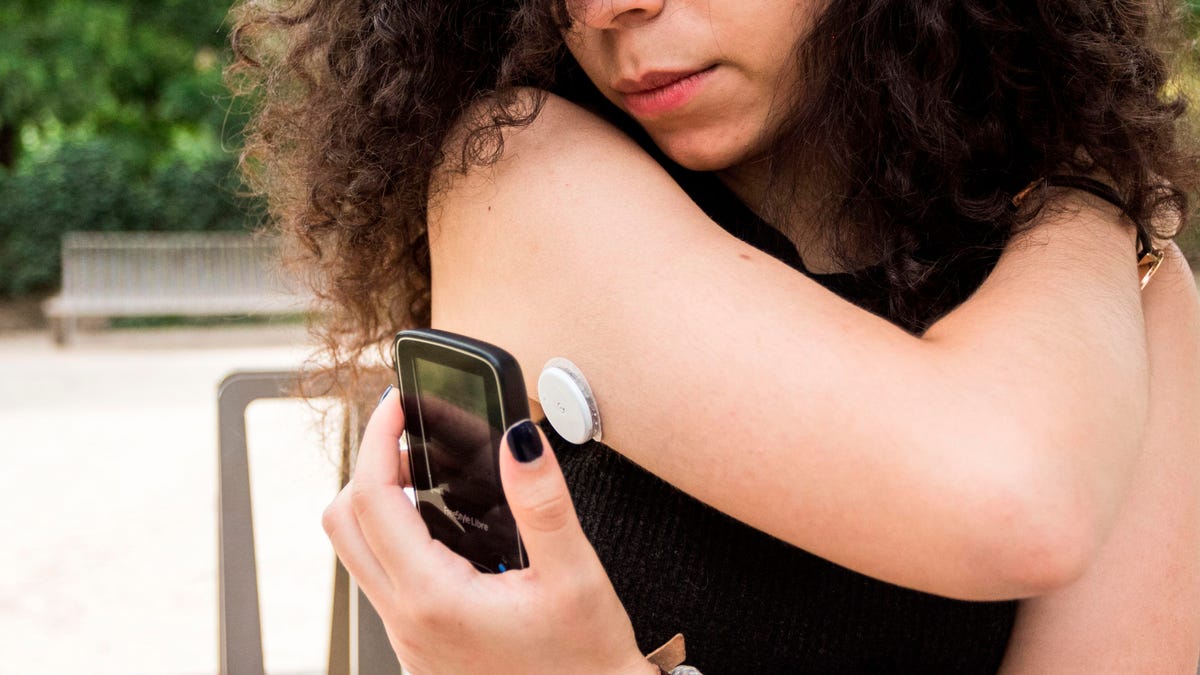
Many users are now pairing wearable glucose monitors with apple watch to avoid carrying a phone during runs or gym sessions. The 2026 models of Dexcom and Libre offer direct Bluetooth pairing, sending data straight to your wrist.
When it comes to sensor placement for active users, the back of the upper arm remains the most popular spot because it is less likely to be dislodged during movement. However, some newer sensors are cleared for abdominal placement, which some find more comfortable for weightlifting or contact sports.
Metric to Watch: Time-in-Range Time-in-range (TIR) is the percentage of time your glucose stays within a target window (typically 70-180 mg/dL). For longevity, many biohackers aim for a tighter "Optimal Range" of 70-110 mg/dL.
FAQ
How do wearable glucose monitors work?
These devices use a tiny, flexible filament inserted just under the skin. This filament reacts with the glucose found in the interstitial fluid—the fluid surrounding your cells—to generate an electrical signal. A transmitter on top of the sensor then sends this data wirelessly to a smartphone or watch.
Are wearable glucose monitors available without a prescription?
Yes, as of 2026, several over-the-counter options exist. Devices like the Dexcom Stelo are specifically designed for people who do not use insulin, including those with type 2 diabetes or individuals focused on metabolic health and wellness.
How accurate are wearable glucose monitors compared to finger pricks?
Modern wearable glucose monitors are highly accurate, but they measure interstitial fluid rather than capillary blood. Because of this, there is often a 5 to 15-minute lag time between the sensor reading and a finger-prick reading. In most cases, the difference is negligible for daily health management.
Can non-diabetics use wearable glucose monitors?
Absolutely. Many people use them for biohacking to optimize their diet, improve athletic performance, or prevent the progression of prediabetes. Seeing the immediate impact of lifestyle choices on blood sugar is a powerful tool for behavioral change.
Do wearable glucose monitors require a needle?
The application process involves a needle to guide the tiny filament into the skin, but the needle is retracted instantly. The part that stays in your body is a soft, flexible wire. Most users report that the application is virtually painless, often feeling like a light tap.
Choosing among the best wearable glucose monitors for 2026 tracking ultimately depends on whether you need a medical-grade device for insulin management or a wellness-focused biosensor for metabolic optimization. Regardless of your choice, the ability to see your internal chemistry in real-time is the most significant advancement in personal health tech this decade. Consult with your healthcare provider to set your specific TIR targets and begin your journey toward better metabolic health.