Quick Facts
- Core Utility: A continuous glucose monitor (CGM) improves metabolic health by providing a real-time biofeedback loop on how lifestyle factors impact blood sugar.
- Target Ranges: For longevity and performance, aim for an optimal range of 70-110 mg/dL for roughly 90% of the day.
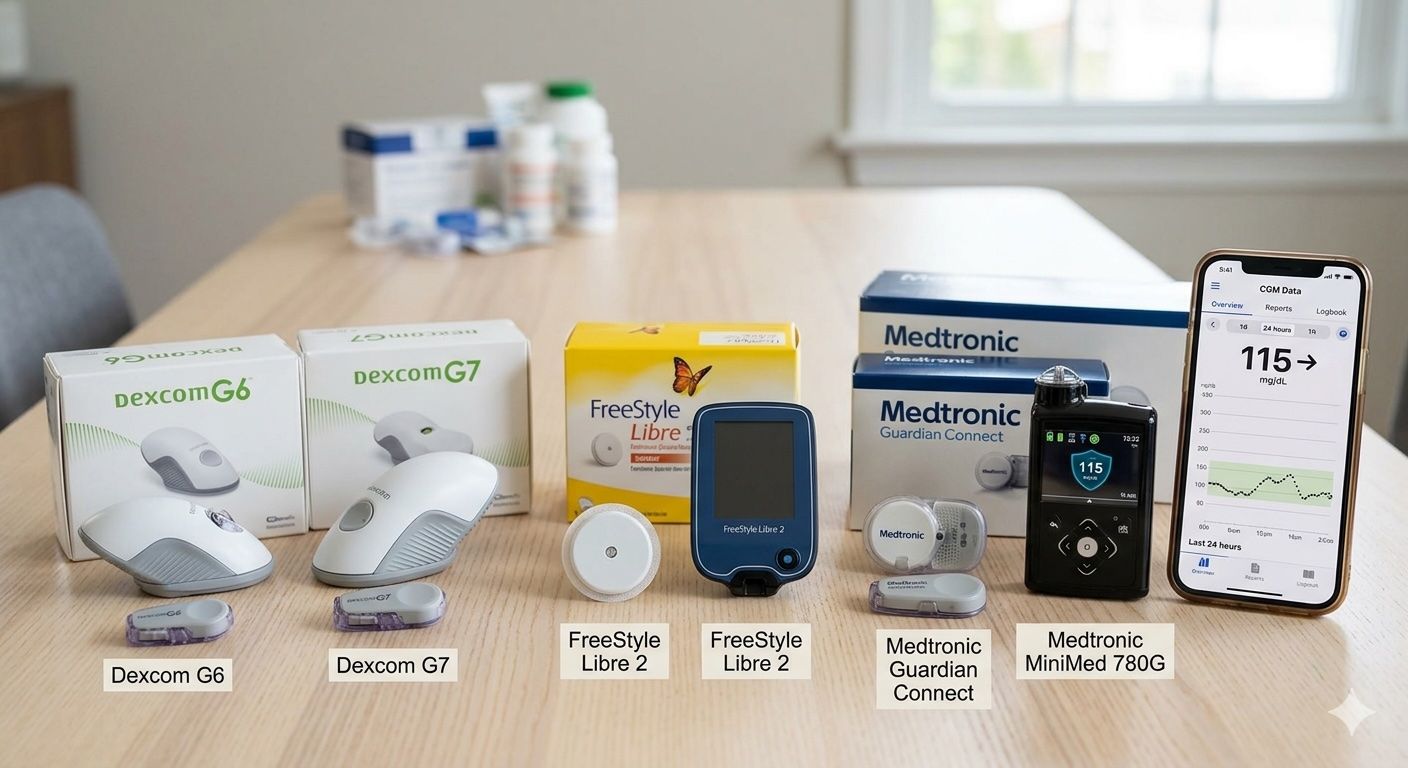
- Leading Hardware: Major 2026 players include Dexcom Stelo (approx. $99/month) and Abbott Lingo (approx. $49 per 14-day sensor).
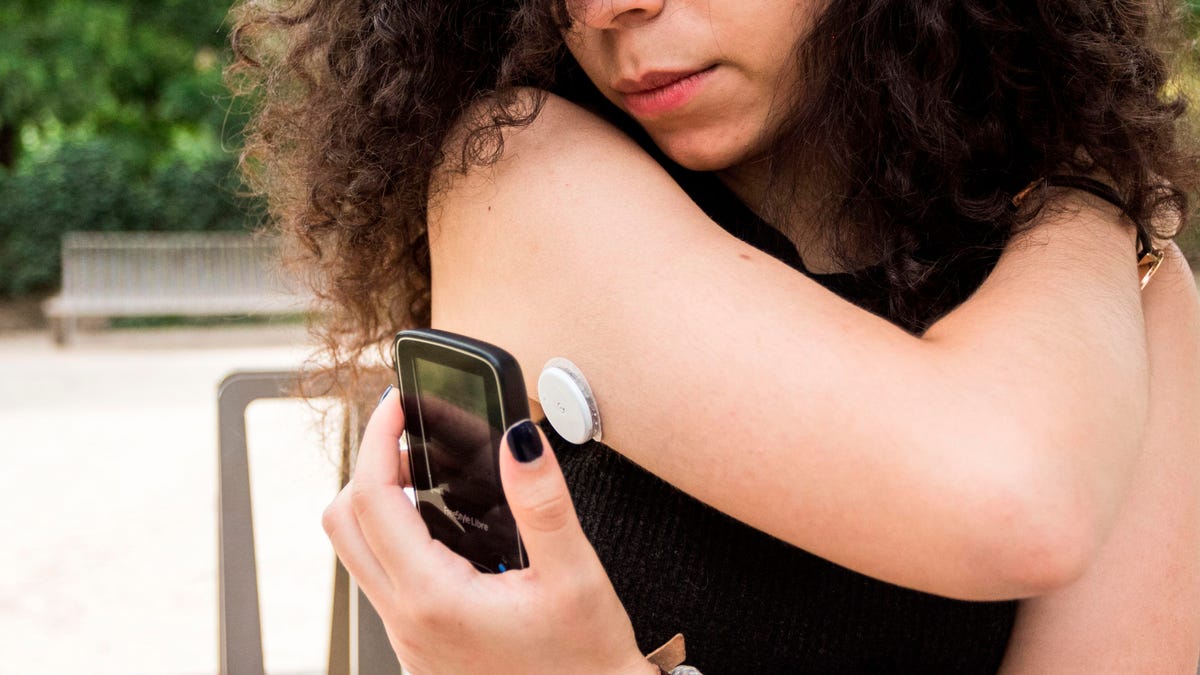
- Technology Detail: There is a 10-15 minute lag time between blood glucose and the interstitial fluid readings provided by the sensor.
- Market Expansion: The global wellness CGM sector is expected to grow from $3.8 billion in 2025 to $10.6 billion by 2034.
- Clinical Evidence: A meta-analysis of 23 studies showed that CGM use in non-diabetics significantly improved mean blood glucose levels compared to control groups.
- First Step: Always begin with a baseline week to observe your current reactions before implementing any dietary changes.
Continuous glucose monitors are no longer just for diabetes; they are the ultimate tool for metabolic health. By using wearable biosensors, non-diabetics can achieve precision nutrition and improve insulin sensitivity through real-time biofeedback. This biofeedback loop helps maintain stable glucose levels, which reduces insulin resistance and supports long-term metabolic function.

Beyond Normal: Defining Metabolic Flexibility
In longevity medicine, we often distinguish between what is clinically normal and what is physiologically optimal. A fasting glucose of 99 mg/dL might be considered normal by a primary care physician because it sits just below the pre-diabetic threshold. However, from a performance and anti-aging perspective, we look for deeper signs of metabolic flexibility.
Metabolic flexibility is the body's ability to efficiently switch between burning glucose and fat for fuel. When your metabolism is flexible, you can transition from a carbohydrate-heavy meal to a period of fasting without experiencing the "hangry" energy crashes associated with poor insulin sensitivity. Using a CGM serves as a metabolic flexibility guide, showing you exactly how long it takes for your blood sugar to return to baseline after a meal.
If your glucose remains elevated for hours after a moderate-carb meal, it is a signal of brewing insulin resistance. By stabilizing glucose levels through data-driven choices, you encourage the body to access fat stores more effectively, improving overall energy management and preventing metabolic dysfunction. True health optimization requires looking at five key markers: fasting glucose, triglycerides, HDL cholesterol, blood pressure, and waist circumference. A CGM provides the most granular data for the first two, allowing us to tweak mitochondrial health by avoiding the chronic over-fueling that leads to oxidative stress.
2026 Market Comparison: Dexcom Stelo vs. Abbott Lingo
The landscape of metabolic tracking has shifted dramatically with the arrival of over-the-counter options. As of 2025, wearable sensors dominated the market, representing 67.4% of the market share in the wellness sector. We are no longer reliant on prescriptions to access this longevity medicine. The two heavyweights for 2026 are the Dexcom Stelo and the Abbott Lingo.
While both devices utilize high-end biosensors to track glucose in the interstitial fluid, they cater to different psychological profiles. The Dexcom Stelo is often preferred by the data-heavy biohacker who wants raw numbers and integration with other health platforms. In contrast, the Abbott Lingo focuses more on the coaching aspect, translating complex graphs into "Lingo Counts" to help users build better habits.
| Feature | Dexcom Stelo | Abbott Lingo |
|---|---|---|
| Primary Focus | Data-driven glucose pattern analysis | Habit-building and AI coaching |
| Typical Cost | ~$99 per month | ~$49 per 14-day sensor |
| Sensor Life | 15 Days | 14 Days |
| Prescription Req. | No (OTC) | No (OTC) |
| Best For | Advanced metabolic health optimization | Beginners wanting precision nutrition guidance |
It is important to note that these OTC versions are stripped of medical-grade hypoglycemia alarms. They are designed for healthy individuals looking for blood sugar optimization strategies, not for clinical management of Type 1 diabetes.
Mastering Glucose Pattern Analysis
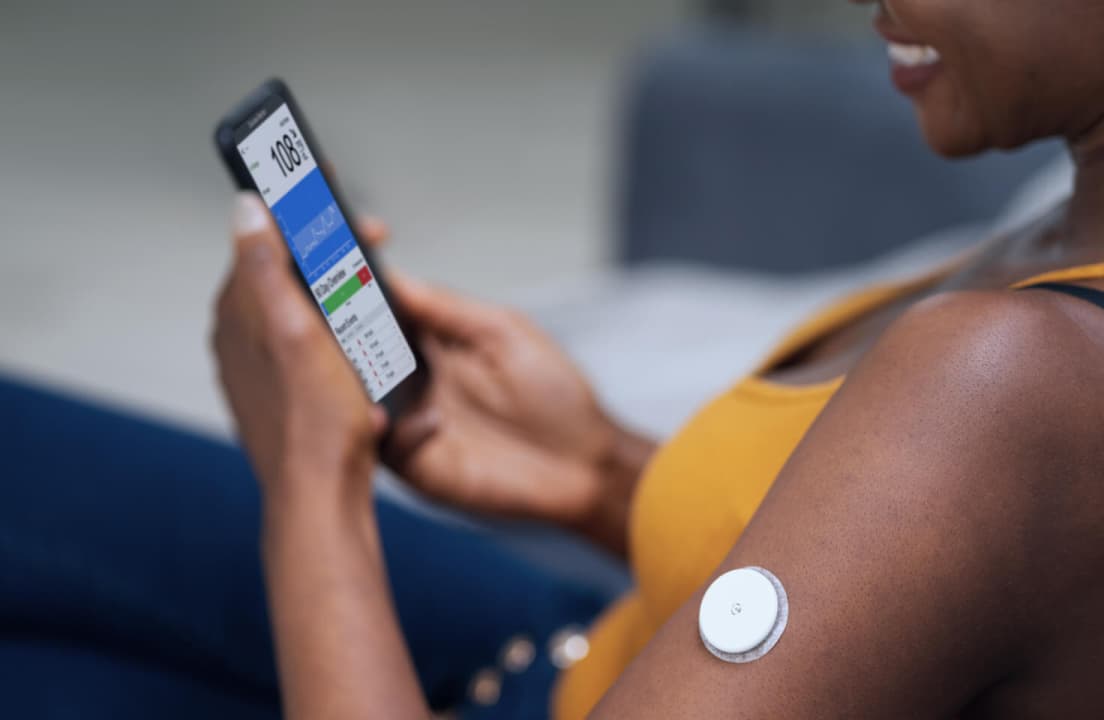
The value of a CGM isn't found in a single data point, but in the glucose pattern analysis over several weeks. When you first apply a sensor, I recommend a baseline week. Do not change your diet. Eat your normal meals, follow your usual exercise routine, and observe. You might find that the "healthy" oatmeal you eat every morning sends your glucose to 160 mg/dL, while a bowl of full-fat yogurt keeps you stable at 100 mg/dL.
When interpreting CGM glucose patterns for better health, look for three things:
- Glycemic Variability: How much do your levels swing? High peaks followed by deep valleys (crashes) are more damaging to the vascular system than a steady, slightly higher average.
- Postprandial Response: This is the spike after meals. Ideally, you want your glucose to rise no more than 30 mg/dL from your pre-meal baseline and return to that baseline within two hours.
- Fasted Basal Levels: Your glucose during sleep and between meals. This is a primary indicator of your baseline insulin sensitivity.
For those interested in improving metabolic flexibility with continuous glucose monitoring, pay close attention to tracking glucose response to fasted exercise with CGM. If you perform zone 2 cardio in a fasted state and your glucose remains steady or rises slightly (due to the liver releasing stored glycogen), it indicates a healthy, responsive system. If you see a precipitous drop and feel sudden fatigue, your body may be struggling to transition into fat-burning mode.
Blood Sugar Optimization Strategies
Once you have your baseline, the goal is to "flatten the curve." High glycemic variability is a precursor to metabolic dysfunction and cellular aging. To optimize your response, you don't necessarily need to cut all carbohydrates; you need to change how you consume them.
- Order of Operations: Eat your fiber and protein first. This slows the gastric emptying process and blunts the glucose spike of any subsequent starches.
- The 10-Minute Rule: Engaging in light physical activity, such as a 10-minute walk immediately after a meal, allows muscles to soak up glucose without requiring a massive insulin surge.
- Vinegar Hack: A tablespoon of apple cider vinegar in water before a carbohydrate-rich meal has been shown to improve insulin sensitivity and reduce the post-meal peak.
- Stress Management: Stress triggers cortisol, which in turn triggers the liver to dump glucose into the bloodstream. If you see spikes during a high-pressure meeting despite not eating, your metabolic health optimization plan needs to include breathwork or meditation.
By identifying early signs of insulin resistance through these wearable biosensors, individuals can make precision nutrition adjustments before clinical issues arise. This is the essence of proactive health.

The Human Element: Why Data Isn’t Enough
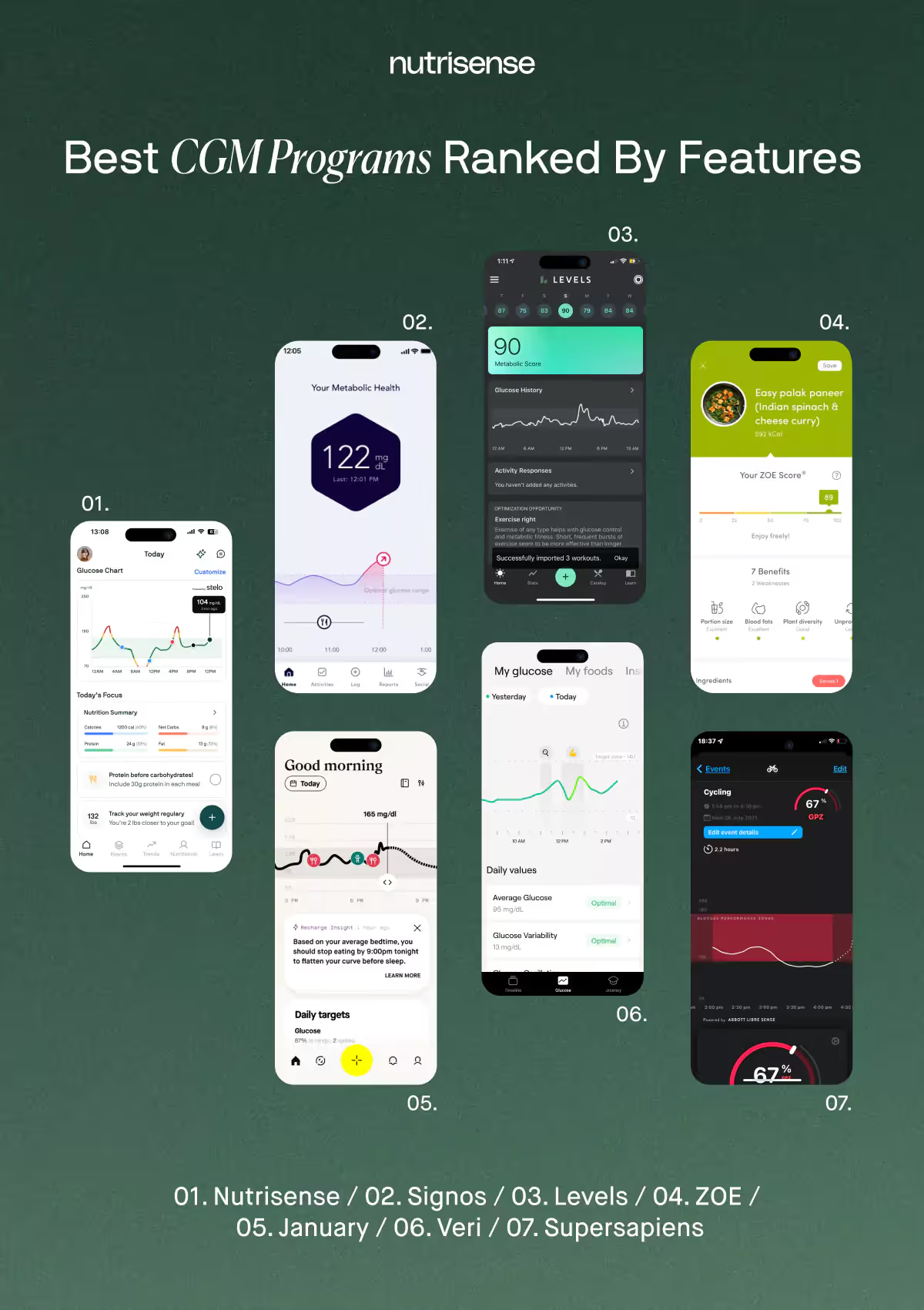
As an editor focused on longevity, I must emphasize that raw data can be a double-edged sword. Without proper context, seeing a spike after a healthy meal can lead to unnecessary food fear. This is where the human element becomes vital. Some users find success with "Bring Your Own Sensor" (BYOS) models, where they buy the hardware but use third-party apps like Nutrisense or Levels that provide access to registered dietitians.
Data alone won't fix a broken metabolism. It requires expert interpretation to distinguish between a "bad" spike (like from a soda) and a "functional" spike (like from a high-intensity workout). The goal of how to use CGM for metabolic health optimization should be to gain enough intuition about your body that you eventually don't need the sensor at all.

FAQ
How does a CGM help improve metabolic health?
A CGM provides a real-time biofeedback loop that shows exactly how your body responds to food, stress, and exercise. By seeing these patterns, you can make immediate lifestyle adjustments to reduce glycemic variability and improve insulin sensitivity, which are the foundations of metabolic health.
Can people without diabetes use a CGM for metabolic monitoring?
Yes, non-diabetics are increasingly using CGMs for metabolic health optimization. These devices help identify "silent" glucose spikes from supposedly healthy foods, allowing individuals to tailor their diet to their unique biology and prevent future metabolic dysfunction.
Do I need a prescription for a CGM to monitor metabolic health?
Historically, a prescription was required, but the market has evolved. New over-the-counter options like Dexcom Stelo and Abbott Lingo are specifically designed for wellness and do not require a doctor's script for purchase.
Can using a continuous glucose monitor help with weight loss?
By helping you maintain stable glucose levels, a CGM can make it easier to access fat stores for fuel. Reducing large insulin spikes prevents the "fat-storage" mode of the body, potentially making weight loss more sustainable and reducing cravings caused by blood sugar crashes.
How long should I wear a CGM to see meaningful metabolic patterns?
Most users find that wearing a CGM for 2 to 4 weeks provides enough data to identify their primary triggers. Usually, one 14-day sensor cycle is enough for a baseline, but a second cycle is often helpful to test the effectiveness of new blood sugar optimization strategies.