Quick Facts
- Red Light (Emergency): If you experience crushing pressure, squeezing, or a heavy weight in the center of your chest, call 911 immediately.
- Yellow Light (Warning): Unusual fatigue, sleep disturbances, or persistent indigestion occurring weeks before can be early heart attack red flags.
- Green Light (Observation): Sharp, stabbing pain that lasts only a second or worsens when you touch the area is often related to non-cardiac chest pain causes like muscle strain.
- Volume of Care: Chest pain is the second most common reason for adults to visit the emergency department in the United States, accounting for more than 6.5 million visits annually.
- The Reality of Risk: In the United States, approximately 805,000 people have a heart attack every year, which is equivalent to one heart attack occurring every 40 seconds.
- The Diagnostic Outcome: Among all patients who present to the emergency department with chest pain, only approximately 5.1% are ultimately diagnosed with acute coronary syndrome.
Chest pain indicating a heart attack often feels like uncomfortable pressure, squeezing, or fullness in the center of the chest. Emergency red flags include pain radiating to the neck, jaw, or left arm, accompanied by shortness of breath, nausea, lightheadedness, and cold sweats. If these chest pain symptoms occur, seek emergency medical help immediately to rule out a life-threatening event.

Heart Attack Red Flags: Sensory Warning Signs
When your heart muscle is deprived of oxygen-rich blood, the body sends out a specific set of distress signals. Understanding the sensory nature of these signals is vital for immediate triage. Unlike the sharp pain of a cut or the throbbing of a headache, the sensation of a Myocardial infarction is often described as a diffuse, heavy discomfort. Many patients do not even use the word pain; instead, they describe a sense of impending doom or a crushing weight as if an elephant is sitting on their chest.
These emergency chest pain signs typically develop gradually over several minutes. The discomfort may start mild and steadily intensify, remaining persistent rather than flickering on and off. A key clinical sign is Angina pectoris, which is chest discomfort caused by reduced blood flow to the heart. This sensation is often centered behind the breastbone but can feel quite broad, making it difficult to point to one specific spot with a finger.
Beyond the chest itself, you must be vigilant about systemic reactions. Diaphoresis, or a sudden onset of cold sweats, is a major indicator that the autonomic nervous system is under extreme stress. If you notice chest pain spreading to neck and jaw or radiating down the left arm, these are classic heart attack red flags and emergency signs that require an immediate call to emergency services. Do not wait to see if the feeling passes; time is muscle when dealing with the myocardium.
Cardiac vs. Non-Cardiac: Identifying the Difference
Distinguishing between a life-threatening cardiac event and a more benign condition can be difficult because the nerves in the chest are tightly packed and often overlap. However, the quality and duration of the pain offer significant clues. Non-cardiac chest pain is frequently sharp or stabbing and may last only a few seconds or be triggered by deep breathing or coughing. Common causes like Gastroesophageal reflux disease (GERD), anxiety, or costochondritis often present as localized pain that you can pinpoint.
In contrast, heart attack pain typically develops gradually, feels diffuse, and persists for several minutes without relief. If you are trying to determine when to go to the ER for chest pain symptoms, consider whether the sensation changes with movement. If pressing on your chest makes the pain worse, it is more likely to be a musculoskeletal issue. If the pain is accompanied by a sour taste in the mouth or worsens when lying flat after a meal, it may be related to distinguishing heartburn from heart attack symptoms.
However, some non-cardiac issues are also emergencies. A Pulmonary embolism, which is a blood clot in the lung, can cause sudden shortness of breath and sharp chest pain. Because the stakes are so high, doctors often prefer to rule out the most dangerous causes first. Understanding the anxiety symptoms vs heart attack symptoms comparison is also helpful; while both can cause a racing heart and shortness of breath, anxiety-related pain is often fleeting or sharp, whereas cardiac pain is a heavy, unrelenting pressure.
| Feature | Heart Attack (Cardiac) | Heartburn (GERD) | Anxiety/Panic Attack |
|---|---|---|---|
| Sensation | Dull pressure, squeezing, or "heaviness" | Burning sensation in the chest or throat | Sharp tightness or a racing heart |
| Location | Diffuse; center or left side of chest | Behind the breastbone; moves upward | General chest area; may feel like choking |
| Radiation | Spreads to jaw, neck, back, or arms | Stays in the chest or throat | Rarely radiates; may feel tingling in hands |
| Trigger | Often physical exertion or stress | Usually triggered by lying down or food | Triggered by stress or sudden panic |
| Duration | Lasts several minutes; persistent | Can last hours; relieved by antacids | Usually peaks within 10 minutes |
The 30-Day Window: Subtle Early Warning Signs
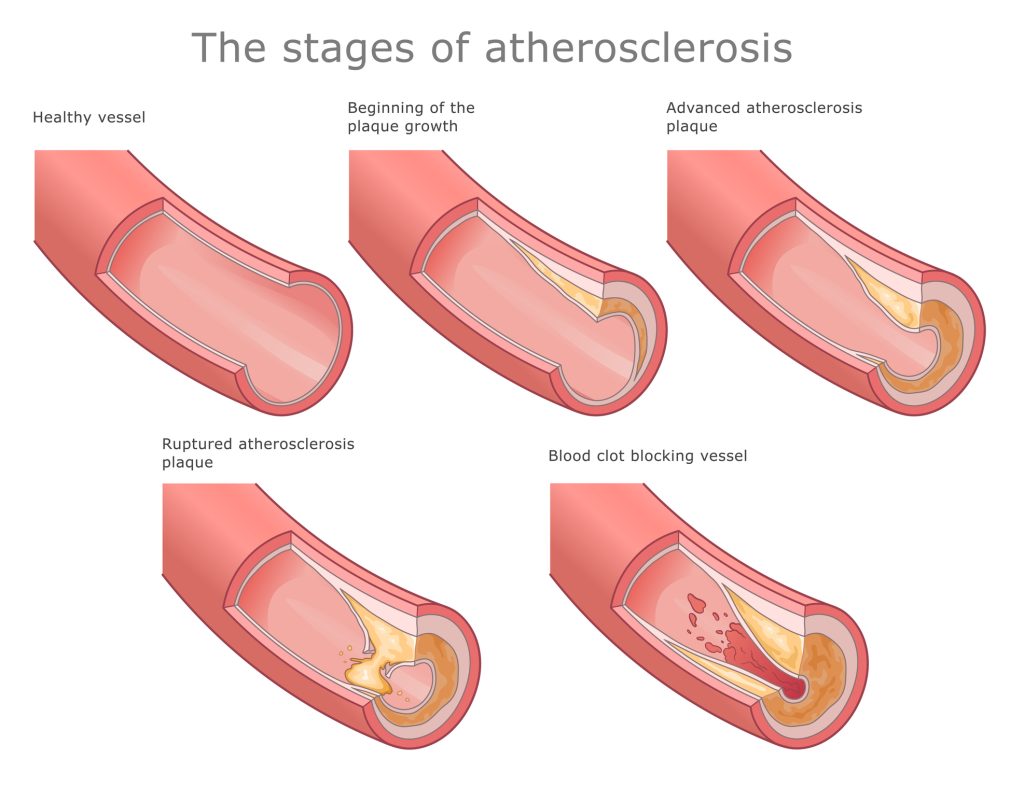
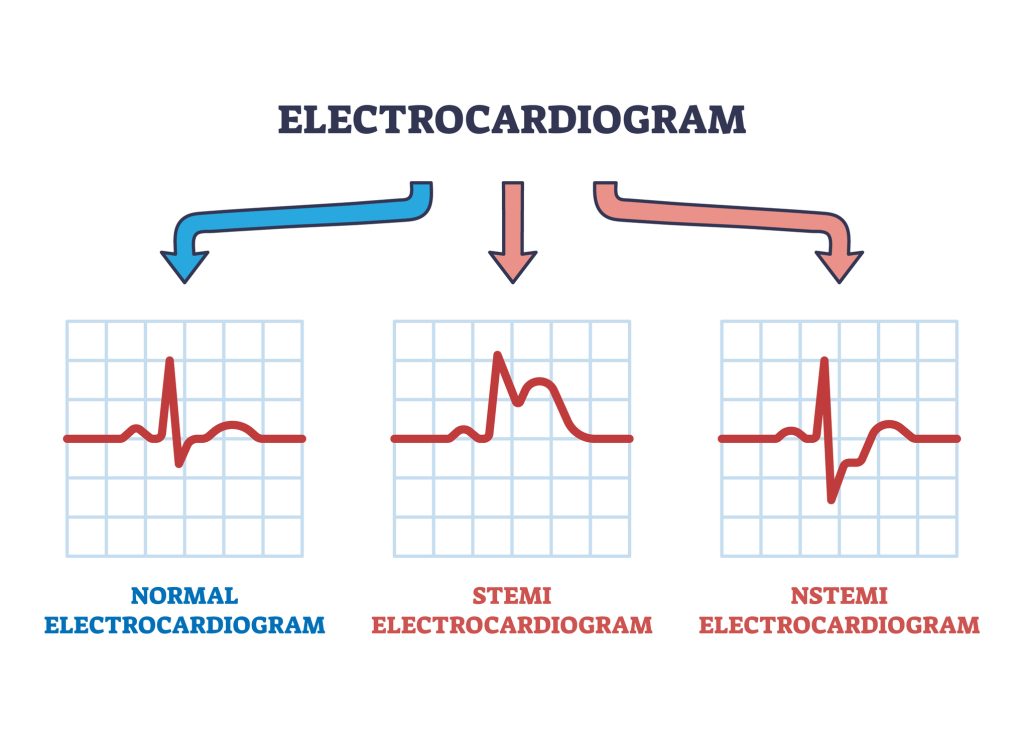
Many people believe a heart attack is a sudden, thunderclap event that happens without warning. While this can occur, many patients experience subtle heart attack warning signs a month before a major event. These symptoms represent the heart struggling to maintain blood flow as Coronary artery disease progresses. Recognizing these indicators and consulting a Cardiologist early can lead to the diagnosis of Atherosclerosis before it results in a medical emergency.
One of the most common early signs is unusual fatigue. If tasks that were once easy, such as climbing a flight of stairs or grocery shopping, suddenly leave you exhausted, it may be a sign that your heart is working too hard. Sleep disturbances, persistent indigestion that does not respond to typical treatments, and a recurring sense of chest heaviness or tightness during physical activity are all red flags. These symptoms may come and go, but they often signal that the heart muscle is not receiving the oxygen it needs during periods of increased demand.
Diagnostic Workflow: What to Tell Your Doctor
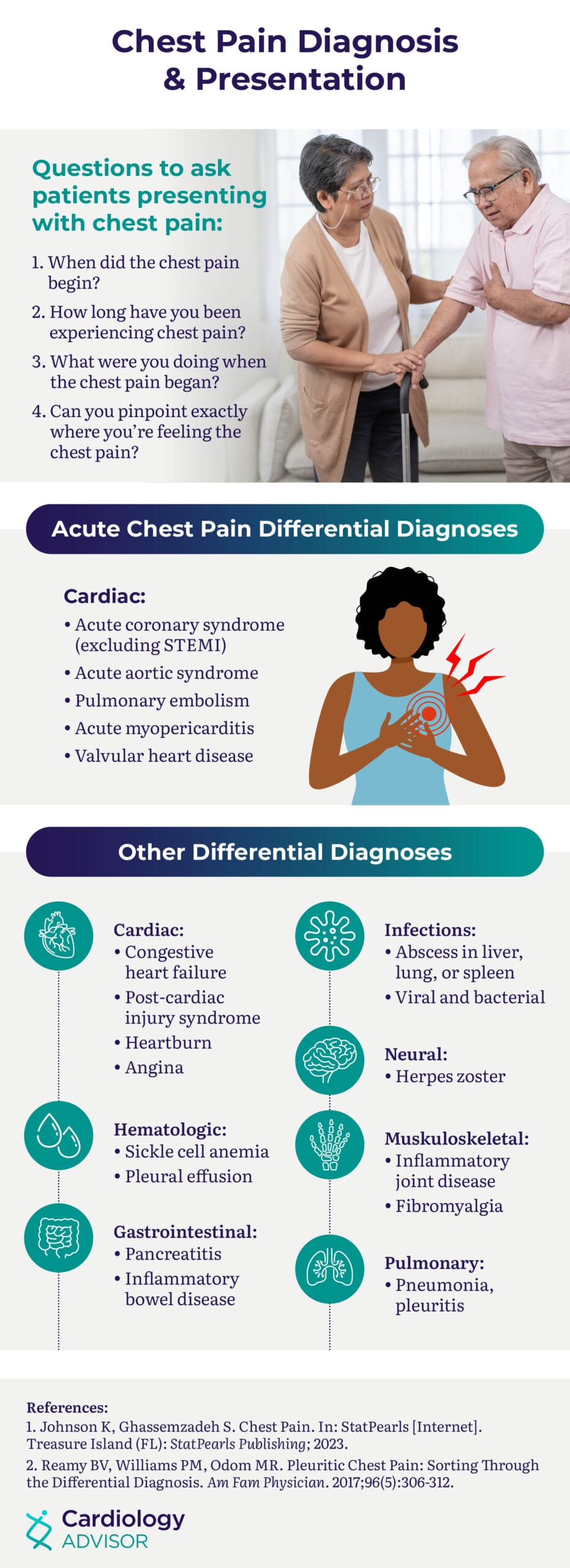
When you arrive at the hospital or speak with a healthcare provider about chest pain symptoms, being able to describe your experience accurately is essential for a fast diagnosis. Medical professionals often use a mnemonic called OLD CARTS to categorize the pain and determine the best course of action.
- Onset: When did the pain start? Was it sudden or gradual?
- Location: Where exactly is the pain? Does it feel deep or near the surface?
- Duration: How long does the discomfort last? Is it constant or intermittent?
- Character: Does it feel sharp, dull, burning, or like pressure?
- Aggravating factors: Does movement, breathing, or eating make it worse?
- Radiation: Does the pain move to your back, jaw, or arms?
- Timing: Does it happen at a specific time of day or during activity?
- Severity: On a scale of 1 to 10, how intense is the discomfort?
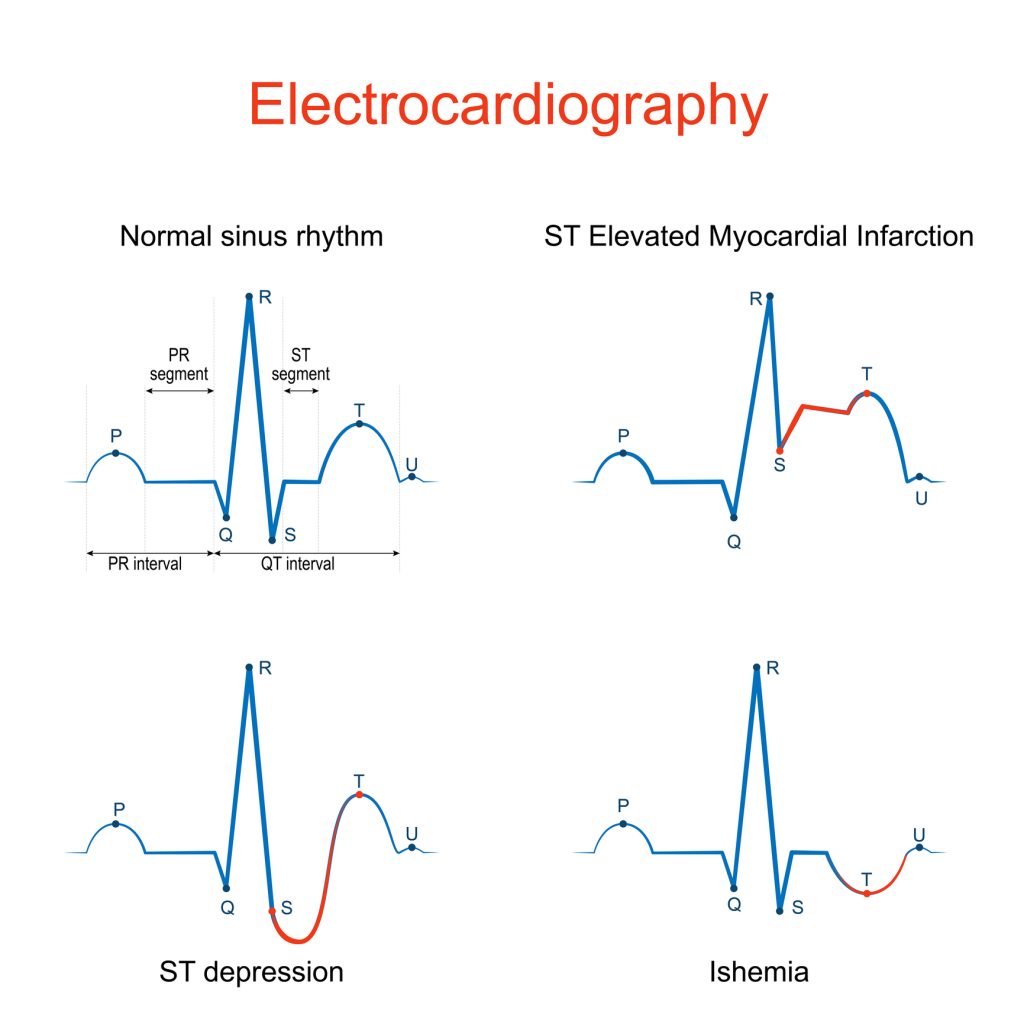
Once you are in a clinical setting, several tests will be performed to assess your heart health. The first is almost always an Electrocardiogram (EKG), which records the electrical activity of your heart to look for patterns indicating a lack of oxygen. Doctors will also perform a Troponin test, a blood draw that looks for specific proteins released into the bloodstream when the heart muscle has been damaged. Even if your initial tests are clear, you may be monitored for several hours to ensure your levels do not change, especially if you have risk factors like Hypertension or a family history of heart disease.
If you suspect you are having a heart attack, always call an ambulance rather than driving yourself or having someone else drive you. Paramedics can begin diagnostic work and even life-saving treatments the moment they arrive, providing a critical head start that can save heart tissue and improve your long-term recovery prospects.
FAQ
What are the early warning signs of a heart attack?
Early warning signs often include unusual fatigue that lasts for days, disturbances in your sleep patterns, and persistent indigestion or heartburn that feels different than usual. You may also experience a recurring sense of heaviness or tightness in your chest during physical exertion that subsides with rest. These symptoms can appear up to a month before a major cardiac event and should be discussed with a doctor.
How do I know if my chest pain is serious?
Chest pain is considered serious if it is accompanied by shortness of breath, cold sweats, nausea, or lightheadedness. If the pain feels like a heavy pressure or squeezing rather than a sharp stab, or if it spreads to your jaw, neck, or left arm, it is a medical emergency. Generally, any new, unexplained chest pain that lasts more than a few minutes should be evaluated by a healthcare professional.
What does cardiac chest pain feel like?
Cardiac chest pain typically feels like a dull, heavy pressure, squeezing, or a sense of fullness in the center of the chest. It is often described as a diffuse discomfort rather than a sharp, localized pain. Many people say it feels like an "elephant sitting on the chest" or a tight band being constricted around the torso. It usually develops over several minutes and does not change when you take a deep breath or press on the chest wall.
When should I seek emergency care for chest pain?
You should seek emergency care immediately if you experience sudden, intense chest pressure, especially if it is paired with difficulty breathing, sweating, or pain radiating to the upper body. If you have a history of heart disease and your usual Angina pectoris feels more severe or occurs at rest, call 911. It is always better to be evaluated for a non-serious cause than to ignore a potential heart attack.
How can you tell the difference between anxiety and a heart attack?
While both can cause chest tightness and a rapid heartbeat, anxiety symptoms usually peak quickly and are often accompanied by trembling or a specific feeling of panic. Sharp chest pain vs dull pressure heart attack is a key differentiator; anxiety pain is more likely to be sharp or localized, whereas heart attack pain is a heavy, crushing pressure. Furthermore, a heart attack is often accompanied by physical signs like cold sweats and radiation of pain to the jaw or arm, which are less common in typical panic attacks.