Quick Facts
- Status: First FDA-cleared over-the-counter continuous glucose monitor
- Price: $99 for a pack of two sensors or $89 with a monthly subscription
- Wear Time: Each sensor lasts up to 15 days with a 30-minute warmup period
- Target Audience: Adults aged 18+ with type 2 diabetes (non-insulin) or prediabetes
- Compatibility: Integrates with iOS and Android devices plus Oura Ring
- Core Benefit: Tracks glycemic variability to improve metabolic health without a prescription
- Financials: Fully eligible for HSA and FSA spending accounts
The Dexcom Stelo CGM is the first FDA-cleared over-the-counter continuous glucose monitor available in the U.S. without a prescription. Designed for adults aged 18 and older who are not on insulin, it continuously measures and records glucose levels via a subcutaneous sensor, providing real-time biofeedback through a smartphone integration to help users visualize the impact of lifestyle choices on their blood sugar.
The Shift Toward Consumer Metabolic Tracking
For decades, continuous glucose monitoring was a tool reserved strictly for clinical management, primarily for those navigating the complexities of Type 1 or insulin-dependent Type 2 diabetes. The landscape shifted dramatically on March 5, 2024, when the FDA cleared Dexcom Stelo as the first over-the-counter continuous glucose monitor. This milestone marks a transition from sick-care to proactive health optimization, allowing individuals to access high-level metabolic data without navigating the hurdle of a physician's script.
Metabolic health is the foundation of longevity. When we talk about optimizing your biology, we are often talking about managing insulin resistance and maintaining metabolic flexibility. The Dexcom Stelo CGM provides the raw data necessary to understand how your body processes fuel. Instead of a single snapshot from a fasted blood draw once a year, this wearable offers a movie of your internal chemistry, revealing how a morning bagel or a midnight snack influences your systemic inflammation and energy levels.
The target demographic for this technology is vast. Dexcom estimates that 25 million Americans living with Type 2 diabetes who do not use insulin represent the primary user base. However, the utility extends to the nearly 100 million Americans with prediabetes and the growing community of biohacking enthusiasts looking to fine-tune their performance. By monitoring glucose in the interstitial fluid, users can identify patterns that lead to brain fog, weight gain, and long-term metabolic dysfunction.
Who Should Use the Dexcom Stelo?
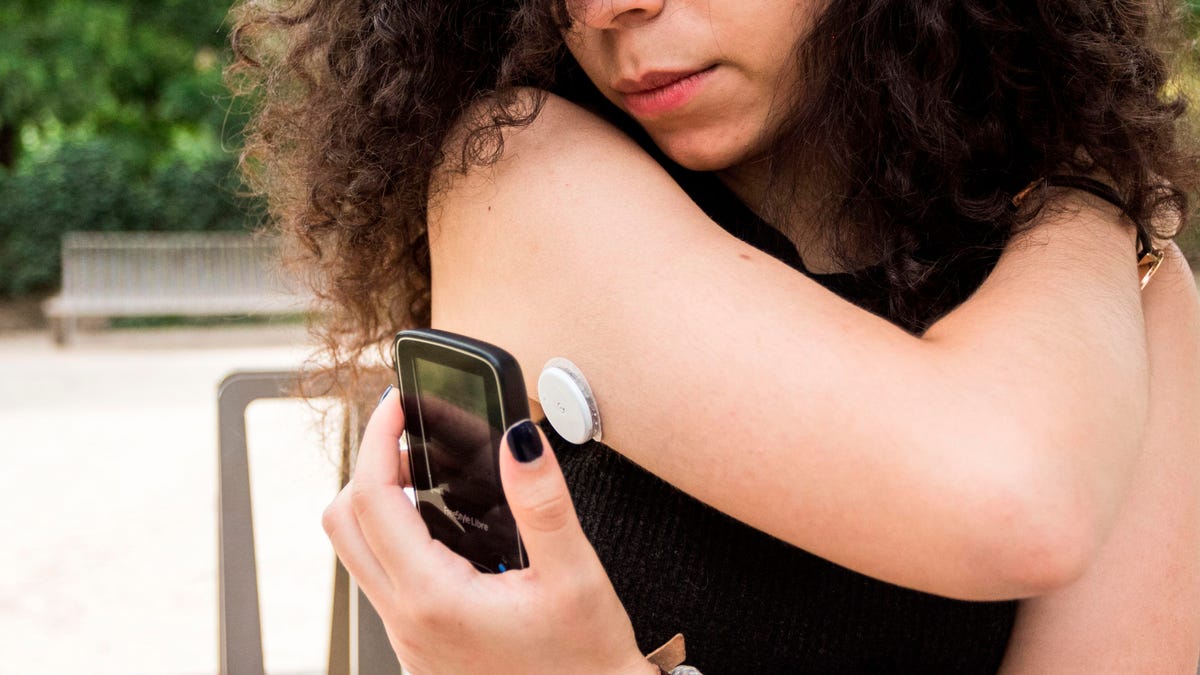
The primary appeal of buying dexcom stelo without a prescription is accessibility. Historically, if you wanted to track your glucose for wellness reasons, you had to convince a doctor or use third-party concierge services that upcharged for the hardware. Using dexcom stelo for prediabetes management is now a straightforward process of ordering a kit and applying a sensor to the back of your arm.
If you are an adult who is not using insulin, this device is built for you. It serves as a powerful tool for those interested in using dexcom stelo for type 2 diabetes not on insulin, providing the biofeedback loop required for behavior modification. When you see a literal spike on your phone screen after eating a specific food, the psychological impact is far greater than any general nutritional advice. It turns abstract health goals into a real-time game of stabilization.
For the longevity-focused individual, the device is a window into metabolic flexibility. This is the body's ability to switch efficiently between burning carbohydrates and burning fat. Constant blood sugar spikes and the subsequent insulin surges lock the body into a fat-storage mode. By using the Dexcom Stelo CGM to flatten the glucose curve, you are effectively training your metabolism to be more resilient and efficient.
Dexcom Stelo vs. G7: Key Differences
While the hardware of the Stelo is fundamentally based on the Dexcom G7 platform, the software and intent are quite different. Understanding the dexcom stelo vs g7 comparison is vital for choosing the right tool for your specific health needs. The G7 is a medical device meant for high-stakes clinical management, whereas the Stelo is a health-tracking tool meant for lifestyle optimization.
The most significant difference lies in the alerting system. The G7 includes urgent low alerts to prevent life-threatening hypoglycemia, which is critical for those on insulin. The Stelo, conversely, is an alert-free system. This design choice prevents alarm fatigue, ensuring that wellness users aren't constantly interrupted by notifications. It focuses on the trend rather than the crisis.
| Feature | Dexcom Stelo | Dexcom G7 |
|---|---|---|
| Prescription Required | No (OTC) | Yes |
| Target User | Type 2 (Non-insulin), Prediabetes, Wellness | Type 1, Type 2 (Insulin-dependent) |
| Wear Time | 15 Days | 10 Days (+ 12h grace period) |
| Alerts/Alarms | None (Alert-free design) | High/Low/Urgent Low Alarms |
| Hypoglycemia Detection | Software-focused on trends | Real-time medical alerts |
| Warmup Period | 30 Minutes | 30 Minutes |
The extended wear time is another highlight for the over-the-counter continuous glucose monitor. The Stelo sensor is designed for up to 15 days of wear time, providing a longer window of data per unit compared to the 10-day cycle of the G7. This makes the benefits of non-prescription CGM more cost-effective for long-term monitoring.
Pro Tip: Sensor Placement For the most accurate readings and best adhesion, apply the sensor to the back of the upper arm. Ensure the area is clean and free of hair. While the device is waterproof for up to eight feet of water for 24 hours, avoid excessive scrubbing around the adhesive patch during showers to maximize the 15-day lifespan.
Maximizing Metabolic Health with the Stelo App
Data is only as good as the insights you derive from it. The Stelo smartphone integration is designed to help you interpret glycemic variability without needing a medical degree. The app categorizes your glucose levels into "in-range" percentages, giving you a clear score on how well you are managing your metabolic health throughout the day.
One of the most effective ways of using dexcom stelo for weight loss and metabolic health is tracking postprandial glucose. This is the measurement of your blood sugar after a meal. By logging your meals within the app, you can see exactly which "healthy" foods might actually be causing significant blood sugar spikes in your unique biology. For instance, some people may see a massive spike from oatmeal while others remain stable; the Stelo removes the guesswork.
The integration with other health platforms, such as the Oura Ring, further enhances the biofeedback experience. By layering your glucose data over your sleep and recovery metrics, you can see how poor sleep contributes to insulin resistance the following day. This holistic view is the gold standard for anyone serious about biohacking their longevity.
For those using metabolic medications, the device acts as an excellent GLP-1 companion. As these medications work to improve insulin sensitivity and slow gastric emptying, the Stelo provides a visual confirmation of the drug's efficacy. It allows users to titrate their lifestyle habits alongside their medication to ensure they are achieving the best possible metabolic outcomes.
Pricing and Insurance: Is It HSA/FSA Eligible?
One of the most common questions regarding the first over-the-counter continuous glucose monitor is the cost. Dexcom has positioned the Stelo as an affordable entry point into the world of biosensing. You can purchase a pack of two sensors (a 30-day supply) for $99 as a one-time purchase. If you commit to a monthly subscription, the price drops to $89 per month.
When looking at the dexcom stelo hsa fsa eligibility guide, the news is positive. Because it is an FDA-cleared medical device, it is fully eligible for Health Savings Account (HSA) and Flexible Spending Account (FSA) funds. This effectively reduces the out-of-pocket cost for many users by allowing them to use pre-tax dollars.
However, it is important to note that since the Stelo is an OTC product, it is rarely covered by traditional private insurance or Medicare, which usually only cover CGMs for patients who require insulin. For the majority of users, the Stelo will be a self-funded investment in their personal health. Given the 15-day wear time, the cost breaks down to roughly $3 per day—a small price to pay for the level of insight provided.
Summary: A New Era of Health Sovereignty
The launch of the Dexcom Stelo CGM represents a significant shift in how we approach human health. We are moving away from the "black box" of internal metabolism and toward a future of real-time biofeedback. By eliminating the need for a prescription, Dexcom has empowered millions of people to take control of their own data.
Whether you are using it for using dexcom stelo for prediabetes management, weight loss, or simply to avoid the energy crashes associated with glycemic variability, the value of this tool is immense. It provides a mirror for your lifestyle choices, showing you exactly how your body responds to the world around it. In the quest for longevity and peak performance, the ability to monitor and manage your blood sugar is no longer a luxury—it is a fundamental necessity.
FAQ
What is the Dexcom Stelo CGM?
The Dexcom Stelo CGM is a wearable over-the-counter continuous glucose monitor that tracks glucose levels in the interstitial fluid. It is the first device of its kind cleared by the FDA for use without a prescription, specifically designed for health optimization and the management of non-insulin-dependent diabetes.
Do you need a prescription for Dexcom Stelo?
No, you do not need a prescription to purchase or use the Dexcom Stelo. It is available over-the-counter for adults 18 and older, making it much more accessible than previous generations of glucose monitors that required medical authorization.
How much does Dexcom Stelo cost?
A two-pack of sensors, which provides a 30-day supply, costs $99 for a one-time purchase. If you sign up for a recurring monthly subscription, the price is reduced to $89 per month.
Who is the Dexcom Stelo designed for?
The device is intended for adults aged 18 and older who do not use insulin. This includes the 25 million Americans with Type 2 diabetes who manage their condition through diet or oral medication, the 98 million with prediabetes, and wellness-conscious individuals interested in metabolic health.
What is the difference between Dexcom Stelo and G7?
The primary difference is that Stelo is over-the-counter and alert-free, whereas the G7 requires a prescription and includes urgent low-glucose alarms for insulin users. Additionally, Stelo sensors last for 15 days, while G7 sensors last for 10 days.
Is Dexcom Stelo covered by insurance?
Generally, no. Because the Dexcom Stelo is an over-the-counter wellness tool for non-insulin users, it is typically not covered by traditional health insurance plans. However, it is fully eligible for purchase using HSA and FSA funds.