Our Top Picks
- Best For: Healthy adults and non-insulin-using Type 2 diabetics focused on metabolic wellness.
- Top Feature: Direct integration with Oura Ring for combined sleep and glucose data.
- Price: $99 per month for a two-sensor pack (30-day supply).
- Verdict: The Dexcom Stelo is the most polished and data-rich over-the-counter option for those moving from general biohacking into serious metabolic health tracking.
Dexcom Stelo is the leading over-the-counter (OTC) continuous glucose monitor for adults looking to track glucose for metabolic health without a prescription. This system provides a medical-grade window into your internal chemistry, allowing you to see exactly how your lifestyle choices move the needle on your blood sugar in real time.
What is the Dexcom Stelo Glucose Biosensor?
For years, those of us in the longevity community had to navigate a complex web of prescriptions or expensive third-party platforms to access continuous glucose monitoring. That changed when the Dexcom Stelo Glucose Biosensor System received FDA clearance on March 5, 2024, becoming the first over-the-counter continuous glucose monitor available in the United States.
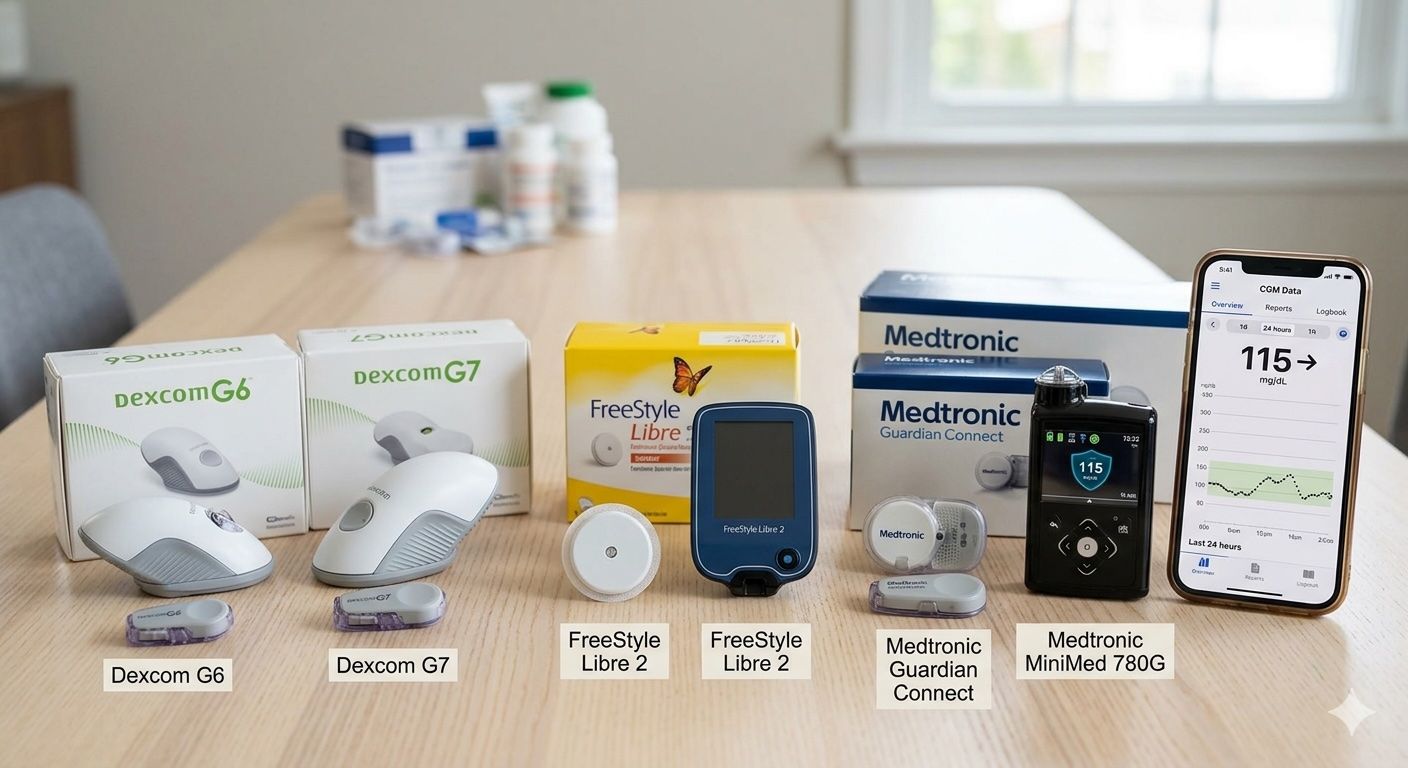
The Stelo is a simplified, non-prescription version of the Dexcom G7. It is specifically designed for an estimated 25 million adults in the United States living with type 2 diabetes who do not use insulin, as well as the growing biohacking community interested in prediabetes management.
Unlike its medical-grade predecessor, the Stelo does not feature "Low Glucose" alarms. This is an intentional design choice to prevent alarm fatigue in users who are not at risk for dangerous hypoglycemic events caused by insulin. Instead, the focus is entirely on wearable biosensor technology that provides a feedback loop for diet and exercise. It translates complex biological data into a readable format, helping you stay within your target range and avoid the chronic glycemic variability that accelerates aging.
Hardware Specs: Accuracy and Sensor Longevity
When evaluating any wearable biosensor technology, accuracy and reliability are the two pillars of value. The Stelo uses a small, subcutaneous application to measure glucose in the interstitial fluid—the fluid surrounding your cells—rather than blood glucose directly. Because of this, there is often a slight lag compared to a traditional fingerstick, but for tracking metabolic wellness, the trend data is far more important than a single point in time.
In terms of technical performance, the Stelo boasts a Mean Absolute Relative Difference (MARD) of 8.8%, indicating a high level of medical-grade accuracy. Each sensor is rated for a 15-day wear time, which is longer than the 10-day cycle of the Dexcom G7. However, real-world reliability is something to keep in mind. In a clinical study assessing sensor life, 77.9% of Dexcom Stelo sensors lasted the full 15-day wear time, while approximately 20% of sensors failed to last the entire period.
The data refreshes every 15 minutes. While some competitors offer 1-minute updates, the 15-minute interval is more than sufficient for identifying postprandial spikes and observing how your body recovers from a high-carb meal or an intense workout.

How to Set Up Dexcom Stelo Without a Prescription
The transition to over-the-counter availability has made the non-prescription CGM setup guide much simpler. You no longer need a doctor's signature or a pharmacy visit; you simply order the kit online and download the app.
The application process is designed to be painless and can be completed in about five minutes:
- Prepare the site: Choose a spot on the back of your upper arm. Clean it thoroughly with an alcohol wipe to ensure the adhesive sticks for the full 15 days.
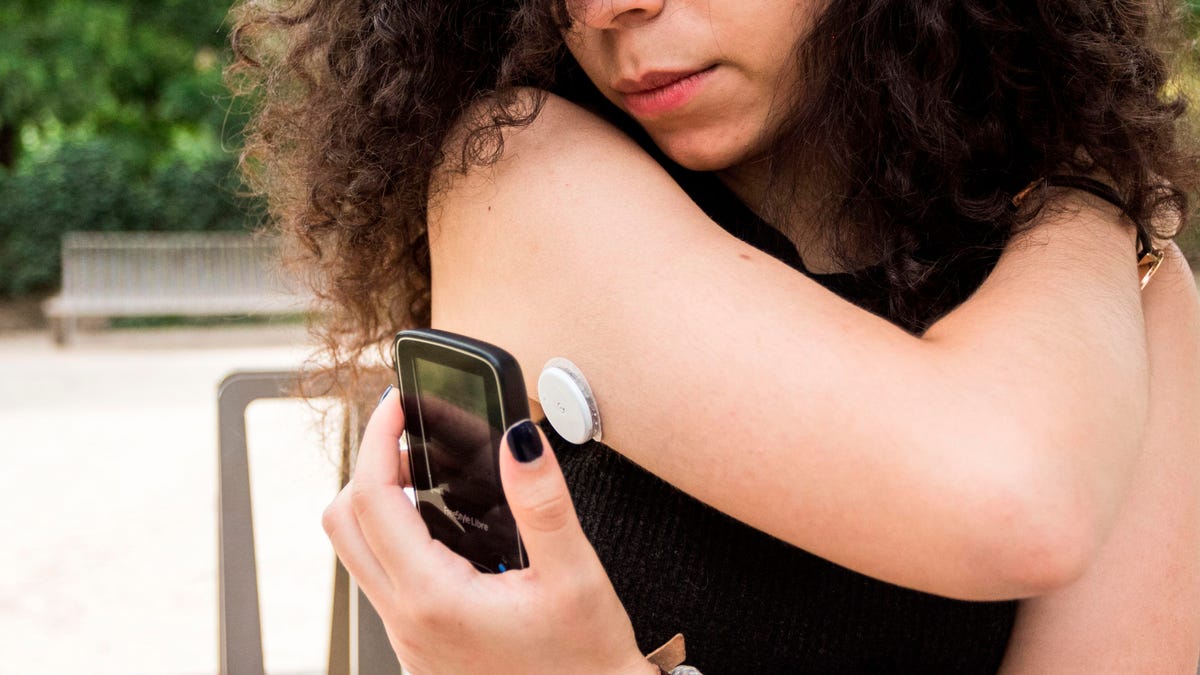
- Apply the sensor: The kit includes a circular applicator. You press it against your arm and click a button. You will feel a quick snap, but the needle-thin filament is so small that most users report no pain.
- Pair with Bluetooth: Open the Stelo app on your smartphone and follow the pairing instructions. The sensor communicates via low-energy Bluetooth.
- Warm-up period: After application, the sensor requires a 30-minute warm-up period before it starts displaying data.
- Secure the adhesive: If you are highly active or enjoy swimming, you might want to apply an additional overpatch to ensure it stays put.
- Log your first meal: Once active, start logging your meals immediately to see the real-time biofeedback.
The device is water-resistant, meaning you can shower, swim, and sweat without worry. For the longevity enthusiast, this means your metabolic tracking doesn't have to pause for your sauna sessions or cold plunges, though extreme temperatures can occasionally affect temporary accuracy.
Making Data Actionable: Oura Integration & Postprandial Spikes
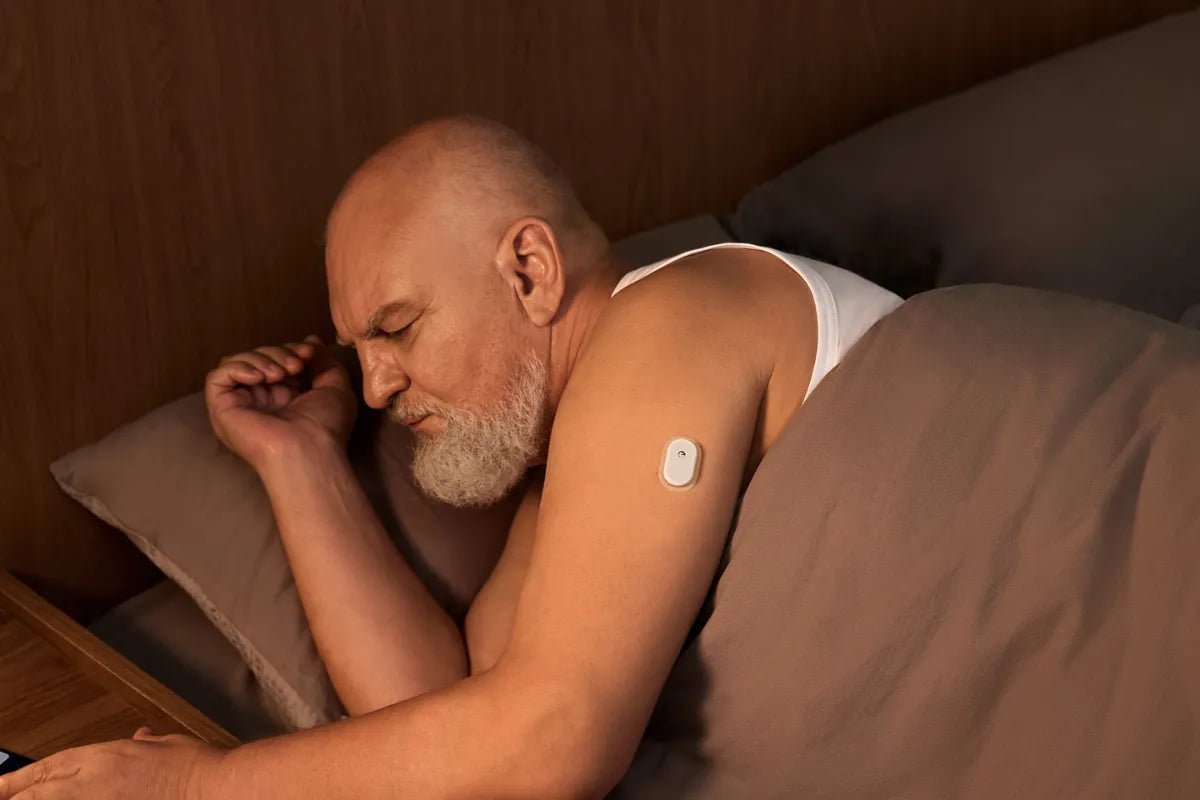
The true power of glucose tracking for metabolic health lies in the ability to cross-reference glucose levels with other biometrics. One of the most significant advantages of the Dexcom Stelo is its ability to integrate with the Oura Ring. By integrating dexcom stelo with oura ring for health insights, you can see how a late-night meal affects your sleep quality, heart rate variability (HRV), and next-day glucose stability.
Using dexcom stelo to identify blood sugar spikes from food is a game-changer for personalized nutrition. We all react differently to carbohydrates. While one person might see a massive spike from white rice, another might react more strongly to "healthy" oatmeal. By watching your postprandial spikes, you can begin to curate a diet that keeps you in a steady state, reducing oxidative stress and inflammation.

The app focuses on Time in Range (TIR), a metric that shows the percentage of the day your glucose stays within a healthy window (typically 70-130 mg/dL). For those in the biohacking community, the goal is often to maximize TIR while minimizing the height of the spikes. This lifestyle intervention approach is far more effective for long-term health than any generic diet plan because it is based on your unique biology.
For many in the metabolic wellness community, tools like the Dexcom Stelo work in tandem with medical interventions to provide a complete picture of health.
Comparison: Dexcom Stelo vs. Abbott Lingo 2026
The OTC market is heating up, and the primary competitor is the Abbott Lingo. While both devices offer high-quality tracking, there are distinct differences that might make one better for your specific needs. When asking is dexcom stelo worth it for metabolic health tracking, the answer often comes down to how you want to use the data.
| Feature | Dexcom Stelo | Abbott Lingo |
|---|---|---|
| Prescription Required | No (OTC) | No (OTC) |
| Sensor Life | 15 Days | 14 Days |
| Data Update Speed | 15 Minutes | 1 Minute |
| Provider Sharing | Yes (Dexcom Clarity) | Limited |
| Integration | Oura Ring, HealthKit | Apple Health |
| Price | $99/mo (2 sensors) | $89/mo (Variable) |
The dexcom stelo vs abbott lingo comparison 2026 highlights that Dexcom has a superior ecosystem for data sharing. Stelo is currently the only non-prescription model that allows users to share their data directly with healthcare providers through the Dexcom Clarity platform. If you are working with a functional medicine doctor or a nutritionist, this feature is invaluable. Stelo is also generally HSA/FSA eligible, making it a cost-effective choice for those with health savings accounts.
While the Lingo offers faster data updates, the Stelo provides a more holistic view of metabolic wellness through its integrations. For a results-oriented biohacker, the ability to see glucose and sleep on the same timeline is a significant edge.
FAQ
What is the Dexcom Stelo glucose biosensor?
The Dexcom Stelo is a small wearable device that measures glucose levels in the interstitial fluid just beneath the skin. It is the first FDA-cleared continuous glucose monitor available without a prescription, designed to provide real-time feedback on how lifestyle factors like diet and exercise impact metabolic health.
How does Dexcom Stelo differ from the Dexcom G7?
While both use the same core sensor technology, the Dexcom Stelo is optimized for non-insulin users. It lacks the urgent low-glucose alarms found on the G7 and features a 15-day sensor life instead of 10 days. The software interface for Stelo is tailored toward lifestyle insights rather than acute medical management of insulin-dependent diabetes.
Do I need a prescription for Dexcom Stelo?
No, you do not need a prescription to purchase the Dexcom Stelo. It is available over-the-counter for adults aged 18 and older who do not use insulin to manage their blood sugar.
How long can you wear a Dexcom Stelo sensor?
Each Dexcom Stelo sensor is designed to be worn for up to 15 days. The app will notify you when the sensor is nearing the end of its life, allowing you to plan for a replacement.
Can I use Dexcom Stelo if I am on insulin?
No, the Dexcom Stelo is not intended for individuals who use insulin. Because it lacks the critical low-glucose alarms necessary for safety when using insulin, those with Type 1 or insulin-dependent Type 2 diabetes should continue to use prescription-grade CGMs like the Dexcom G7.