Quick Facts
- Primary Symptom: Sharp pain in the lower left abdomen (70% of cases).
- The 5% Rule: Only 1% to 5% of those with diverticulosis will progress to develop diverticulitis.
- Gold Standard Diagnosis: Contrast-enhanced computed tomography (CT) scan.
- The Myth: Modern research confirms seeds, nuts, and popcorn do not cause flare-ups.
- Economic Impact: Acute diverticulitis is associated with nearly 200,000 hospital admissions and approximately $2.2 billion in annual healthcare costs in the U.S.
- Urgency: Seek immediate medical attention for high fever, persistent vomiting, or signs of a rupture.
Common diverticulitis symptoms include sharp pain in the lower left abdomen, fever, and nausea. While diverticulosis involves the presence of small pouches in the colon and large intestine, diverticulitis occurs only when these pouches become infected or inflamed.
Recognizing Diverticulitis: More Than Just a Bellyache
Understanding the health of your gastrointestinal tract often begins with a lesson in anatomy. Many of my readers are surprised to learn that diverticulosis—the presence of tiny, marble-sized pouches (diverticula) that bulge outward through the colon wall—is remarkably common as we age. In fact, diverticulosis is highly prevalent in older populations, affecting more than two-thirds of U.S. adults over the age of 80. However, for most people, these pouches are silent.
The shift from diverticulosis to diverticulitis happens when these pouches become inflamed or infected. While only a small fraction of people experience this transition, the resulting diverticulitis symptoms are hard to ignore. For most people in Western countries, left lower abdominal pain is the most common presenting symptom, occurring in approximately 70% of patients.
Interestingly, your demographic can influence where you feel the discomfort. While the lower left quadrant is the standard "danger zone" in Western medicine, we often see right-sided pain in Asian populations. Furthermore, diverticulitis symptoms in young adults under 40 are increasingly common, sometimes presenting more aggressively than in older patients. Recognizing the early diverticulitis flare-up signs is essential for preventing the condition from spiraling into a medical emergency.
Diverticulosis vs. Diverticulitis
| Feature | Diverticulosis | Diverticulitis |
|---|---|---|
| Anatomical State | Small pouches present in the colon and large intestine | Pouches are infected or acutely inflamed |
| Primary Sensation | Usually asymptomatic; may cause mild bloating | Sharp, persistent abdominal tenderness and pain |
| Systemic Signs | None | Fever, chills, and elevated white blood cell count |
| Prevalence | Affects 66% of people over age 80 | Affects only 1-5% of those with the pouches |
| Initial Management | High-fiber diet and microbiome support | Clear liquid diet and potential antibiotics |
Emergency Signs: When to Visit the ER
While most cases of diverticulitis are "uncomplicated," meaning they can be managed with rest and dietary changes, about 20% of cases are considered complicated. These scenarios involve a significant threat to the integrity of the gastrointestinal tract and require immediate intervention.
If you experience extreme pain that makes it impossible to stand up straight, a high fever, or persistent vomiting, you may be facing a bowel perforation or abscess formation. A bowel perforation occurs when an inflamed pouch tears, allowing bacteria and waste to leak into the abdominal cavity—a life-threatening condition known as peritonitis.
WARNING: Emergency Warning Signs Seek immediate help if you experience:
- Rigid or "board-like" abdomen
- High fever accompanied by chills
- Inability to pass gas or have a bowel movement
- Signs of shock (rapid heart rate, confusion, or extreme weakness)
In these high-urgency situations, a hospital will check your white blood cell count to measure the severity of the infection. A high count typically indicates that the body is fighting a significant inflammatory event or an abscess.
DRUGS TO AVOID If you suspect a flare-up, avoid NSAIDs (such as Ibuprofen or Naproxen). These medications are known to increase the risk of bowel perforation. Similarly, avoid opioids for pain management unless specifically directed by a specialist, as they can cause severe constipation and increase pressure within the colon.
Causes and Diagnosis: The Clinical Reality
The exact mechanism behind why a pouch suddenly becomes inflamed is still a topic of intense study in the gut-health community. Historically, we believed that diverticulitis causes were strictly mechanical—that a small piece of stool (a fecalith) would get trapped in a pouch, cutting off blood flow and allowing bacteria to multiply.
While this mechanical theory holds true for some, modern science points toward a more complex interaction involving the gut microbiome and chronic low-grade inflammation. When the balance of bacteria in the colon and large intestine is disrupted, the lining of these pouches becomes more susceptible to tears.
If you present with lower left abdominal pain diverticulitis signs, the clinical gold standard for diagnosis is a computed tomography (CT) scan with oral and intravenous contrast. This imaging allows doctors to see the thickness of the colon wall and identify any abscess formation or signs of a rupture.
It is also a clinical standard to schedule a follow-up colonoscopy about 6 to 8 weeks after the inflammation has subsided. This is not to diagnose the diverticulitis itself, but to rule out other underlying conditions, such as colorectal cancer or inflammatory bowel disease, which can sometimes mimic diverticulitis symptoms.
Modern Treatment Options: From Liquids to Surgery
In the past, the standard diverticulitis treatment options almost always included a heavy course of antibiotics. However, our approach has become more nuanced. For mild, uncomplicated cases, many doctors now opt for "watchful waiting." We have realized that the body can often resolve the inflammation on its own if the colon is given the chance to rest.
The recovery process typically follows a tiered dietary protocol:
- Clear Liquid Diet: For the first 24 to 72 hours of a flare-up, you may be restricted to water, broth, and gelatin. This reduces the workload on the colon and large intestine.
- Low-Residue Diet: Once the sharp pain subsides, you move to a low-fiber, low-residue diet. This includes foods like white bread, white rice, and well-cooked eggs. The goal is to minimize the amount of stool passing through the inflamed area.
- Gradual Fiber Reintroduction: Once you are completely symptom-free, you slowly reintroduce fiber to help prevent future episodes.
In cases where the infection is severe or recurrent, surgical resection may be necessary. This involves a surgeon removing the diseased part of the large intestine and reconnecting the healthy sections. This is usually reserved for patients who have suffered multiple episodes or those who have experienced a bowel perforation.
Long-Term Prevention: Myth vs. Fact
As an editor focused on gut health, the question I get asked most often is: "Can I still eat nuts and seeds?" For decades, patients were told to avoid these foods for fear they would get stuck in the diverticula. We now know this is a myth. Large-scale studies have shown no link between the consumption of nuts, seeds, or popcorn and an increased risk of diverticulitis.
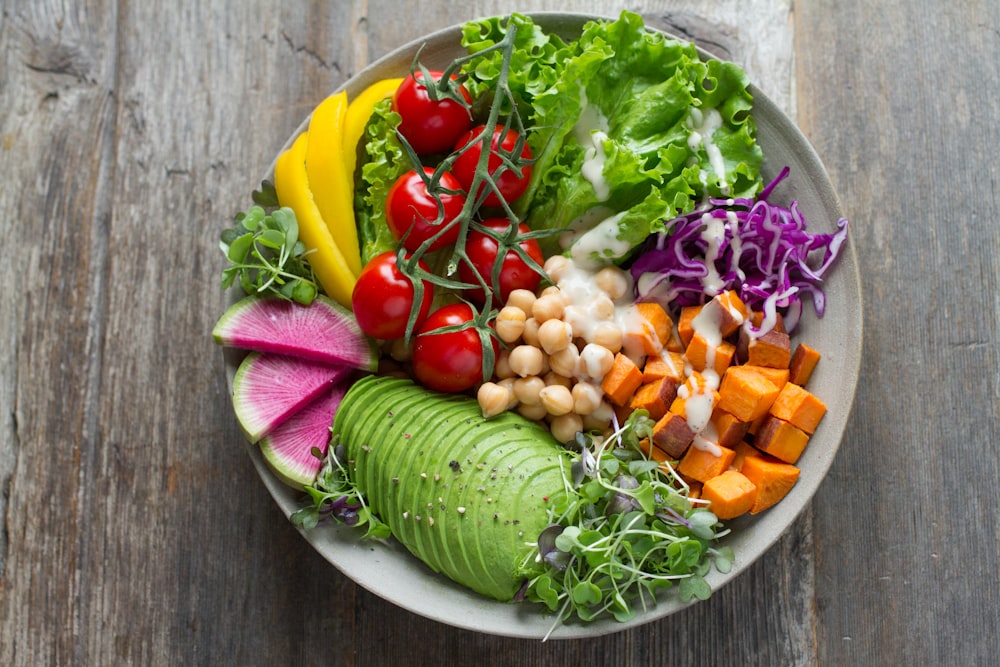
Instead of restriction, the focus should be on addition—specifically adding fiber and supporting the microbiome.
- Fiber intake: Focus on high fiber foods to prevent diverticulitis recurrence. Fiber acts as a prebiotic, feeding the beneficial bacteria that produce short-chain fatty acids, which strengthen the gut lining.
- Hydration: Fiber requires water to move smoothly through the gastrointestinal tract. Without it, fiber can actually lead to constipation, increasing the pressure in your colon.
- Physical Activity: Regular exercise helps stimulate the natural contractions of the colon, preventing stool from lingering too long in the system.
- Weight Management: Obesity is a significant risk factor for diverticular disease, likely due to the systemic inflammation associated with excess adipose tissue.
Managing your gut health is a marathon, not a sprint. By understanding the difference between the presence of pouches and active infection, you can make informed decisions about when to rest your gut and when to seek emergency care.
FAQ
What are the early warning signs of diverticulitis?
The earliest signs often include a dull ache in the lower abdomen that gradually turns into a sharper, more persistent pain. You might also notice a sudden change in bowel habits, such as constipation or, less commonly, diarrhea, accompanied by a slight bloated feeling and a low-grade fever.
Where is diverticulitis pain usually located?
In the majority of cases, the pain is located in the lower left quadrant of the abdomen. However, some individuals, particularly those of Asian descent or younger adults, may experience pain on the right side. The pain is typically constant and may persist for several days.
How can you tell the difference between diverticulosis and diverticulitis?
Diverticulosis is simply the presence of pouches in the colon and is usually painless and asymptomatic. Diverticulitis is the inflammation or infection of those pouches. You can tell the difference by the presence of acute symptoms like sharp pain, fever, nausea, and abdominal tenderness, which are not present in simple diverticulosis.
What are the emergency warning signs of diverticulitis?
Emergency signs include a very high fever, uncontrollable vomiting, a rigid or swollen abdomen, and intense pain that prevents movement. These can indicate a bowel perforation or a large abscess, both of which require immediate medical intervention to prevent sepsis or peritonitis.
How long does a diverticulitis attack typically last?
A mild attack managed at home usually begins to improve within 2 to 3 days of starting a clear liquid diet. However, the full healing process for the colon wall can take several weeks, during which a gradual transition back to a normal diet is necessary.